





















A team of astronomers has identified erythrulose, a four-carbon sugar molecule that also occurs naturally in certain fruits on Earth, inside a cloud of gas and dust roughly 26,000 light-years from our planet. The discovery marks the first time researchers have confirmed a genuine sugar molecule in the space between stars, and it could offer fresh clues about how the raw ingredients of life first reached Earth.
A Signal Picked Up From a Rotating Molecule
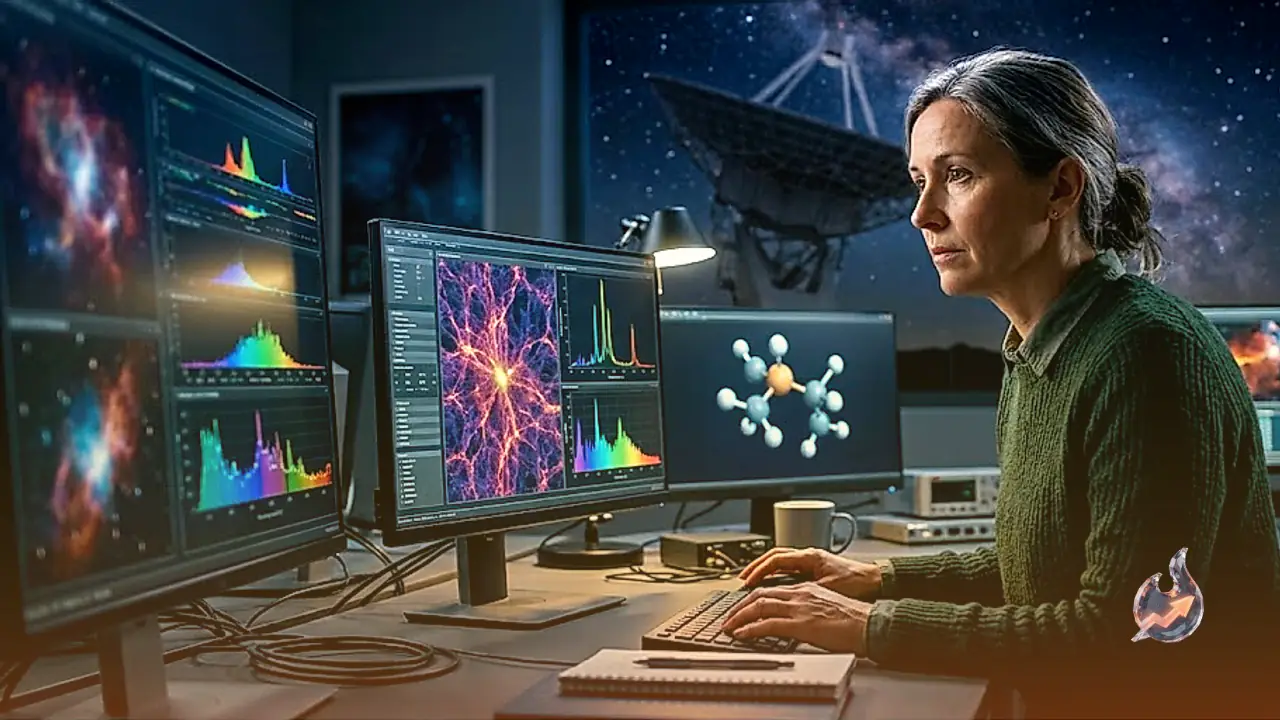
The findings appeared this week in the journal Nature Astronomy. A team led by Izaskun Jiménez Serra combed through data gathered by radio telescopes in Spain, searching for the faint microwave signature that erythrulose gives off as it spins. That rotational fingerprint, unique to each molecule's shape, allowed the scientists to confirm the sugar's presence in a region of the galaxy far removed from any planet or star system.
Why Sugar Matters for Life
Sugar molecules sit at the center of biology on Earth: they fuel living cells, and they form part of the backbone of both RNA and DNA. Despite that importance, scientists have never been able to fully explain how enough of these molecules built up on the early Earth to help kickstart life. One long-standing theory holds that at least some of these building blocks never formed on Earth at all, and instead arrived after hitching a ride on meteorites that crashed into the planet billions of years ago.
A Chemical Factory Near the Galaxy's Black Hole
The researchers didn't stumble on this discovery by chance. They deliberately pointed their instruments at a molecular cloud known as G+0.693−0.027, widely regarded as one of the most molecule-rich regions anywhere in the Milky Way. The cloud sits close to the supermassive black hole at the center of our galaxy, and a past collision with another cloud appears to have transformed the region into something like a chemical factory. Scientists had already traced alcohols, aldehydes, urea, ethanolamine, hydroxylamine and dozens of other complex organic molecules to this same patch of space. Erythrulose is simply the newest addition to that growing list.
Echoes of the Sugar Found on Asteroid Bennu
The notion that sugars might arrive from space rather than form on Earth gained real momentum in December 2025, when researchers confirmed that material from the asteroid Bennu contained ribose along with other monosaccharides. Ribose happens to be the essential sugar at the core of RNA. The molecule identified in this new study belongs to a different family altogether, the ketoses, and on Earth it shows up in places like tanning lotions and raspberries.
Two Telescopes in Spain Caught the Trace
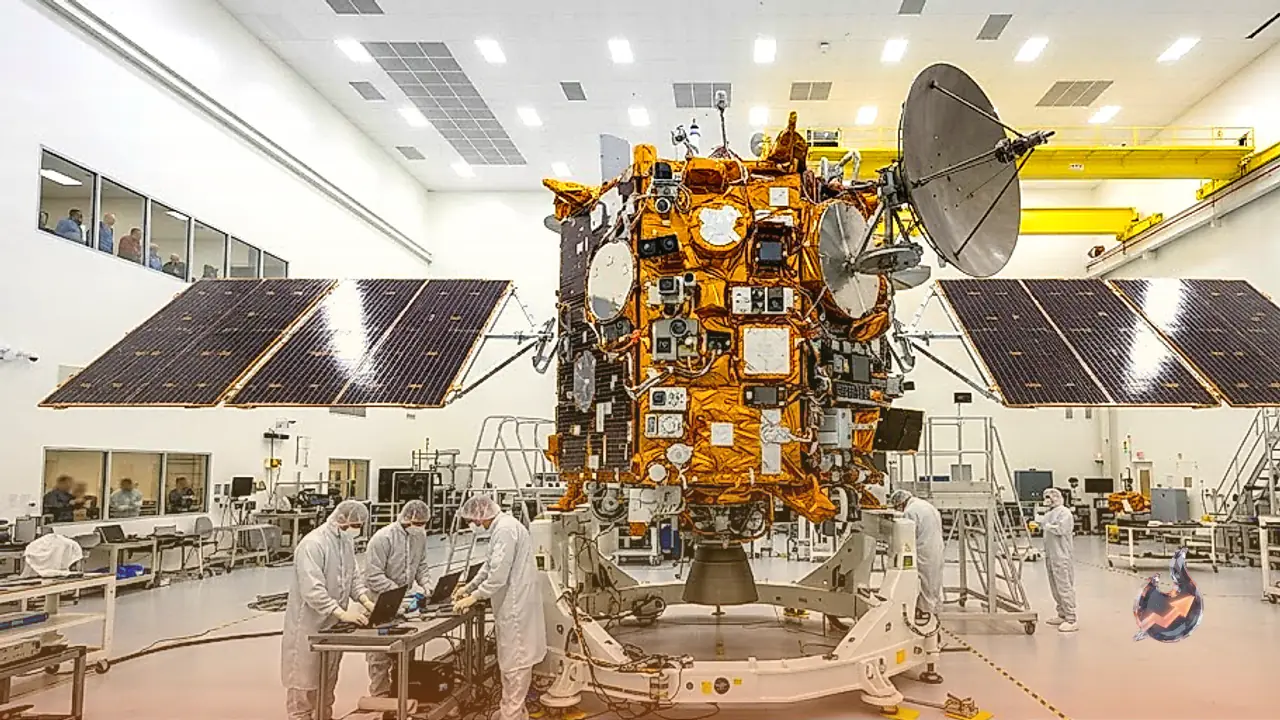
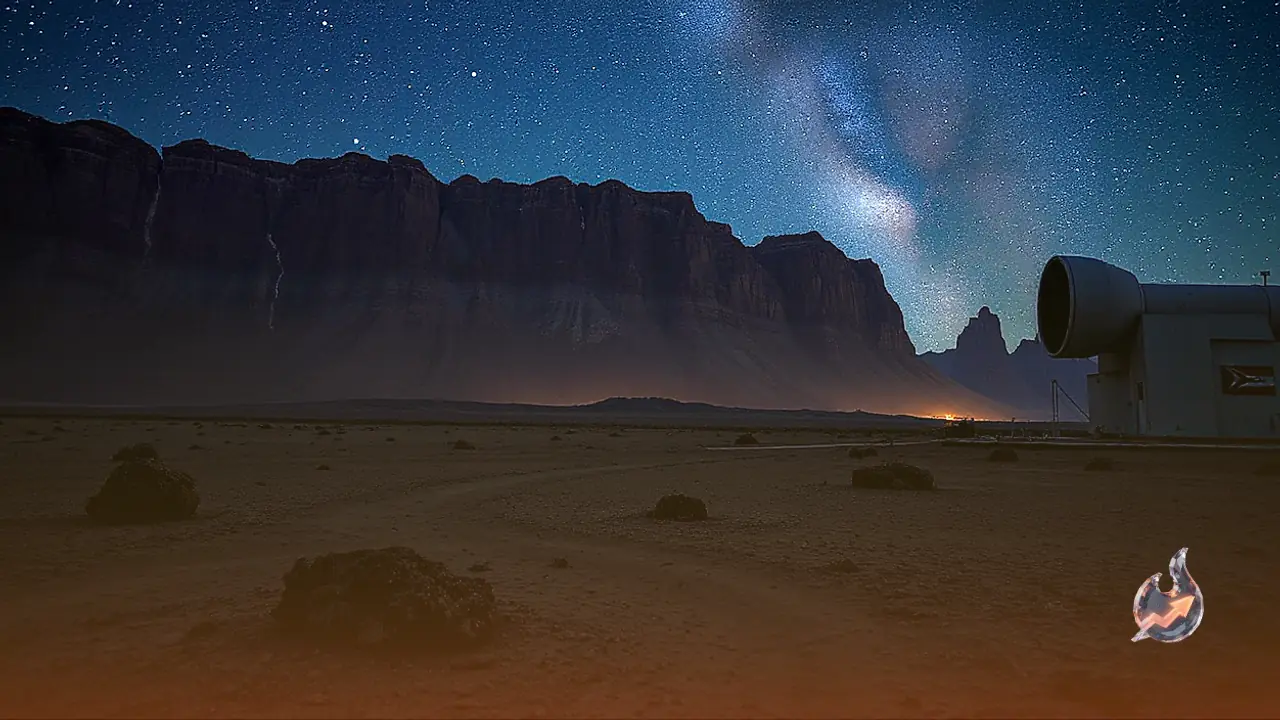
The data behind the discovery came from a pair of radio telescopes based in Spain. One sits at the Yebes Observatory, northeast of Madrid, while the other belongs to the Institute for Radio Astronomy in the Millimeter Range, located near a ski resort in the Sierra Nevada mountains.
A Discovery, Not Proof of Life
Jesús R. Flores, a professor at the University of Vigo who wasn't involved in the research, told Science Media Center Spain that prebiotic organic molecules, including some monosaccharides, have long been known to exist in meteorites and asteroids, though where they actually come from has remained an open question. He said one obvious possibility is that they first form in what's called the interstellar medium, but that until now, no genuine saccharide had ever actually been detected out there. Erythrulose, a four-carbon ketomonosaccharide, is the first.
Even so, finding sugar molecules floating between the stars is not evidence of life beyond Earth, and it doesn't by itself explain how life or RNA got started on our own planet. What it does show, alongside a growing body of similar research, is that the chemical building blocks tied to prebiotic chemistry are not confined to Earth, they turn up in space too. This study is also the first to demonstrate that an interstellar monosaccharide can actually be formed under these conditions. Erythrulose itself isn't a molecule life strictly needs, but it can be converted into other building blocks that may be.