


















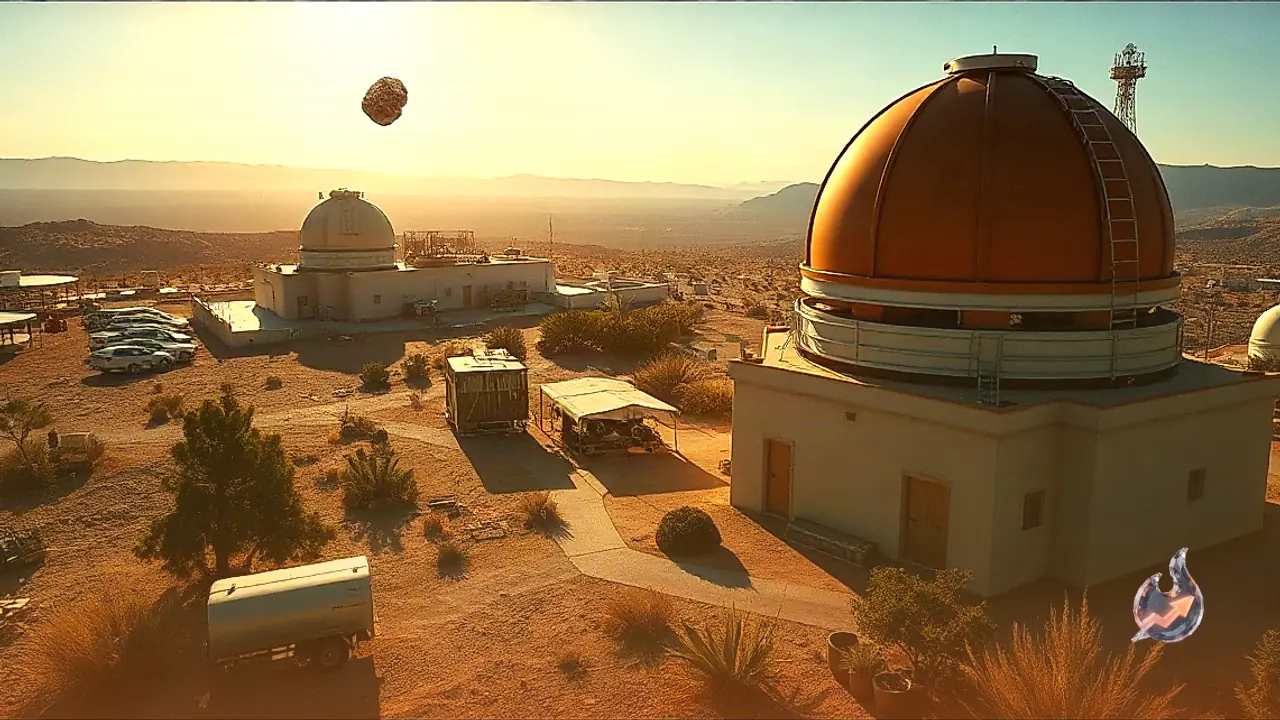

A telescope in the United States has spotted a tiny asteroid racing toward Earth, and it's set to burn up in a bright streak over northwest Australia. Observers at the Mount Lemmon Observatory tracked the object heading straight for the planet's atmosphere, where it will break apart like a dazzling meteor rather than strike the ground.
How big is it
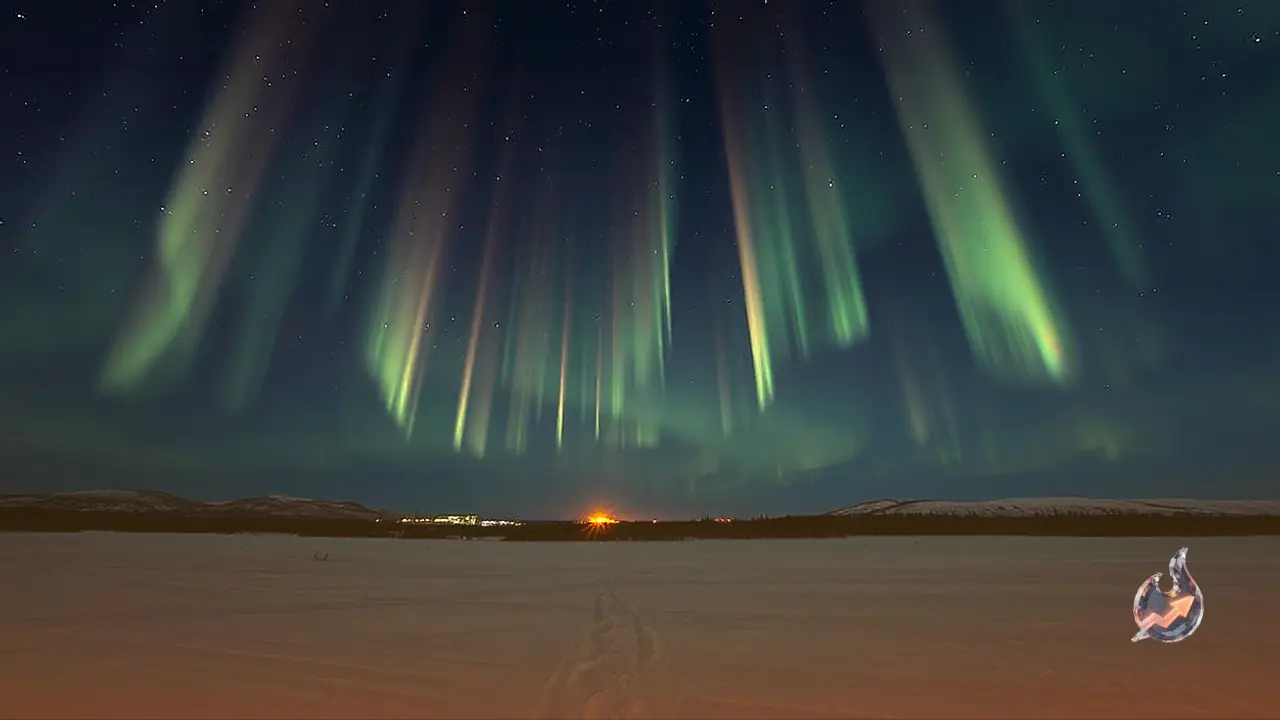
Currently designated CERNQ52, the asteroid measures only about 0.8 metres across, less than 3 feet. Because it is so small, scientists have confirmed it will not collide with Earth's surface at all. Instead, it will disintegrate completely as soon as it hits the atmosphere, burning up in a flash. That means there is no danger to anyone on the ground. For people living in northwest Australia, though, the breakup could turn into a spectacular light show across the night sky.
When and where to watch
According to Richard Moissl, head of planetary defence at the European Space Agency (ESA), CERNQ52 is expected to enter the atmosphere between 16:00 and 16:30 UTC. That translates to roughly 9:30 pm to 10:00 pm in India. Since it will already be dark over that part of Australia at the time, anyone looking up could catch a sudden, bright flash streaking across the sky. The Mount Lemmon Observatory's sky survey caught the asteroid well before it reached the atmosphere, giving scientists enough lead time to calculate its path and timing with confidence.
Why scientists are excited
What makes this case stand out is that astronomers identified the asteroid before it ever reached Earth's atmosphere, something that has happened only 13 times in history. Asteroids are grouped by their orbits: Aten asteroids typically orbit the Sun on paths that sit inside Earth's own orbit, while Apollo asteroids follow paths that lie outside it. Catching an object as small as CERNQ52 well in advance shows that even tiny asteroids can now be tracked before they arrive, a capability researchers see as valuable for spotting bigger, more dangerous objects in the future.