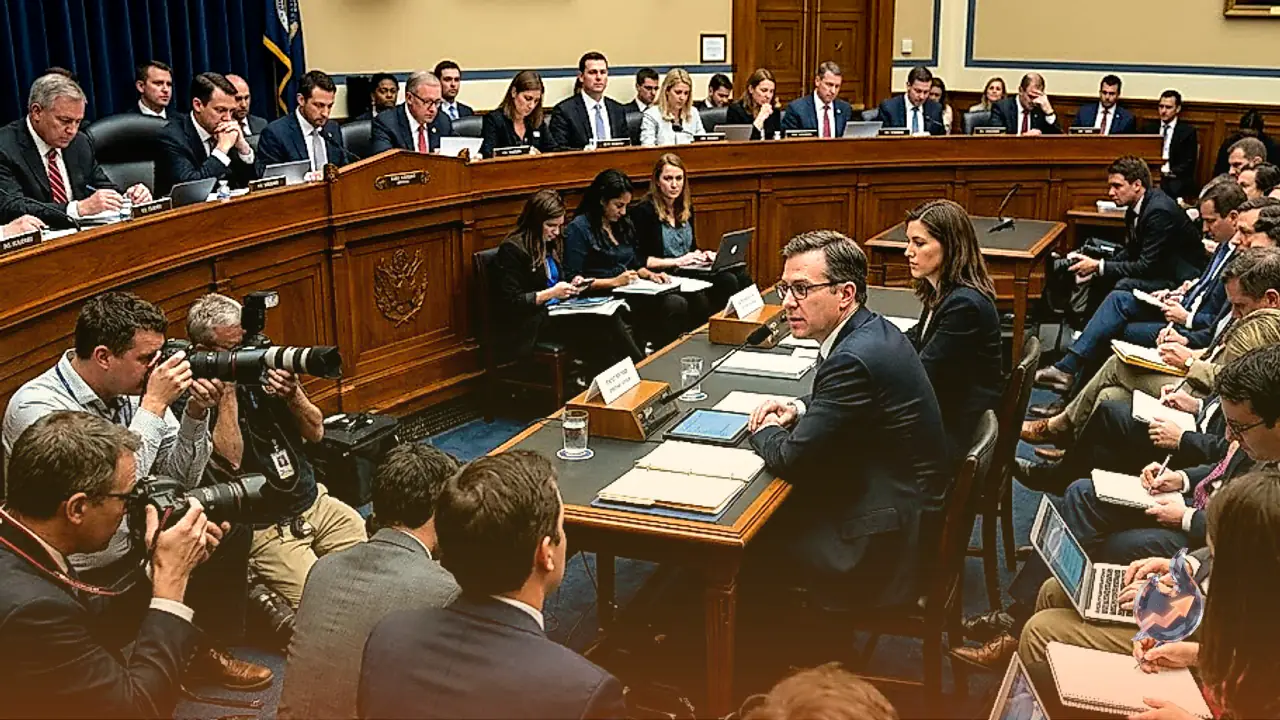
























Tensions between Capitol Hill and federal intelligence authorities have escalated following revelations that the executive branch has withheld a pivotal ruling issued by the Foreign Intelligence Surveillance Court. Handed down approximately seven months ago, the confidential judicial opinion took issue with specialized search filters employed by intelligence analysts to extract the private electronic messages of American citizens from broad intercepted streams without obtaining the formal approvals, documented justifications, or tracking logs mandated by law. Despite highlighting these compliance violations, the court granted another one-year extension for the surveillance machinery. The complete opinion remains strictly classified, prompting Oregon Senator Ron Wyden and California Senator Adam Schiff to note that the government's self-imposed deadline for publishing the decision lapsed in September.
Statutory Deadlines Expire Amid Renewal Pressure
The controversy centers on Section 702 of the Foreign Intelligence Surveillance Act, a powerful electronic spying framework that officially lapsed in June when congressional leaders failed to secure its reauthorization. Collection operations have nevertheless persisted under the judicial authorization approved by the court in March. Under established transparency rules published by the executive branch, landmark surveillance opinions of this magnitude must undergo declassification review within 180 days of issuance. That official window shut on September 13. Intelligence leadership continues to lobby legislators intensely to achieve permanent or long-term statutory renewal before the current calendar year concludes.
Ron Wyden, who serves as the most senior member of the Senate Intelligence Committee, joined former House Intelligence Committee chairman Adam Schiff in demanding accountability. The two lawmakers transmitted a formal inquiry addressed to Director of National Intelligence Jay Clayton and Attorney General Todd Blanche, giving the administration until November 6 to deliver a complete explanation alongside the identities of the specific officials responsible for stalling publication. The lawmakers pointed out that if executive agencies fail to adhere to basic statutory transparency directives, neither the legislature nor the general public can maintain confidence in the government's willingness to respect other mandatory civil liberties protections governing surveillance programs.
Civil Liberties Coalition Demands Total Freeze on Renewal
Mounting pushback from outside government has complemented congressional objections. On Monday, Demand Progress led a broad alliance of 23 civil liberties, digital rights, and privacy watchdog organizations in submitting an urgent petition to congressional leaders. The coalition insisted that lawmakers reject any attempt to renew Section 702 while federal agencies actively conceal legally mandated records explaining the mechanics of the wiretapping system. The coalition bridges traditional political divides, featuring endorsements from progressive groups like the American Civil Liberties Union alongside conservative outfits such as the Project for Privacy and Surveillance Accountability.
The current Trump administration previously faced similar calls from lawmakers and provided assurances that the ruling would be shared. Back in April, Senate Intelligence Committee leaders Tom Cotton and Mark Warner pressed for an expedited release within 15 days to assist legislative debate. During July congressional proceedings, Attorney General Todd Blanche gave an affirmative written commitment when asked if he would ensure the text was declassified within the standard 180-day timetable. Warner's communications director, Rachel Cohen, reiterated that the senator expects compliance with the bipartisan mandate, noting that prior leaders, including former intelligence director Tulsi Gabbard and brief acting director Bill Pulte, had failed to facilitate transparency.
Filter Mechanisms and Unmonitored Search Queries
Neither Senator Tom Cotton's office nor executive agencies responded to requests for clarification on the ongoing delay, with the White House, the Justice Department, and the Office of the Director of National Intelligence declining comment. When questioned prior to his Senate confirmation, Director of National Intelligence Jay Clayton stopped short of an absolute guarantee regarding timing, asserting only that officials were actively working to declassify the document while pointing out that members of Congress possessed access to the classified text through secure channels.
Elements of the underlying judicial critique reflect operational patterns identified in past reviews. A previously declassified surveillance court ruling described an FBI system designated as the participants filter. That software mechanism enabled field investigators to single out individuals in communication with targeted foreign figures and inspect their message logs directly. In February 2025, the Justice Department's National Security Division admitted to the court that the utility had been executing voluminous queries that went unrecorded. Although the bureau temporarily deactivated the filter the following month, it resumed operation later in the year once a modified framework cleared department review.
Judicial Directives and Disputed Compliance Figures
The findings rendered in this year's decision proved even more consequential. According to administration briefing materials provided to lawmakers in April, the surveillance court determined that technical mechanisms used by intelligence bodies to isolate American communications within collected foreign data streams constitute full searches under federal law. Consequently, the court required agencies to completely redesign these filtering utilities to bring them into compliance with constitutional and statutory limits. Disclosures made by Senator Alex Padilla indicate that the Justice Department is actively contesting portions of that judicial order through an appeals process, specifically resisting restrictions imposed on government filtering capabilities.
Throughout the period the court order remained suppressed, intelligence agencies circulated promotional documentation. A series of seven fact sheets published in March 2026 claimed an overall 98.9 percent regulatory compliance rate across FBI searches involving domestic targets. The publications also highlighted how surveillance derived from Section 702 helped foil an attempted terrorist attack targeting a Taylor Swift concert in Vienna. Conspicuously absent from these summaries was any reference to the surveillance court's adverse rulings. Furthermore, independent oversight reports, such as the Justice Department inspector general audit from October 2025, documented a lower compliance benchmark of 98.6 percent and cautioned that recurring compliance failures by FBI investigators had not been conclusively resolved.
Structural Changes and Capitol Hill Warnings
The promotional fact sheets insisted that internal FBI auditors meticulously verify every single domestic query. In reality, FBI Director Kash Patel disbanded the bureau's dedicated Office of Internal Auditing last May, transferring remaining personnel into separate operational divisions. Compounding the oversight void, historical query totals compiled prior to 2025 entirely excluded queries processed through the participants filter, leaving an extensive volume of searches that government privacy monitors acknowledge are practically impossible to audit.
Lawmakers familiar with the classified opinion emphasize that its contents raise sweeping constitutional issues. Senator Dick Durbin urged fellow senators during a floor speech in June to review the text within a secure facility, stating that reading the findings firsthand fundamentally alters one's perspective on the scope of FISA and the preservation of domestic privacy. Senator Ron Wyden similarly cautioned that successive presidential administrations have leaned on secret legal interpretations of surveillance statutes while refusing to let the public inspect the legal architecture. The current authorization from the court remains valid through March, while the executive branch faces a November 6 deadline to answer congressional inquiries. Privacy advocates express concern that leadership could attempt to bypass open legislative floor fights by attaching an extension to the National Defense Authorization Act in December, replicating the short-term four-month extension executed in 2023.