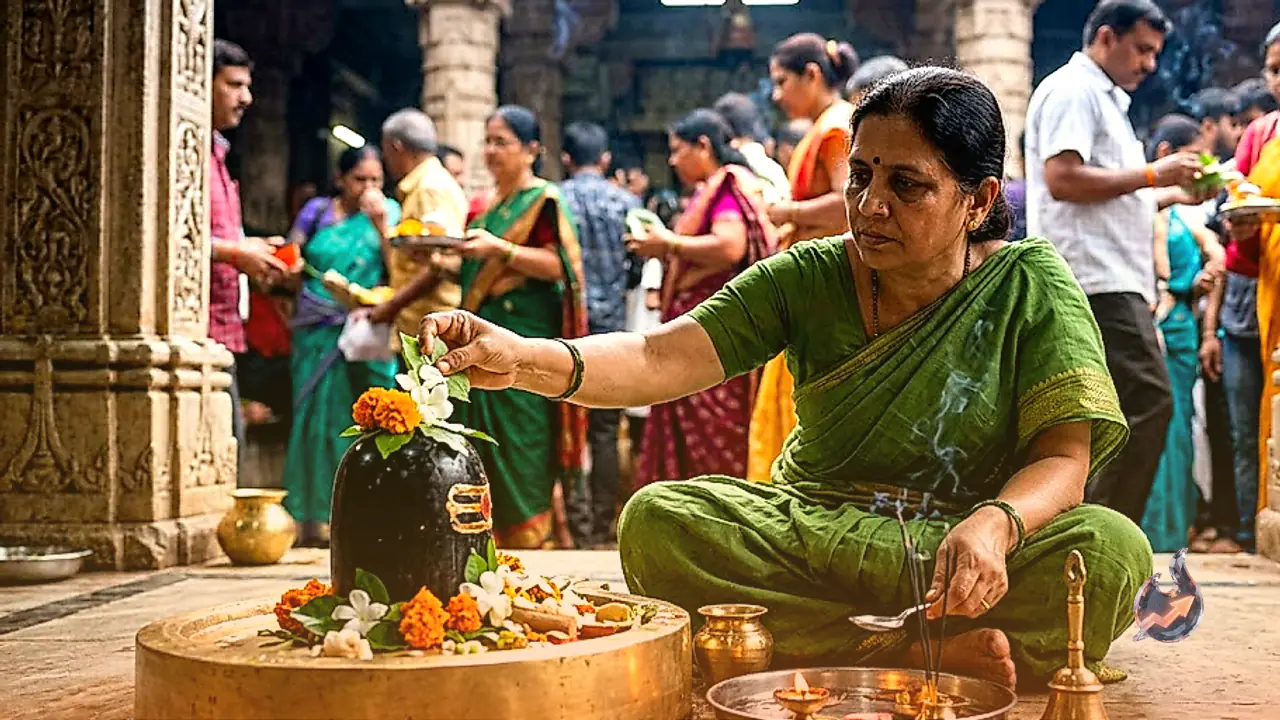

























According to the traditional Hindu calendar comprising twelve months in a year, the month of Margashirsha is now approaching its conclusion. Following its end, the tenth month of the calendar, known as Paush or Push, begins on December 5. The arrival of this period also marks the beginning of Kharmas, a phase during which auspicious personal ceremonies including weddings, marriages, mundan ceremonies, and sacred thread initiations are completely paused. However, spiritual worship, prayers, and religious observances face no restrictions during this entire duration. Across the calendar, reverence offered to the holy basil plant holds exceptional spiritual value, as it is venerated as an embodiment of Goddess Lakshmi, and worshiping Tulsi during this month is believed to bestow happiness, prosperity, and sound health.
The Powerful Ekadashi Ritual Ahead of Sankranti
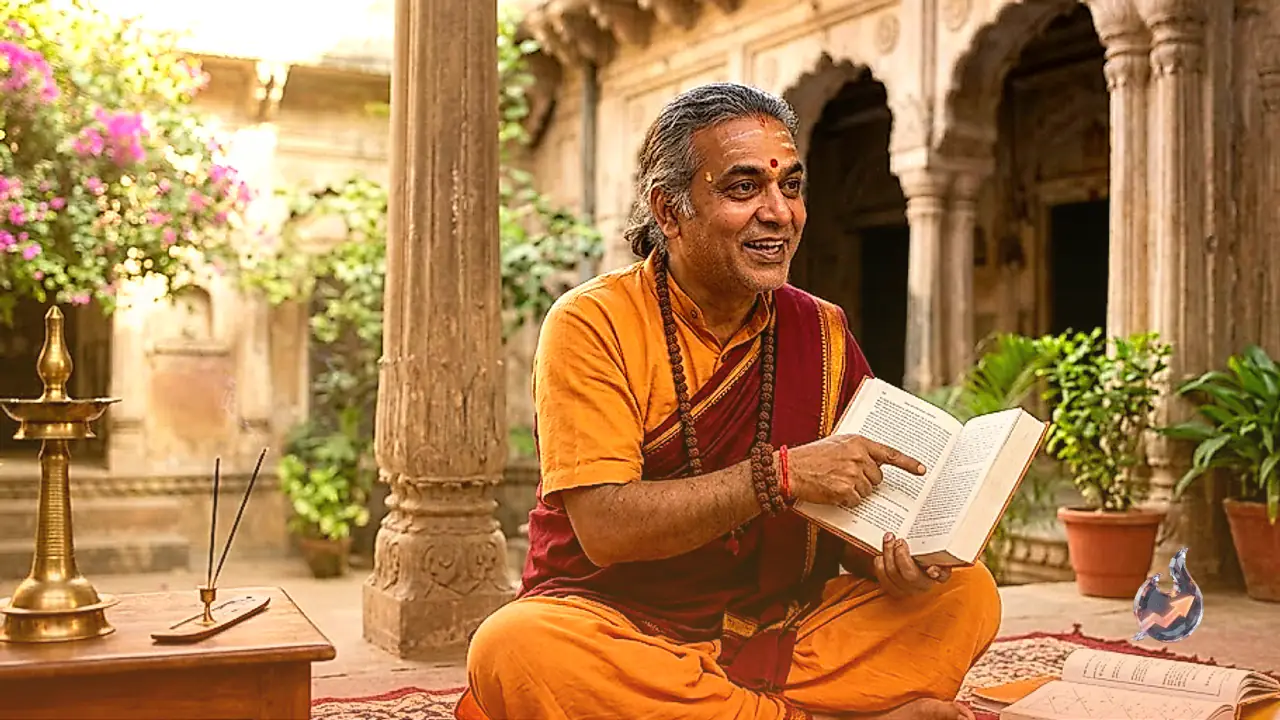
Pramod Shringari, a priest associated with the Baidyanath Jyotirlinga in Deoghar, highlighted that the arrival of the Paush month on December 5 offers an essential opportunity for regular Tulsi worship to enhance peace and abundance. Looking at the upcoming dates, Sankranti falls on December 16, preceded by the Ekadashi of the Paush month just one day earlier. A dedicated practice performed on this specific Ekadashi date is considered deeply transformative for removing major life hurdles.
As explained by priest Pramod Shringari, devotees can undertake a special offering by writing the Vishnu Sahasranama on Tulsi leaves using chandan paste. One sacred name must be inscribed on each individual leaf, completing a count of one thousand leaves within a single day. Offering these one thousand inscribed leaves at the feet of Lord Vishnu on Ekadashi is said to alleviate all ongoing distress and establish lasting joy and prosperity in the household.
Daily Worship Guidelines and the Role of Charity
The temple priest also detailed the essential practices required for routine worship throughout the month. Devotees are advised to offer clean water along with ghee to the Tulsi plant on a daily basis. Presenting a traditional chunari to the plant and lighting a ghee lamp beside it every evening pleases Goddess Lakshmi, ensuring that the household remains free from monetary distress. Furthermore, engaging in charitable acts throughout the month of Paush helps nullify adverse planetary and astrological influences.