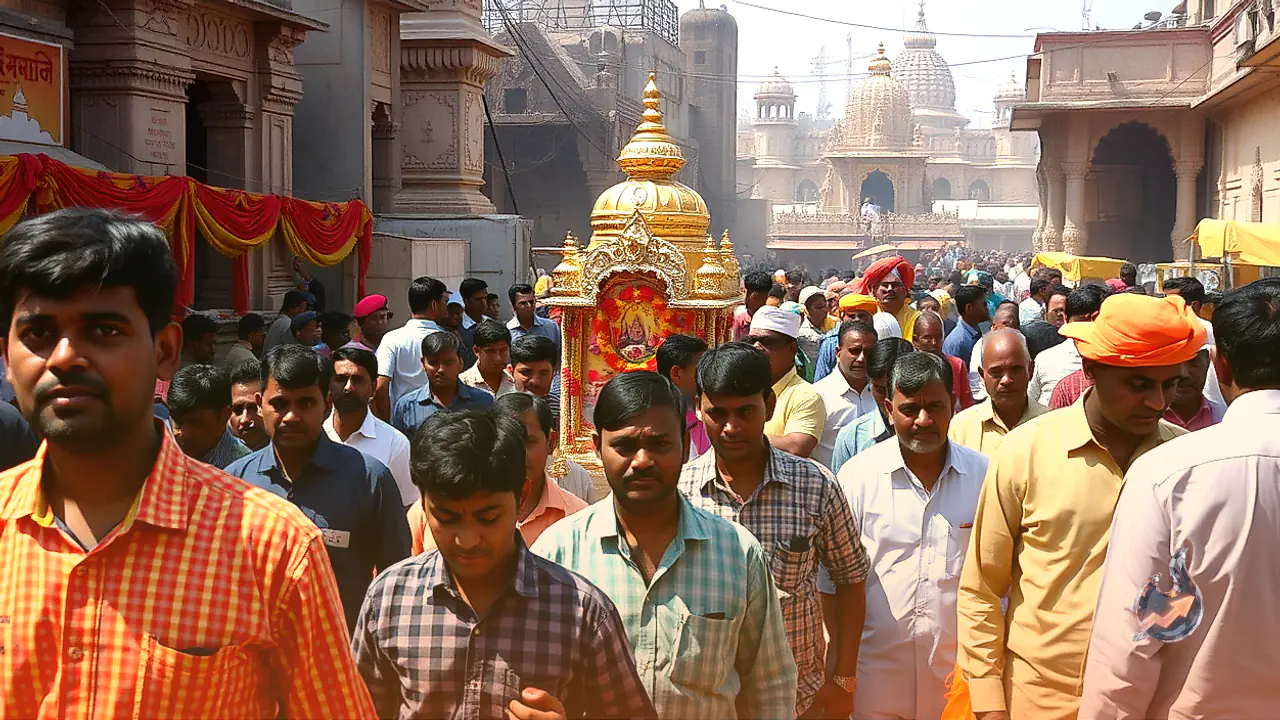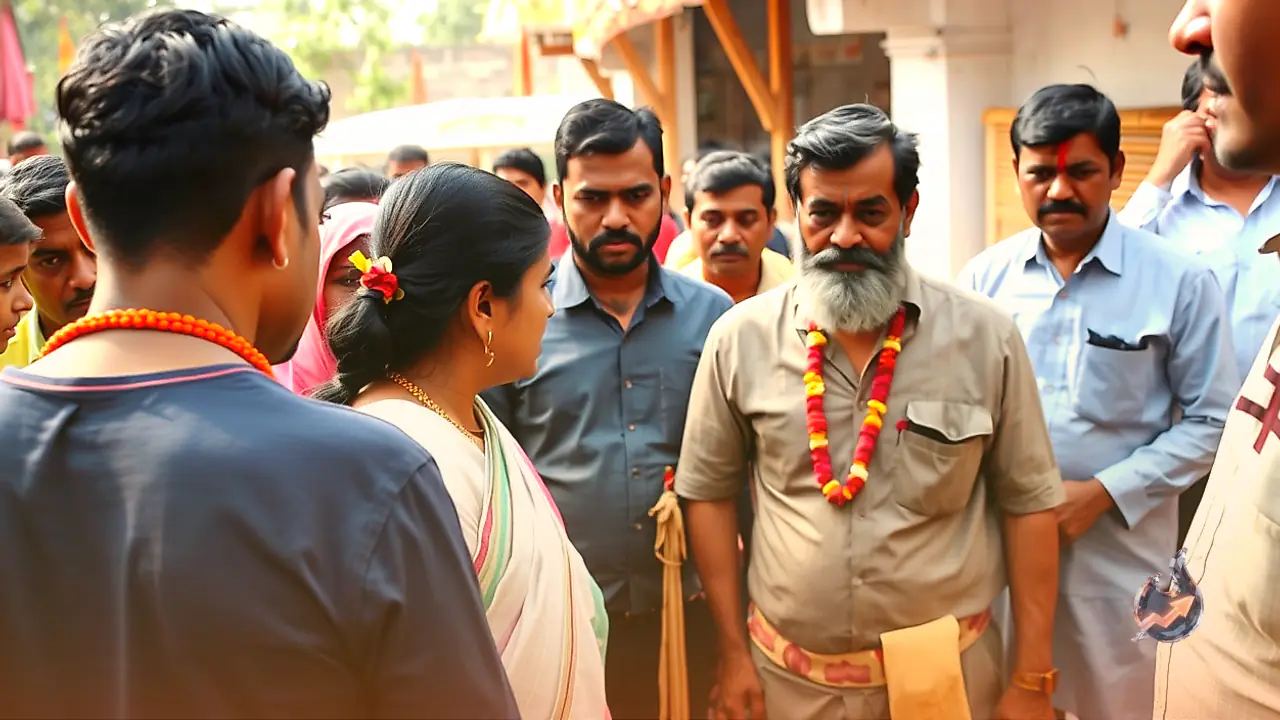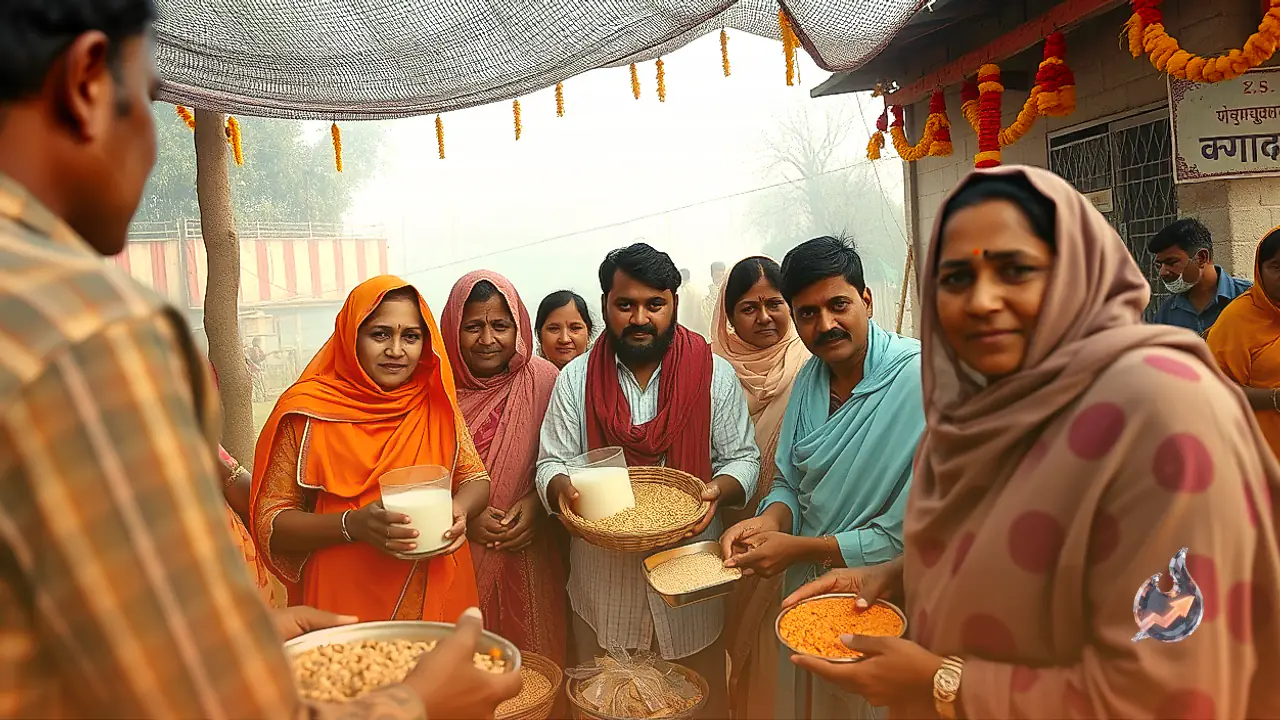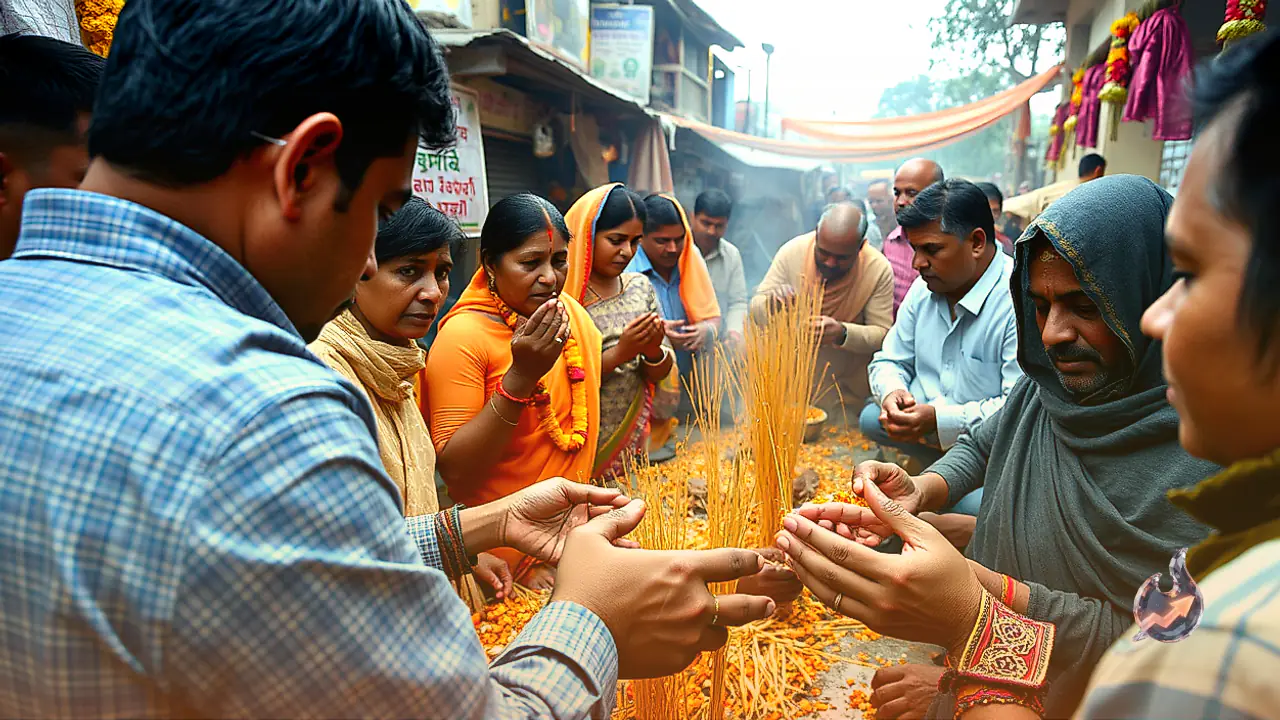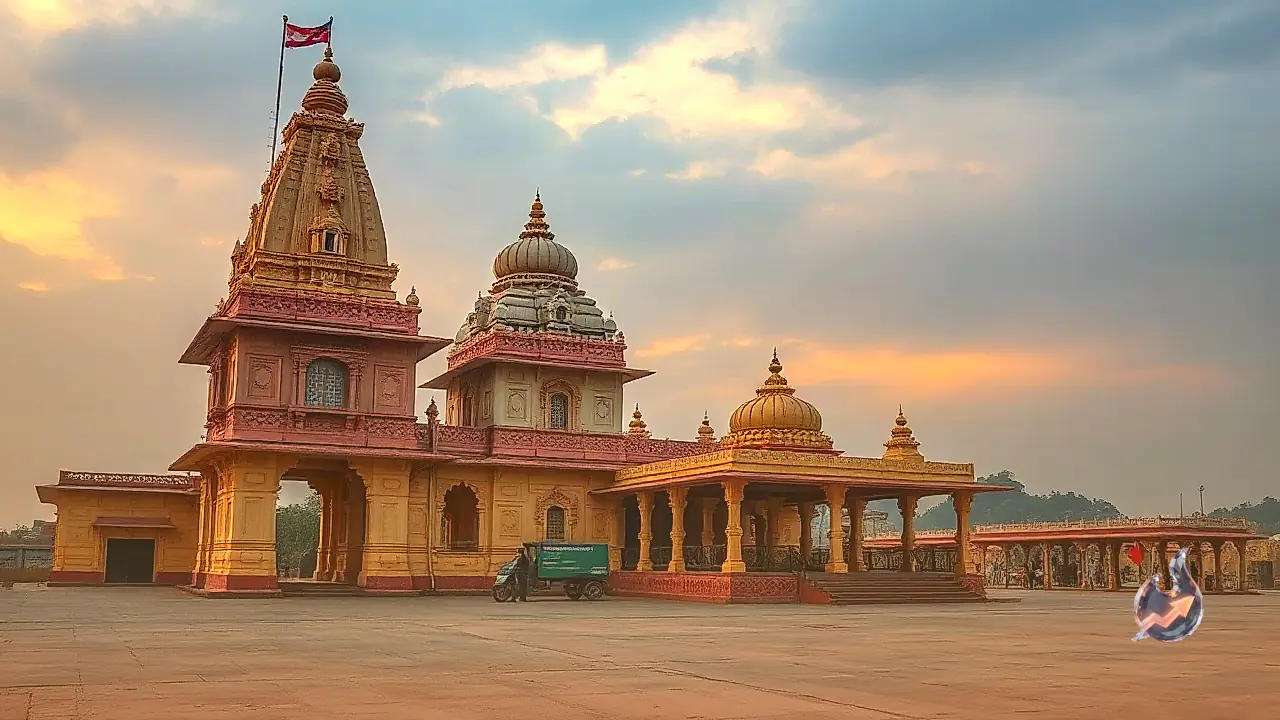

















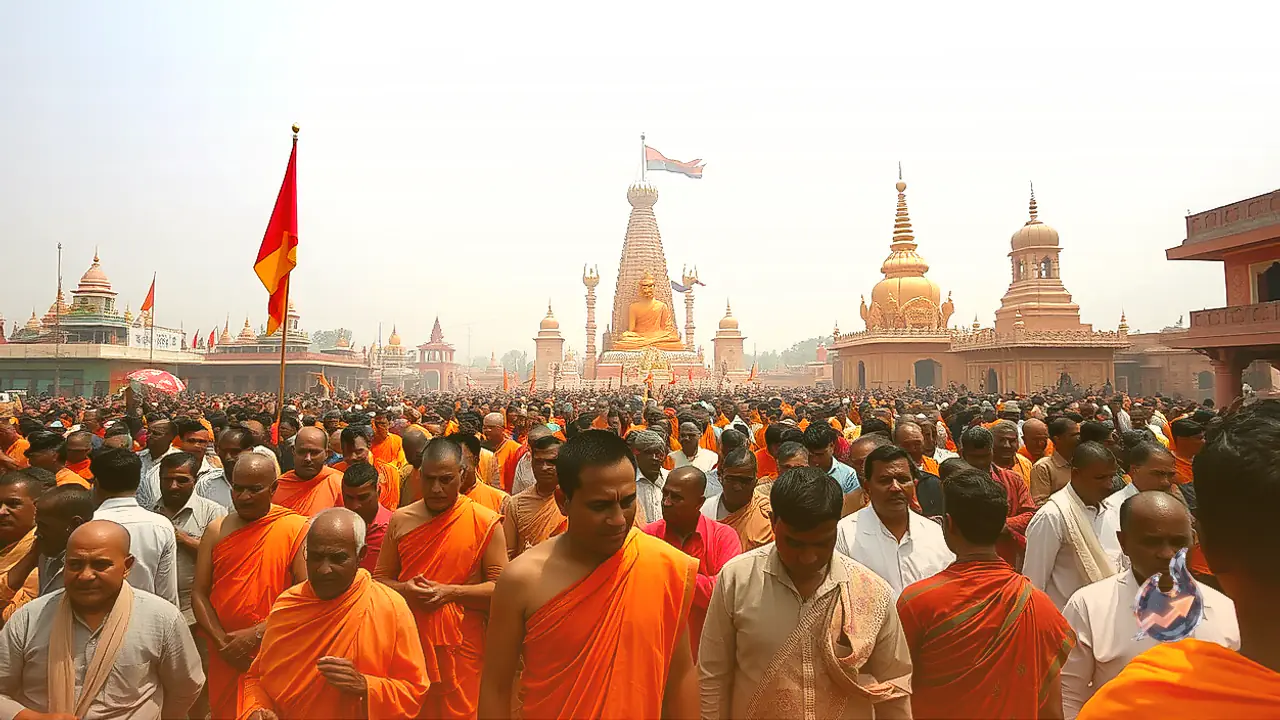

Situated in the Gaya district of Bihar, Bodhgaya is celebrated across the globe as the sacred seat where Gautama Buddha attained supreme enlightenment and as the home of the Mahabodhi Temple, a prominent UNESCO World Heritage Site. Running parallel to this revered Buddhist identity is an ancient, lesser-highlighted connection to the ancestral rites of Pitru Paksha. Sanatan tradition accords profound spiritual merit to offering Pind Daan and tarpan on this consecrated soil. Each year during Pitru Paksha, thousands of pilgrims from across India and abroad journey here seeking spiritual deliverance and peace for the souls of their departed ancestors. Within Hindu religious thought, the Buddha is venerated as the ninth incarnation of Lord Vishnu, forming the theological foundation that has sustained ancestral offerings within the temple grounds across generations.
The Sanctity of Muchalinda Lake and Three Ancient Altars
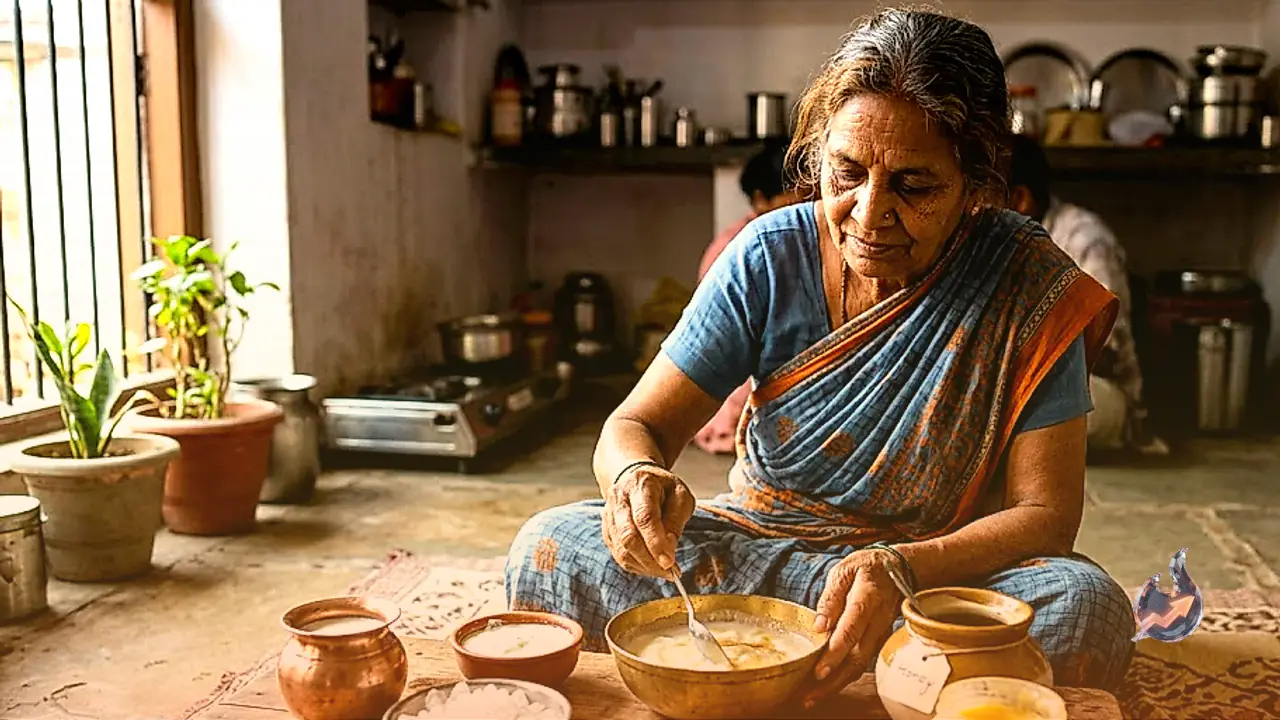
Throughout Pitru Paksha, devout families gather across the Mahabodhi Temple premises, near the holy waters of Muchalinda Lake, and around adjacent sanctified locations to conduct Vedic shraddha and Pind Daan ceremonies. Ancient religious texts and local folklore spotlight three pivotal altars, known as pindvedis, within the sacred geography of Bodhgaya: Dharmaranya, Matangavapi, and Saraswati. Performing ancestral offerings at these designated sanctuaries is believed to bring profound fulfillment to departed forebears. Furthermore, the Skanda Purana details specific injunctions for offering water oblations in the Muhane River situated adjacent to the Saraswati pindvedi, giving rise to specialized ceremonial rites along its riverbanks during this fortnight of remembrance.
Pre-1980s River Crossings and Historic Mahabodhi Rites
The practice of offering pindas at the Mahabodhi Temple carries deep historical resonance. Local historians and community elders observe that prior to the 1980s, when no permanent bridge spanned the Falgu-Niranjana River, devotees undertook an arduous walking sequence. Pilgrims would first complete their Vedic rituals at the Dharmaranya, Matangavapi, and Saraswati altars before making their way across the riverbed directly to the Mahabodhi Temple compound. Once inside the sacred boundary, they would perform the conclusive rites of Pind Daan. The entire pilgrimage reached its fulfillment as pilgrims bowed before the sanctum of the Buddha and paid reverent homage beneath the sacred Bodhi Tree, a traditional progression that many devout families observe faithfully to this day.
Harmonious Coexistence of Sanatan and Buddhist Heritage
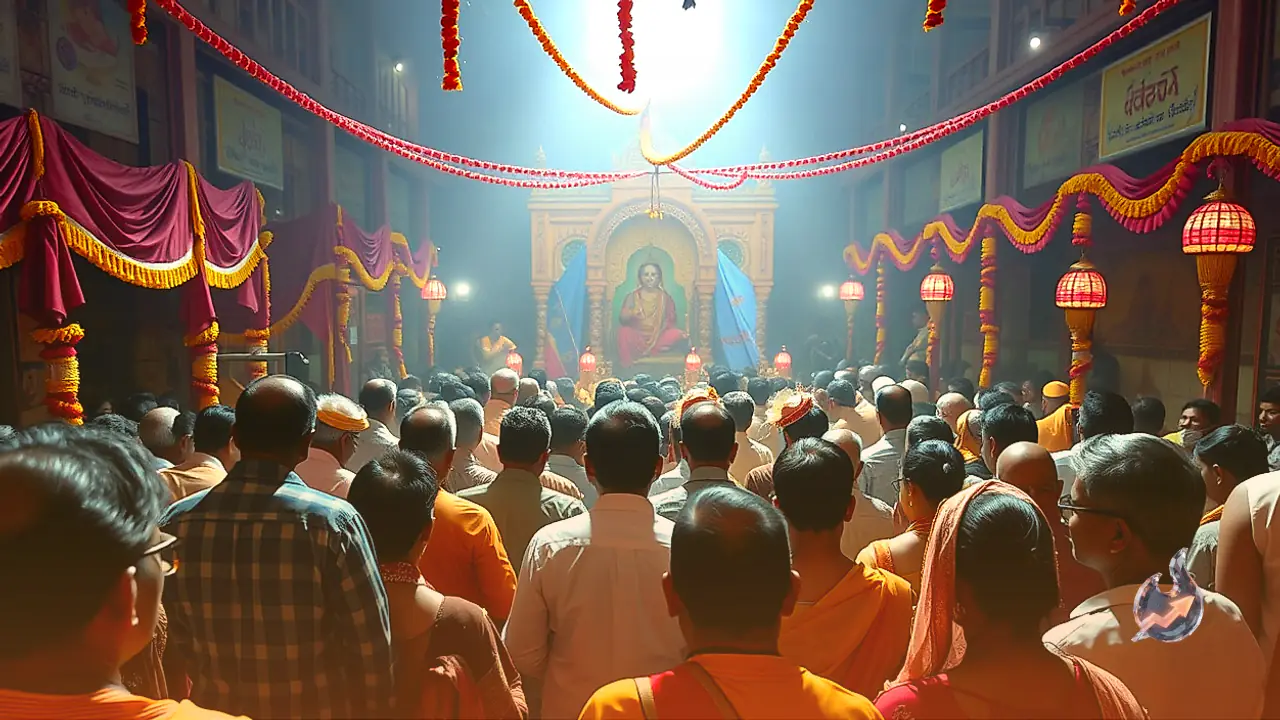
Geographically and spiritually, Gaya and Bodhgaya function as complementary centers of ancestral remembrance. While the Vishnupad Temple in Gaya stands as the preeminent global center for Hindu funeral rites and Pind Daan, the concurrent rites carried out in Bodhgaya establish an exceptional bridge uniting Sanatan and Buddhist cultural heritage. Typically, pilgrims conclude their primary oblations at Vishnupad Temple before proceeding onward to Bodhgaya to seek blessings and offer prayers at the Mahabodhi Temple. Throughout this fortnight, the spiritual aura of Bodhgaya shifts markedly as Vedic hymns and Sanskrit chants echo continuously from dawn until dusk along the temple courtyards and sacred ghats. Priests from across diverse Indian states guide devotees through step-by-step rituals designed to ensure ancestral liberation and secure lifelong blessings for the living family.
The 1990s Dispute and the Decision to Protect Tradition
The continuity of these rituals inside the Mahabodhi Temple complex has not been without historical debate. During the 1990s, the All India Mahabodhi Mahavihar Mukti Andolan Samiti voiced formal opposition, demanding an outright cessation of Pind Daan ceremonies within the inner premises of the monument. The committee maintained that such Vedic rituals ought not to be practiced inside a Buddhist shrine. However, the temple management of that period declined to institute the proposed prohibition, choosing instead to protect and preserve an organic ritual tradition that had evolved across centuries. Following this institutional reaffirmation, the performance of Pind Daan within the Mahabodhi temple premises continued unimpeded and remains an integral expression of syncretic devotion.
Sixteen Days of Mahalaya and Administrative Preparations
The annual cycle of Pitru Paksha commences on the Pratipada tithi of the Hindu lunar month of Ashwin and reaches its culmination on the day of Sarvapitri Amavasya. Spanning a period of 16 days, this solemn observance is widely designated as 'Solah Shraddha' or 'Mahalaya Paksha'. Traditional belief holds that daily, disciplined offerings of water, sesame, and barley cakes to one's lineage free individuals from Pitru Dosha and relieve them of ancestral debts. In view of the vast influx of pilgrims arriving during this window, the local administrative authorities in Bodhgaya implement elaborate logistical arrangements. Dedicated reinforcements are deployed for public safety, orderly traffic flow, potable drinking water, healthcare access, and designated worship zones. Specialized navigational guidance facilitates transit between the dispersed pindvedis and river ghats, maintaining Bodhgaya as a welcoming crossroads of shared faith.