




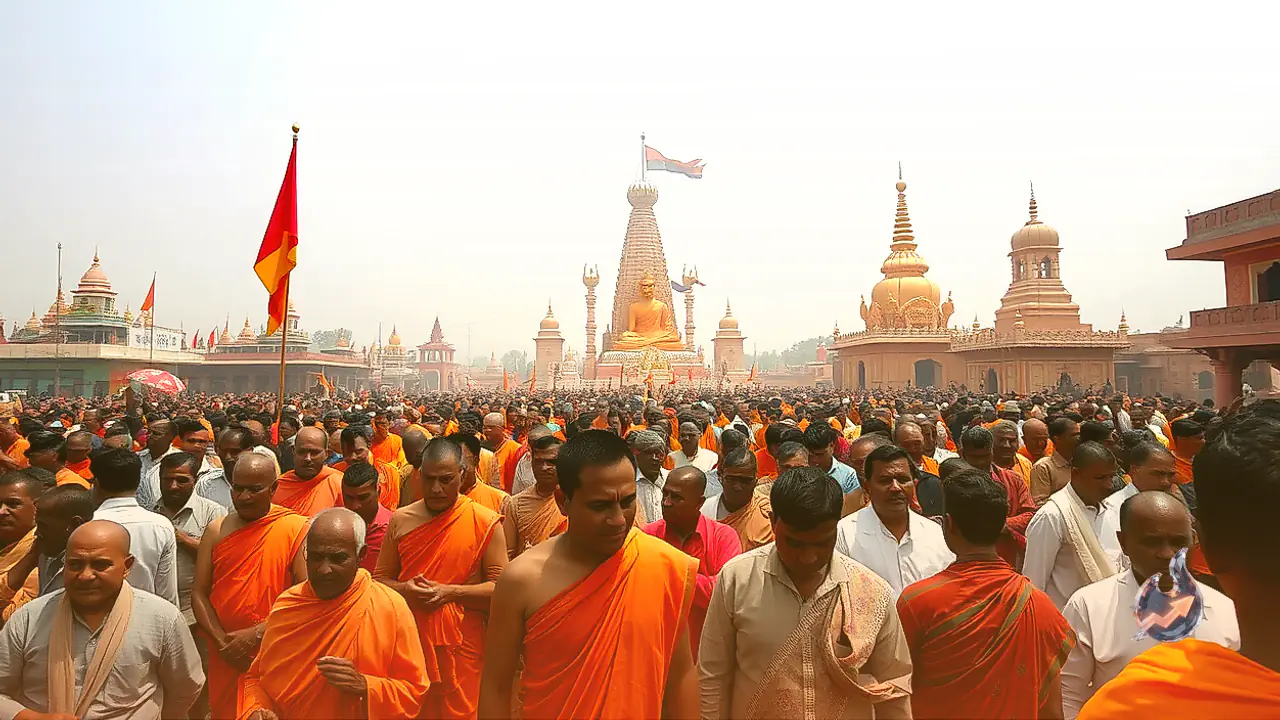















Across the traditional lunar calendar, the arrival of the major Kartik fortnight marks the resumption of auspicious ceremonies after a prolonged four month pause. Out of the twenty-four fasting days observed throughout the annual cycle, this occasion holds unmatched spiritual prominence because it heralds the awakening of Lord Vishnu from his yogic sleep. The period of Chaturmas, dedicated to austerity and spiritual discipline, officially draws to a close on this date, unlocking favorable timings for weddings, housewarming ceremonies, and tonsure rituals.
Observance Date Confirmed for 2025
According to astronomical calculations, this sacred festival will be celebrated on Saturday, November 1, 2025. Dr. Kunal Kumar Jha, head of the postgraduate department of astrology at Kameshwar Singh Darbhanga Sanskrit University, noted that devotees will undertake the traditional fast on this specific Saturday to venerate the preserver of the universe. The occasion signals a vibrant return to festive community life following months of inward reflection and restraint.
Waterless Fasting Rules and Concluding Rituals
The code of conduct governing this observance requires absolute physical discipline. Regarding the strict guidelines of the day, Dr. Kunal Kumar Jha affirmed that "even water is not consumed on the day of Dev Uthani Ekadashi." Devotees adhere to a rigorous waterless fast from dawn until the evening deities are awakened, after which they may take a light meal of fruits. The spiritual exercise is designed to cultivate inner purification and mental steadfastness.
The formal conclusion of the observance, known as parana, takes place the following morning on Sunday, November 2, 2025. According to customary directives, the fast is broken by consuming sacred tulsi leaves or bilva leaves following the completion of dawn prayers. Providing meals and offerings to Brahmins forms an essential prerequisite before observers partake in their regular food, ensuring the spiritual completion of the vows.
Sacred Invocations and Divine Awakening Ceremonies
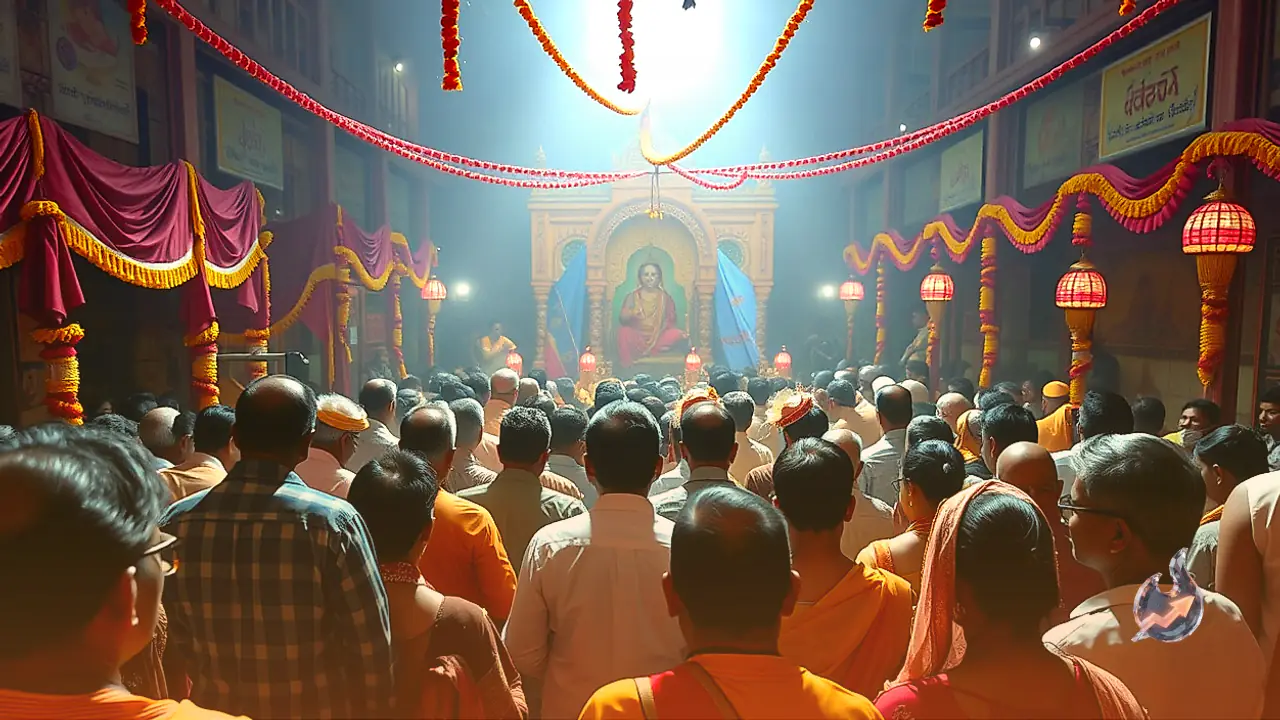
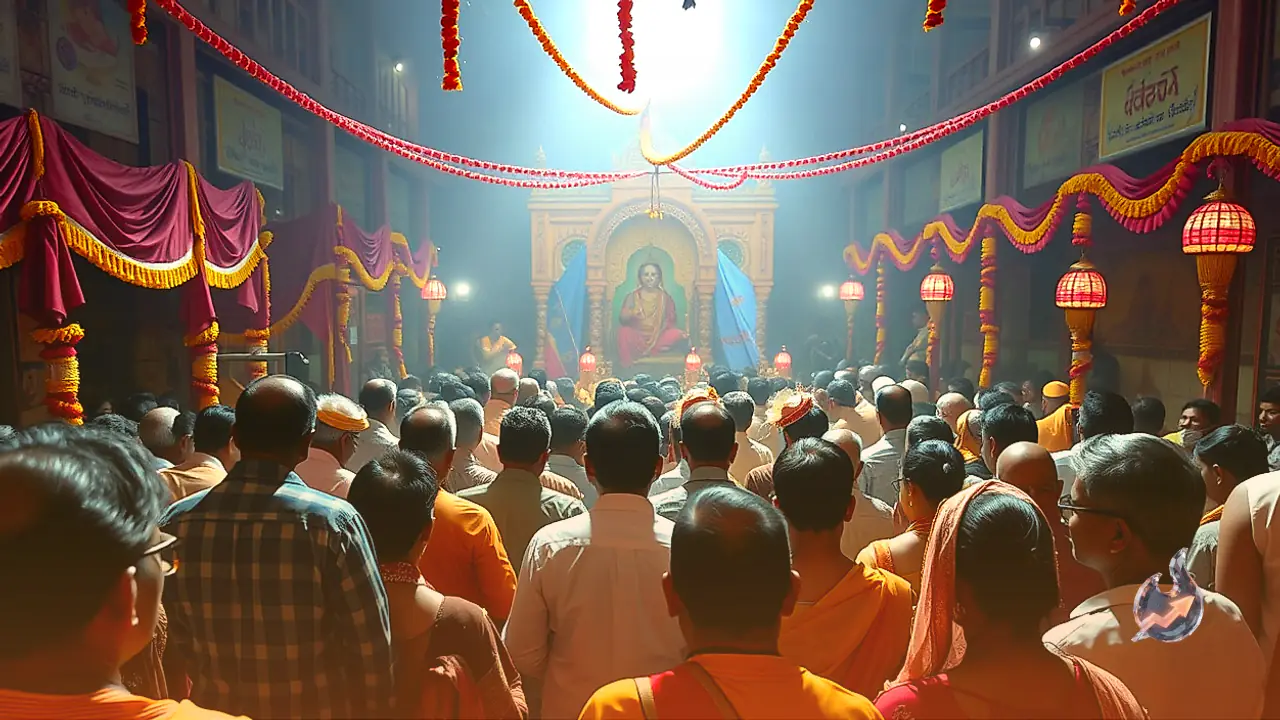
During the evening worship, families gather around symbolic altars adorned with the four divine emblems of the deity, including the conch, mace, discus, and lotus. Hymns and ancient Sanskrit invocations resonate as devotees gently urge Govinda, the lord of creation, to relinquish his slumber so that balance and prosperity may be restored across all three realms. Homes are decorated with oil lamps, sweet delicacies are prepared, and congregations participate in melodious devotional singing and recitations of sacred lore.
Societal Renewal and Auspicious Milestones
Beyond individual devotional practices, the day ushers in wide practical significance for households across the region. With the end of the four-month restrictions on sacraments, families finalize marriage dates, inaugurate newly built residences, and arrange community feasts. The observance serves as an enduring reminder of spiritual vigilance, ethical responsibility, and the rhythmic renewal of societal joy.