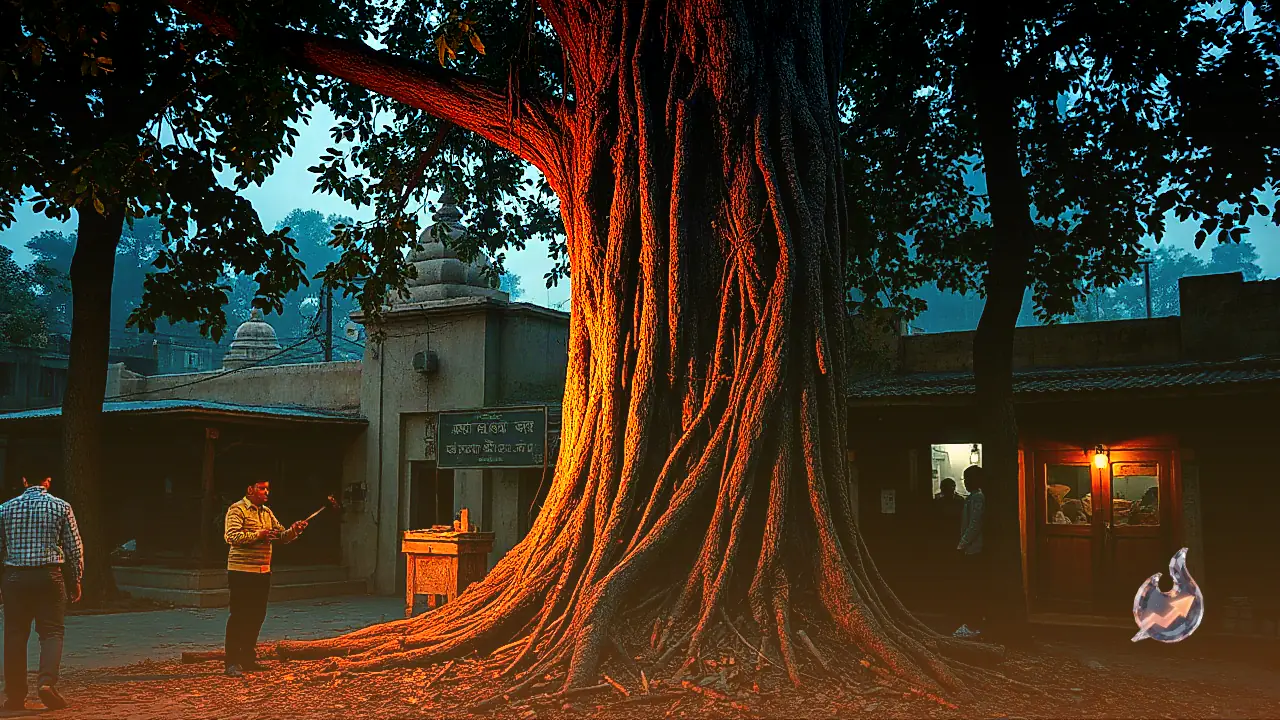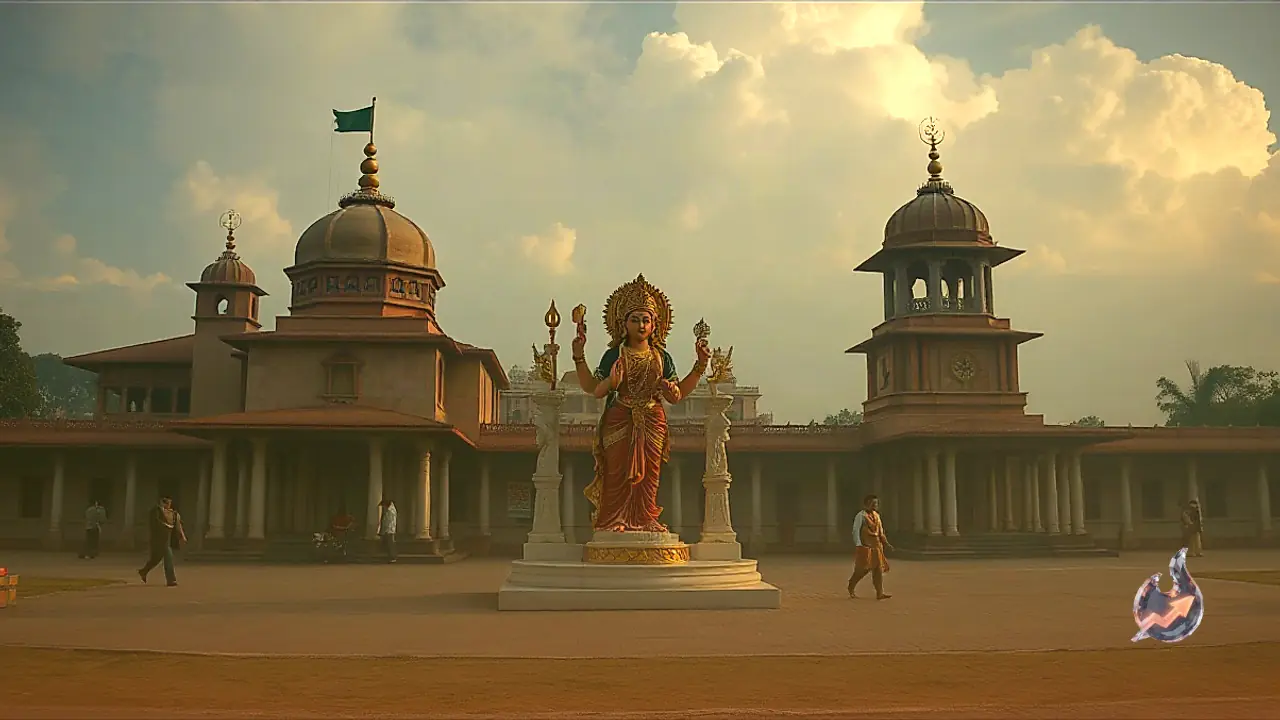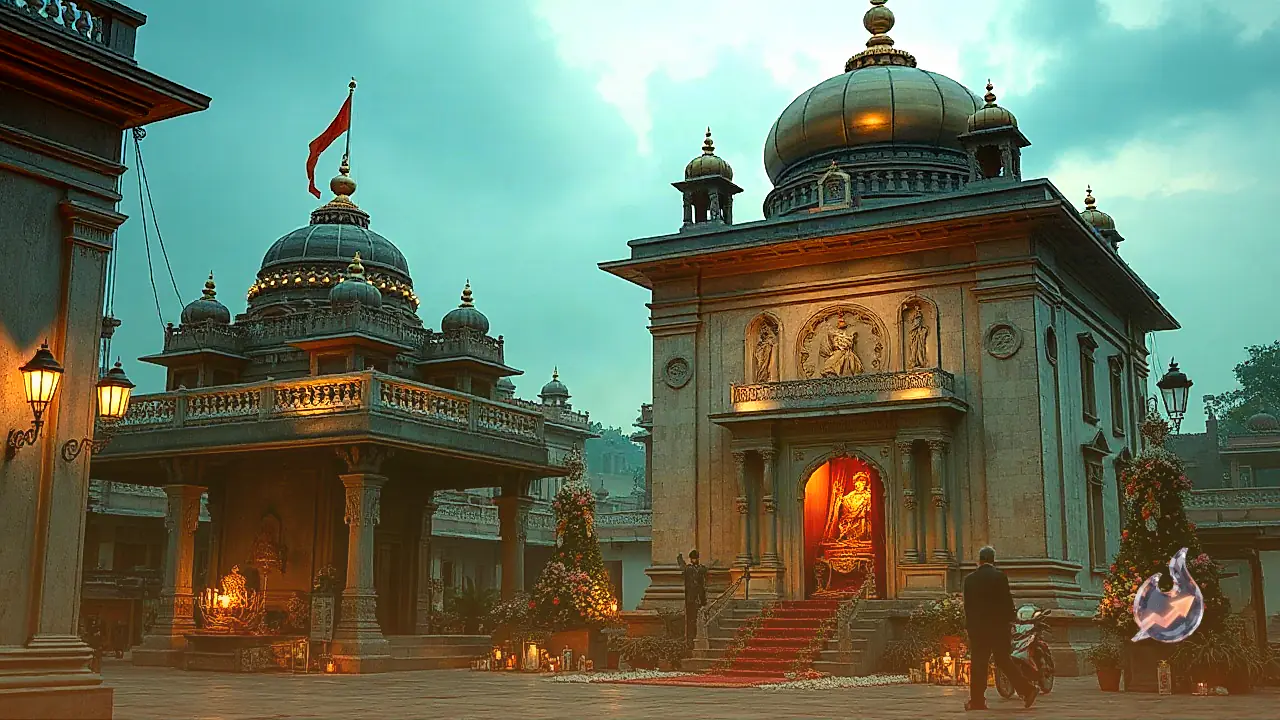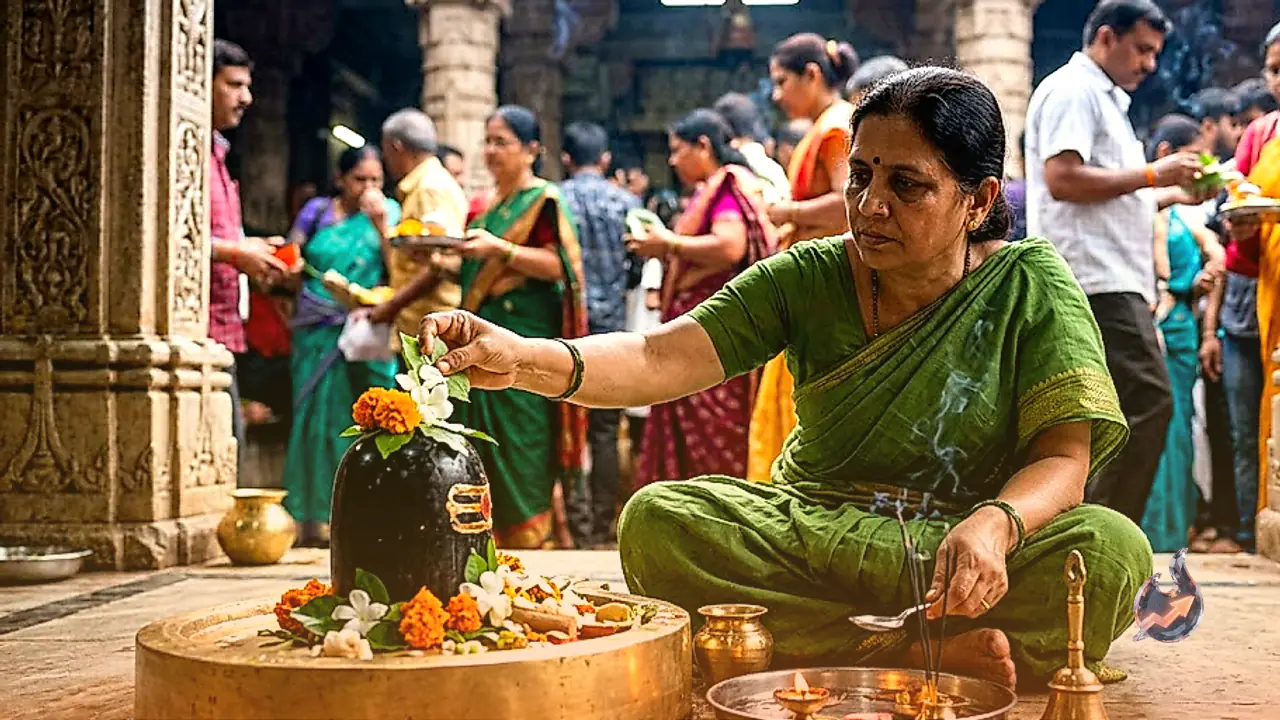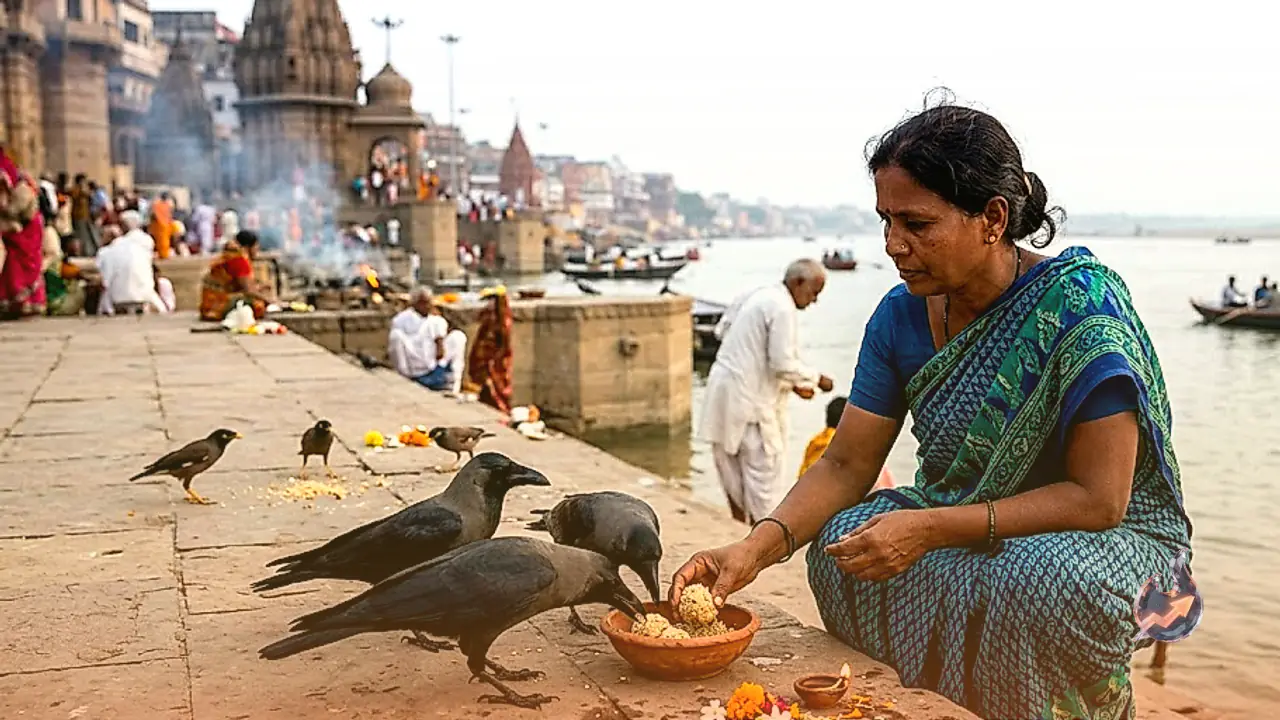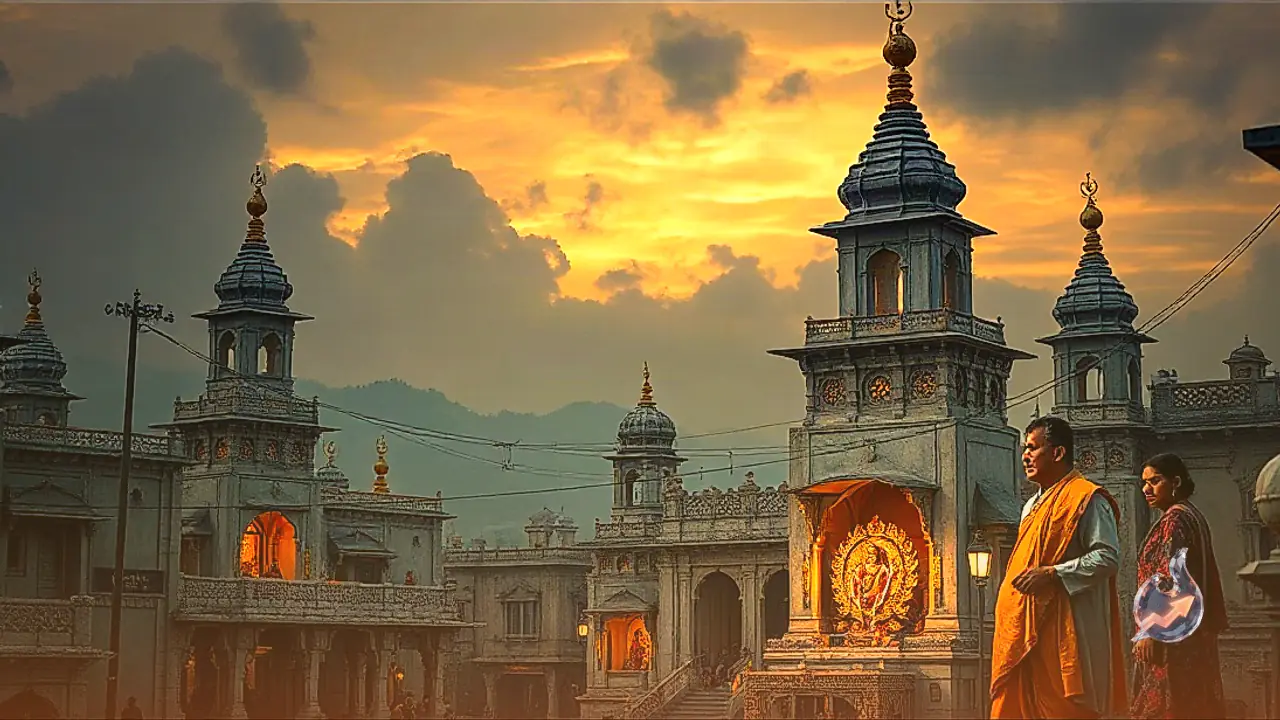


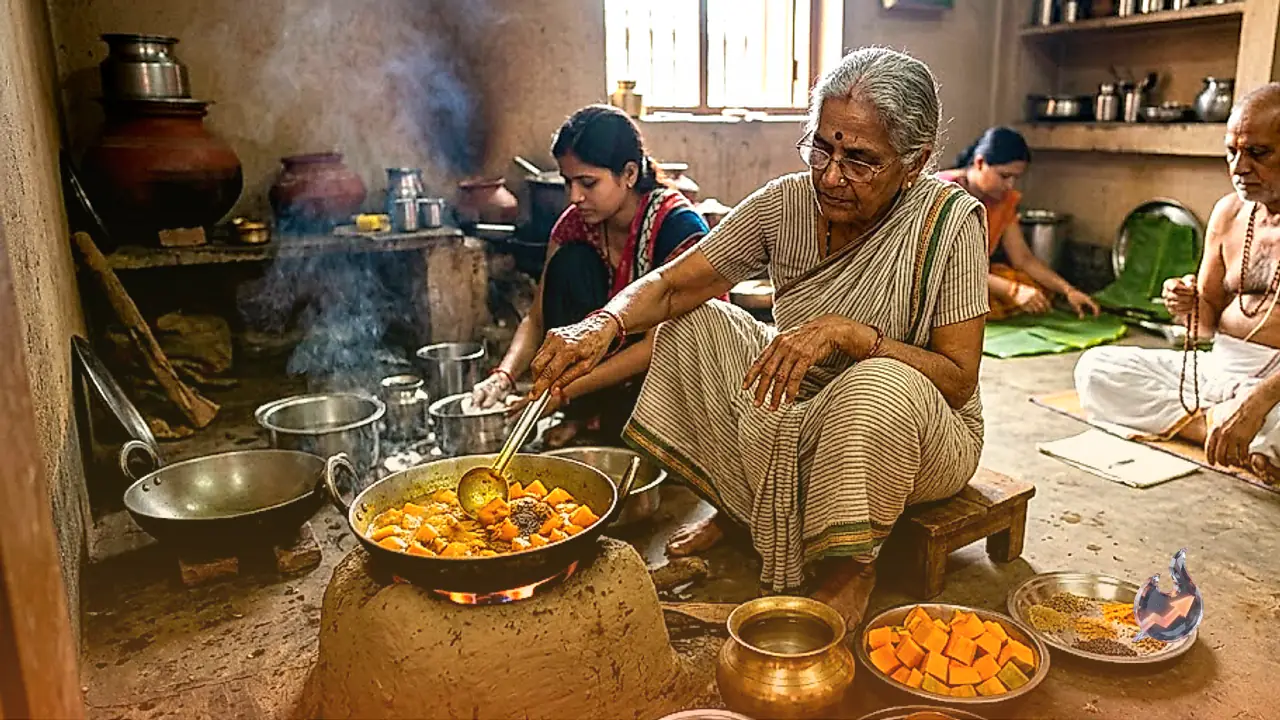




















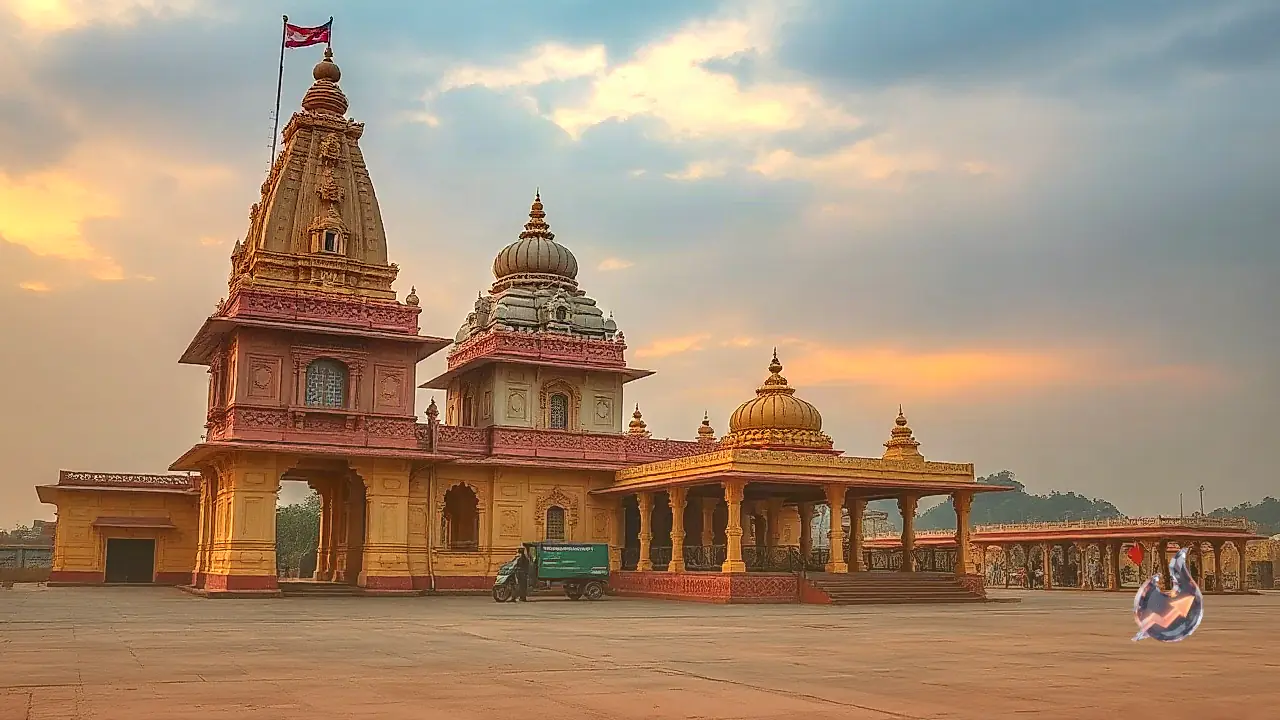

In Vedic traditions, performing Shraddha, Tarpan, and Pind Daan carries immense significance for honoring ancestors and ensuring their onward spiritual journey. Ancient scriptures emphasize that religious ceremonies conducted on behalf of departed souls at designated sacred shrines bring them enduring tranquility and higher liberation. Every year, countless devotees travel to these sanctified riverbanks across India to remember their forebears with reverence. Shrines such as Shoolpaneshwar Mahadev along the Narmada, the Dakshin Prayag of Chandod in Gujarat, and the venerable Amma Mandapam Ghat along the Cauvery in southern India have long been held as supreme destinations for ancestral ceremonies. Deep-rooted mythological lore, monumental heritage, and timeless rituals make each of these sites a beacon of spiritual liberation.
The Legend of Shoolpaneshwar Mahadev and Divine Cleansing
Located on the banks of the sacred Narmada River in Gujarat, the pilgrimage of Shoolpaneshwar Mahadev serves not merely as a shrine of worship, but as a renowned sanctuary for absolution from sins and spiritual rejuvenation. According to mythological accounts, when Bhagwan Shiva slayed the formidable demon Andhakasura, his invincible trident, known as Shool, became stained by the demon's tainted blood. Seeking to cleanse and sanctify his weapon, Mahadev journeyed across the entire Earth before eventually descending upon the banks of the Narmada. There, he thrust his trident into the ground, causing a pristine stream of pure water to emerge miraculously, washing away all impurities from the divine weapon.
At that very sacred spot, a self-manifested (Swayambhu) Shivling appeared, personally consecrated by Bhagwan Shiva, earning the sanctuary its revered name of Shoolpaneshwar. Historically, this shrine stood in the dense forests and cascading waterfalls of Manibeli village along the Maharashtra border. However, in 1994, following the construction and rising waters of the Sardar Sarovar Dam, the ancient temple structure and original Shivling were submerged. In response, the Government of Gujarat erected a magnificent new Shoolpaneshwar temple on higher ground near Gora Bridge close to Ekta Nagar (Kevadia). Popular belief holds that taking a holy dip in the Narmada here and performing tarpan for one's ancestors purges even the gravest transgressions, establishing it as an exceptionally sacred location for Pind Daan.
Dakshin Prayag Chandod and the 1,000-Year-Old Malhar Rao Ghat
A vital stop on the journey of ancestral appeasement is the historic town of Chanod, commonly referred to as Chandod, situated within Dabhoi taluka of Vadodara district in Gujarat. Due to its unique geographic configuration and profound spiritual aura, the sacred destination has been bestowed with the title of Dakshin Prayag (Southern Prayag). Mirroring the famed confluence of northern India, Chandod witnesses the sacred Triveni Sangam of three streams: the Narmada, the Orsang, and the subterranean Saraswati. For posthumous rites, the immersion of mortal remains (asthi visarjan), and Pind Daan, Hindu tradition regards this confluence as among the holiest sanctuaries nationwide.
The ghats lining Chandod enrich its reputation with centuries of heritage, most notably the legendary Malhar Rao Ghat, constructed nearly 1,000 years ago. Historical records and local folklore narrate that an official serving Malhar Rao Holkar, the father-in-law of Ahilyabai Holkar, had misappropriated substantial wealth from the royal exchequer. When the hidden riches were eventually recovered beneath a sacred Tulsi plant, the ruler decided against returning the treasure to private stores, dedicating the entirety to religious philanthropy and public welfare by commissioning this grand riverbank monument. Spanning 60 feet in width with 64 stone steps, the ghat allows pilgrims to board wooden boats directly into the center of the Triveni Sangam, where Vedic mantras accompany the performance of Pind Daan for the peace of ancestral souls.
Srirangam's Amma Mandapam: The Cauvery's Southern Beacon
Looking southward toward Tamil Nadu, the cultural landscape of ancestral worship finds its pinnacle at the Amma Mandapam Ghat in Srirangam, located in the Tiruchirappalli district. Nestled along the banks of the sacred Cauvery River, this centuries-old ghat has attained global renown among the Hindu diaspora for traditional obsequies, particularly Pitru Tarpanam and Pind Daan. In southern tradition, the Cauvery is revered with the same sanctity as the Ganga.
Devotees assemble at Amma Mandapam in thousands during key astrological moments on the Hindu calendar, notably Thai Amavasya, Mahalaya Amavasya during the Pitru Paksha period, and Aadi Amavasya. Pilgrims immerse themselves in the waters of the Cauvery and conduct Tarpanam rituals for their ancestors under the guided recitation of Vedic scholars. Local belief firmly asserts that offering oblations to departed ancestors at this ghat alleviates earthly afflictions and fosters prosperity throughout generations. After concluding their ancestral obligations at Amma Mandapam, devotees typically proceed to the sanctum sanctorum of the Sri Ranganatha Swamy Temple, a transition reflecting the delicate balance between mortality, duty, and spiritual liberation.
Vayu Purana's Revelation: Narmada as the Daughter of the Pitrus
Any discourse surrounding India's sacred paths to salvation remains incomplete without acknowledging the Narmada, the lifegiving waterway of Madhya Pradesh and Gujarat. Extensively celebrated as Rewa in classical texts, including the Rewa Khand of the Skanda Purana, the river holds a distinct place in canonical literature. The Vayu Purana unveils a mystical narrative regarding her origins, describing Narmada specifically as the daughter of the Pitrus (ancestral deities), elevating her theological prominence regarding mortuary rites above many other waterways.
Scriptural injunctions explicitly record that performing Shraddha, Tarpan, and Pind Daan anywhere along the banks of Rewa bestows Akshaya (inexhaustible) merit upon the performer. Unlike conventional watercourses where sanctity is derived through ritual immersion, scripture promises that even contemplating the presence of the Narmada and praying for departed souls on her shores grants them release from worldly attachment into ultimate peace, underscoring why these riverbank sanctums remain enduring centers of faith across generations.