





















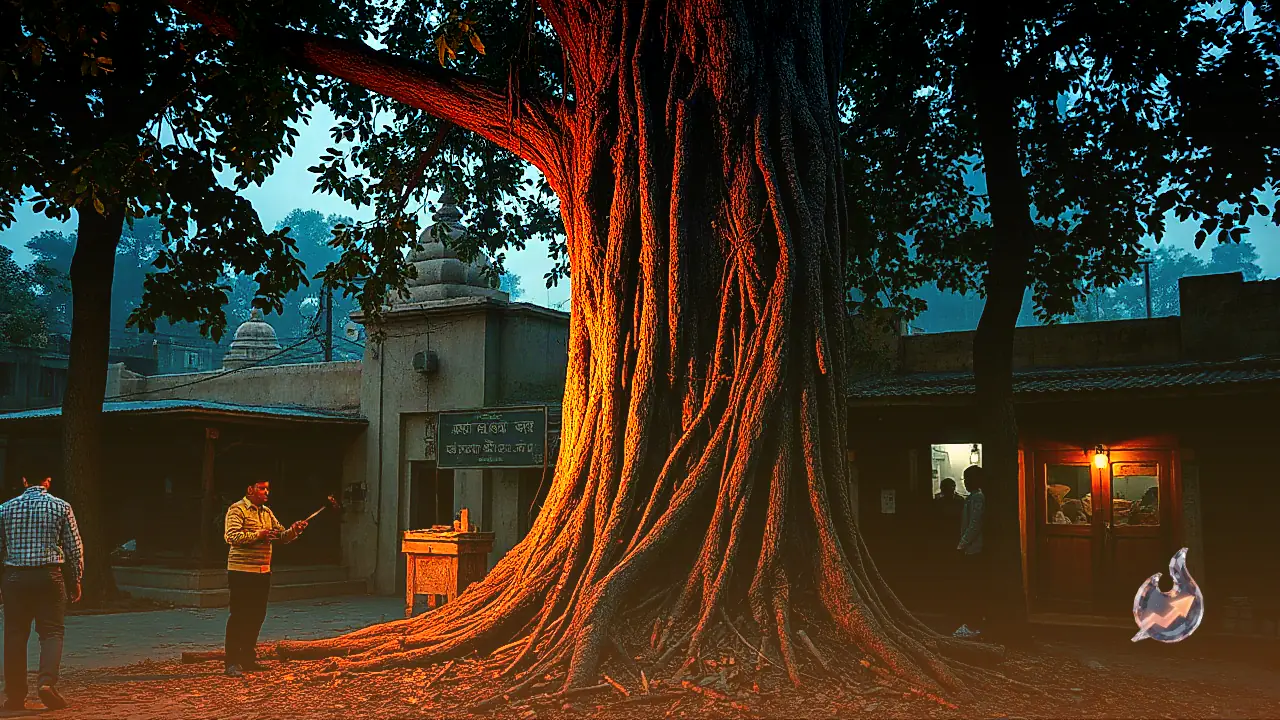

In the Colonelganj area of Gonda district in Uttar Pradesh, a long-standing traditional belief draws individuals suffering from severe dental discomfort to an unusual destination. Visitors gather around an ancient tamarind tree located within a sacred complex, following a local custom that involves hammering an iron nail directly into the bark to alleviate unbearable toothaches.
The Colonial Era Tree at Bhairavnath Temple
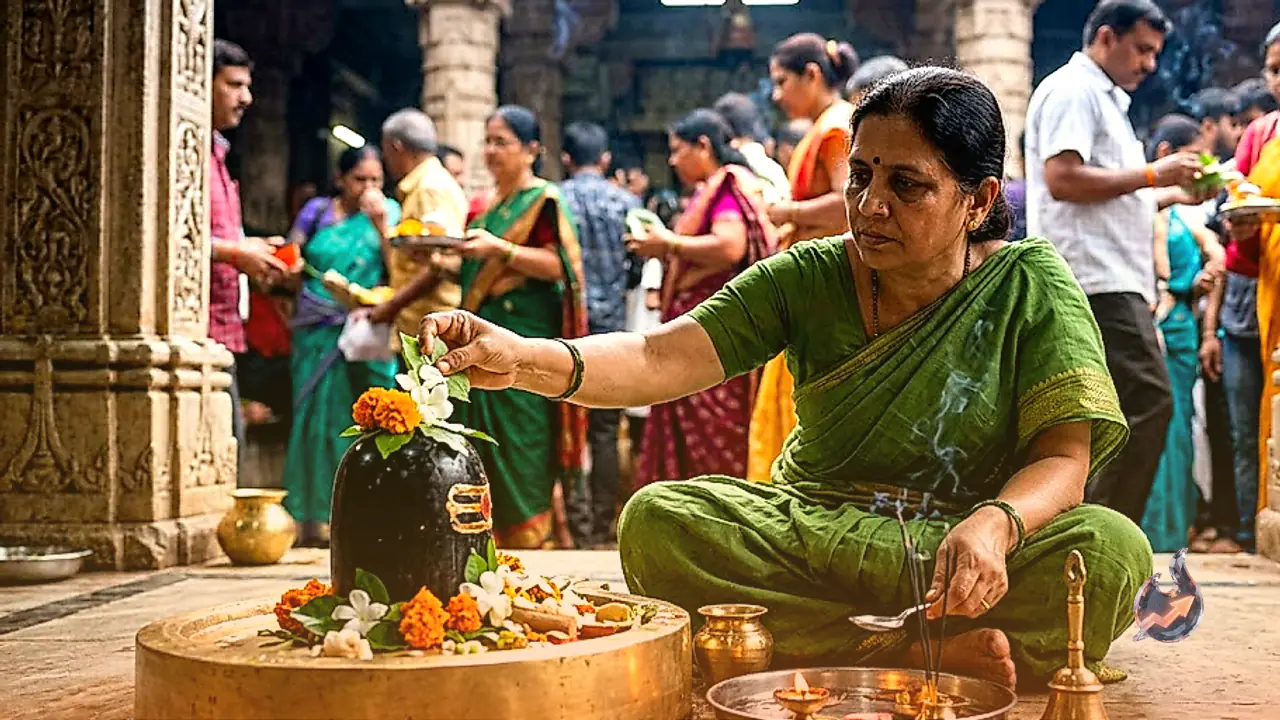
The venerable tree stands inside the grounds of the prominent Bhairavnath Temple. According to the temple priest, Ramashankar Giri, the tamarind tree dates back centuries, tracing its presence to the period of British rule. Over the years, hundreds of individuals have driven metal nails into its trunk, with numerous visitors testifying that their persistent aches subsided rapidly after completing the rite.
Mandatory Personal Visit and Strict Ritual Rules
The practice requires the afflicted person to participate in person. Ramashankar Giri emphasizes that no proxy arrangements are permitted under any circumstance; relatives or friends cannot simply carry a nail on someone else's behalf. The patient must travel to Colonelganj directly, touch the iron nail against the troubled tooth, invoke the deity Baba Batuk Bhairav, and drive the nail into the wood using their own hands.
Heavy Influx of Visitors on Tuesdays and Sundays
The ritual specifically takes place on designated days of the week, with large gatherings forming every Tuesday and Sunday. During these sessions, the priest conducts traditional folk invocations before guiding the visitor through the nail-driving step. People travel to this site not only from nearby regions but also from distant cities and districts, including Ayodhya, Varanasi, Prayagraj, Basti, Shravasti, Gorakhpur, Balrampur, Bahraich, and other surrounding states.
Cross-Community Faith and Shared Traditions
The site serves as an enduring symbol of communal harmony. Ramashankar Giri notes that belief in the healing attributes of this tamarind tree extends across religious boundaries. Followers from both the Muslim and Sikh communities regularly visit the Hindu shrine when dealing with dental afflictions, performing the same traditional ritual alongside local devotees.