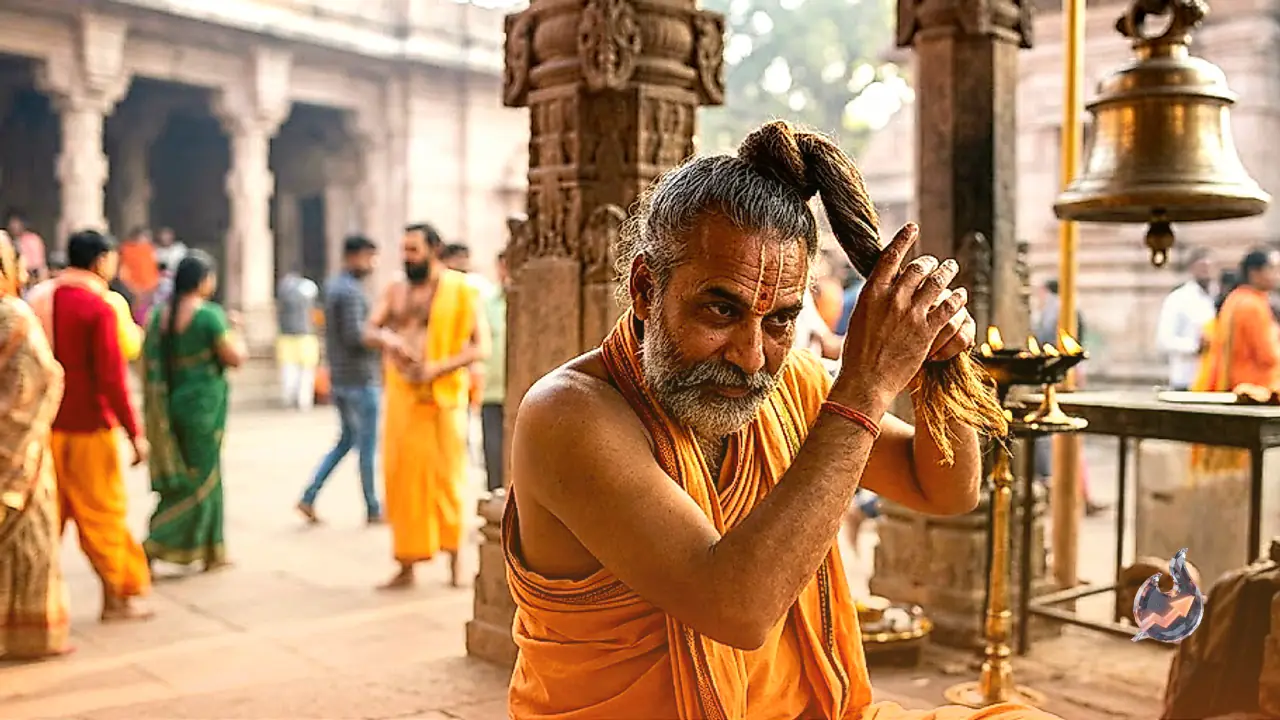

















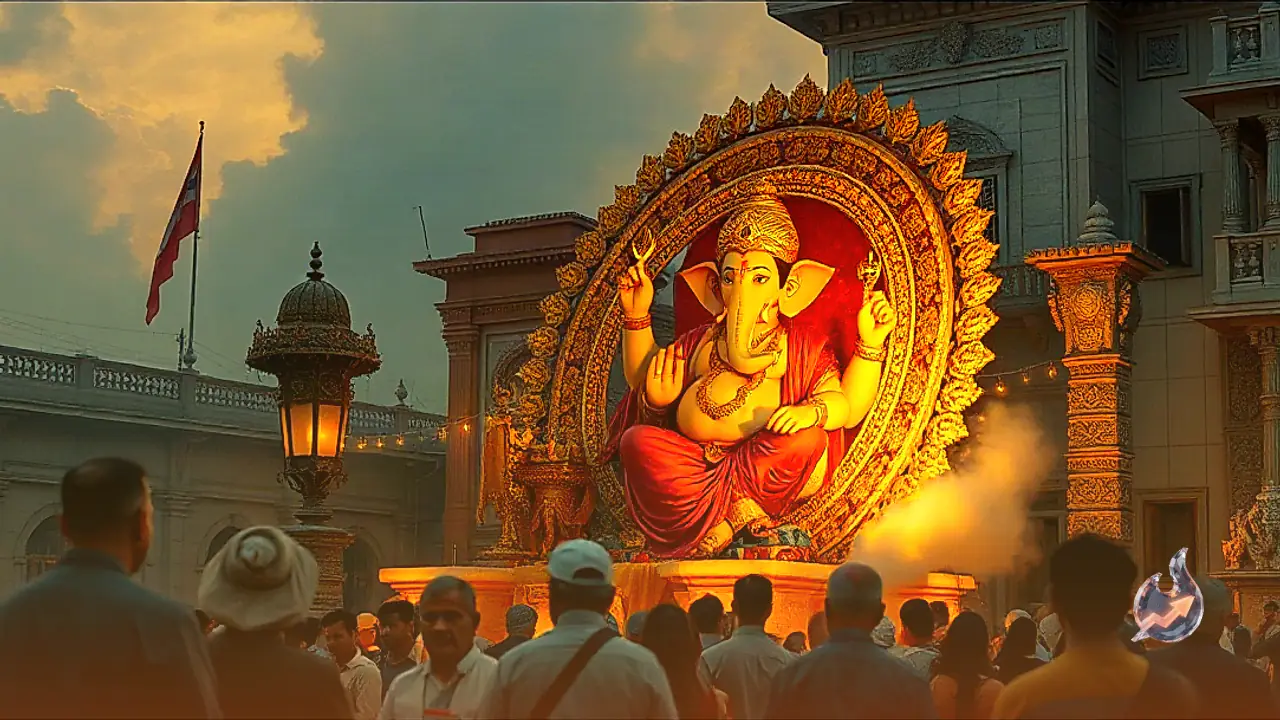

Devotees across the nation have welcomed Lord Ganesha with profound devotion and celebratory fervor on the sacred occasion of Shukla Paksha Chaturthi in the month of Bhadrapada. Both private residences and grand community pandals have commenced the ceremonial installation of the deity, following traditional scriptural norms. Within sacred traditions, Lord Ganesha is revered as Vighnaharta, the remover of impediments, and the benevolent provider of wisdom, discernment, prosperity, and auspicious success. Every significant endeavor, business venture, or sacred ceremony traditionally begins with his invocation to ensure smooth and hurdle-free progress. Astrologically, worshipping Ganesha is believed to alleviate planetary afflictions associated with Mercury, fostering harmonious outcomes in every sphere of life. While Ganeshotsav traditionally spans 10 days, this year's observance extends across 12 days, granting worshippers a longer duration for prayers and devotional gatherings.
Tithi Timing And The Sacred Importance Of Afternoon Rituals
According to traditional calendrical calculations, the Chaturthi tithi commenced on September 14 at approximately 7:06 AM and reaches its conclusion on September 15 at around 7:44 AM. In accordance with the time-honored principle of Udaya Tithi, the principal observances are being performed today. The afternoon, or Madhyahna period, holds exceptional spiritual prominence for the installation and ceremonial worship of the deity. Scriptural accounts describe Lord Ganesha, the son of Goddess Parvati and Lord Shiva, as having manifested during the midday hours. Consequently, performing the rituals during this specific phase of the day is regarded as exceptionally propitious.
Ganesh Chaturthi 2026: Precise Auspicious Muhurat
For the observance of Ganesh Chaturthi this year, astrologers and scholars have identified a highly focused temporal window for performing the idol consecration and sacred offerings. The designated auspicious period for the rituals begins at 11:01 AM and continues until 1:29 PM. This provides worshippers a timeframe of exactly 2 hours and 28 minutes to carry out the invocation, purification rites, and primary offerings. Completing the formal prayers during this timeframe is traditionally considered ideal for seeking divine blessings and family welfare.
Step-By-Step Worship Procedure And Sacred Observances
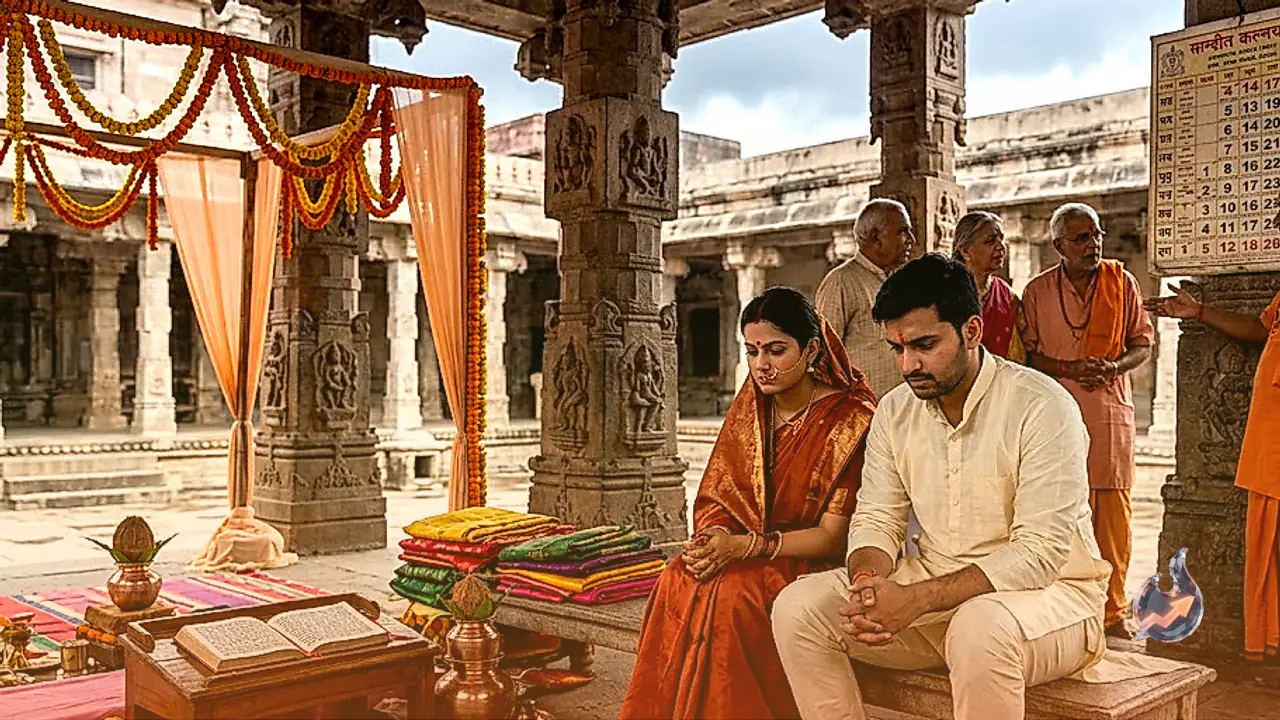
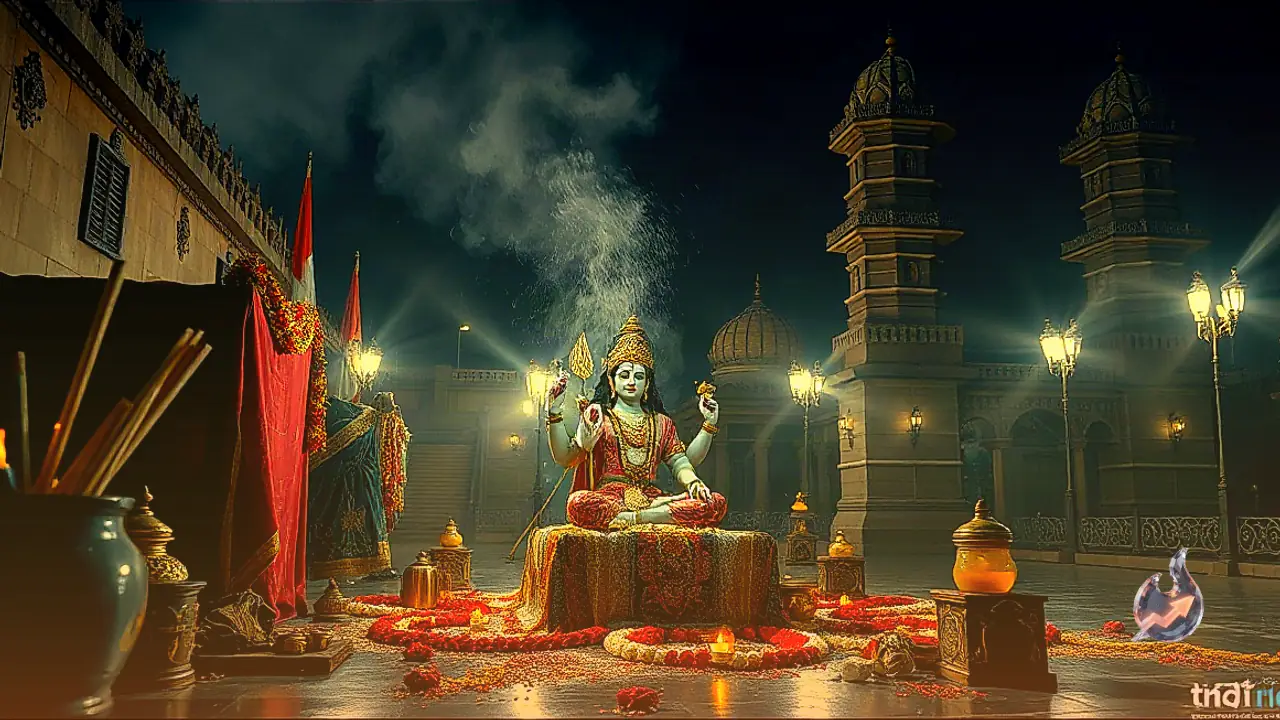
Observing the festival begins with early morning purification: devotees take a ceremonial bath, dress in fresh clean clothing, and thoroughly cleanse the dedicated prayer area. A wooden platform should be prepared and draped with a clean red or yellow cloth, upon which the idol of Lord Ganesha is respectfully seated. The deity is then given a symbolic bath using pure water, Panchamrit, and sacred water from the Ganga. Following the ablution, devotees apply sandalwood paste, roli, unbroken rice grains, vermilion, and offer fresh flowers.
Offering fresh blades of Durva grass and vibrant red flowers holds paramount importance in Ganesha worship, as these are regarded as the deity's favorites. Thereafter, fragrant incense sticks and an oil or ghee lamp are lit, followed by the singing of the traditional aarti. Devotees recite sacred Ganesha mantras with focused concentration, place their heartfelt wishes before the deity, and culminate the rituals by sharing prasad among all household members. Genuine faith and wholehearted surrender remain the core essence of this sacred endeavor.
Sacred Vedic Mantras For Obstacle Removal And Intellect
Reciting sanctified mantras during the prayer service is believed to dispel negative vibrations and establish mental clarity. Devotees traditionally chant
Vakratunda Mahakaya Suryakoti Samaprabha.
Nirvighnam Kuru Me Deva Sarvakaryeshu Sarvada..
In addition, the Ganesh Gayatri mantra is recited to enhance intellect, wisdom, and inner illumination
Om Ekadantaya Vidmahe Vakratundaya Dhimahi Tanno Danti Prachodayat..
Essential Offerings And Preferred Sacred Confectionery
Conducting the ceremony with traditional completeness requires arranging a series of ritual items beforehand. Devotees typically assemble the following sacred essentials on the altar
- An idol of Lord Ganesha, a wooden stool, red or yellow fabric, and a ritual kalash
- Coconut, roli, kumkum, turmeric, unbroken rice grains, sandalwood paste, and sacred thread
- Fresh Durva grass, blossom garlands, loose flowers, incense sticks, a ritual lamp, camphor, and betel nuts
- Betel leaves, seasonal whole fruits, and ceremonial sweets
Modaks and laddoos prepared from gram flour or boondi are regarded as Lord Ganesha's most cherished delicacies, making their presentation as Naivedya highly auspicious. In addition to sweets, offerings often include fresh fruits such as bananas, apples, pomegranates, and coconuts. Freshly prepared home-cooked sattvic dishes, kheer, halwa, and wholesome festive treats can also be consecrated and shared. This widespread festival will culminate on Anant Chaturdashi with the ceremonial immersion of the idols, marking a heartfelt farewell until the deity's return next year.