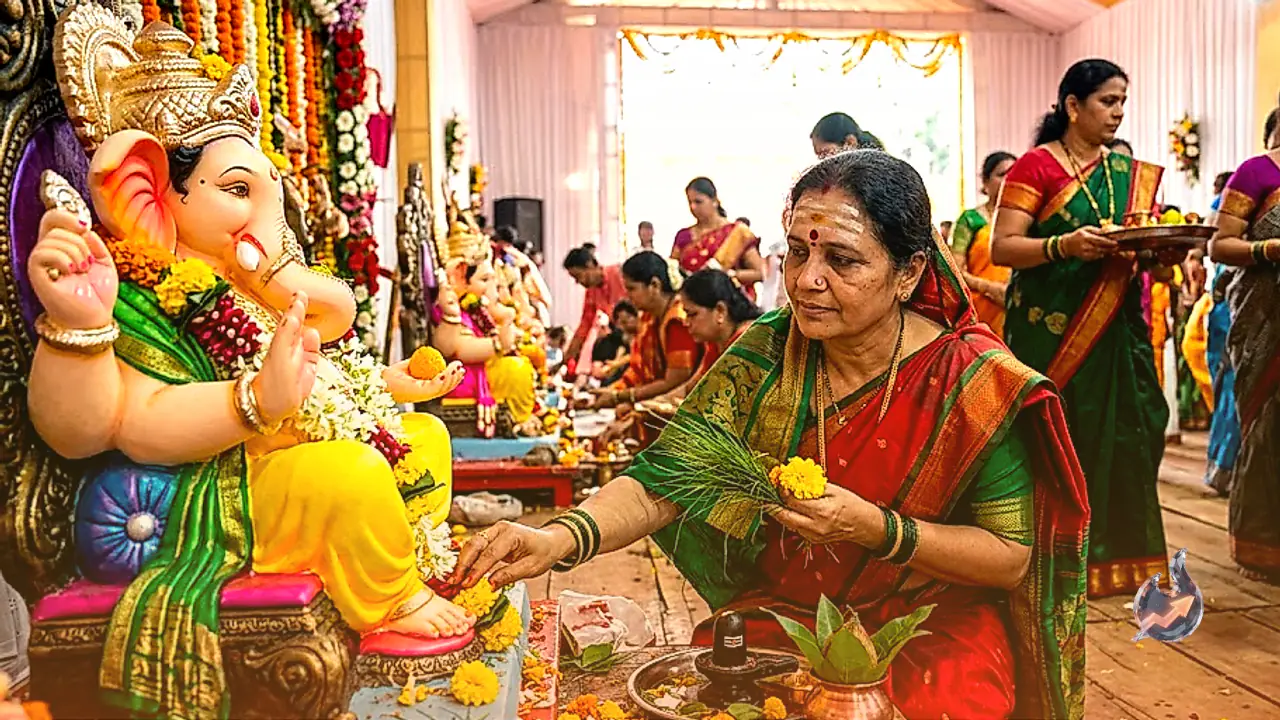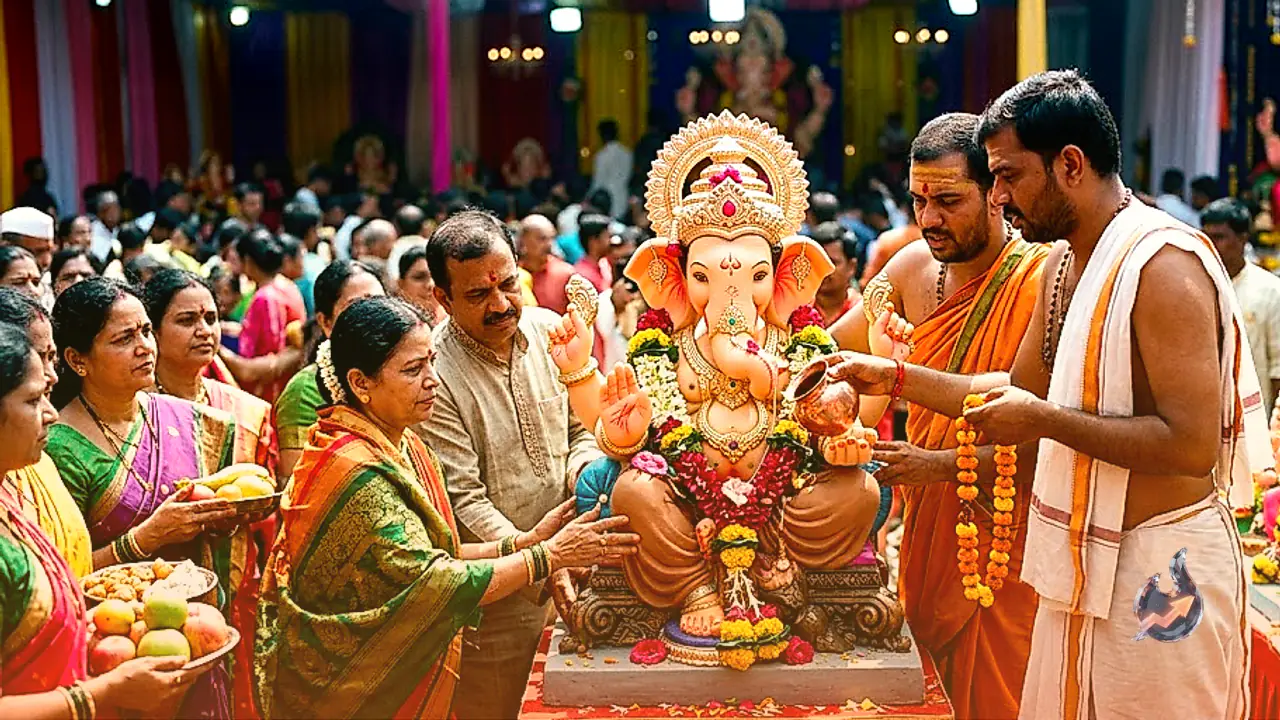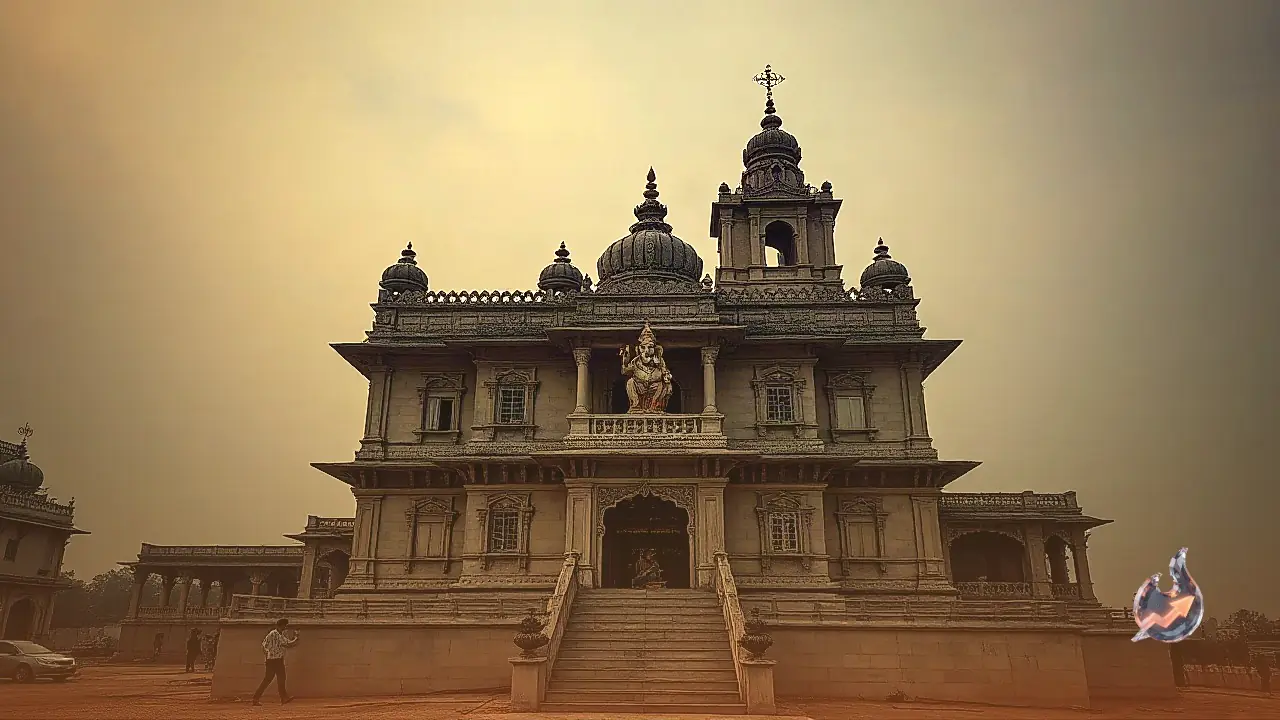






















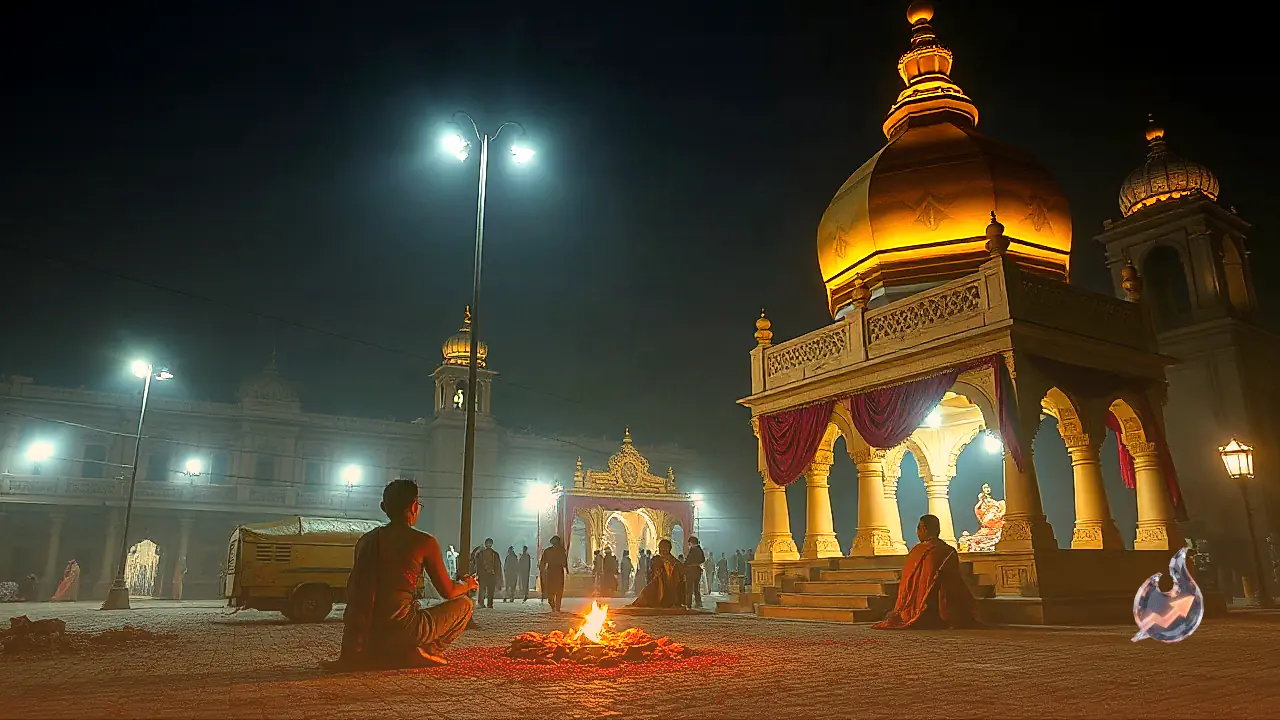

Observed annually on the Tritiya Tithi of the Shukla Paksha in the month of Bhadrapada, Hartalika Teej stands as one of the most revered observances in Hindu tradition. The sacred festival falls on Monday, September 14, bringing together married women in an austere fast to pray for the longevity, sound health, and well-being of their spouses, alongside lifelong marital bliss. Mythological traditions hold that Goddess Parvati underwent rigorous penance and unwavering resolve to attain Lord Shiva as her divine consort. It is to honor this monumental dedication that devotees worship the divine couple together with deep reverence. Arranging all required ritual items in advance is considered auspicious so that the ceremonies proceed seamlessly without interruption.
Complete Checklist of Sacred Puja Materials
A properly arranged puja ensures that every traditional phase of the ritual is conducted with dignity and discipline. Devotees collect the following essential items ahead of the ceremonies
- Sacred Idols and Representations: A framed portrait or traditional idol of Lord Shiva and Goddess Parvati, or consecrated representations handcrafted specifically from sand or clean river clay.
- Fresh Flowers and Garlands: An assortment of seasonal blossoms and fragrant floral garlands meant for adorning the deities throughout the worship.
- Suhag and Adornment Offerings: Traditional items of marital significance dedicated to Goddess Parvati, including glass bangles, bindi, sacred vermilion, natural henna, and a festive chunari.
- Worship Plate and Aarti Supplies: A dedicated thali containing all essential supplies required for performing the traditional aarti, lighting lamps, and offering fragrant incenses.
Spiritual Significance and Marital Blessings
The core inspiration behind Hartalika Teej stems from the formidable ascetic journey of Goddess Parvati, whose intense determination successfully secured Lord Shiva as her partner. In remembrance of this divine commitment, married women observe the stringent fast to safeguard their marital happiness and invite peace and harmony into their homes. Furthermore, unmarried women also take up the fast to pray for an understanding and compatible life partner. The observance traditionally involves focused prayers to Shiva and Parvati, attentive listening to the sacred vrat katha, and singing evening aartis. Believers hold that approaching the ritual with genuine dedication blesses marital ties with mutual love, devotion, and lasting prosperity.
Traditional Bhog and Sacred Culinary Offerings
Culinary preparations dedicated for bhog are cooked with absolute purity and traditional devotion inside home kitchens. These pious food offerings include
- Home-Cooked Delicacies: Pure vegetarian and satvik preparations such as kheer, semolina halwa, fresh pooris, and traditional malpuas.
- Seasonal Fruits and Sweets: Fresh seasonal produce accompanied by traditional milk and flour sweets prepared for the occasion.
- Regional Specialties: Signature dishes prepared strictly according to diverse local customs and hereditary family practices.
Once these consecrated preparations are presented before Lord Shiva and Goddess Parvati during the rituals, the blessed prasad is shared among all household members.
Customs of Charity and Post-Worship Giving
According to established religious customs, the spiritual cycle of the Hartalika Teej fast reaches fulfillment only after engaging in righteous giving. Following the conclusion of the prayers, devotees are encouraged to offer charity to the needy according to their financial means. Donating food grains, fresh clothing, seasonal fruits, sweets, beauty and marital items, along with voluntary monetary dakshina, is regarded as deeply meritorious. In many communities, households preserve the custom of serving a hearty satvik meal to a revered priest or a deserving woman, honoring them with garments and personal adornments to receive their blessings.