
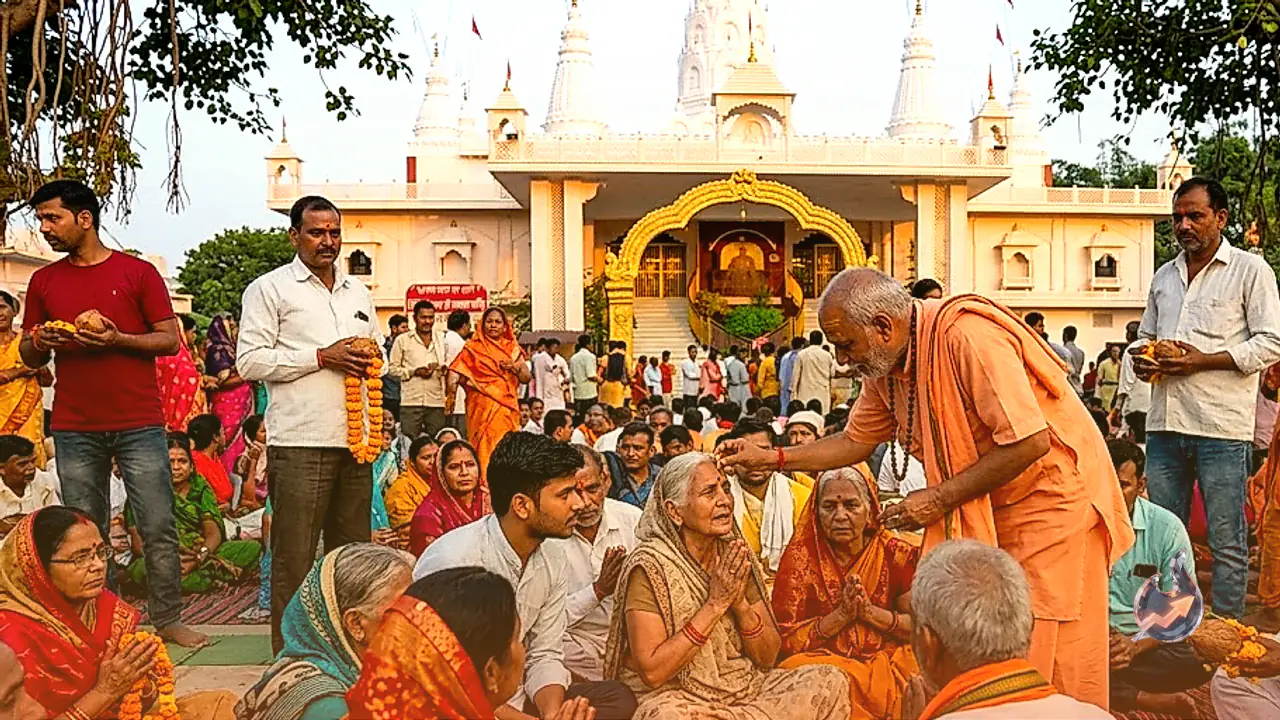

















Guru Purnima 2026 is being celebrated across India with profound devotion and spiritual reverence on the full moon day of the Ashadha month. This sacred festival serves as a dedicated occasion to honor spiritual masters, mentors, and teachers who dispel darkness and lead seekers toward enlightenment. According to ancient scriptures, this auspicious date marks the advent of Maharishi Ved Vyas, who codified sacred wisdom into accessible texts for humanity. Consequently, the day is also observed as Vyas Purnima, featuring traditional Vyas Puja rituals in homes and ashrams nationwide.
The Birth of Maharishi Ved Vyas and the Origins of Vyas Purnima
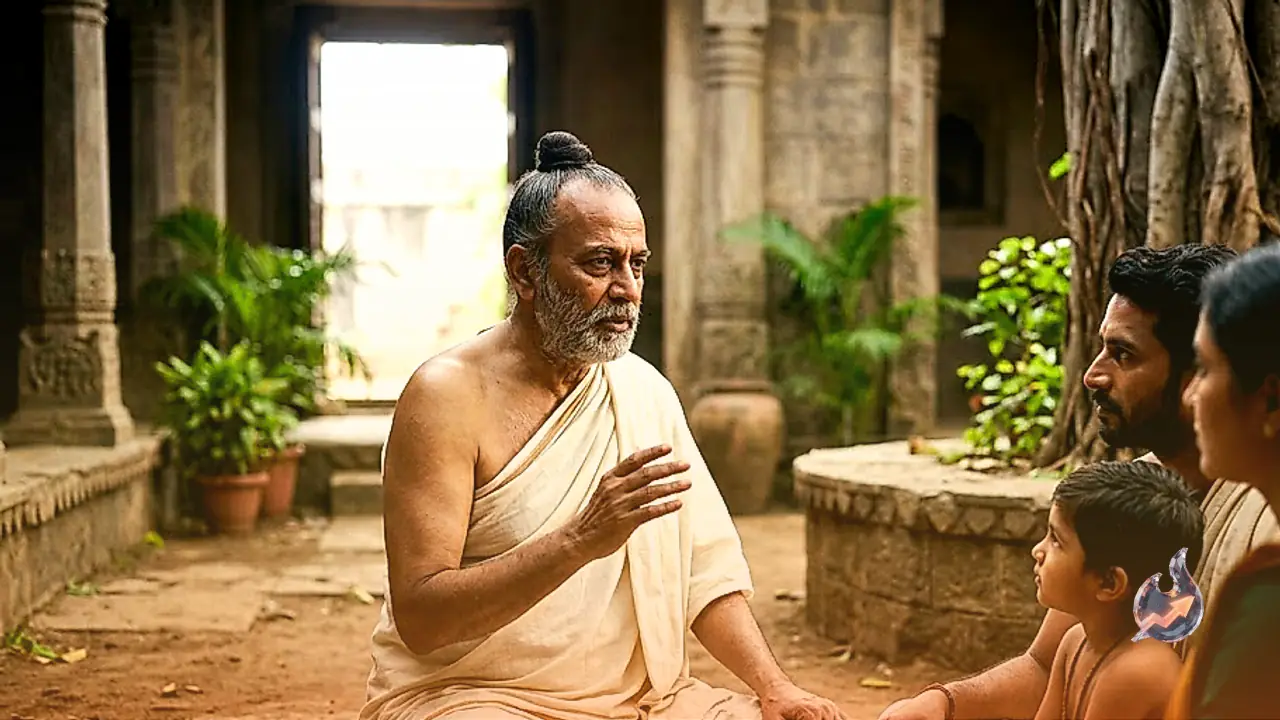
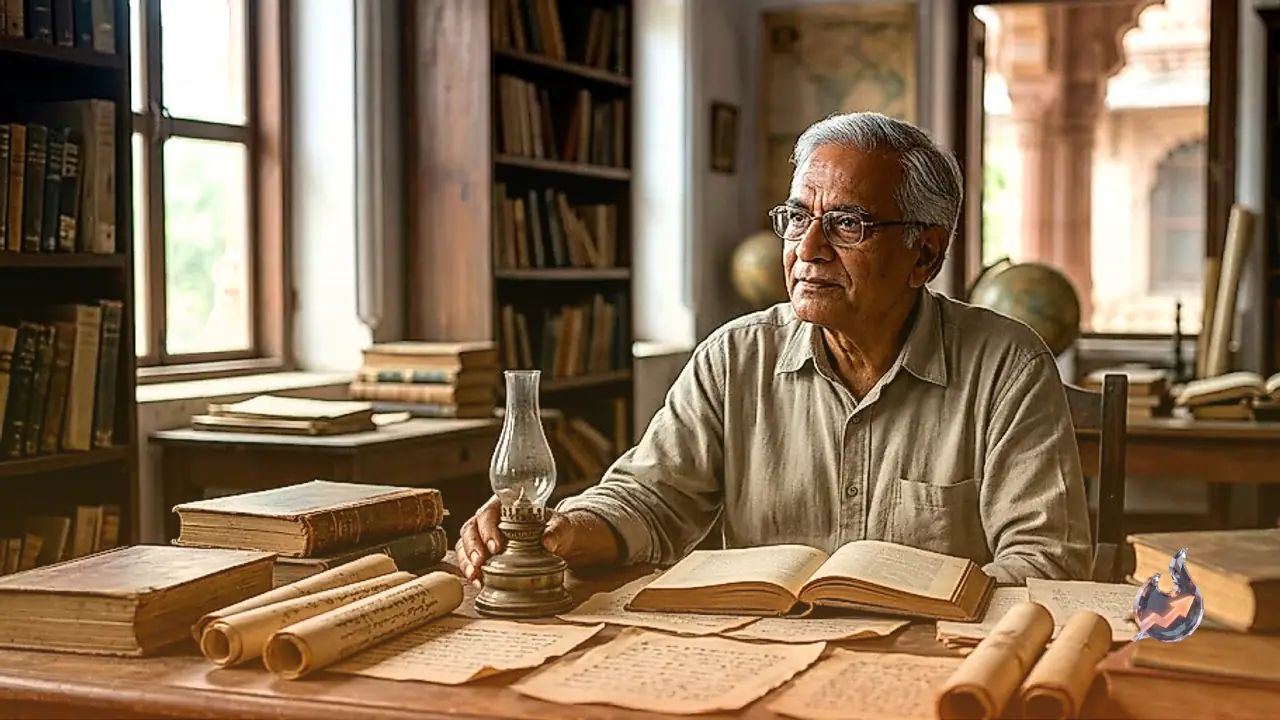
Puranic traditions establish that Maharishi Krishna Dwaipayana Vyas, widely revered as Maharishi Ved Vyas, was born on Ashadha Purnima. Revered as the Adi Guru (the original master), he performed the monumental task of organizing the single Veda into four distinct compilations: Rigveda, Yajurveda, Samaveda, and Atharvaveda. Furthermore, he composed the epic Mahabharata, authored the Shrimad Bhagavata, and compiled eighteen major Puranas, bestowing an unmatched repository of spiritual and ethical knowledge upon mankind. In tribute to his vast intellectual and spiritual legacy, this full moon day bears his name.
Lord Shiva as the Primordial Guru and the Saptarishi Transmission
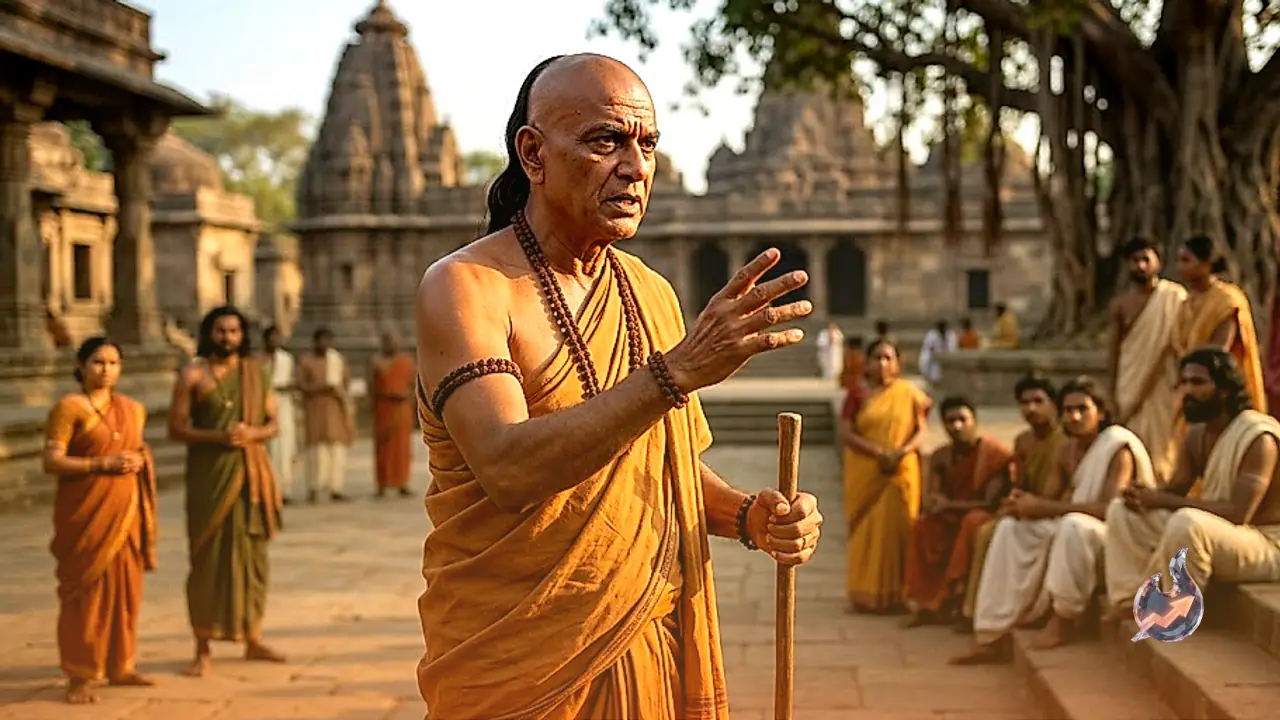
The sacred observance of Guru Purnima is also deeply entwined with Lord Shiva, recognized in Hindu philosophy as the first preceptor or Adi Guru. Puranic lore recounts that on this holy date, Lord Shiva emerged from an intense state of meditation to impart cosmic wisdom to the seven celestial sages, known as the Saptarishis. Seated in profound silence and grace, Lord Shiva transmitted knowledge encompassing Yoga, Tantra, and the secrets of the universe to his seven disciples. By dispelling their ignorance and orienting them toward the welfare of all living beings, Lord Shiva established the timeless foundation of the Guru-Shishya tradition.
The Supreme Status of the Preceptor in Indian Culture and Upanishads
In Indian spiritual philosophy, the Guru is accorded a status even higher than the Almighty. Saint Kabir expressed this belief through his famous verse emphasizing that if both the Guru and God appear together, one must first bow to the Guru, as it is the Guru who reveals the path to God. The Upanishadic tradition equates the Guru with the holy trinity of Brahma (the creator), Vishnu (the preserver), and Mahesh (the transformer), a sentiment captured in the iconic hymn 'Gurur Brahma Gurur Vishnu...'. Spiritual wisdom and liberation (moksha) remain elusive without a master's benevolent guidance. Beyond formal teachers, the day invites gratitude toward anyone who has offered moral orientation in life.
Step-by-Step Guru Purnima Puja Vidhi and Charitable Acts
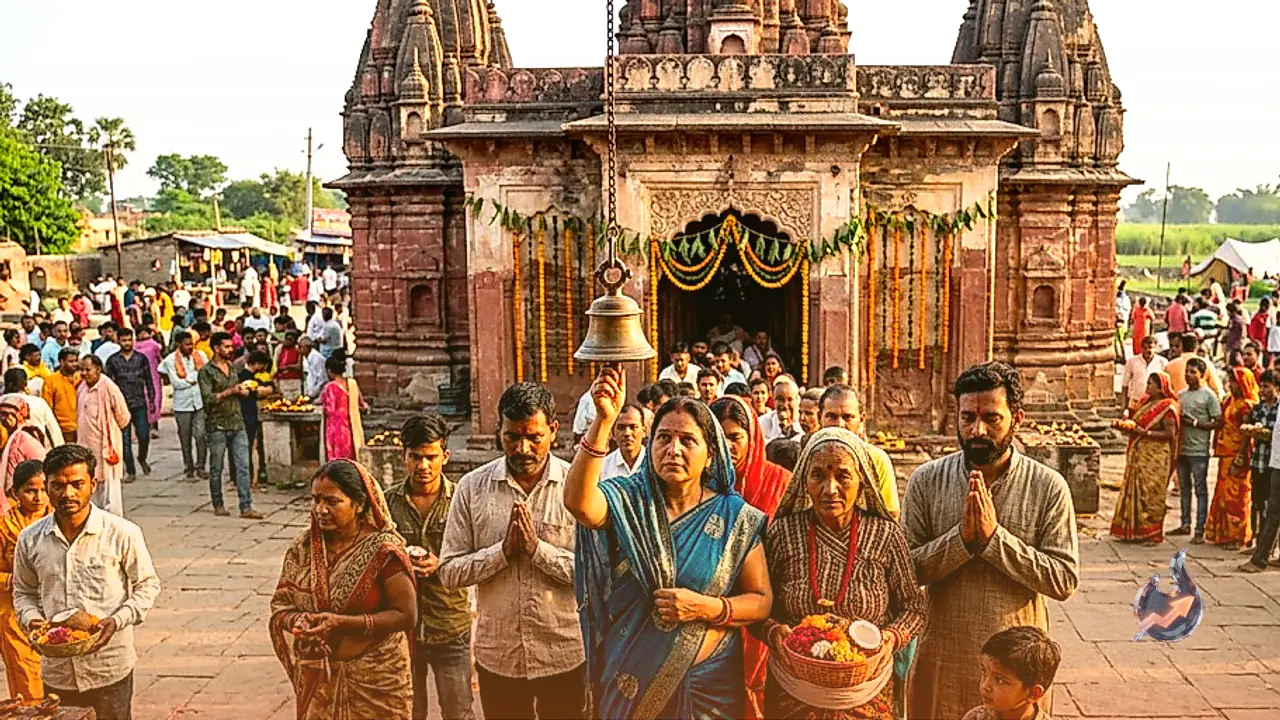
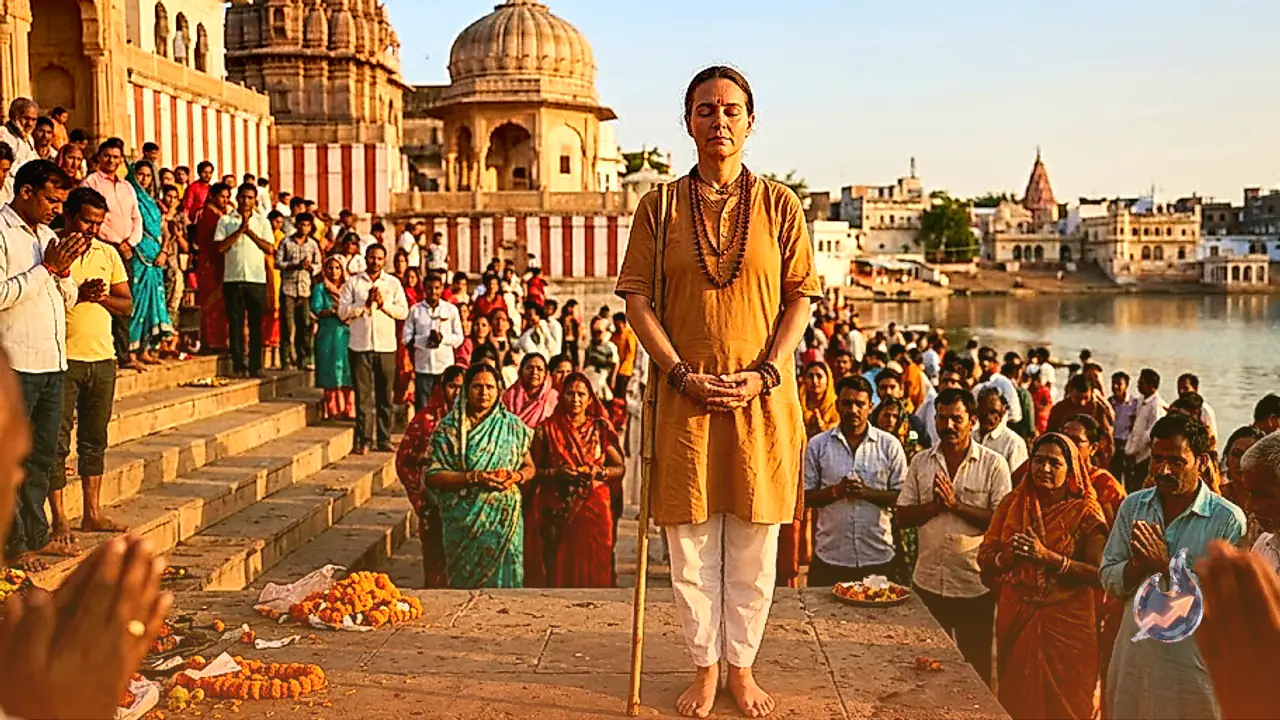
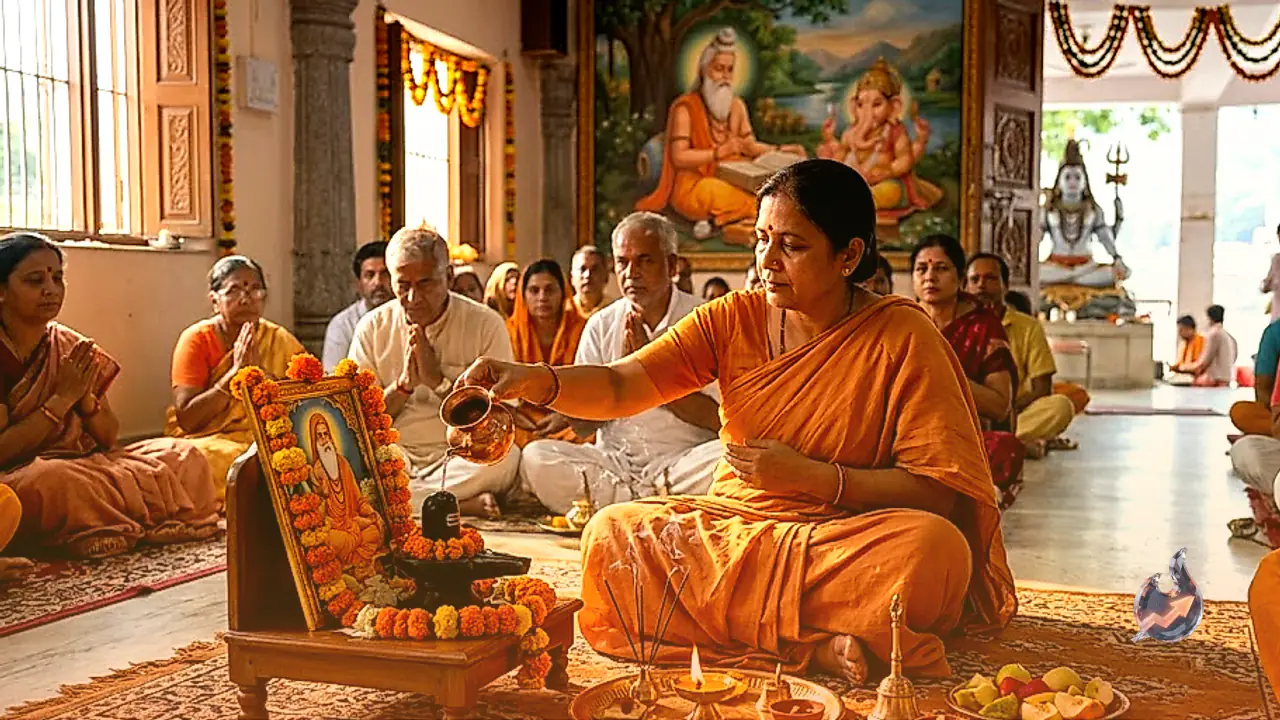
Devotees celebrating Guru Purnima begin the day by rising early, taking a ritual bath, and wearing clean attire. A sanctified area is prepared where an image, idol, or charan paduka (sacred footwear) of one's spiritual master or Maharishi Ved Vyas is installed. The ritual involves lighting a ghee lamp, applying sandalwood paste (chandan), offering unbroken rice grains (akshat), fresh flowers, fruits, and consecrated food offerings (naivedya). Practitioners chant the Guru Mantra or sacred Vedic verses during worship. If one's living Guru is present, touching their feet to seek blessings is considered paramount. Offering donations such as clothing, spiritual books, food grains, or monetary offerings (dakshina) completes the worship.
Spiritual Advancement and Awakening through Guru Tradition
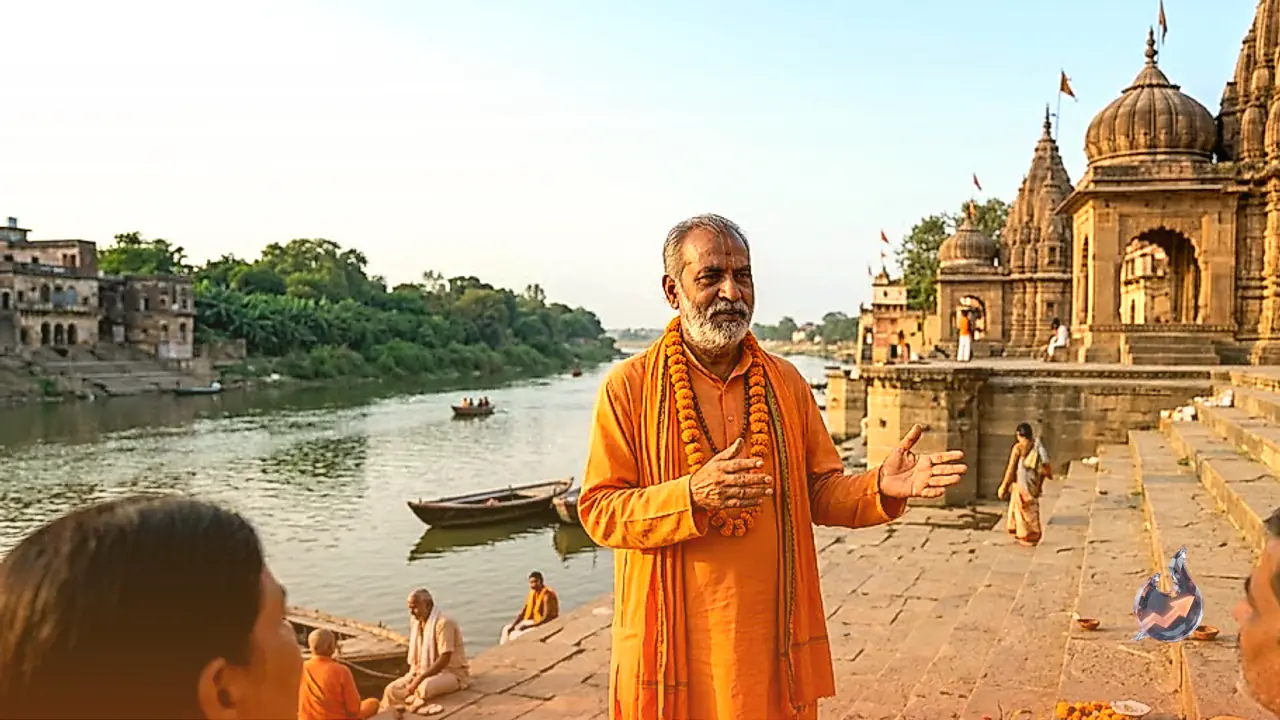
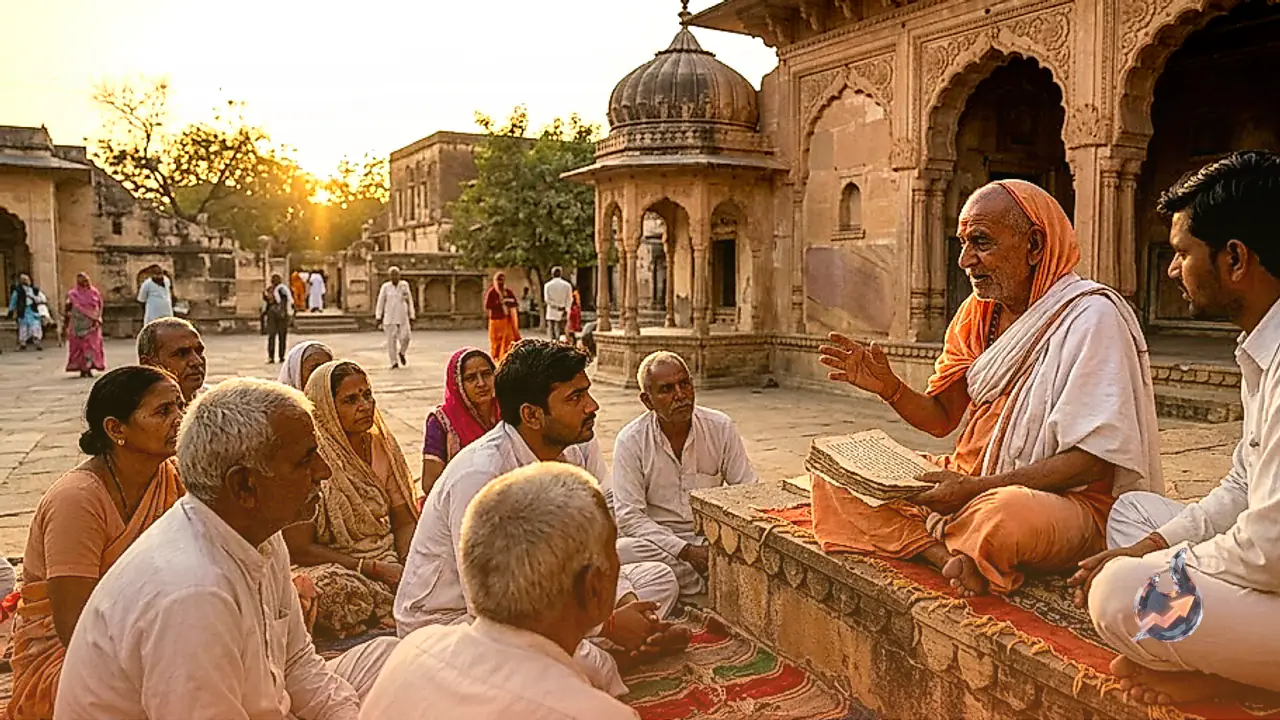
From an esoteric standpoint, Guru Purnima offers an unparalleled window for self-introspection, inner purification, and higher learning. Engaging in Guru seva (service to the teacher), satsang (holy discourse), mantra recitation, meditation, and charity invites divine grace, discrimination, and spiritual maturity. Across lineages of Yoga and Vedanta, this full moon day is deemed exceptionally potent for commencing new spiritual disciplines (sadhana) or receiving formal initiation. Thus, Guru Purnima remains the most inspiring celebration of the sacred relationship connecting master and disciple.