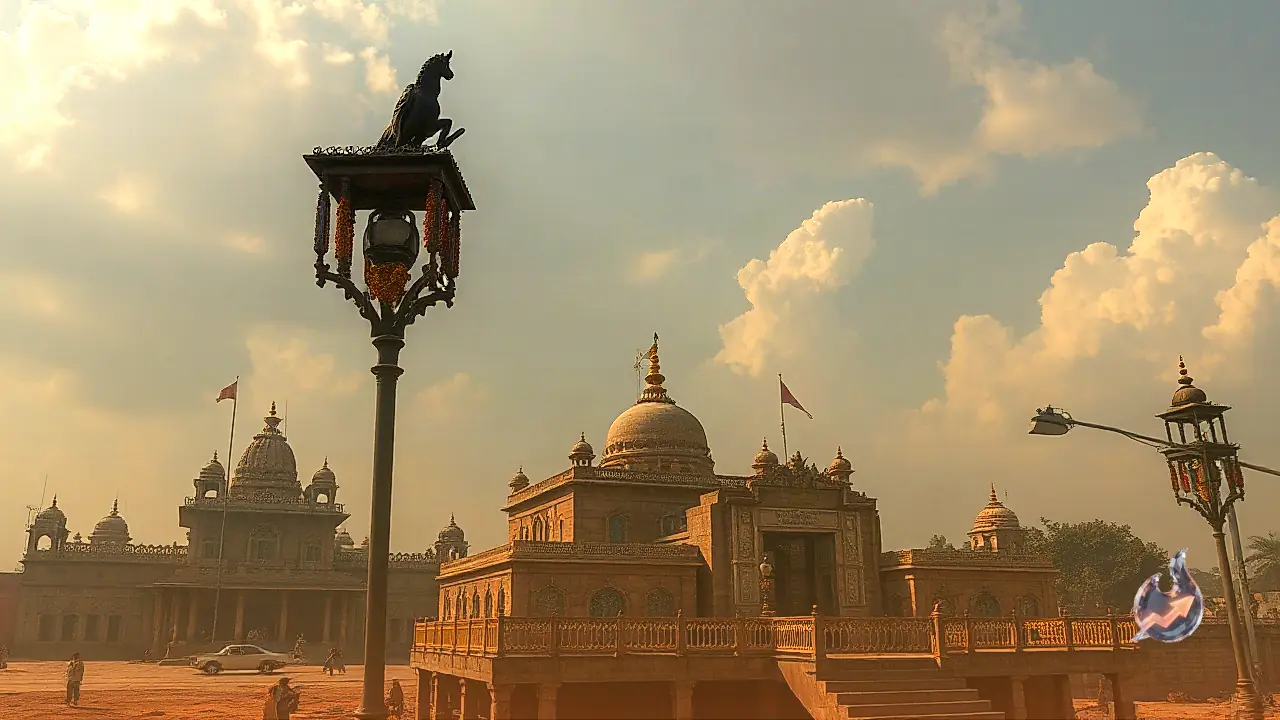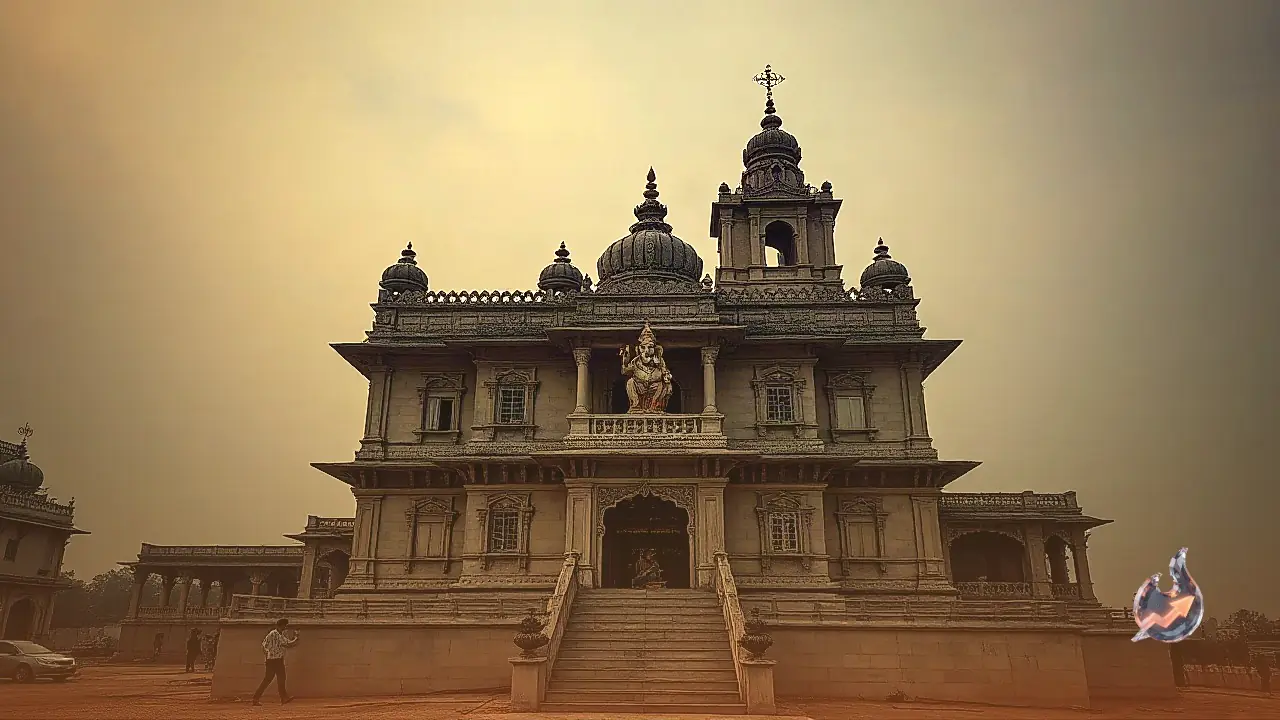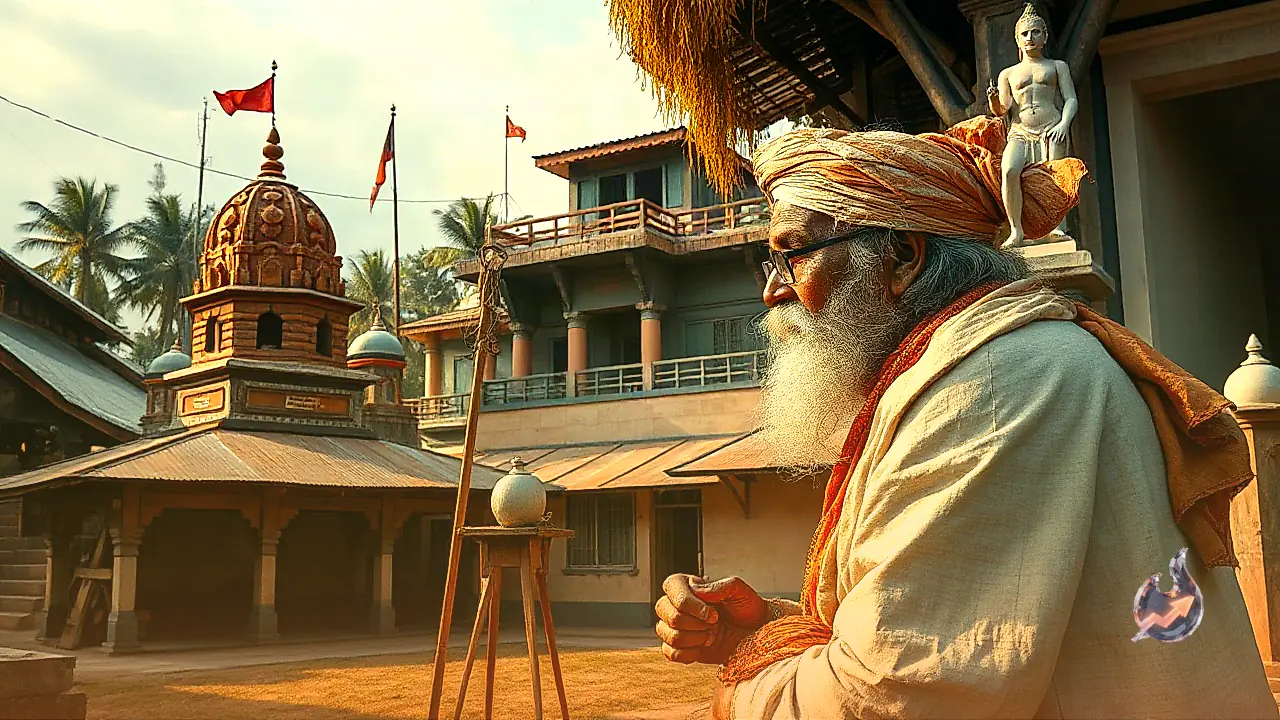



















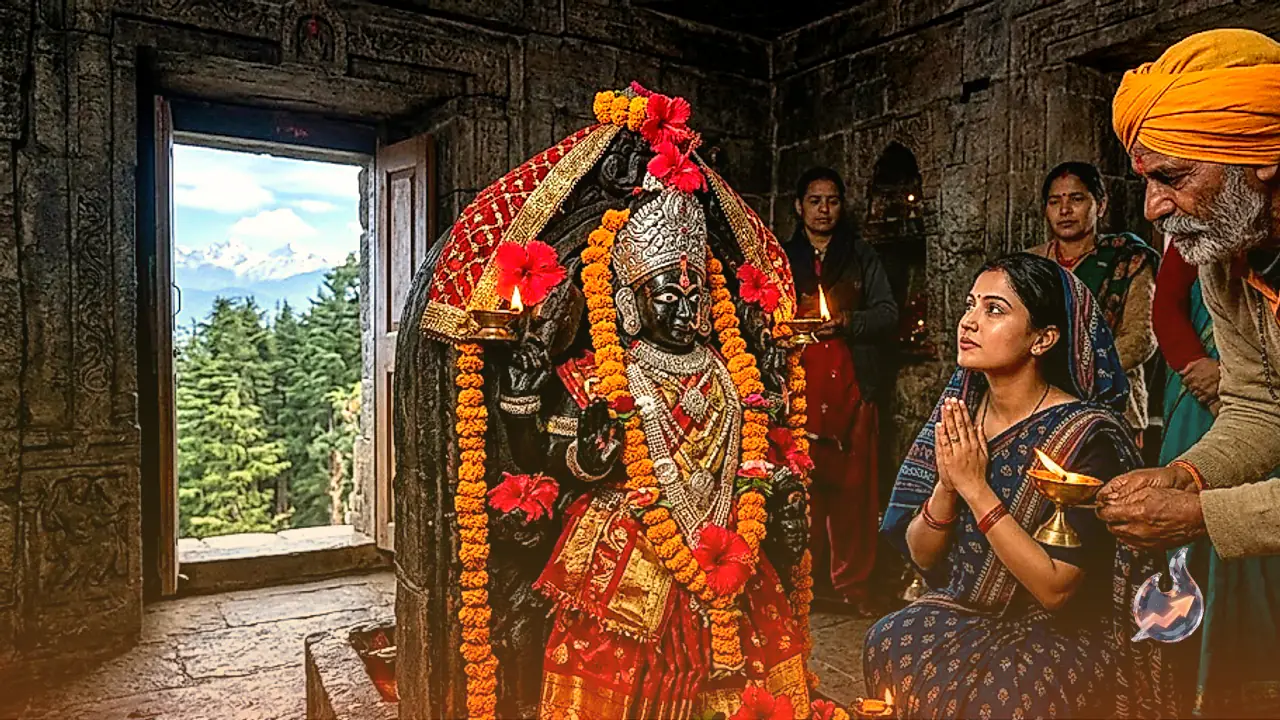

Nestled amidst the serene and picturesque valleys of Uttarakhand, numerous divine shrines hold deep historical and spiritual significance. Among these notable heritage sites is the ancient Maa Syahi Devi Temple, situated near Sheetlakhet in Almora district. Surrounded by quiet mountain ranges, this revered Shaktipeeth draws visitors for its tranquil ambiance and extraordinary folklore. According to historical accounts, the temple was constructed during the reign of the Katyuri dynasty, with experts estimating its origin between 900 and 1,700 years ago. Historically, Maa Syahi Devi held a prime status as the family deity of the royal rulers of Almora.
Overnight Miracle and the Unique Bel-Jaggery Mortar
One of the most remarkable legends surrounding this mountain shrine is that its entire structure was raised in just a single night. According to local narratives, villagers had initially prepared unbaked clay bricks for the construction effort. That very evening, heavy downpours lashed the region. When residents returned to the site the following morning, they discovered to their amazement that the bricks had completely baked overnight. Furthermore, builders did not utilize conventional lime or cement mortar to bind the stones and bricks. Instead, they employed a natural formulation combining wood apple fruit pulp and jaggery. Centuries later, this ancient composite continues to hold the masonry together, standing as a testament to the engineering knowledge of Katyuri artisans, who traditionally executed building projects under the cover of night.
Priestly Lineage from Nepal and Relocation from the Old Hill
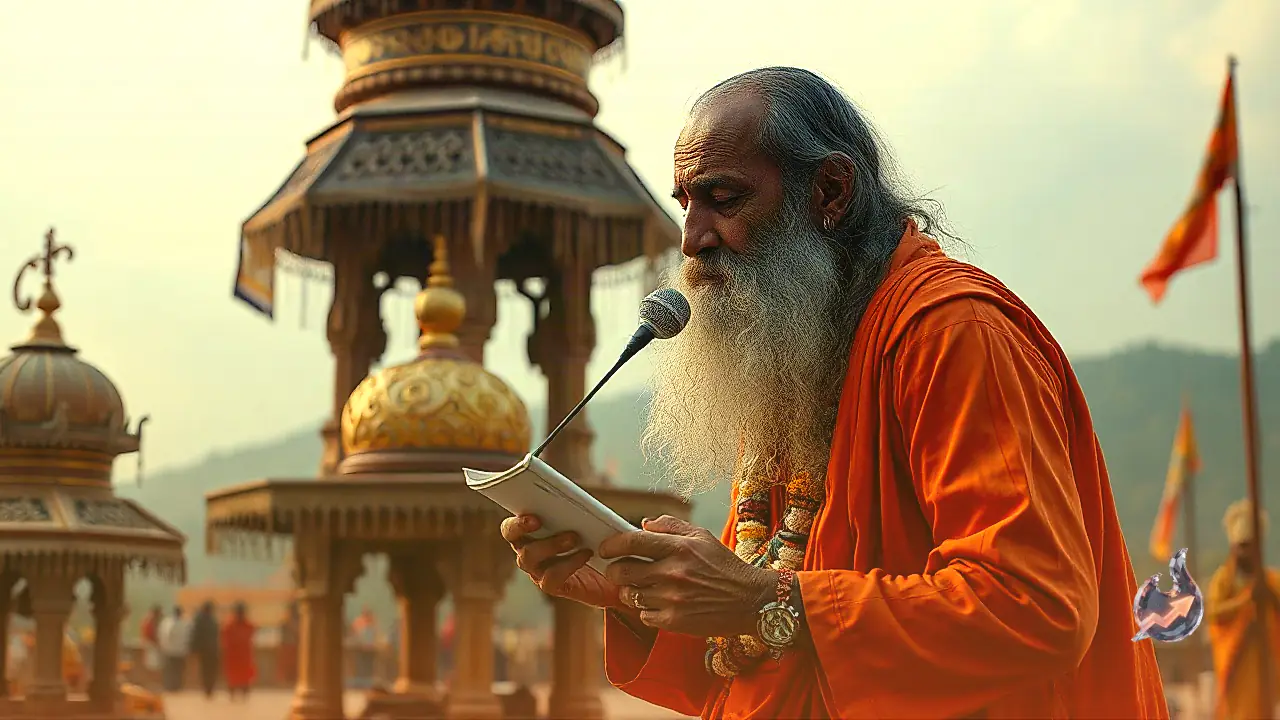
The history preceding the shrine's current location reveals an intriguing transition. Initially, the sacred idol of Syahi Devi was enshrined on a neighboring hilltop located approximately half a kilometer away. Because the Katyuri kings regarded Syahi Devi as their kuldevi, they desired a larger and more majestic temple complex for their worship. Once the new structure reached completion, specialized arrangements were made for daily rituals and management. The royalty invited descendants of Guru Gorakhnath from Nepal to take charge of the temple duties. To this day, families belonging to this historic lineage continue to oversee daily prayers, administrative affairs, and ceremonial traditions at the sanctuary.
Idol Changing Colors 3 Times Daily and Devotion Across 52 Villages
The most mysterious attribute of the Syahi Devi Temple involves the central idol itself. Devotees observe that the statue displays distinct colors and appearances three times throughout the course of a single day, shifting during the morning, afternoon, and evening hours. Followers interpret these subtle changes as a sign of divine energy and living presence. The deity is revered as the primary guardian goddess across 52 surrounding villages, while numerous families throughout Uttarakhand honor her as their ancestral deity. Local belief holds that sincere prayers offered at this shrine are answered, drawing pilgrims from all parts of the country throughout the year.
Swami Vivekananda's Meditation Site and Pilgrim Reverence
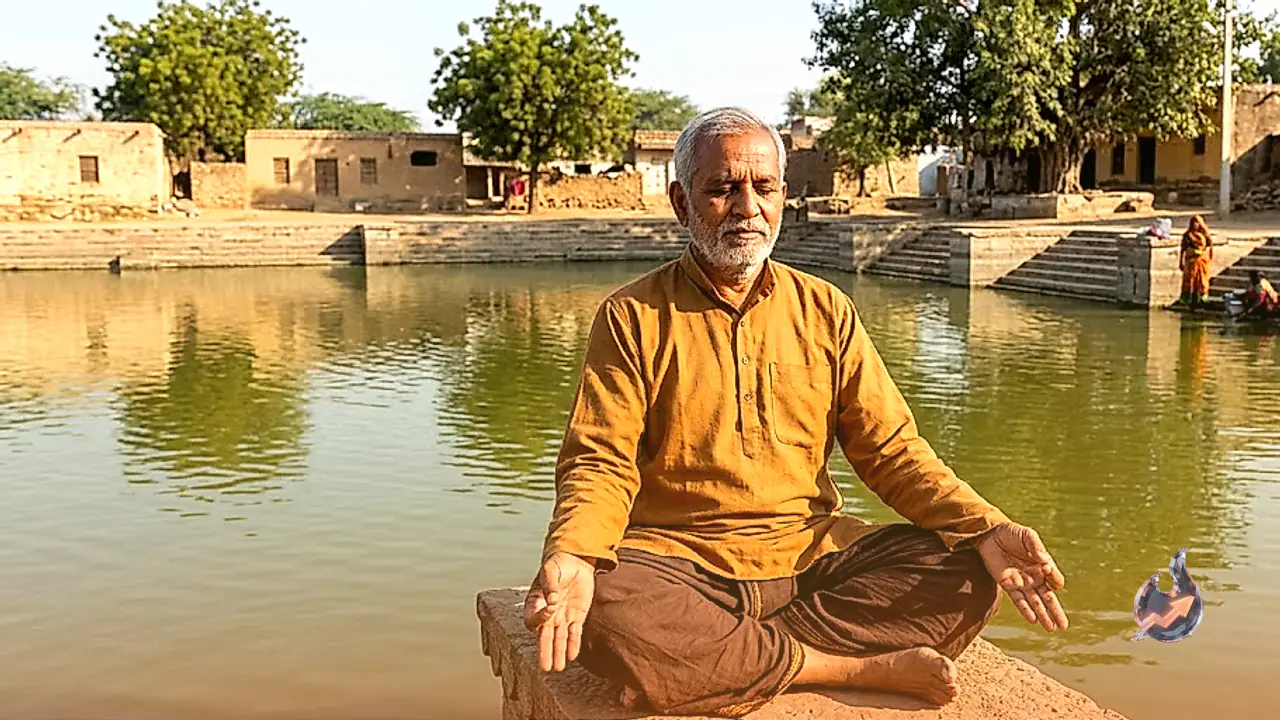
Beyond its regional traditions, the temple grounds share a historical connection with prominent spiritual figures. In the year 1898, Swami Vivekananda visited this tranquil retreat during his travels through Uttarakhand, spending time in deep meditation and sadhana amidst the peaceful mountain atmosphere. Following his stay, the location gained added prominence as a destination for ascetics and seekers. Today, Maa Syahi Devi Temple continues to serve as both a cherished place of worship for everyday pilgrims and a quiet sanctuary for spiritual reflection.