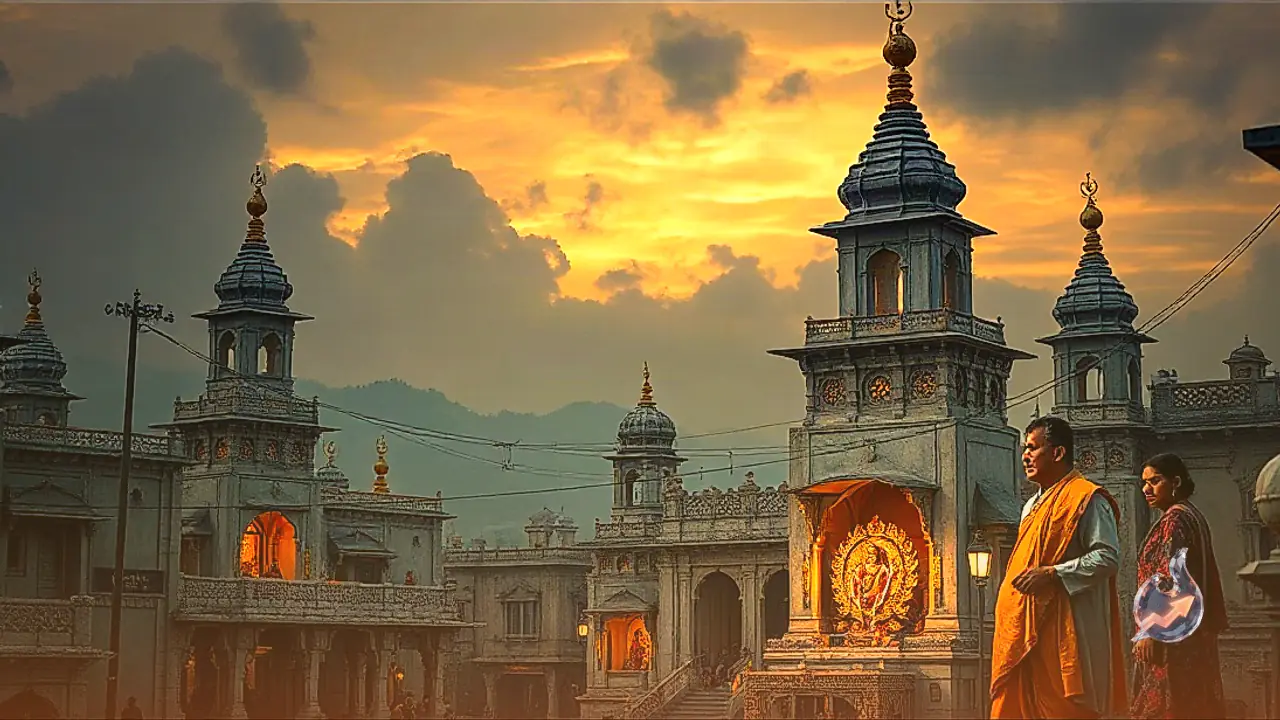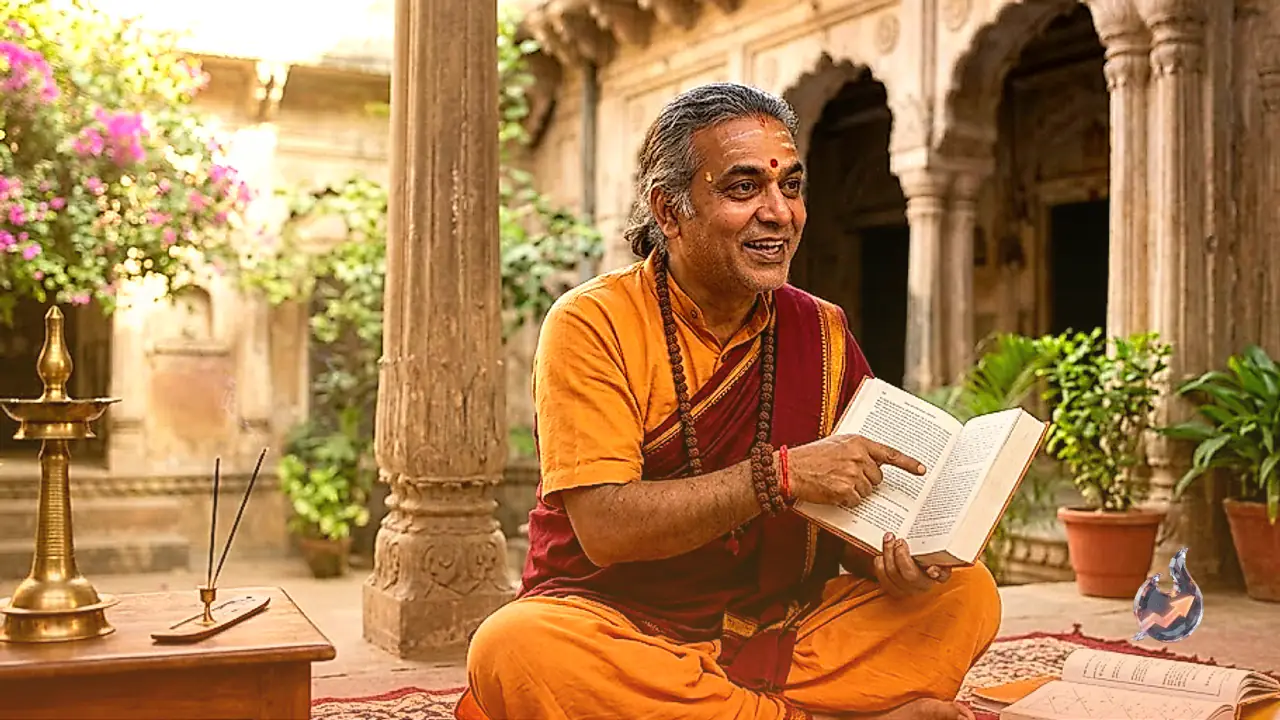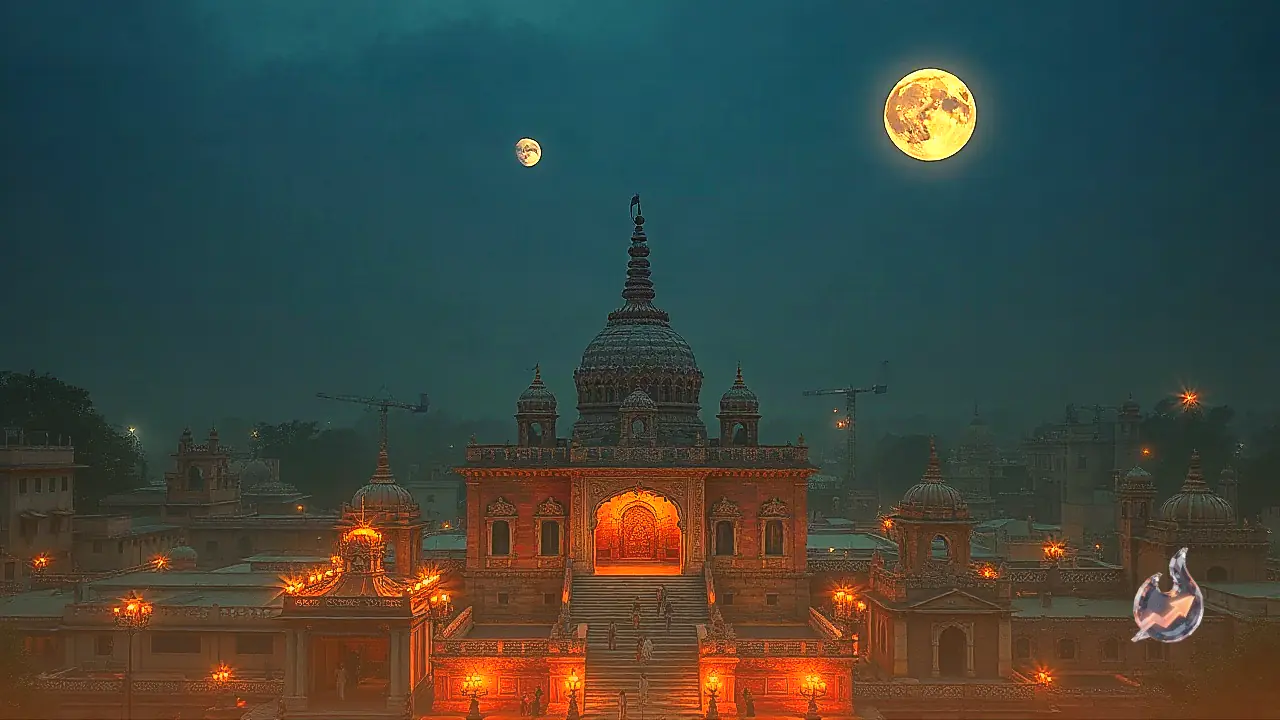
















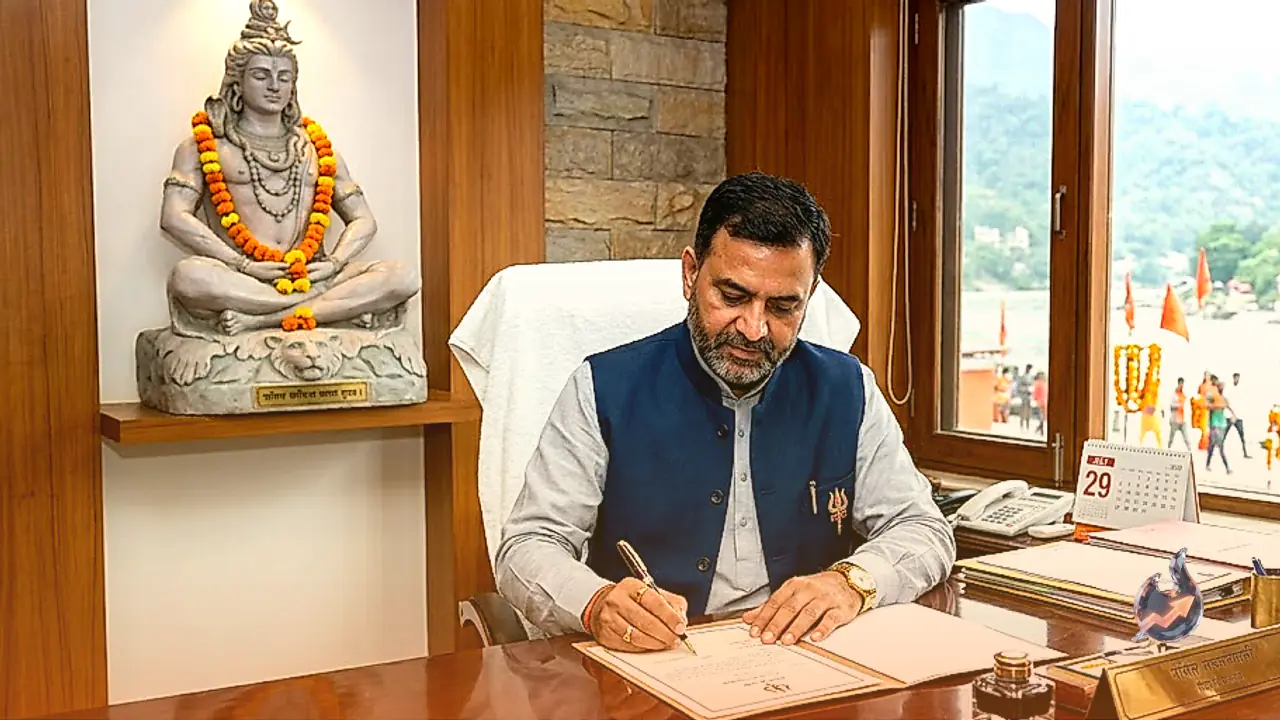

The full moon day of the Ashadha month holds immense religious significance in the Sanatan tradition. Beyond being celebrated for Guru Purnima and Maharshi Vyas Puja, this auspicious day is equally sacred due to Shiv Shayanotsava. This year, the festival of Shiv Shayanotsava will be observed with grand rituals on Wednesday, 29 July 2026. According to scriptural beliefs, while Lord Vishnu enters Yoganidra on Devshayani Ekadashi, Lord Shiva transitions into a state of deep meditative rest, known as Samadhi, starting from Ashadha Purnima. During this period, the vital responsibility of preserving, sustaining, and protecting the universe shifts to Lord Shiva's formidable and ever-vigilant form, Rudradev.
Cosmic Administration under Rudradev and the Analogy of President's Rule
As per religious scriptures, Shiv Shayanotsava marks the beginning of Rudradev's administrative tenure over the universe during the four-month Chaturmas period. This reign continues until Devutthana Ekadashi in the month of Kartik, when Lord Vishnu awakens from his cosmic sleep and re-assumes the stewardship of creation. Throughout this interim phase, Rudradev acts as both the creator and the sustainer of the cosmos. Scholars and theologians describe Rudradev's governance as akin to President's Rule in administrative terms.
A defining trait of this period is that Rudradev maintains a keen, watchful eye on every detail across the cosmos, whether minute or monumental. His justice is swift, and the fruits of one's actions are delivered without delay. For this reason, scriptures strictly advise adhering to discipline, vows, and moral rules during Chaturmas. Worshipping Rudradev during these four months is believed to neutralize planetary afflictions and alleviate various life hardships.
Temple Traditions, Special Rituals, and Shayan Aarti
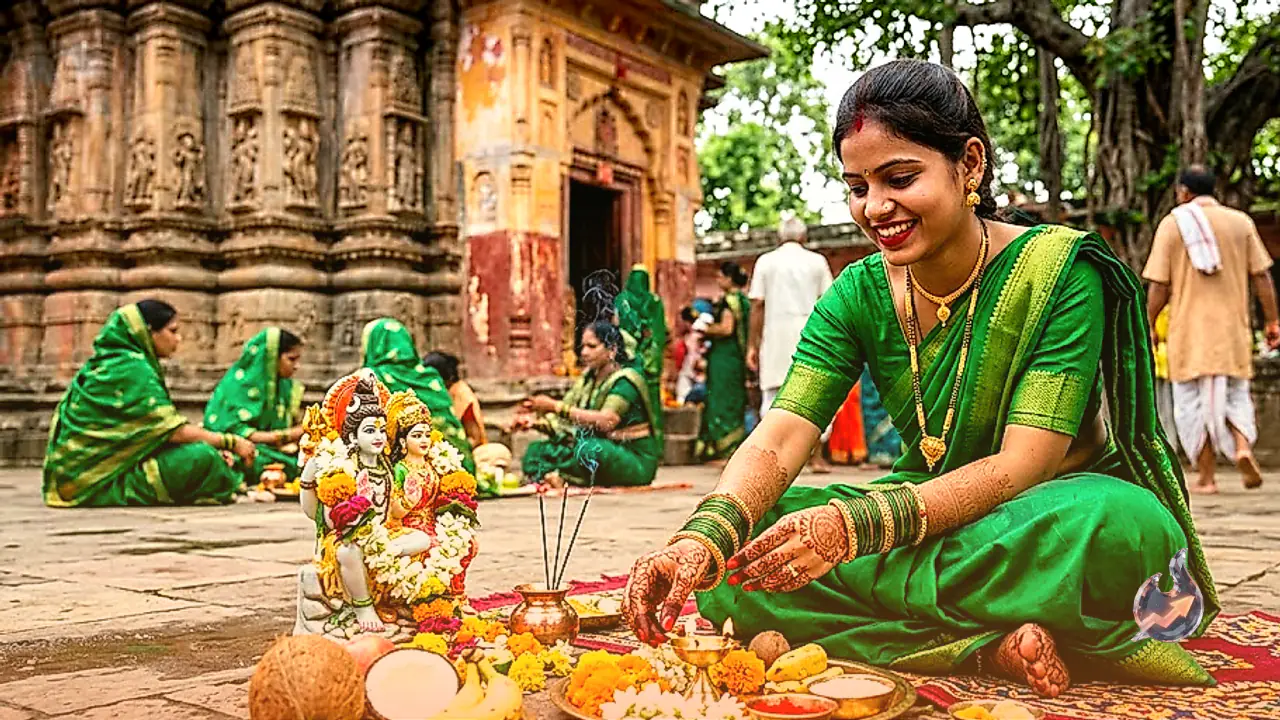
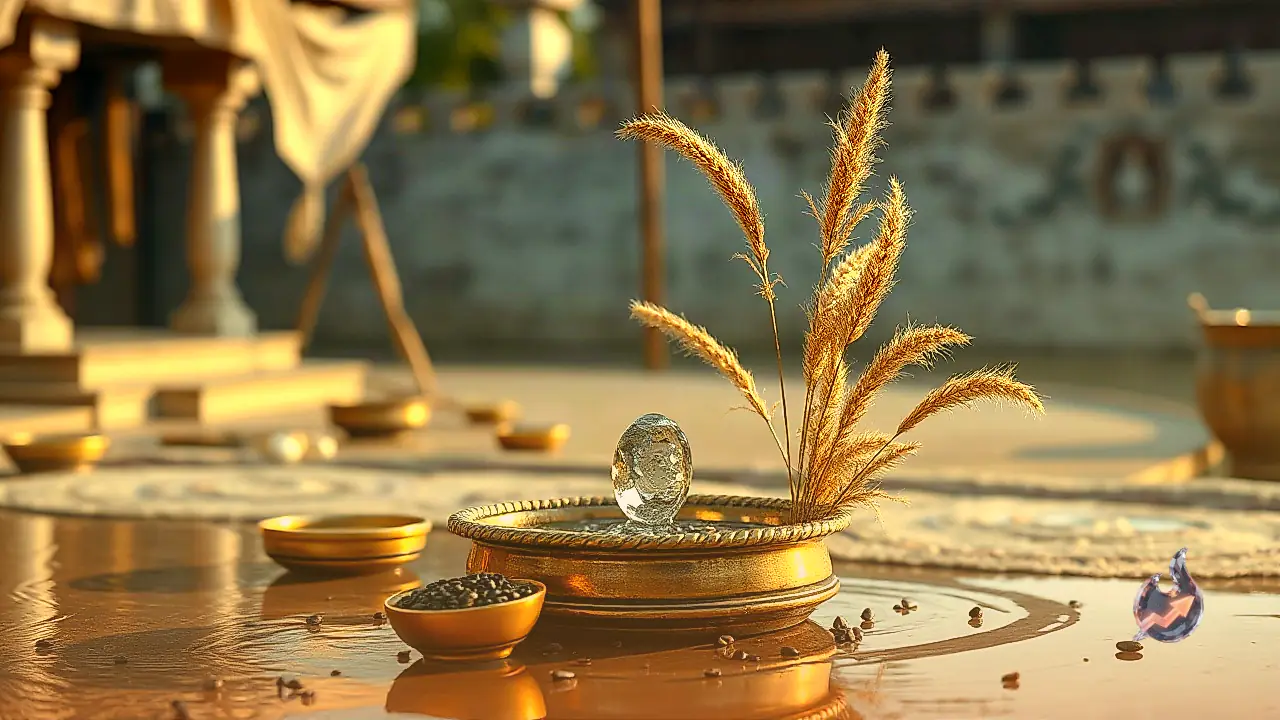
On Shiv Shayanotsava, elaborate rituals are organized at major Shaivite monasteries and historic Shiva temples across the country. Devotees perform sacred bathing rituals including Rudrabhisheka on the Shivalinga, followed by exquisite adornment of the deity, Shayan Aarti, and overnight devotional singing.
Worshippers offer sandalwood paste, bhang, belpatra, dhatura, fragrant flowers, and fresh fruits to seek divine blessings. Offering these traditional items is believed to bring peace, prosperity, good health, and family happiness. Shaivite traditions emphasize that while Lord Shiva remains in deep Samadhi during this time, his dynamic Rudra persona actively guards righteousness and protects humanity from evil forces.
Vedic and Puranic Glory of Lord Rudra
Vedic literature and ancient Puranas extensively glorify the attributes of Rudradev. In texts like the Rigveda, Yajurveda, and various Puranas, Rudra is revered as the ultimate source of cosmic energy. The hymns of the Rigveda acclaim Rudra as the mightiest among the mighty. Furthermore, he is depicted as resplendent, heroic, the dispeller of diseases, the lord of medicinal herbs, and the protector of all living beings. Rigvedic prayers invoke him to pacify his fierce nature and bestow health, longevity, and contentment upon his devotees.
In the Yajurveda's renowned Shri Rudram, also known as Namakam-Chamakam, Rudra is described as an all-pervasive divine force embedded throughout creation. The text highlights his presence in mountains, rivers, vegetation, animals, all cardinal directions, and every living entity. While he embodies destruction for the unrighteous, his ultimate nature is benevolent and auspicious, which is why he is revered as Shiva.
The Eleven Rudras and Spiritual Significance of Guru Purnima
Scriptures such as the Shiva Purana, Linga Purana, Vayu Purana, and Skanda Purana highlight Rudra as the protector of righteousness. According to these texts, whenever unrighteousness prevails and demonic forces cause suffering, Rudra manifests his fierce power to destroy evil and restore cosmic balance. These Puranas also detail the Ekadash Rudras, representing eleven distinct energies and powers of Lord Shiva.
Spiritual masters state that the confluence of Guru Purnima and Shiv Shayanotsava creates an extraordinary opportunity for spiritual growth, devotion, and austerity. Performing Rudrabhisheka, chanting the Mahamritunjaya mantra, worshipping one's spiritual guru, and engaging in acts of charity on this sacred date lead to mental tranquility and abundant divine grace.