























In traditional Hindu philosophy, marriage represents a sacred alliance where a couple undertakes enduring commitments before the sanctified fire. While taking circumambulations around the sacred fire forms the spiritual core of the wedding ceremony, pervasive confusion often surrounds the exact number of rounds mandated by original scriptures versus contemporary beliefs.
Scriptural Foundations of Four Circumambulations
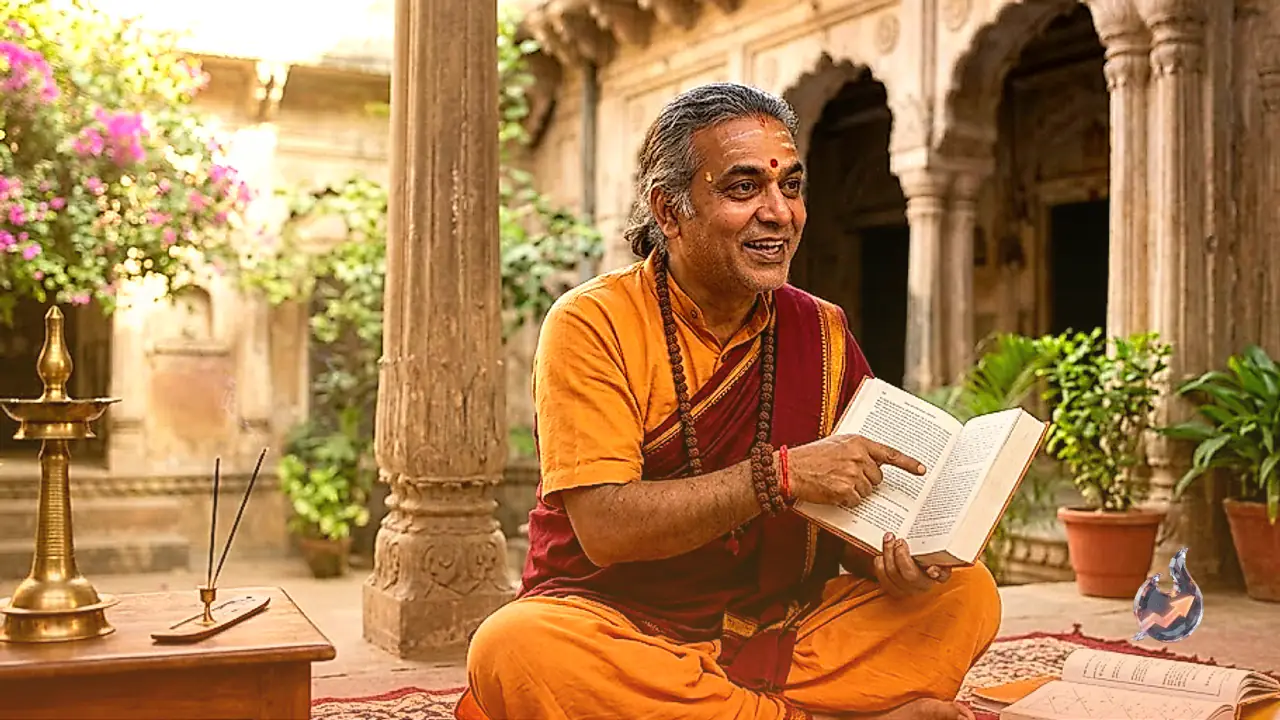
Classical texts and ancient books primarily specify four rounds rather than seven during the ceremonial fire ritual. Astrologer Pandit Uma Chandra Mishra of Faridabad explains that these four rounds correspond directly to the four cardinal pursuits of human life, namely Dharma, Artha, Kama, and Moksha. These principles constitute the foundational pillars that govern a harmonious household and provide stability to marital life.
Sequential Order and Shared Responsibilities
The ceremonial order places deliberate emphasis on equal partnership throughout the journey. Pandit Mishra notes that the bride leads the way during the first three rounds, while the groom takes the lead in the fourth round. This sequential arrangement signifies that both partners hold complementary and essential roles in fulfilling life's obligations. Embedded within these four rounds are commitments addressing vital facets of existence, including food sustenance, physical vigor, wealth accumulation, happiness, cattle and domestic wealth, adherence to natural seasonal rhythms, family security, and unwavering mutual fidelity.
Distinction Between Saptapadi and Fire Rounds
A central rite in the ceremony is Saptapadi, which denotes seven symbolic steps accompanying seven lifelong vows of responsibility and dedication. A widespread misconception arises when individuals conflate these seven steps with taking seven rounds around the sacred fire, even though both represent entirely separate rites. Pandit Uma Chandra Mishra points out that the popularisation of seven fire rounds stemmed largely from cinematic portrayals in mainstream cinema, leading audiences to assume it was formal scripture when traditional texts do not endorse seven full rounds.
The Concept of Three and a Half Rounds
Another theological viewpoint shared among scholars suggests that the actual circumambulation consists of three and a half rounds. Under this interpretation, the bride performs three and a half rounds and the groom performs three and a half rounds. When united as a single entity through marriage, the combined commitment equates symbolically to seven full rounds. Beyond numerical variations, the primary essence remains the comprehension of marital duties, guiding both spouses to stand firmly together through every circumstance of life.