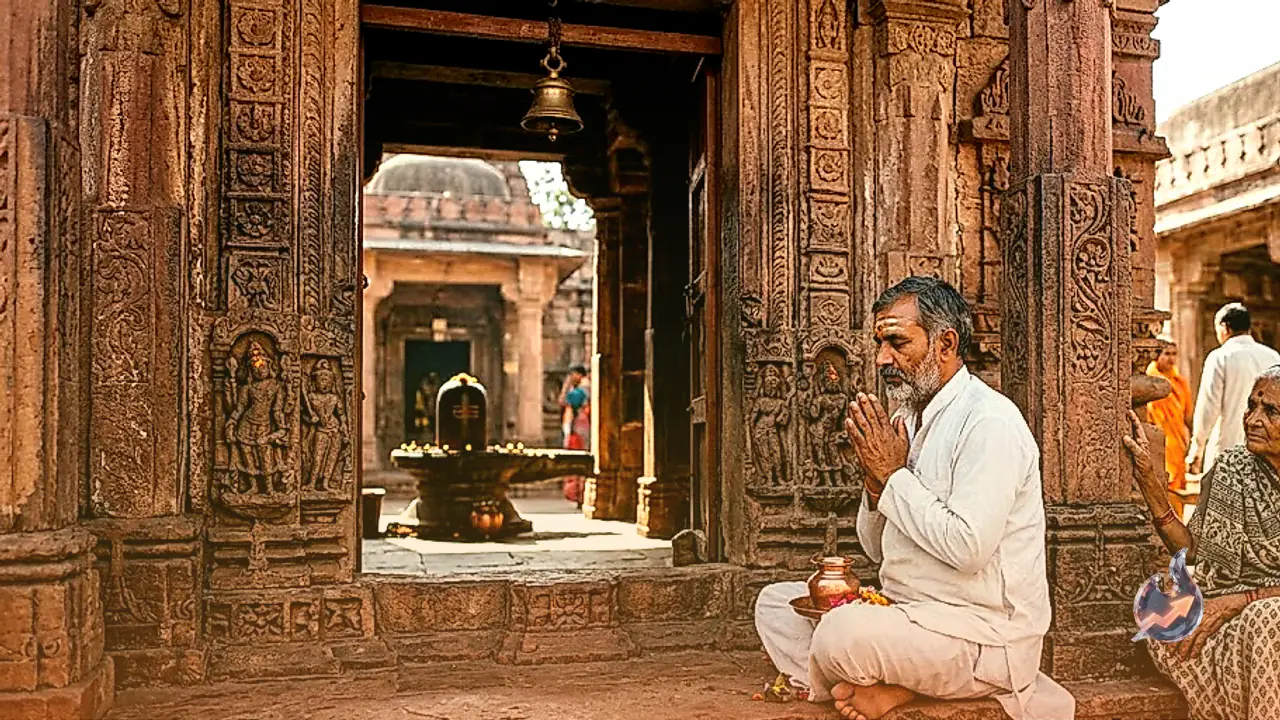





















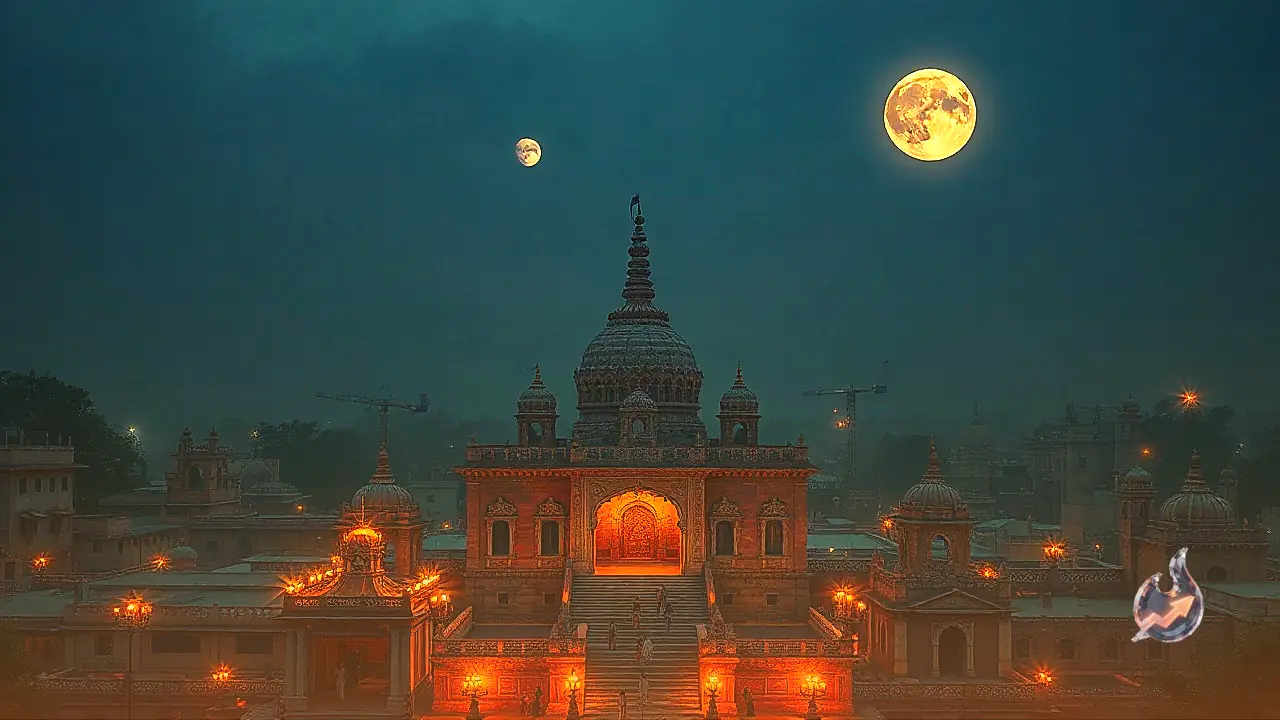

A spiritually potent and remarkably rare celestial alignment marks the second Monday of the holy Shravan month. Falling on 10 August 2026, this sacred day brings together Sawan Somwar and Som Pradosh Vrat, alongside the parana for Kamika Ekadashi. According to astrological calculations, such an auspicious conjunction has arrived after an interval of 6 years, making it an extraordinary window for devotees offering prayers, holy ablutions, and Vedic recitations to Lord Shiva.
Planetary Movements and Nakshatra Details
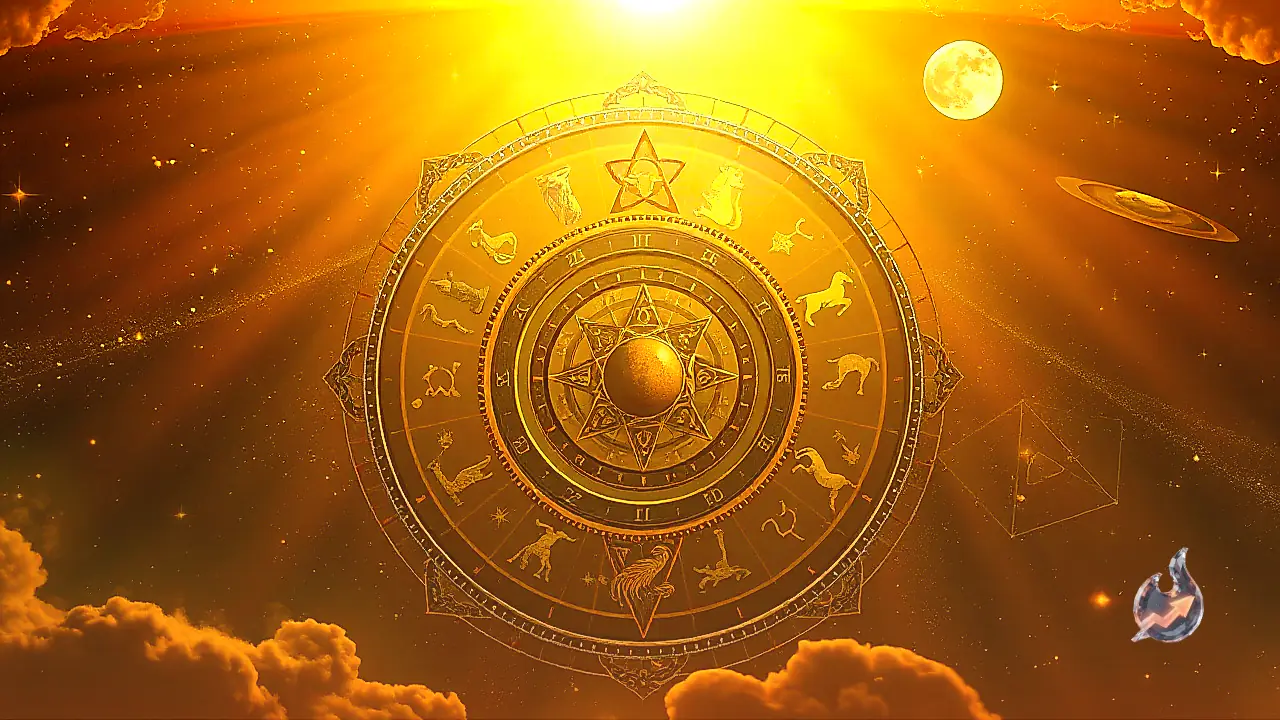
The astrological framework for the day reveals powerful planetary positions. Shravan Krishna Paksha Dwadashi tithi remains in effect until 08:00 AM, after which Trayodashi tithi begins and continues until 04:54 AM on 11 August. The moon stays in the Ardra nakshatra through the morning hours up to 12:26 PM, moving subsequently into Punarvasu nakshatra. Astrologically, the transit shifts the moon from Gemini toward Cancer. The sun continues its journey through Cancer while stationed in Ashlesha nakshatra.
Key planetary yogas and astronomical units guide the day's flow. Taitila karana prevails until 08:00 AM, handing over to Gara karana until 06:27 PM. In addition, Vajra yoga spans the day until 10:27 PM, after which Siddhi yoga takes over, creating favorable ground for meditative practices and spiritual resolve.
Sun and Moon Timings
The dawn breaks with sunrise at 06:05 AM, followed by sunset at 06:59 PM. The moonrise occurs late into the night at 03:00 AM, with almanac references tracking it up to 03:57 AM on 11 August. Moonset follows on the subsequent day at 05:14 PM. With the moon resting in Ardra nakshatra until 12:27 PM, morning rituals associated with water ablutions carry significant cultural importance among worshippers seeking mental calm and devotion.
Ritual Method for Rudrabhishek and Shiva Worship
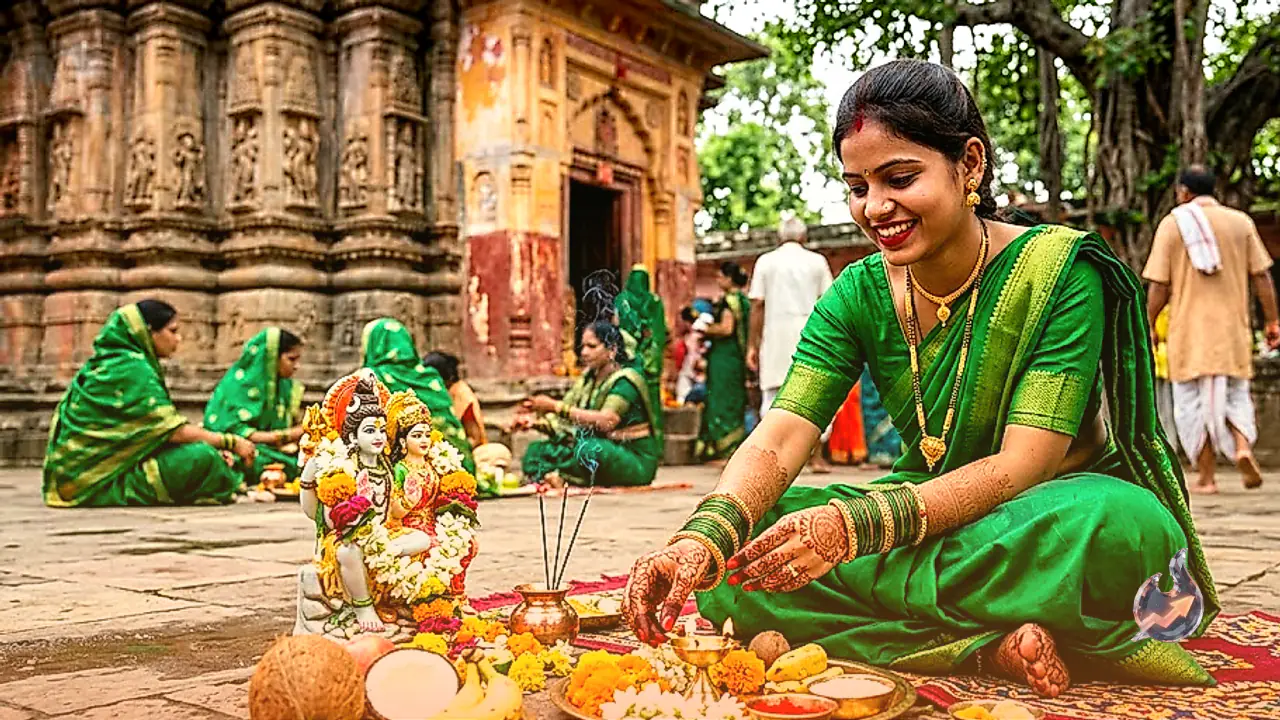
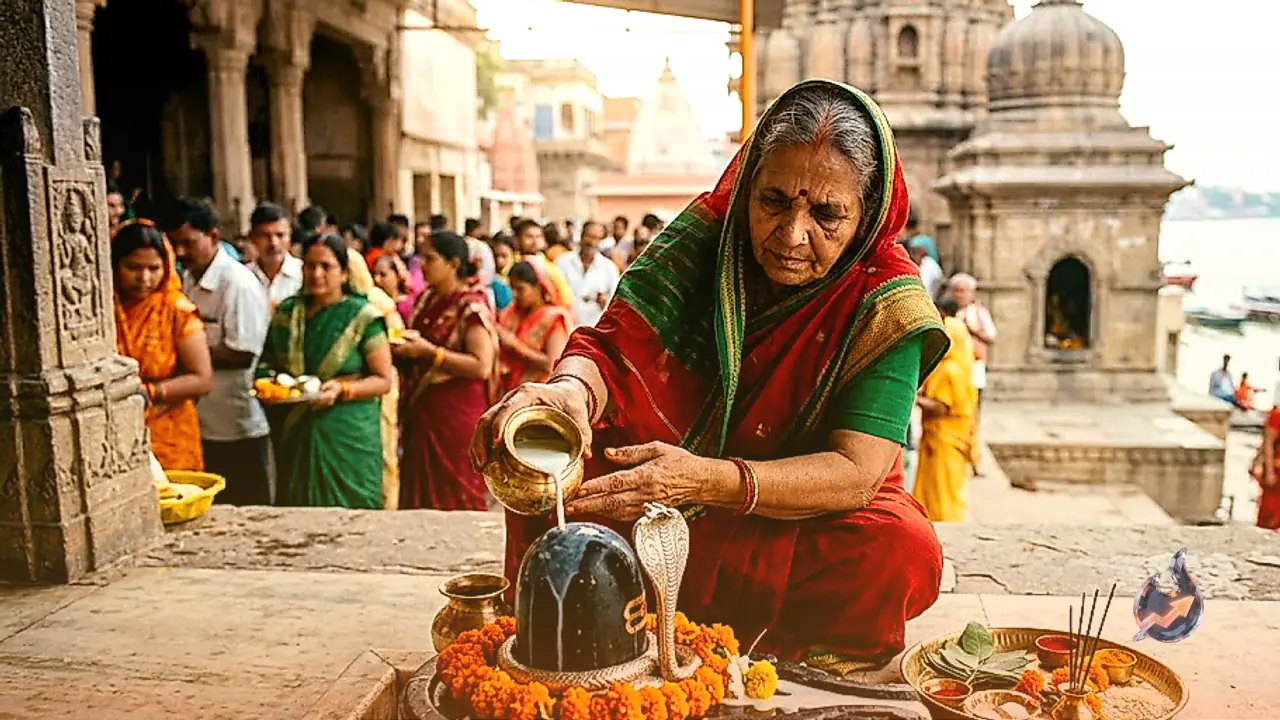
When a Pradosh fasting day aligns directly on a Monday, traditional scriptures designate it as Som Pradosh. Observances begin during early dawn. After taking a bath and wearing fresh clothes, one takes a vow for the fast. Meditation upon Lord Shiva and Goddess Parvati sets the spiritual intention for the entire period. Offerings at the Shivalinga commence with clean, fresh water, followed by an elaborate holy bath using milk, curd, honey, and sacred water from the Ganga.
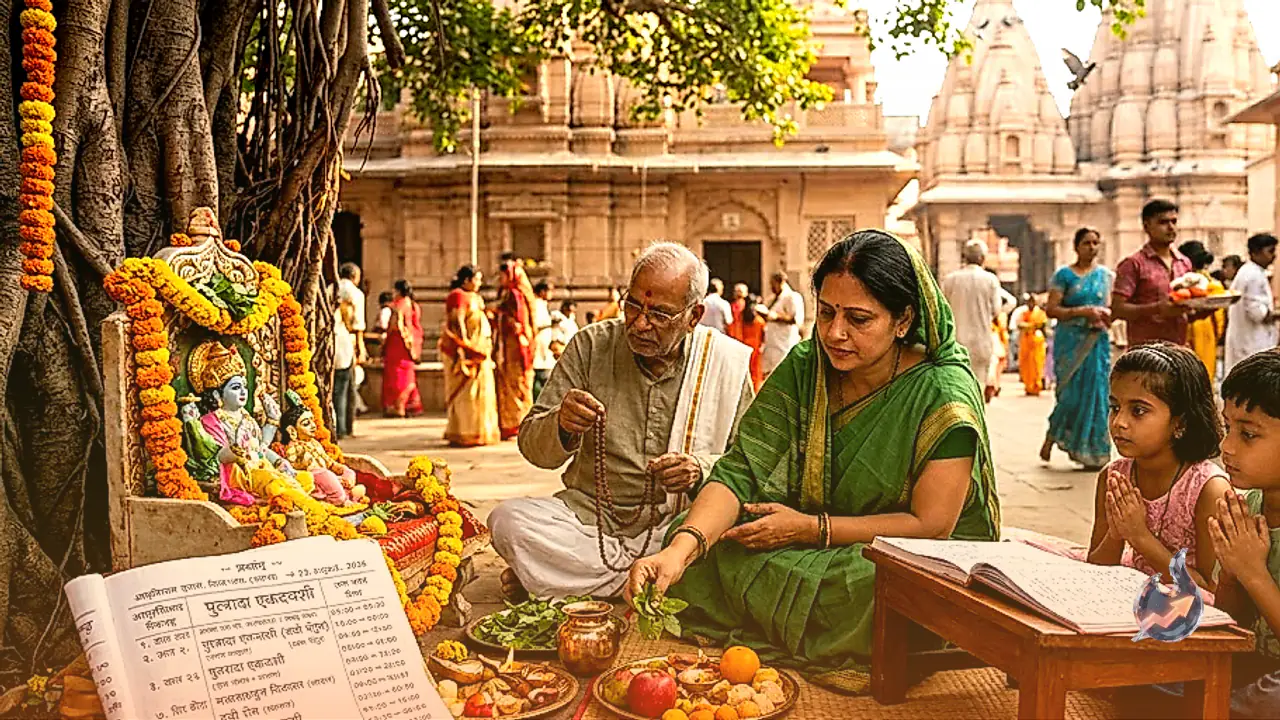
Worshippers adorn the Shivalinga with chandan paste and akshat, subsequently placing bel leaves, aak blossoms, dhatura, and delicate white flowers upon it. Lit incense sticks and oil lamps accompany the continuous chanting of the sacred mantra Om Namah Shivaya. Recitations of the Shiva Chalisa or the Rudrashtakam are frequently performed during these hours. Devotees perform a secondary worship session in the evening during the Pradosh twilight hours, concluding with the traditional aarti to seek domestic serenity, health, and spiritual growth. The fast is observed by unmarried individuals seeking suitable life partners, while married women observe it for family prosperity and their spouse's well-being.
Auspicious Timings on 10 August 2026
To assist in scheduling prayers and ceremonial activities, the major auspicious periods during the day are structured as follows
- Brahma Muhurat: 04:23 AM to 05:06 AM
- Abhijit Muhurat: 12:01 PM to 12:54 PM
- Vijaya Muhurat: 02:40 PM to 03:33 PM
- Godhuli Muhurat: 07:06 PM to 07:27 PM
- Nishita Muhurat: 12:06 AM to 12:49 AM on 11 August
- Shivvas Placement: Shiva rests on Nandi until 08:00 AM, transitioning to Bhojan mein until 04:54 AM on 11 August.
Inauspicious Windows to Avoid
Traditional guidelines advise setting aside moments of inauspicious planetary friction when planning new endeavors
- Rahukaal: 07:28 AM to 09:08 AM
- Yamaganda: 10:47 AM to 12:27 PM
- Gulika Kaal: 02:07 PM to 03:46 PM
- Durmuhurat: 12:54 PM to 01:47 PM
- Vidal Yoga: 12:26 PM to 05:49 AM on 11 August
- Varjyam: 11:18 PM to 12:44 AM on 11 August
- Bhadra: 04:54 AM to 05:49 AM on 11 August