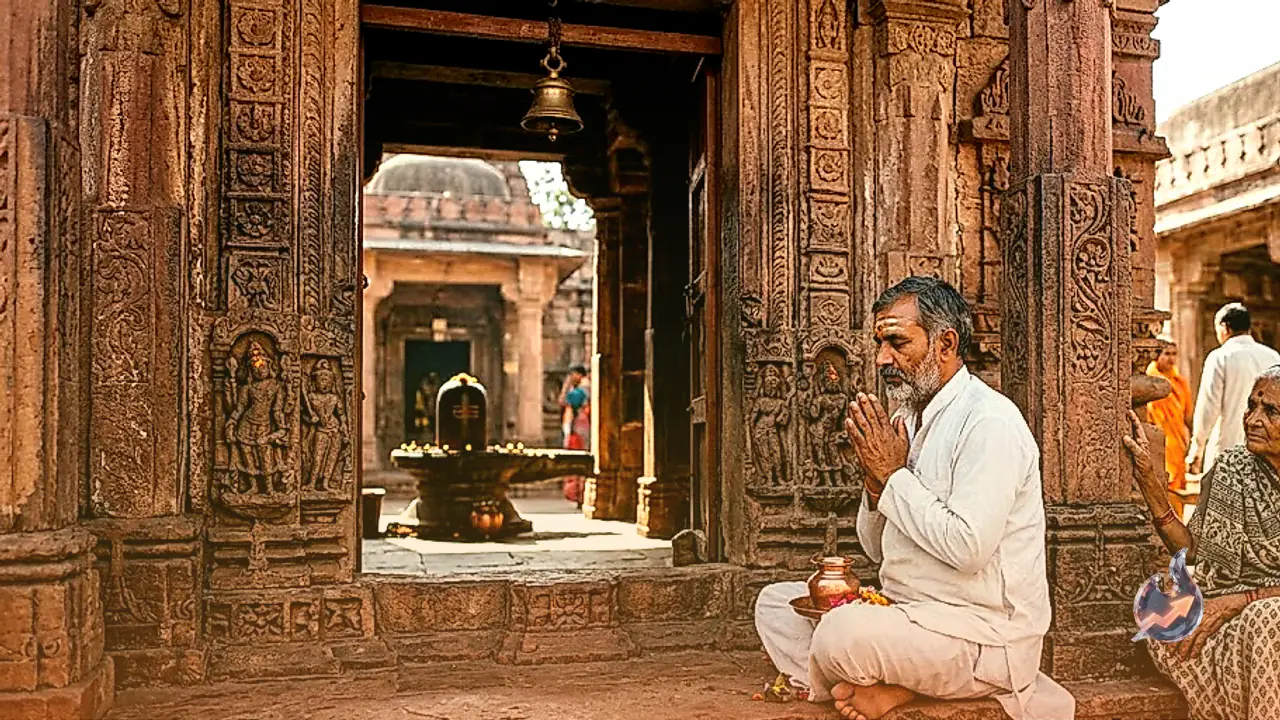



















Celebrated every year on the Tritiya date of the Shukla Paksha in the month of Sawan, the sacred festival of Hariyali Teej will take place on Saturday, August 15. The day brings a unique calendar alignment as India marks Independence Day on the exact same date. Within the Hindu tradition, Hariyali Teej holds deep religious meaning for women who observe it with immense devotion for marital bliss and family prosperity. The arrival of the monsoon covers nature in lush greenery, giving the occasion its traditional name of Hariyali Teej. The day also commemorates the celestial reunion between Lord Shiva and Goddess Parvati. For women planning to observe the fast for the very first time, understanding the required customs, step-by-step rituals, and religious importance is essential. Unmarried girls seeking a suitable life partner are also eligible to observe this sacred fast.
A Celebration of Marital Devotion and Spiritual Penance
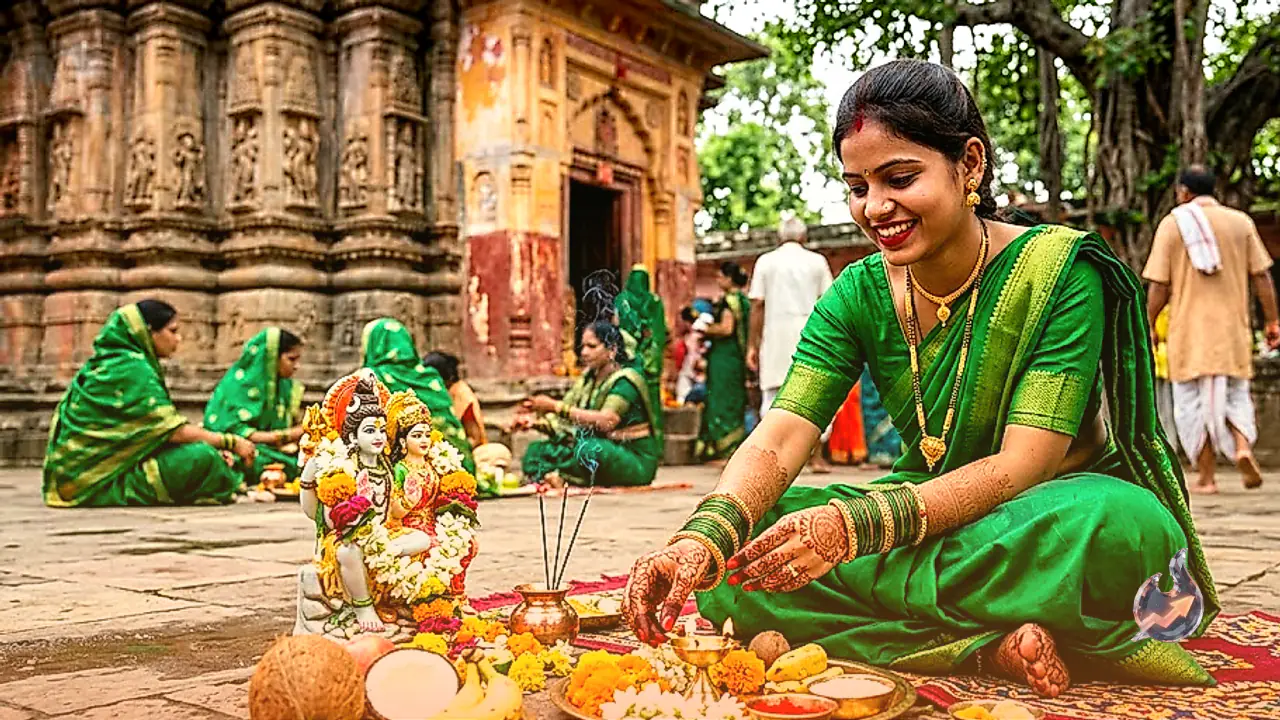
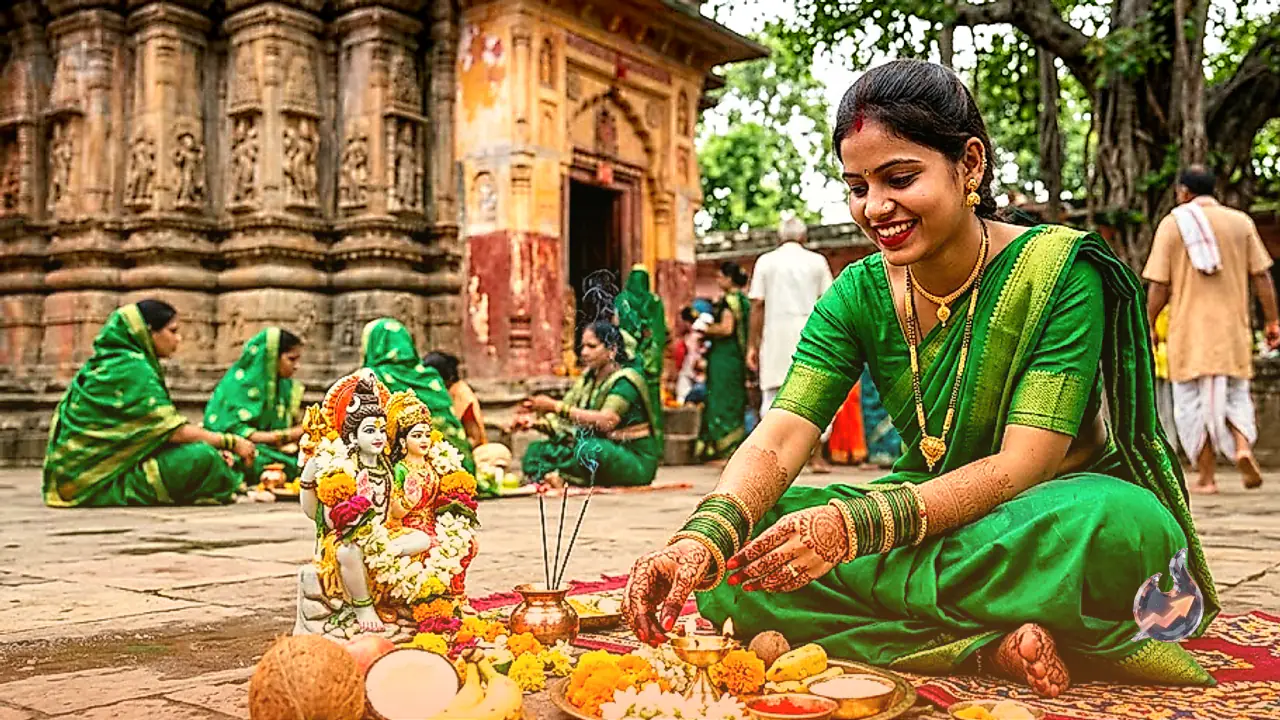
According to ancient religious beliefs, Goddess Parvati performed rigorous and prolonged penance to receive Lord Shiva as her spouse. Moved by her unwavering determination, patience, and devotion, Lord Shiva accepted her as his consort. Consequently, Hariyali Teej stands as an enduring emblem of spousal love, mutual sacrifice, and happy marital life. On this day, married women undertake an arduous waterless fast while praying for the longevity, sound health, and well-being of their husbands. Women adorn themselves with the customary sixteen adornments known as solah shringar, apply intricate henna patterns to their hands, and dress in green attire accompanied by green bangles. In various cultural regions, women gather to swing on festive swings while singing traditional regional folk songs.
Auspicious Timings and Tritiya Tithi Details
According to the traditional calendar, the Tritiya tithi will commence on Friday, August 14 at 6:46 PM. This astrological phase will remain in effect until the following evening of Saturday, August 15, ending at 5:28 PM. As Hindu religious festivals adhere to the Udaya Tithi system, where celebrations are governed by the tithi present at sunrise, Hariyali Teej will be observed across the country on Saturday, August 15. The most auspicious window for conducting the worship rituals will extend from sunrise until 9:08 AM on August 15. Devotees are encouraged to complete their core puja ceremonies during this auspicious morning period.
The Sindhara Custom and Significance of Sixteen Adornments
A cherished aspect of Hariyali Teej involves the maternal home delivering a special customary gift package known as Sindhara to the married daughter. This gift bundle traditionally consists of clothing, green bangles, festive sweets like ghevar, and an assortment of beauty cosmetics. Women fasting for the occasion customarily wear the saree received in their Sindhara basket. Donning green garments is considered particularly favorable because green reflects nature, vitality, and prosperity. The practice of solah shringar is deeply connected to auspiciousness and marital status, making it an indispensable part of preparing for the sacred rituals.
Step-by-Step Worship Guide for Beginners
Women observing the Hariyali Teej fast for the very first time should follow this structured sequence of rituals
- Morning Cleansing and Sankalp: Rise early during the morning hours, clean the home environment, take a bath, and dress in fresh green clothing. Take a ceremonial pledge with water in hand to observe the waterless nirjala fast throughout the day.
- Altar Setup and Deity Installation: Purify the designated worship corner using sacred water and place a clean wooden platform there. Cover the stool with a clean cloth and sculpt images of Lord Shiva, Goddess Parvati, and Lord Ganesha using clean black clay or river sand.
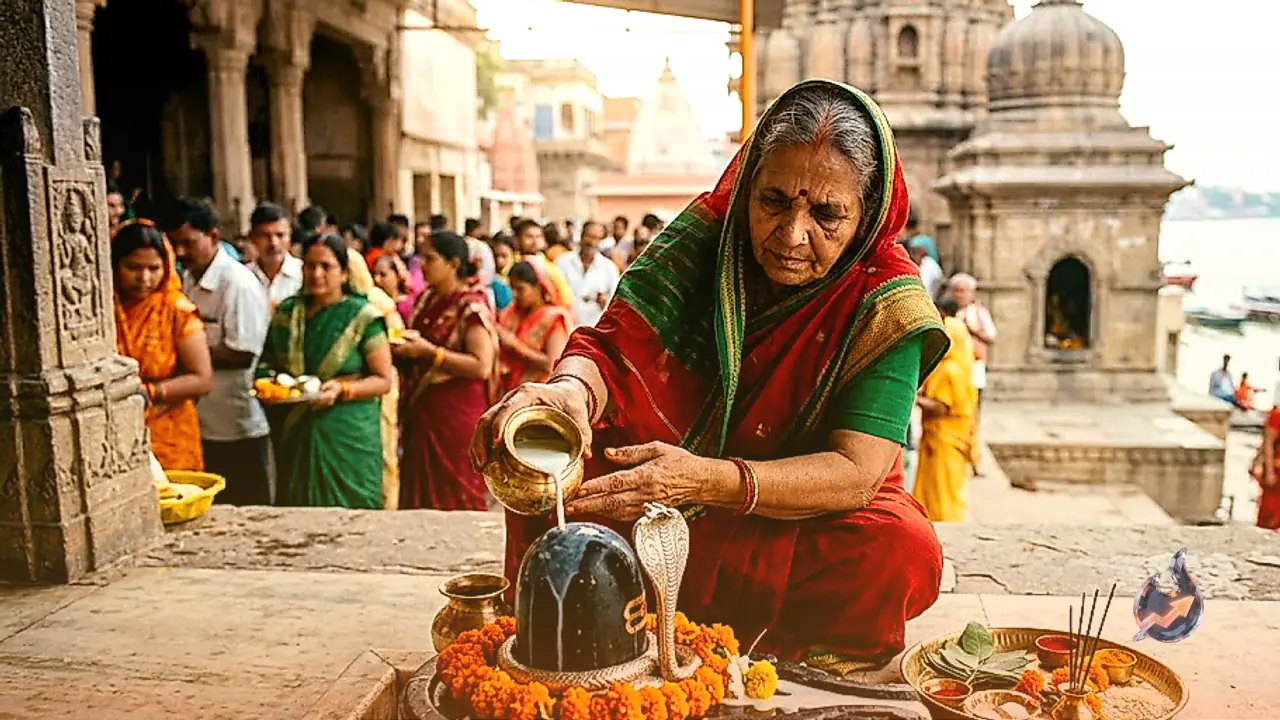
- Offering Sacred Articles: Present Goddess Parvati with sixteen traditional marital items, including green bangles, vermilion, bindi, henna, kohl, and a red chunri. Offer Lord Shiva sacred holy water, bael leaves, dhatura, cannabis leaves, uncooked rice grains, white flowers, and sandalwood paste.
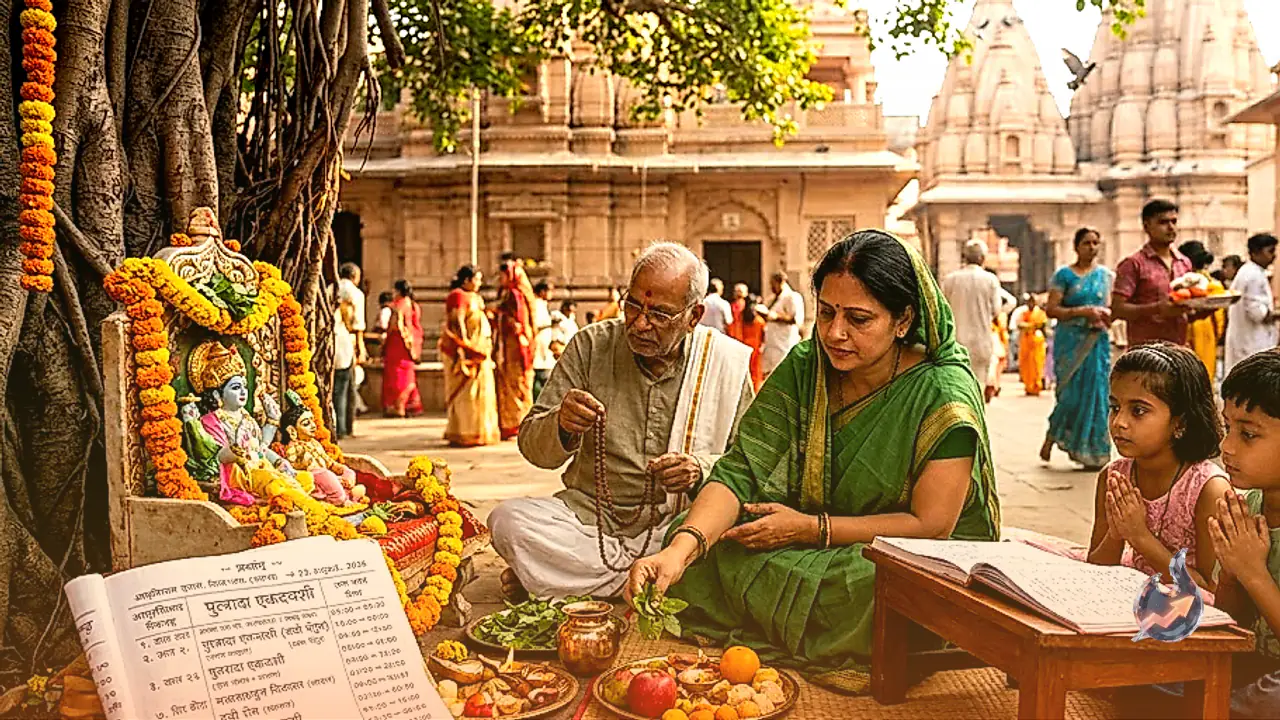
- Vrat Katha and Aarti: Light a ghee lamp and incense sticks in front of the deities. Read or listen attentively to the traditional Hariyali Teej fast narrative. Once the story concludes, perform the ceremonial aarti and touch the feet of family elders to obtain their blessings.
- Concluding the Fast: The Hariyali Teej observance involves refraining from food and water throughout the day. The fast is not broken on the evening of the festival; rather, parana is conducted the following morning after taking a bath, offering morning prayers, and presenting charity to the needy.
Cultural Importance of the Festive Swing
The practice of women enjoying tree swings is one of the most vibrant customs linked with Hariyali Teej. Traditional folklore recounts that when Goddess Parvati finally reunited with Lord Shiva after her grueling penance, her female companions erected swings to rejoice in the momentous occasion. That ancient celebration sparked the continuous tradition of swinging during the monsoon month of Sawan. While swinging is not a mandatory liturgical rule of the puja itself, it remains a beloved festive and social custom. This tradition is practiced with immense enthusiasm across Western Uttar Pradesh, Rajasthan, and Haryana, where both married women and unmarried maidens take part in the joyful swings and celebratory songs.