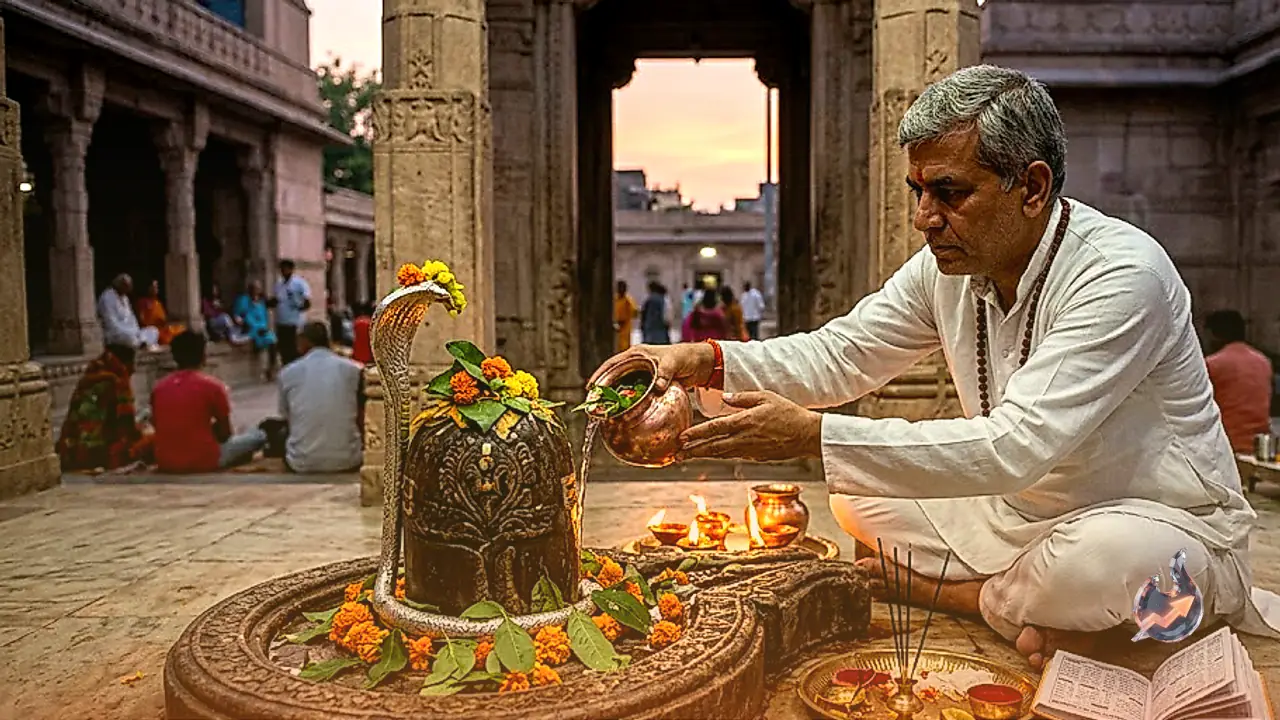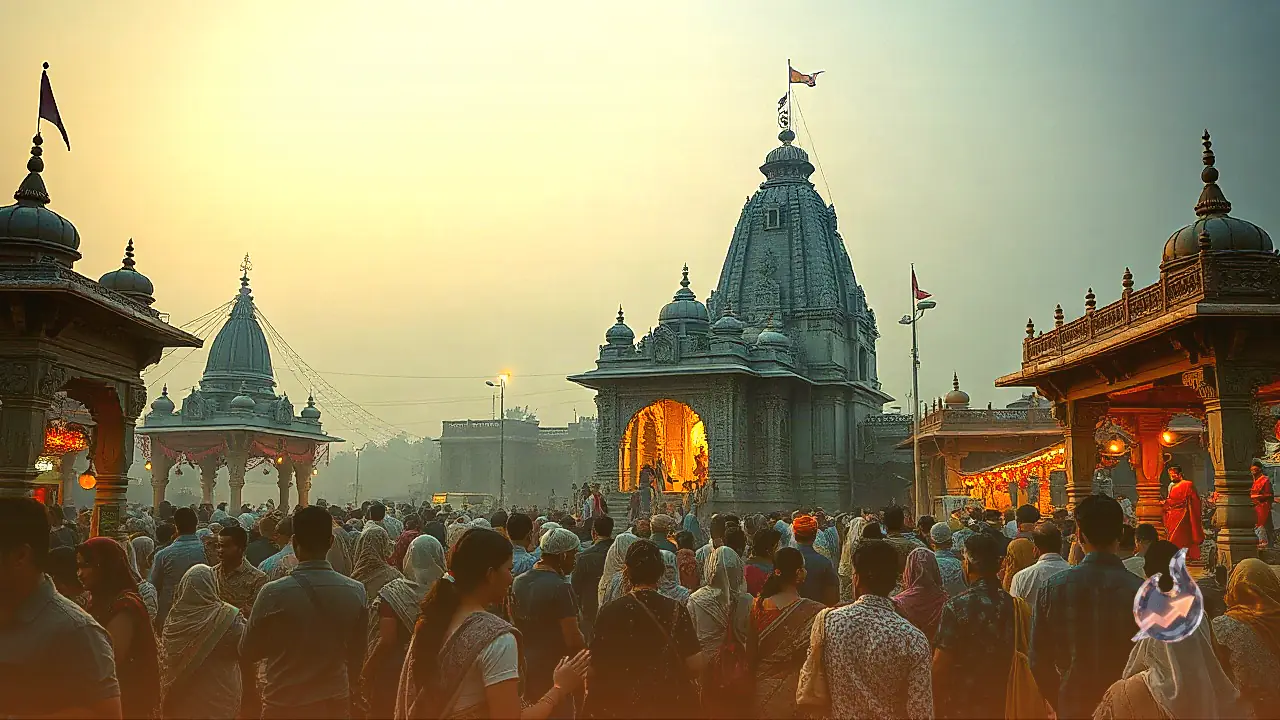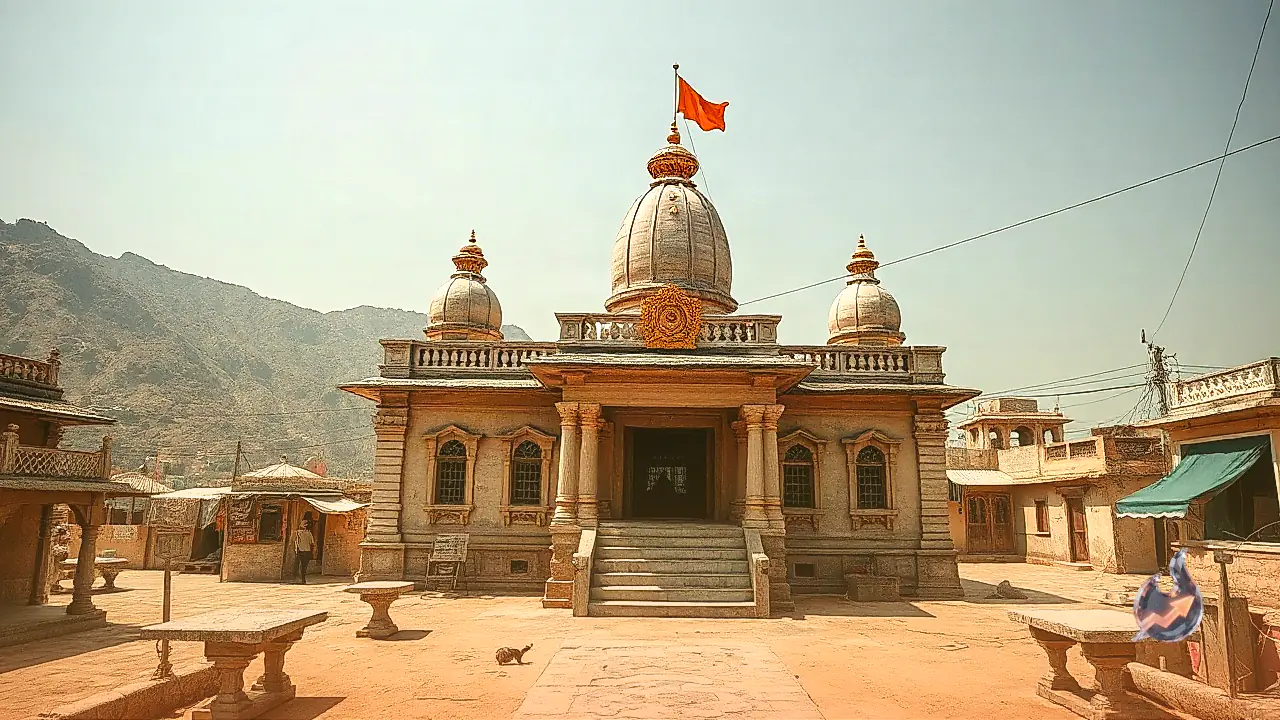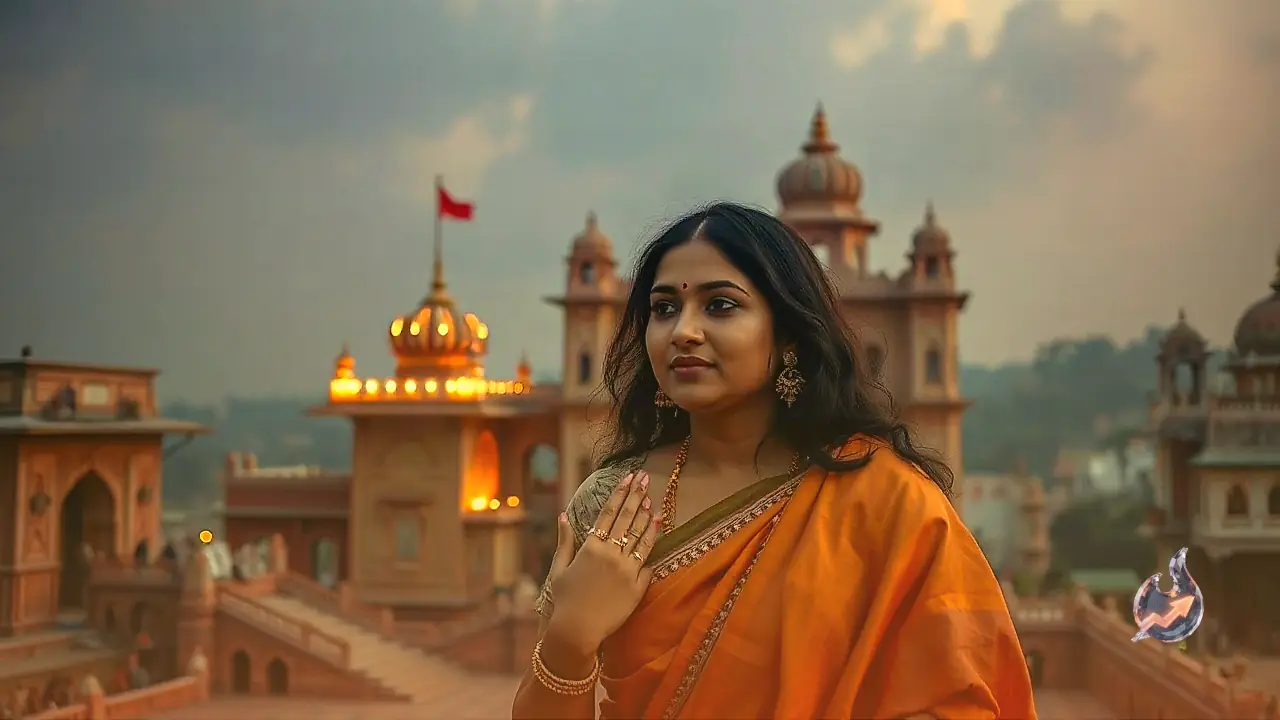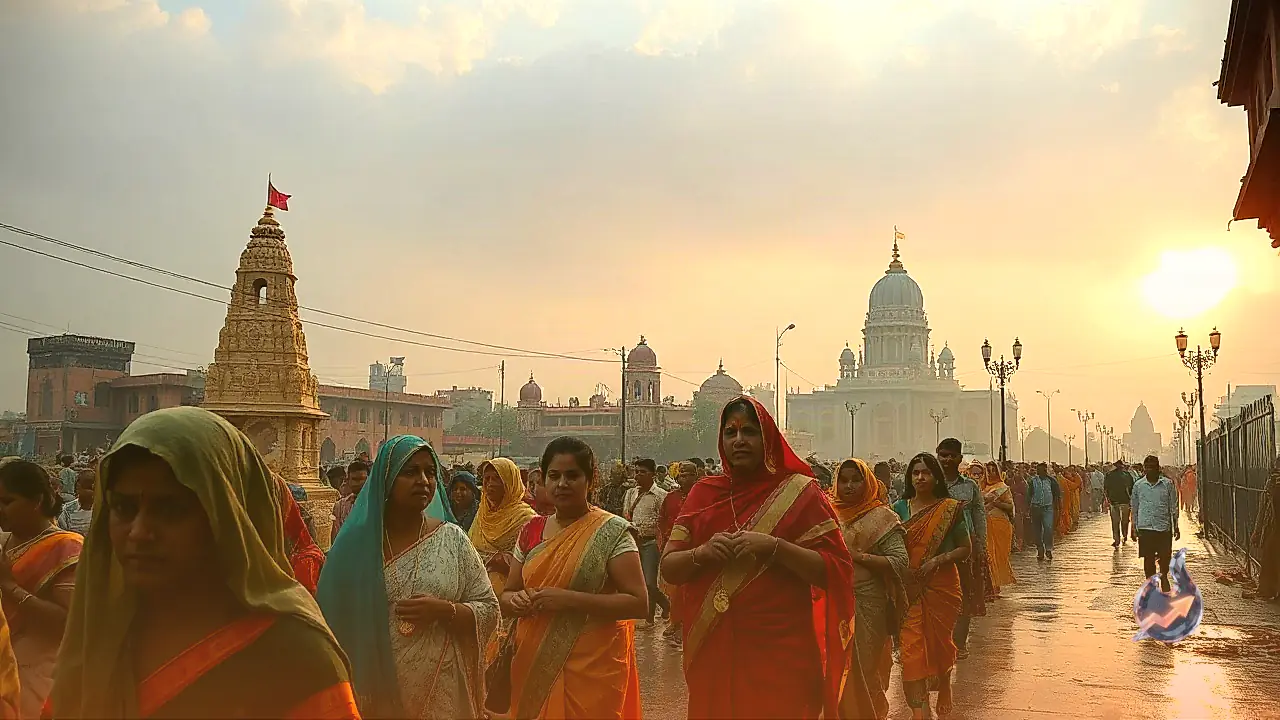






















The festival of Basant Panchami occupies an exceptionally auspicious place in Hindu scriptures. Traditional teachings recognise only five supreme timing windows across the entire annual calendar, termed as the Panch Mahamuhurat, and Basant Panchami stands as a prominent one among them. Consequently, this sacred occasion is not merely reserved for offering prayers to Goddess Saraswati, but serves as a universally blessed date for starting fresh ventures, solemnising marriages, setting wedding alliances, and conducting sacred rites such as Upanayana, Annaprashan, and Karnavedha.
Spiritual Essence of the Occasion Explained by Vindhyadham Scholar
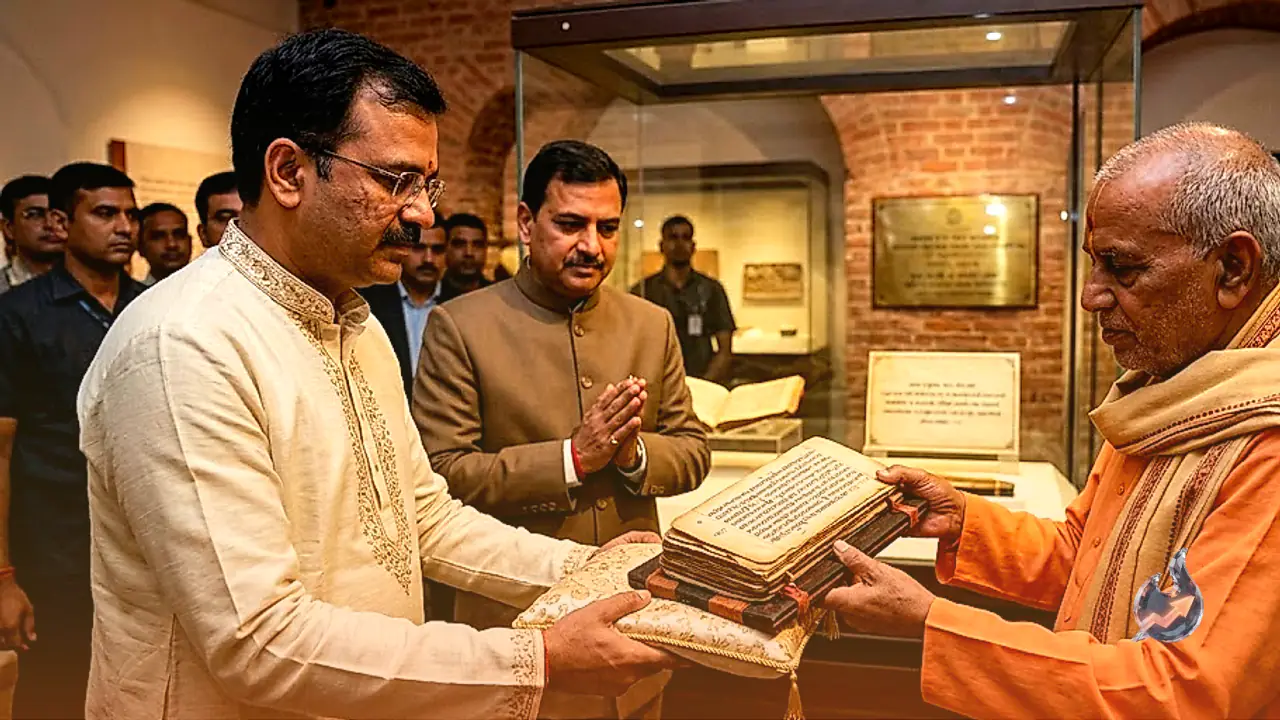
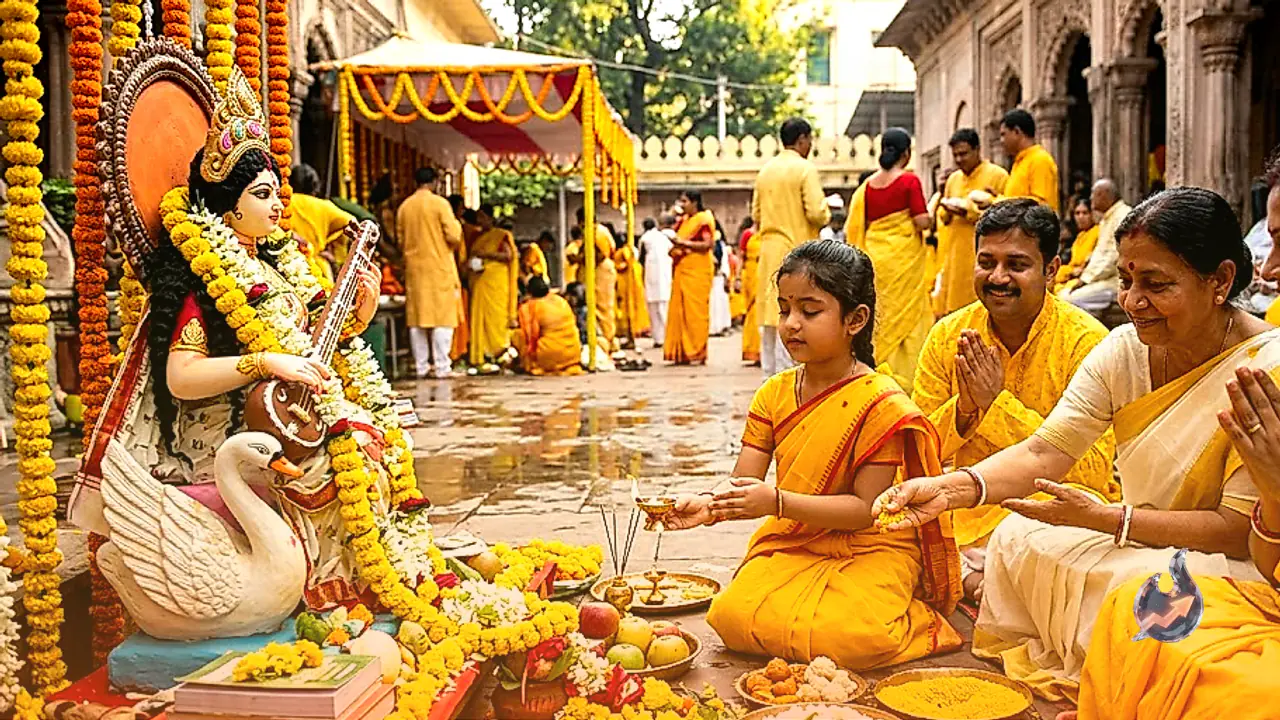
Explaining the deeper significance behind the festival, scholar Acharya Pt. Anupam Maharaj from Vindhyadham shared that Basant Panchami marks a profound period of transformation. It is honoured as a major astrological window that encapsulates the essence of diverse vibrant colours and renewed insight. Across various educational institutions and family homes, children and devotees worship the divine carrier of the Veena, Goddess Saraswati. Reciting hymns dedicated to the Goddess and chanting her sacred mantras invokes divine grace, conferring knowledge and spiritual accomplishment upon sincere seekers.
For students in particular, the scholar emphasised the importance of presenting themselves before Goddess Saraswati. In the Vindhya region, the deity resides in her revered Ashtabhuja eight-armed manifestation, offering pilgrims an opportunity to seek direct blessings. According to traditional practices, offering fresh white flowers along with white garments pleases Goddess Saraswati deeply, prompting her to bestow cherished wishes, enduring mental peace, and lifelong achievement upon her followers.
Three Key Auspicious Windows Available Throughout the Day
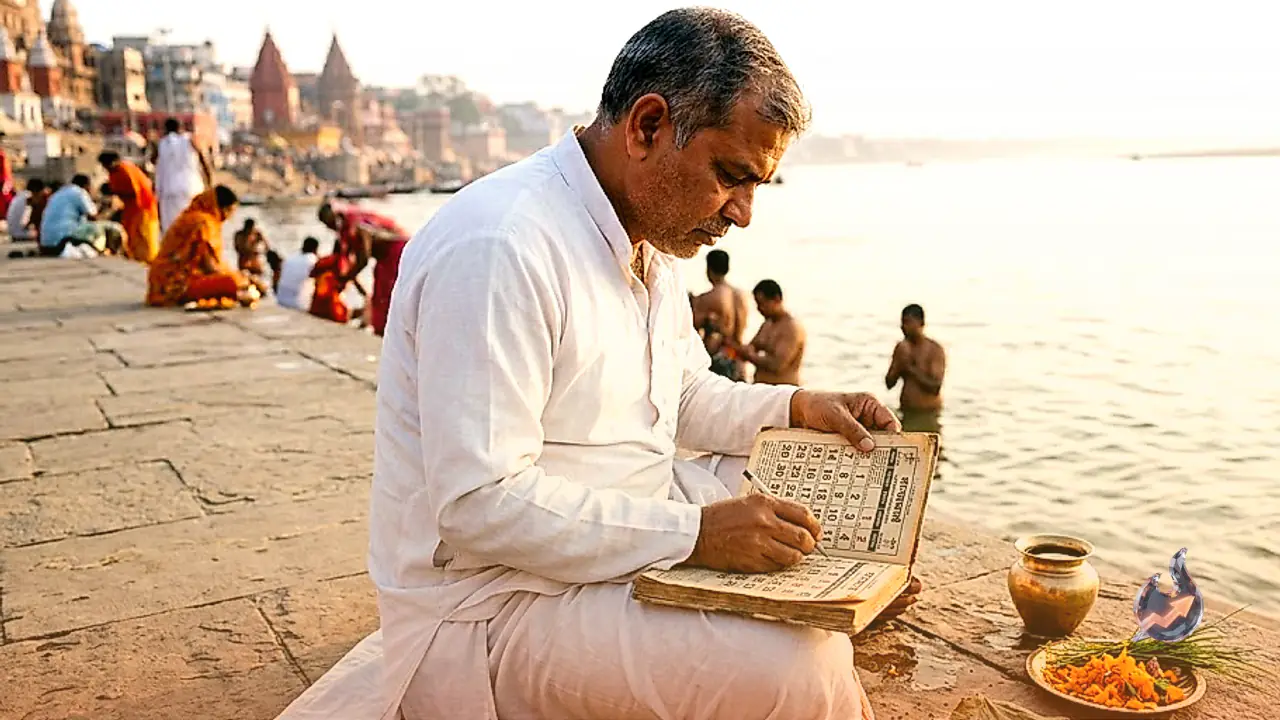
Devotees planning to perform rituals or commence new domestic undertakings have been provided specific astrological spans. Pt. Anupam Maharaj detailed that the most favourable morning period commences at 7:13 AM and extends until 9:40 AM. For those observing prayers during the midday stretch, a specific window is open between 11:32 AM and 11:56 AM.
Furthermore, worshippers who prefer evening ceremonies can carry out their rituals from 5:17 PM to 7:40 PM. Because the entire day belongs to the rare category of five supreme windows, any auspicious deed remains thoroughly sanctified. Whether one plans a sacred thread ceremony, a child's first solid food intake, a marriage ceremony, or formalising a matrimonial match, all such endeavours can proceed seamlessly without hesitation.
Simple Home Study Rituals Outlined for Students
For academic learners aiming to conduct their prayers directly inside their homes, the Acharya outlined a straightforward devotional procedure. Students should place their study books and notebooks neatly before them, set up an image of Goddess Saraswati, and arrange a small offering of traditional sweets. The study materials should first be sanctified with burning incense.
Following this, devotees ought to symbolically bathe the deity using a gentle sprinkle of clean water. After applying a ceremonial tilak, learners should dedicate at least one uninterrupted hour to focused studying. For younger children, continuous recitation of the mantra Om Saraswatyai Namah is particularly recommended. Engaging in this chant expands intellect, scholarly success, and reputation, smoothing over hurdles and paving the path toward elevated accomplishments in academia.