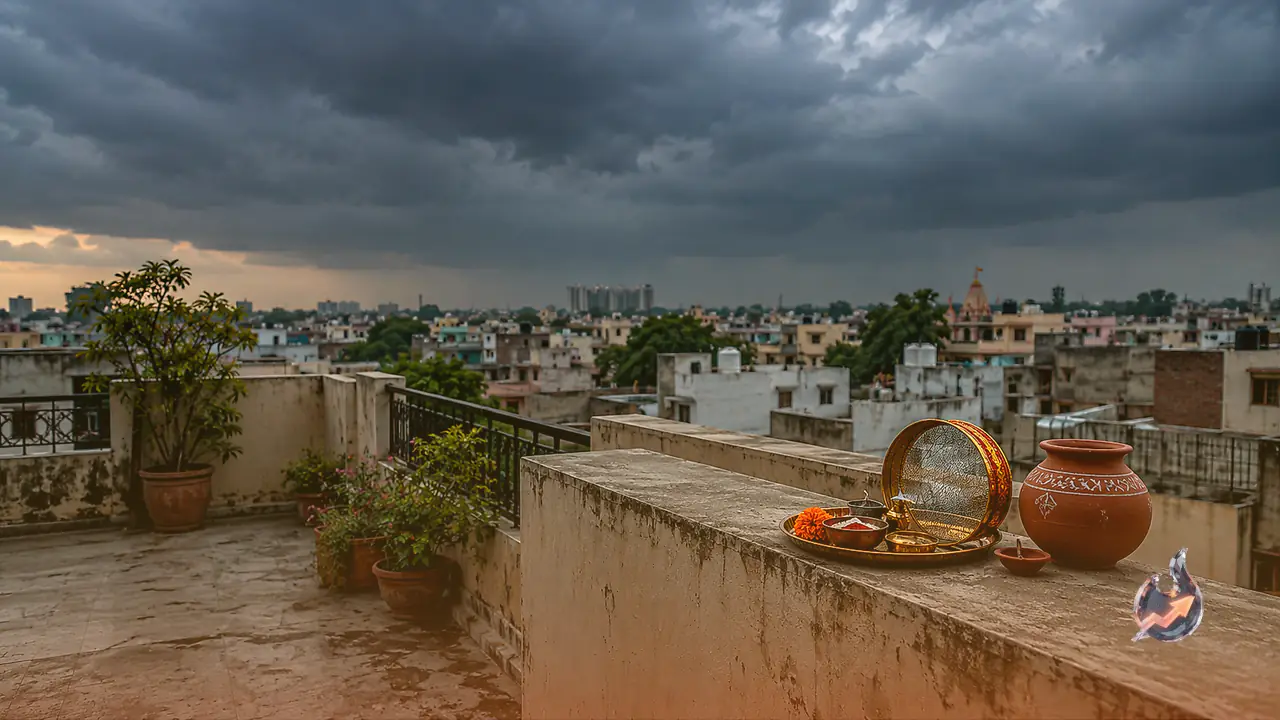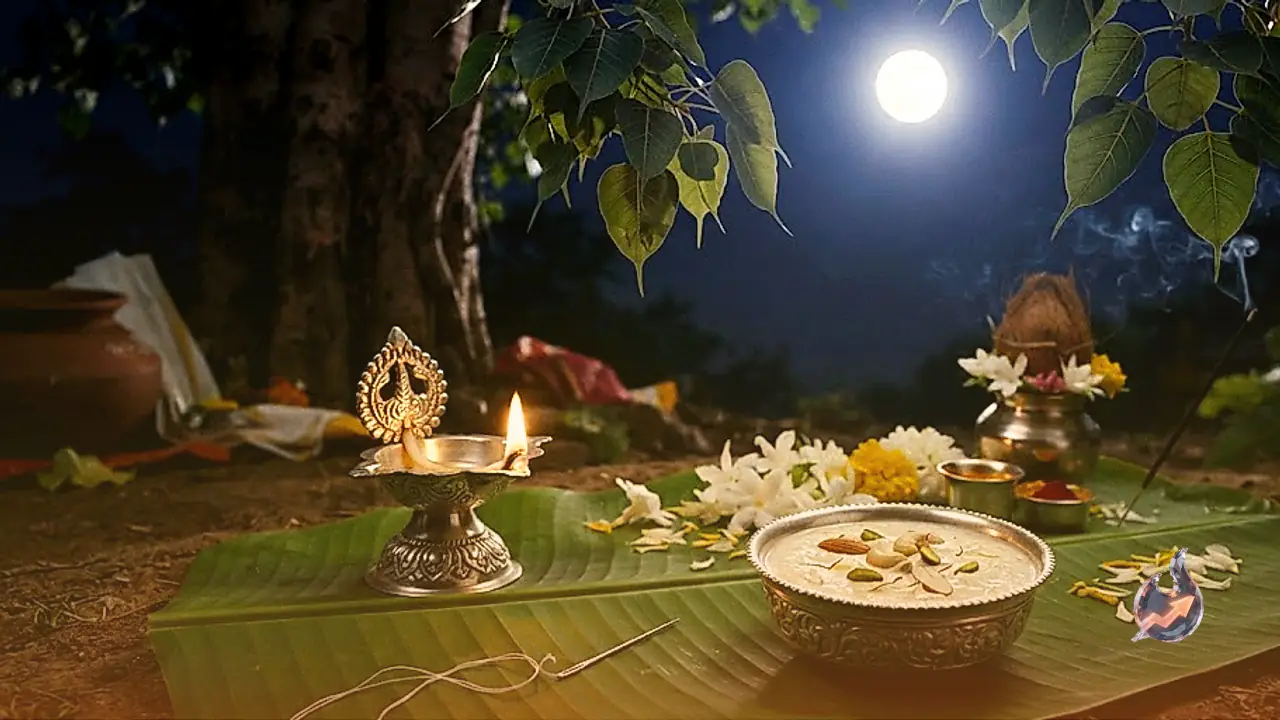

Karwa Chauth holds immense spiritual significance for married women, who observe a strict day-long fast without food or water for the longevity, health, and prosperity of their husbands. The rigorous fast is officially broken in the evening after viewing the moon, offering Arghya, and taking the first sip of water from one's spouse. However, after completing the fast and ritual offerings, women sometimes inadvertently make mistakes regarding how they handle or dispose of the sacred Karwa pot. According to tradition, improper handling of the Karwa can diminish the overall spiritual merit of the fast. Understanding the precise rules for storing or immersing this consecrated vessel ensures that the full divine blessings of the festival are retained.
Four Critical Mistakes to Avoid with the Karwa Pot
The Karwa pot used during the rituals absorbs the positive spiritual energies of the prayers. Maintaining its sanctity even after the ceremony concludes is essential for domestic harmony and spiritual purity
- Preventing Damaged or Broken Pots: The Karwa carries divine energy and must be handled with utmost care to prevent cracks or breakage. If the pot accidentally breaks, it should be immediately immersed in flowing water, as keeping damaged religious objects at home is considered inauspicious.
- Avoiding Dirty or Unclean Storage Spots: A ritual Karwa should never be thrown into trash cans or placed in unhygienic corners. If immediate immersion is not feasible, clean the pot thoroughly and store it in a sanctified, clean space where it remains undisturbed.
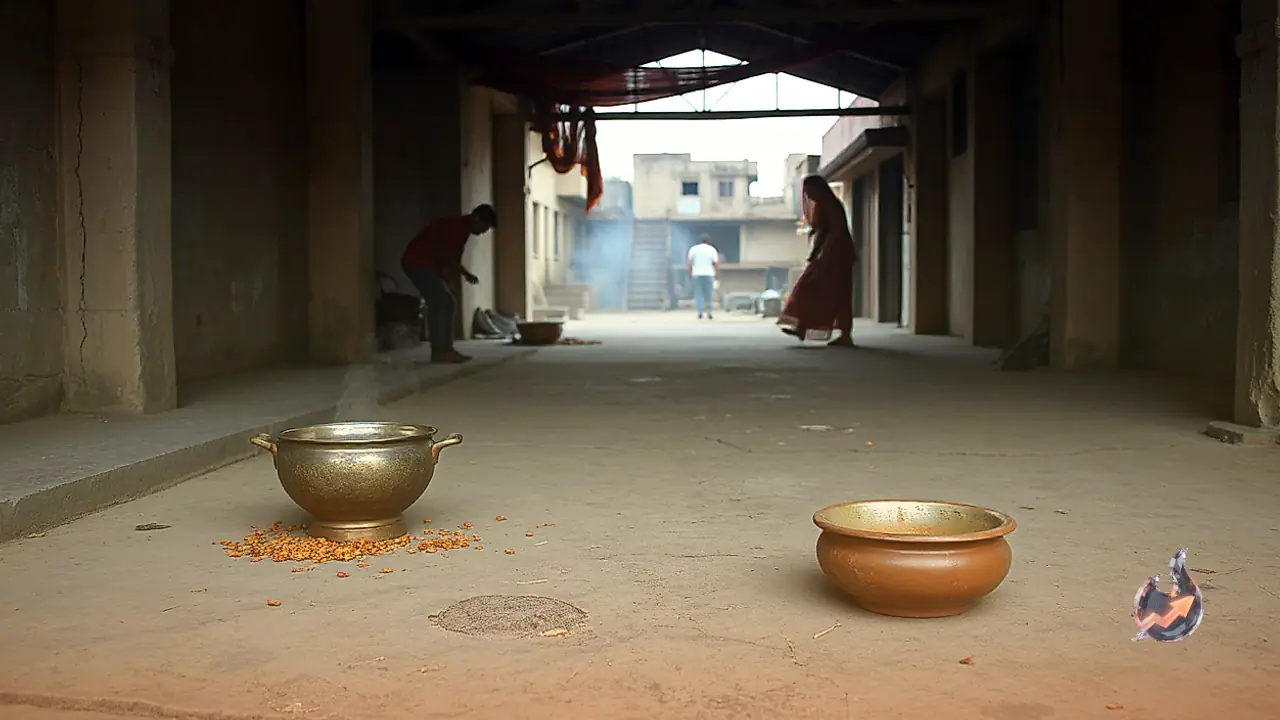
- Preventing Disrespect or Casual Placement: The Karwa represents the grace of Lord Shiva, Goddess Parvati, and Goddess Mahalakshmi. Placing it on the floor where someone might accidentally step on or kick it must be strictly avoided. Keep it elevated in your home mandir or on a clean shelf.
- Proper Handling of Remaining Water and Grains: Do not carelessly discard the sacred water or grains kept inside the Karwa. Provided the water contains no plant-harming ingredients, pour it into domestic plants or trees. Grains should be neatly collected and distributed to those in need.
Proper Ways to Dispose of or Store the Karwa After Rituals
Devotees often wonder about the most appropriate method to handle the Karwa once all rituals are concluded. Traditional customs recommend several respectful practices
- Immersion in Flowing Water: Submerging the Karwa in a clean river or flowing water body after the puja is considered the most auspicious option.
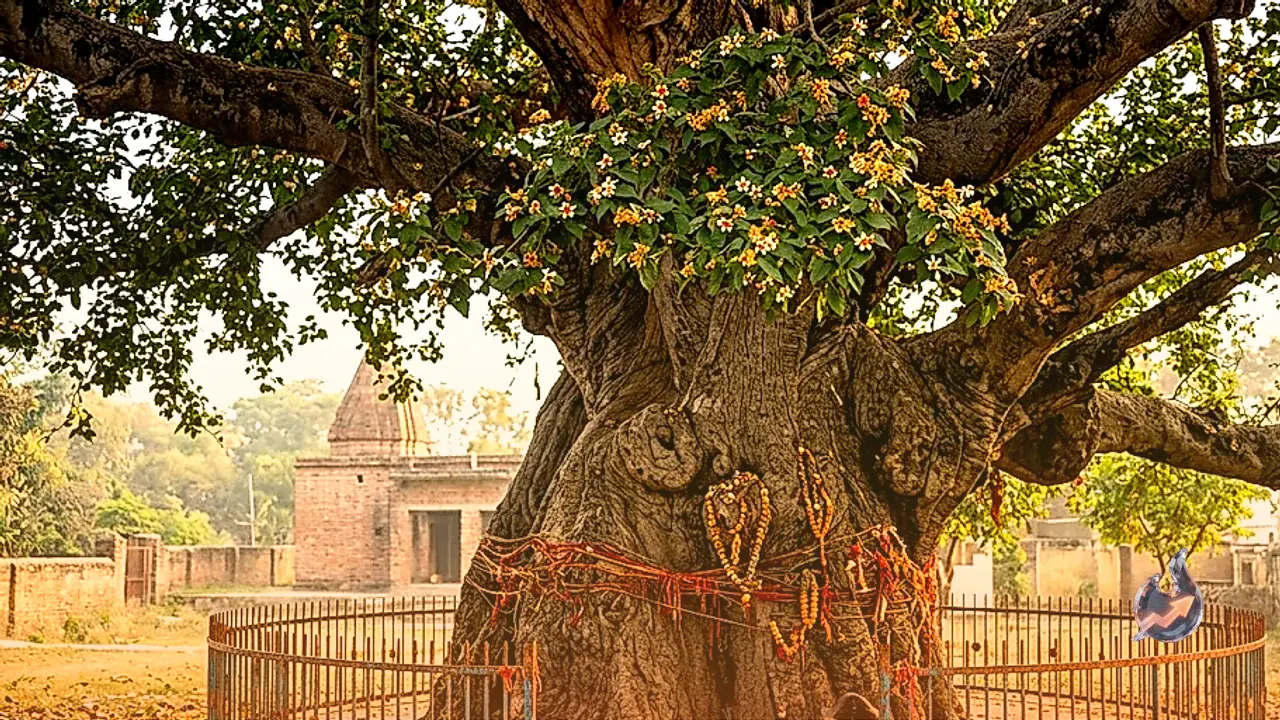
- Placement Beneath Sacred Trees: If a water body is unavailable, place the Karwa respectfully near the roots of sacred trees such as Peepal, Banyan, or Mango.
- Donation with Grain Contents: Filling the pot with fresh food grains and donating it to a needy person brings spiritual rewards and goodwill.
- Safe Preservation for Next Year: If retaining the Karwa, wash and dry it thoroughly, wrap it in a clean red cloth, and store it safely in a sacred spot for use during the following year's Karwa Chauth.