
















Displaying extraordinary fortitude on the international stage, Indian para-javelin thrower Rinku Hooda delivered a masterclass performance to secure a gold medal at the Asian Para Games 2026. The triumph stood out not only for its athletic brilliance but also for the profound personal heartbreak preceding it, as Hooda lost his mother just two months prior to the championship. Refusing to succumb to despair during intense bereavement, he maintained his training regimen and turned personal grief into competitive resolve. Upon securing the gold, Hooda lifted a photograph of his late mother on the victory stand to dedicate the achievement to her, creating a deeply poignant moment that resonated across the arena.
Prime Minister Felicitates Athletes at Indira Gandhi Sports Complex
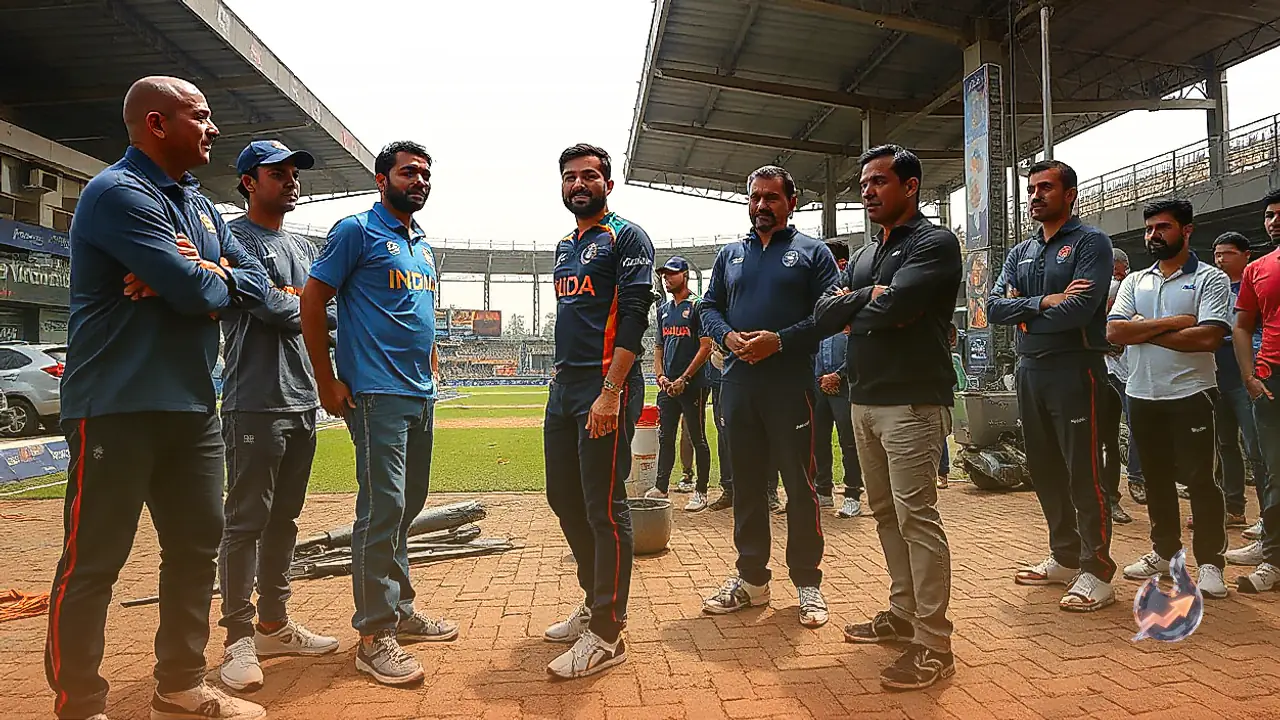
Following their campaign, the Indian contingent was welcomed at the Indira Gandhi Sports Complex in New Delhi, where Prime Minister Narendra Modi met the medal-winning athletes to celebrate their accomplishments. While interacting with the contingent, the Prime Minister specifically highlighted Hooda's courage, determination, and heartfelt tribute to his mother. Modi remarked that persevering through an irreparable personal void and rising to conquer an Asian podium demands exceptional mental strength. He noted that the resilience displayed by such athletes serves as an enduring source of inspiration for the entire nation.
Historic Haul of 114 Medals
The 2026 edition of the Asian Para Games proved to be a watershed moment for Indian sports, with the contingent amassing an unprecedented tally of 114 medals. The breakdown featured 30 gold, 35 silver, and 49 bronze medals, underscoring the expanding depth of talent across multiple track and field disciplines. This record haul reflected both the relentless drive of individual para-athletes and the growing competitive standard of Indian contingents in multi-sport continental tournaments.
Systemic Transformation in Indian Sports Since 2014
During the interaction, Prime Minister Modi reflected on how institutional support and societal perceptions regarding athletics have evolved significantly since 2014. In earlier eras, systemic neglect and an absence of adequate infrastructure frequently discouraged families from supporting sports as a viable long-term career path. Parents often worried about the financial and professional uncertainties their children faced due to inadequate state backing and scarce facilities.
That landscape has seen substantial modernization through structured government programs and talent identification initiatives. Flagship frameworks such as the Target Olympic Podium Scheme (TOPS) and Khelo India now ensure that promising athletes receive specialized training, world-class equipment, sports science backing, and competitive exposure. By eliminating traditional barriers and building transparent pathways, these systems have empowered Indian para-athletes to deliver consistent podium finishes at premier global competitions.