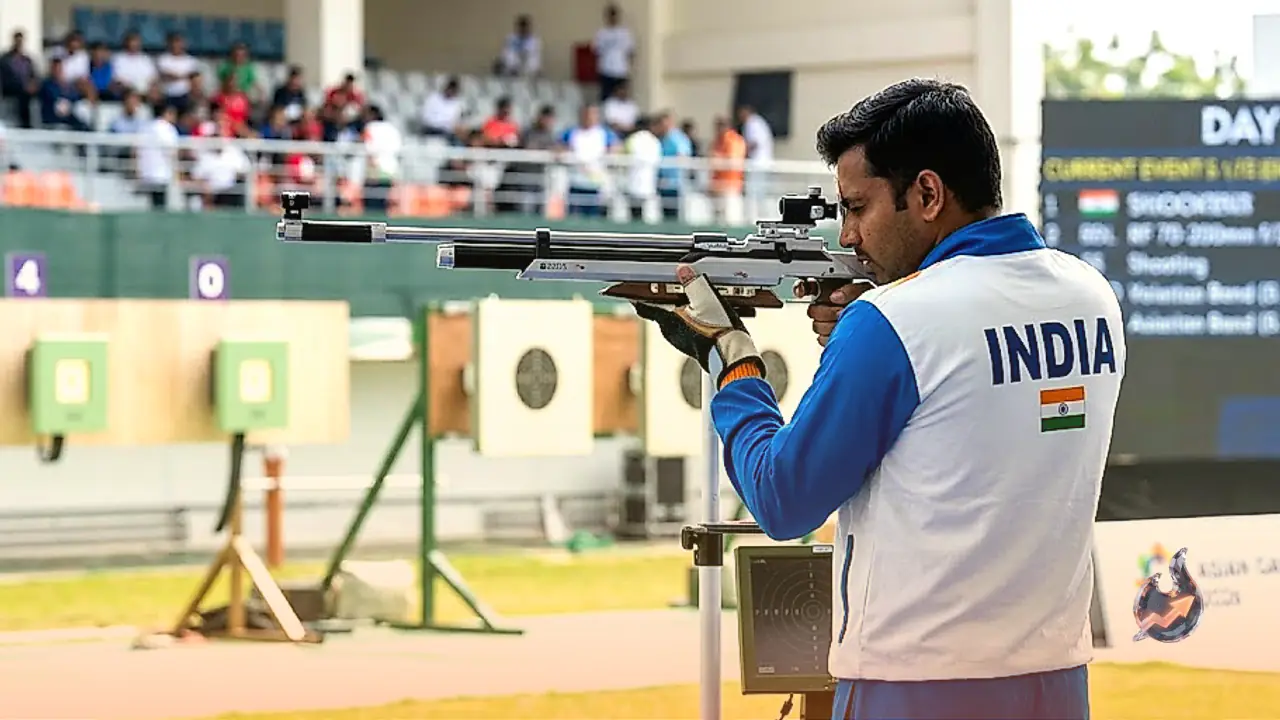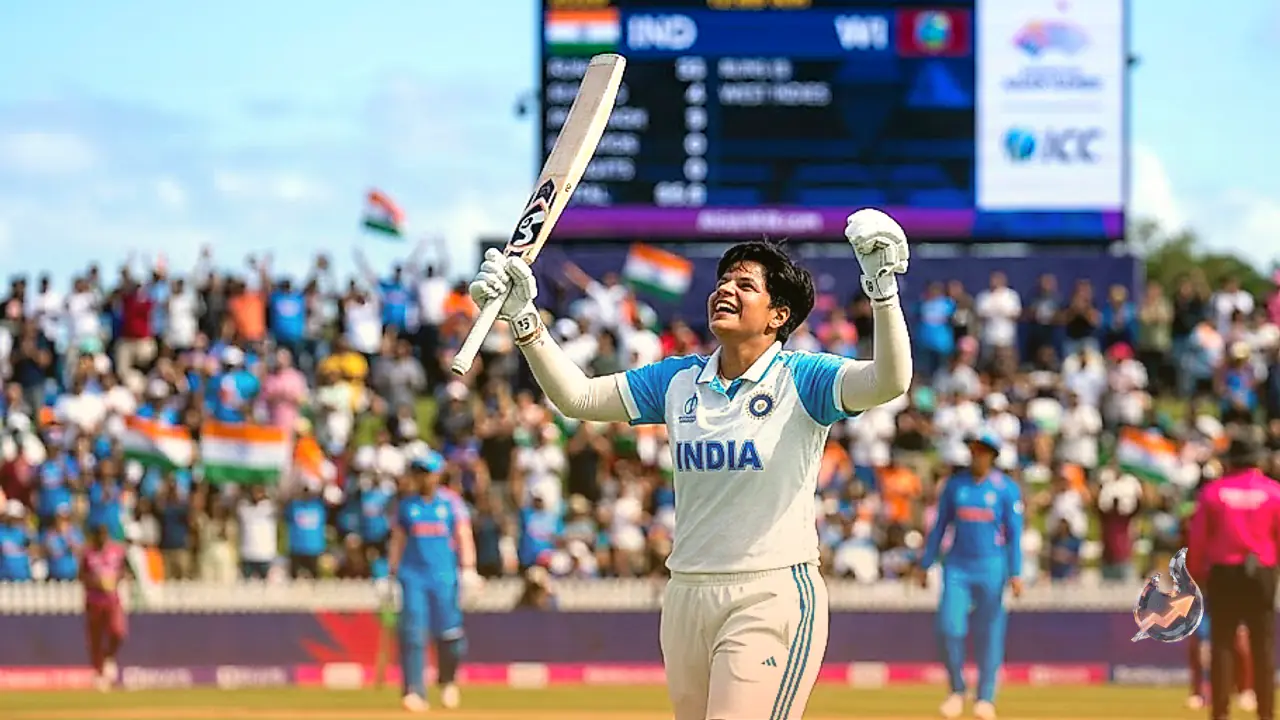


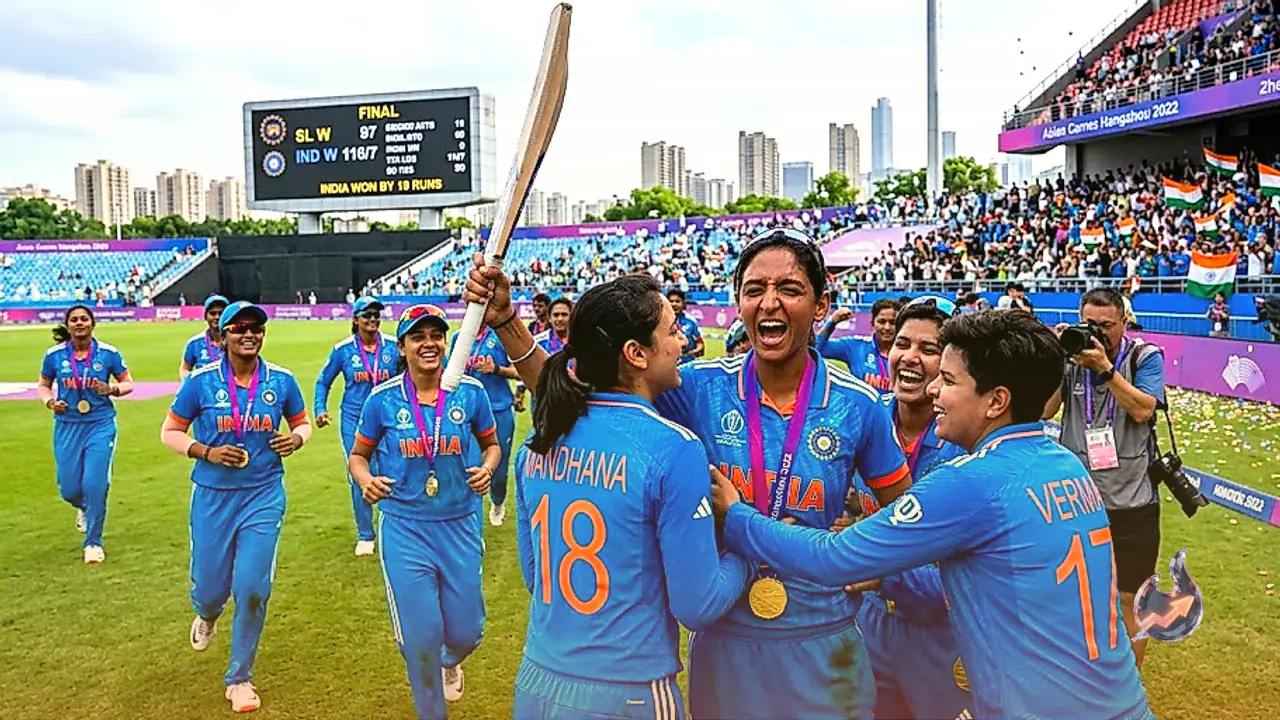
















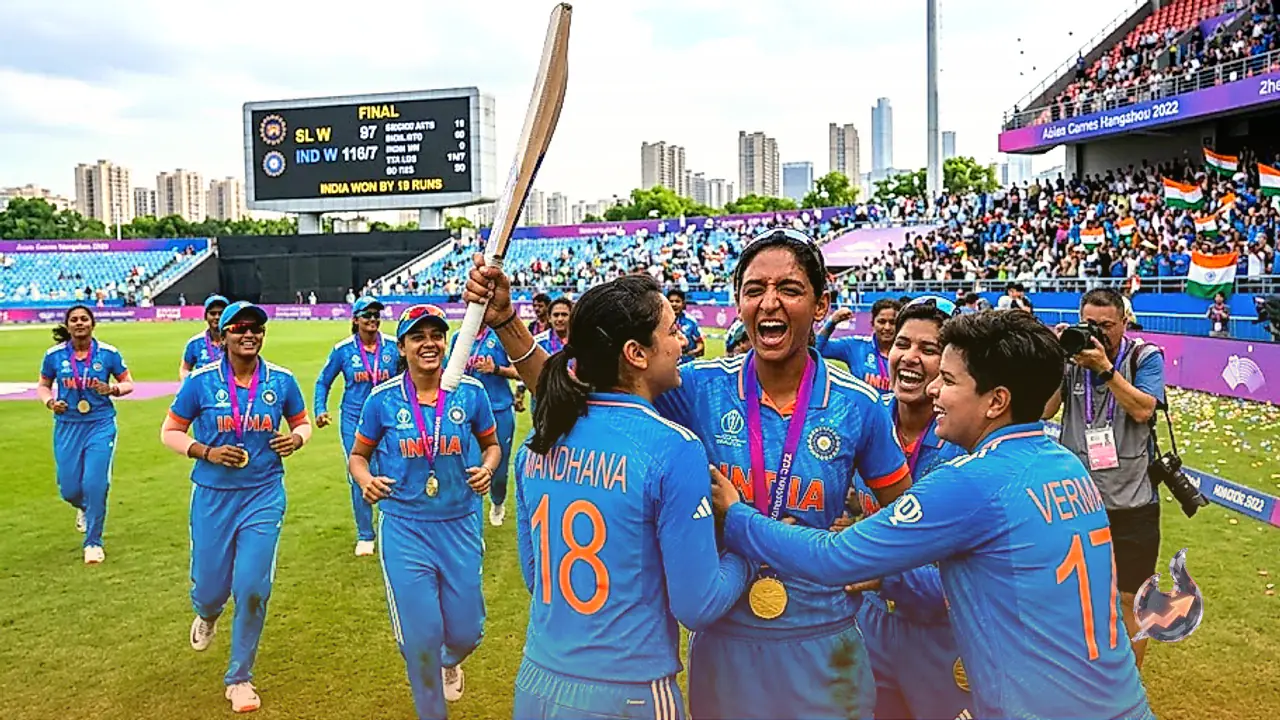

The long wait for a golden breakthrough at the continental showpiece concluded in style on the third day of action. Guided by the steady captaincy of Harmanpreet Kaur, the Indian women's cricket team demonstrated tactical mastery in the final against Sri Lanka, securing an emphatic triumph to claim the country's first gold medal of the competition. This crowning glory significantly elevated the contingent's standing on the leaderboard. India now possesses a collection of 1 gold, 4 silvers, and 2 bronzes, moving up to the 8th position with an aggregate of 7 medals. The campaign had initially been sparked by a double-silver opening at the shooting ranges, followed by three additional podium finishes from the marksmen the subsequent day, alongside a historic bronze earned in mixed martial arts.
Guaranteed Podiums In Badminton And Wushu
India's overall tally appears primed for further growth over the upcoming phases of the tournament, with several athletes already ensuring podium finishes. On the badminton courts, the Indian men's squad delivered a clinical display in the quarter-final clash, dismantling hosts Japan with a clean 3-0 sweep to advance to the semi-finals and guarantee at least a bronze medal. Simultaneously, in combat sports, martial artist Roshibina Devi showcased supreme composure in women's sanda 60 kg wushu, battling through to the semi-final stage and locking in another guaranteed bronze for the nation.
Goal Storm In Hockey And Men's Cricket Agenda
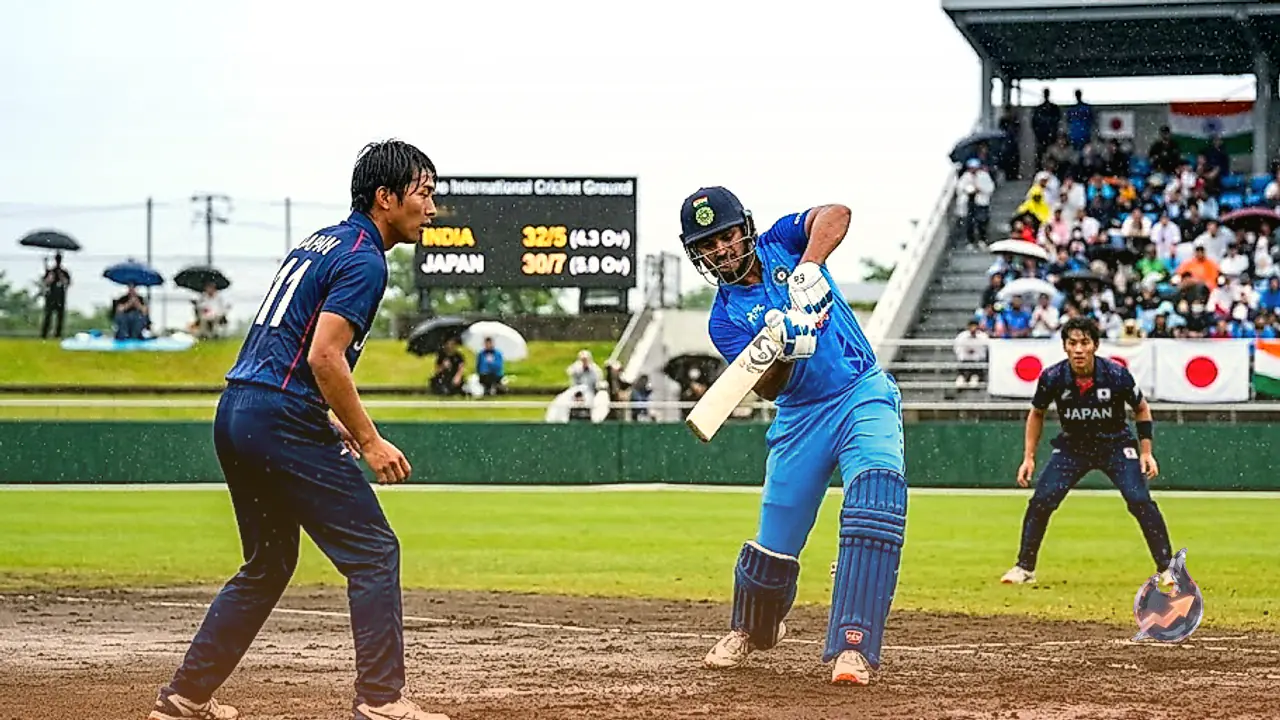
The turf action delivered sheer delight for Indian hockey followers as the men's team ran riot in their second Pool A contest. Decimating Sri Lanka's defensive lines, the squad recorded a mammoth 16-1 victory, which followed their commanding 13-1 thrashing of Indonesia in the tournament opener. Meanwhile, the men's cricket competition is scheduled to commence slightly later, with the Shreyas Iyer-led lineup entering the fray directly in the second quarter-final on September 28. The Indian men carry the distinct responsibility of defending the gold medal won at the previous edition of the continental tournament.
China Stretches Hegemony As Hosts Japan Trail
Across the wider tournament spectrum, China's formidable dominance remains unchallenged through three full days of sporting action. The Chinese delegation stands firmly atop the table with a staggering haul of 53 medals, consisting of 32 golds, 13 silvers, and 8 bronzes. Host nation Japan occupies the second spot with 46 medals (11 golds, 16 silvers, and 19 bronzes), while South Korea holds third position with 27 medals (6 golds, 4 silvers, and 17 bronzes). Kazakhstan sits fourth with 12 medals (6 golds, 1 silver, 5 bronzes), followed by Thailand in fifth place with 6 medals (4 golds, 1 silver, 1 bronze).
Mid-Table Standings And Record-Setting Performances
Hong Kong occupies the sixth slot having gathered 12 medals (3 golds, 5 silvers, 4 bronzes), while Tajikistan holds seventh with 4 medals (2 golds, 1 silver, 1 bronze). Trailing closely behind India, Uzbekistan occupies ninth position with 6 medals (1 gold, 4 silvers, 1 bronze), whereas Chinese Taipei rounds out the top ten with 9 medals (1 gold, 3 silvers, 5 bronzes).
The fourth day witnessed remarkable milestones and emerging prodigies across diverse disciplines. Chinese competitors commanded the pool, highlighted by the breakout performance of 13-year-old swimming prodigy Yu Zidi. In shooting, Olympic champion Sheng Lihao paired with Wang Zifei in the 10m air rifle mixed team event, capturing gold with a world record tally of 507.1 points. For Japan, 17-year-old swimmer Yumeki Kojima shattered the Asian record in the men's 400m individual medley with a time of 4 minutes 07.02 seconds to take gold. The cycling road race produced an inspiring milestone for Afghanistan as Fariba Hashimi clinched silver, becoming the first female cyclist from her nation to claim an Asian Games medal.