





















If there is a single point of agreement among robotics founders and investors, it is that the general-purpose robot capable of seamlessly adapting to any environment has not yet arrived. Opinions remain sharply divided on whether this technological breakthrough is right around the corner or still a decade away.
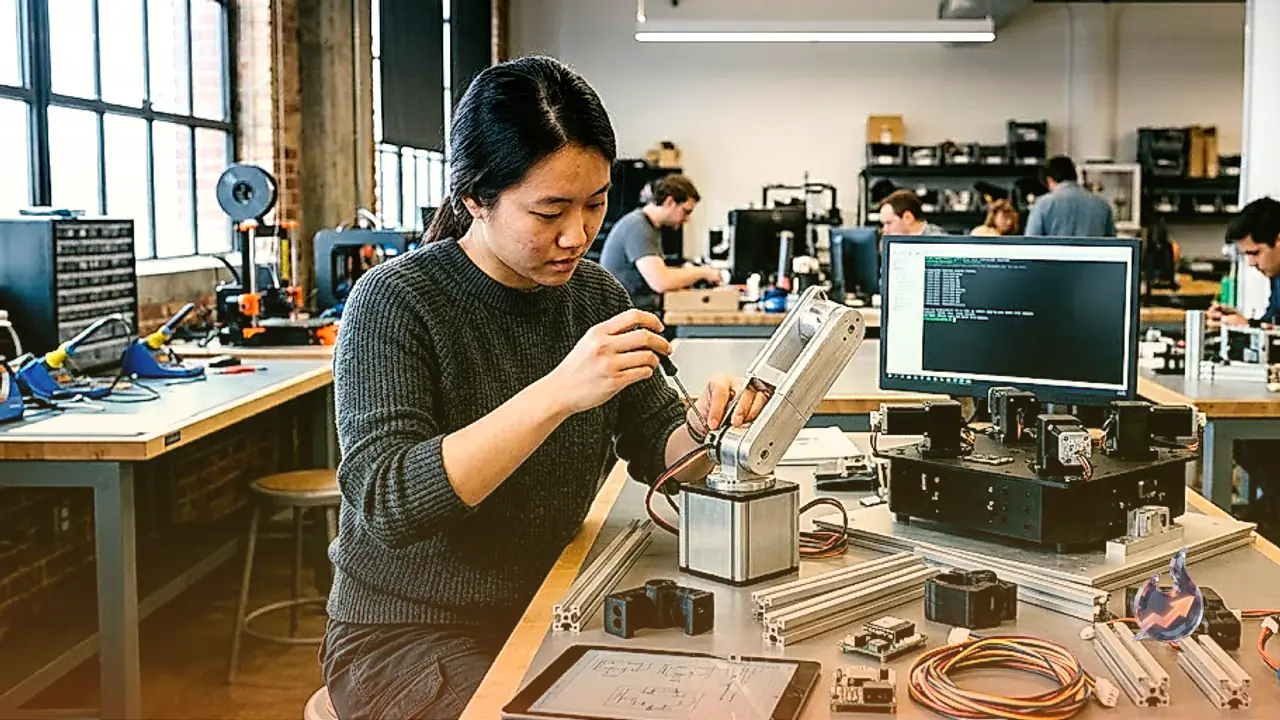
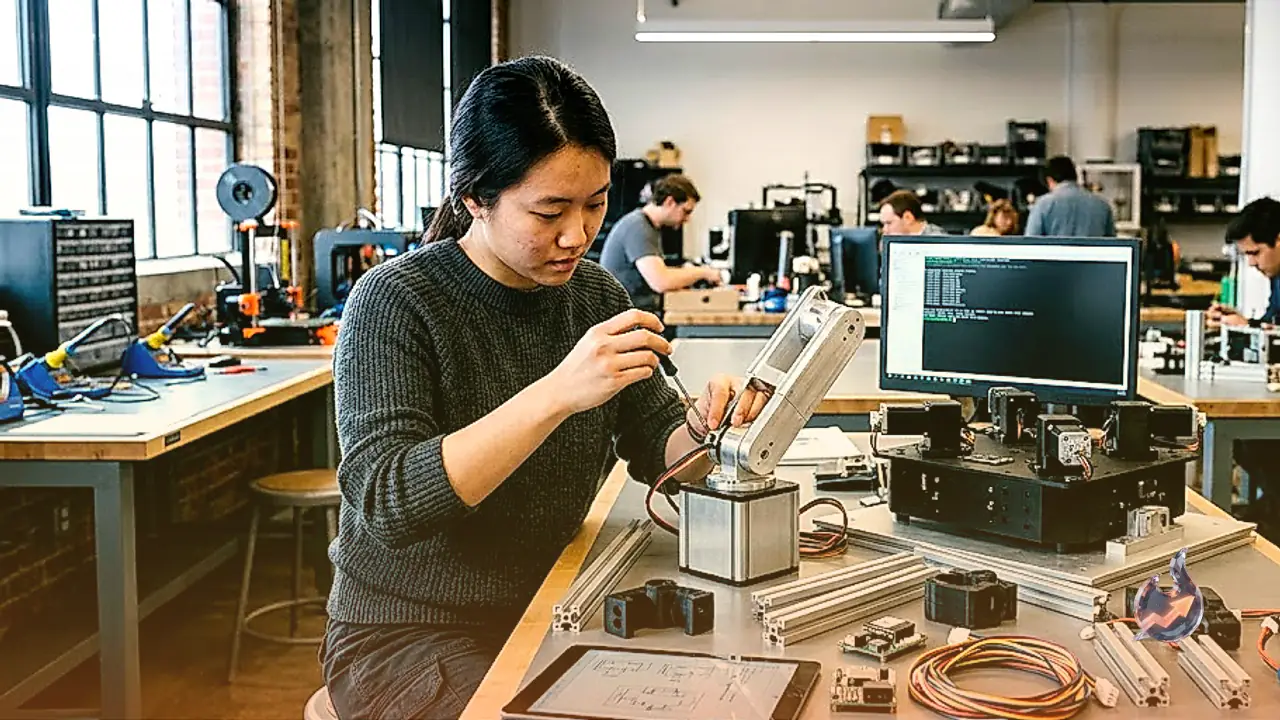
Formed last year, humanoid startup Feather Robotics is building hardware and software designed to handle whichever timeline unfolds. Unlike heavyweights like Tesla or Figure, which are tackling the massive challenge of engineering both the physical body and a foundational AI brain simultaneously, Feather supplies a modular hardware and software toolkit that allows developers to deploy practical solutions immediately.
A Modular Approach Built for Developers
Co-founder Hoa Mai explained that companies cannot simply purchase a Tesla robot today and build customized software on top of it. He noted that hardware giants like Apple and Nvidia achieved success by launching deployable, functional products first, and then steadily increasing complexity over time.
In 2025, after selling his previous humanoid venture to 1X, Mai partnered with Parsa Bakhtiari, a former Tesla Model 3 engineer who once reported directly to Elon Musk. Together, the duo set out to create what they envision as the Android operating system for the robotics industry.
Funding, Revenue, and Real-World Deployments
This vision quickly caught the attention of Gradient Ventures, which backed Feather at its inception and led the startup's previously announced $7.6 million pre-seed round. Since securing that early capital, Feather has rolled out a modular robotic system enabling developers to easily customize hardware components, such as adjusting arm lengths for specific tasks.
The startup has already begun commercial shipments to paying customers, successfully surpassing $1 million in revenue. While keeping its specific client roster confidential, Feather notes that its robots are currently deployed as kitchen cooks in restaurants and as cleaning assistants in science laboratories. On the software side, the modular hardware is fully compatible with models from any leading robotics AI provider, including Nvidia, Skild, and Physical Intelligence.
Mai noted that after spending the past year resolving field-testing issues with small-scale shipments, the company is now preparing for a major commercial product launch.
Market Positioning and Price Advantage
Darian Shirazi, general partner at Gradient, observes that Feather lacks direct domestic competitors in the United States. He categorizes the current hardware landscape into three distinct tiers: startups focused purely on domestic household chores like Sunday, massive general-purpose humanoid makers like Figure and Tesla, and Feather, which stands alone as a modular platform provider.
Mai openly admits that the startup took inspiration from Chinese robotics firms such as Unitree. However, with new foreign-made models facing entry restrictions in the U.S. market, Feather occupies a uniquely advantageous position as a homegrown alternative.
Cost serves as another major competitive advantage for the startup. Priced at $30,000, Feather's robot undercuts competitors, costing roughly half the price of Unitree’s H2 Edu model.
Shirazi argues that the addressable market at that price point is immense. Pointing out the high annual cost, training overhead, and human resources required for traditional human labor, he suggests that businesses can easily deploy a Feather robot as a cost-effective alternative. Furthermore, Shirazi highlights that the startup operates with extreme financial discipline, having utilized only a fraction of its initial pre-seed funding.
Ultimately, Feather is betting that the true long-term value in the robotics sector will stem from the rich software ecosystem built on top of its hardware foundation.