






















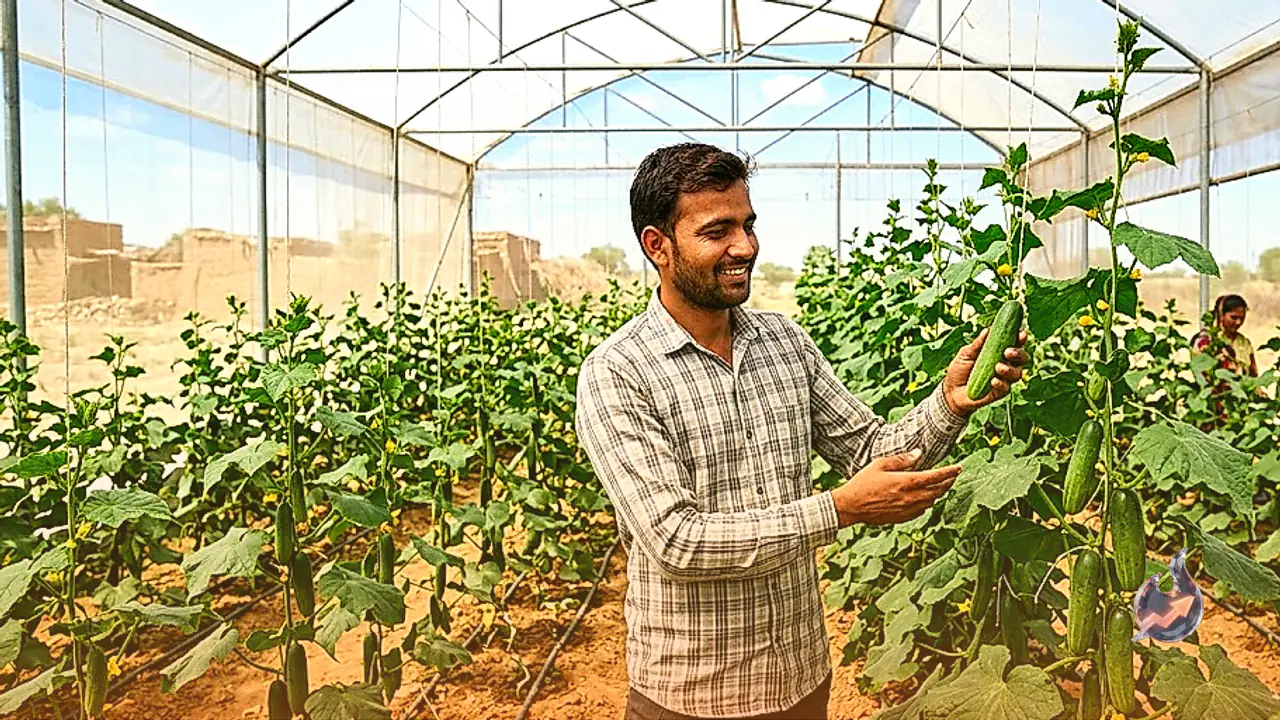

In the arid terrain of Bikaner, where scorching temperatures and acute water scarcity historically made traditional farming a daunting challenge, modern agricultural techniques are opening up profitable new frontiers. Ajay Rain, a young farmer from Kilchu Devdan village, has successfully demonstrated how protected cultivation can turn dry farmland into a lucrative enterprise. By adopting polyhouse technology on just one acre of land, he is cultivating high-quality cucumbers, achieving massive yields, and securing substantial financial returns that serve as a guiding model for agriculturalists across Rajasthan.
Overcoming Initial Hurdles to Achieve Peak Yields
Ajay Rain initiated his polyhouse journey in 2024 under the technical guidance of the Horticulture Department. Utilizing the financial assistance and subsidies available through the National Horticulture Mission, he constructed a one-acre polyhouse structure on his farm. During the initial phase, adapting to controlled environment management presented a learning curve, and the immediate returns were modest compared to the initial setup effort. However, rather than stepping back, he refined his crop management protocols, optimized precision irrigation, and applied expert agricultural advice to boost crop health.
Today, Ajay Rain harvests two cucumber crops annually from the same single-acre polyhouse unit. Through disciplined farm practices, he yields between 400 and 500 quintals of premium cucumbers every year. The polyhouse canopy shields the delicate crop from harsh ambient heat, dust storms, and pest infestations, ensuring that the harvested produce maintains superior texture, crispness, and market grade.
Economics of Polyhouse Farming and Multi-State Market Expansion
The financial breakdown of Ajay Rain's single-acre polyhouse operation highlights the strong commercial viability of protected agriculture. On an annual basis, producing two consecutive cucumber crops requires an input expenditure of approximately 5 lakh rupees. This operating cost covers high-yielding seeds, fertilizers, drip irrigation maintenance, integrated pest and disease management, and farm labor. When the produce reaches wholesale trading hubs, superior crop quality enables him to command prices ranging from 22 rupees to 40 rupees per kilogram depending on market demand dynamics.
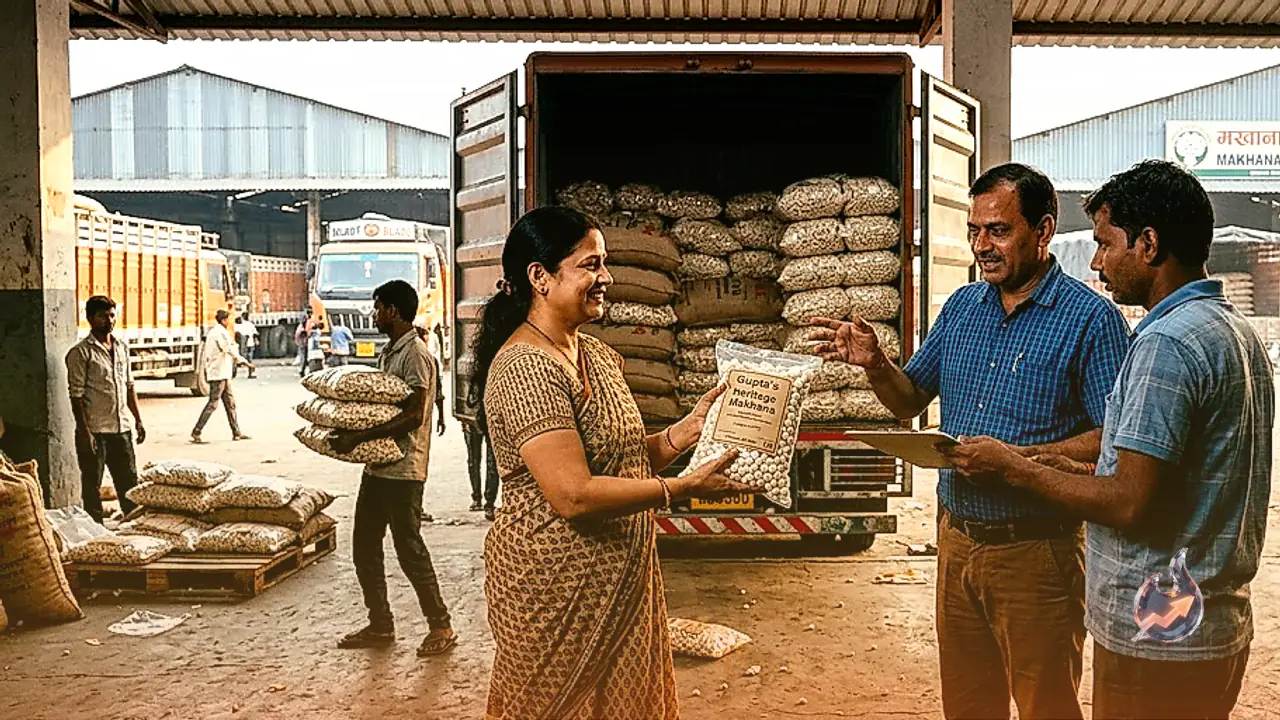
Consequently, his total annual sales revenue reaches up to 15 lakh rupees, yielding a significant net income. Initially, he sold his entire harvest in local Bikaner mandis. As production scaled up and product quality gained recognition, he expanded his supply chain beyond regional borders. Today, his cucumbers are regularly transported to major wholesale agricultural markets in Delhi, Chandigarh, Ludhiana, and across Punjab. Direct access to these high-demand interstate markets ensures better price realization and protects his farm earnings from local market fluctuations.
Bikaner Emerges as a Polyhouse Hub with Up to 70 Percent Subsidy
Government initiatives have played a decisive role in propelling this agricultural transformation. According to Mukesh Gahlot, Assistant Director at the Horticulture Department in Bikaner, the region is rapidly evolving into a major polyhouse farming hub. Controlled agriculture allows growers to insulate their crops from extreme weather events while dramatically optimizing water consumption through precision drip lines. This conservation approach addresses water constraints while simultaneously elevating both harvest volume and crop quality.
Under the protected cultivation component of the National Horticulture Mission, structured subsidy frameworks exist to lower capital entry barriers for farmers. General category farmers receive a 50 percent financial subsidy on polyhouse installation costs. Meanwhile, farmers belonging to Scheduled Castes, Scheduled Tribes, as well as small and marginal farmer categories, receive up to a 70 percent subsidy. Agricultural experts emphasize that amid shifting climate patterns and dwindling groundwater reserves, polyhouse technology offers a sustainable pathway to secure rural livelihoods and enhance farmer incomes.