

















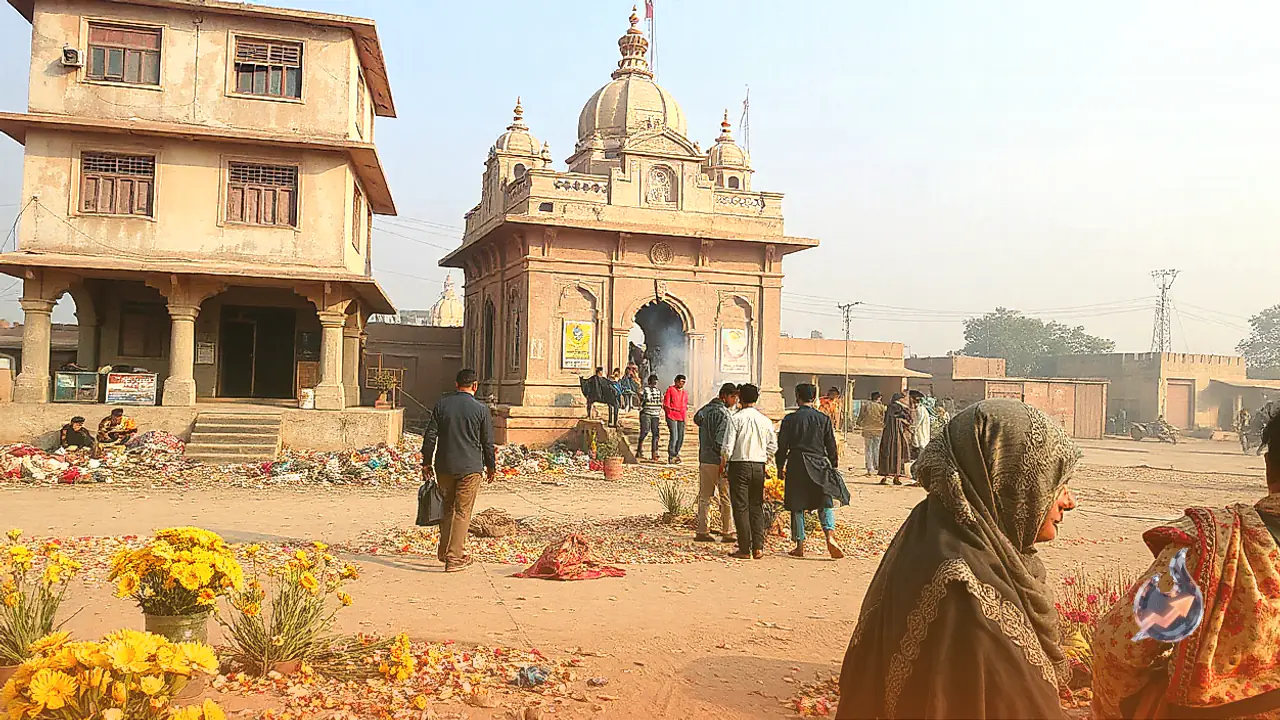

Flowers offered during rituals at temples often end up in waste bins or pollute water bodies after fading away. Addressing this recurring environmental challenge, Home Science students from PG College in Ghazipur have devised a practical recycling solution. Under the guidance of their academic mentor, the students have successfully processed discarded roses and marigolds into aromatic, chemical-free incense sticks. This initiative prevents organic waste accumulation while establishing an accessible model for sustainable recycling.
Project Origin and Student Collaboration
The initiative was spearheaded by student Khushi, who credited her Home Science professor with pitching the conceptual idea roughly a week before the festival of Diwali. Working as a cohesive team, Khushi collaborated with fellow students Naaz Iqbal, Ishika, Kanchan, Lovely, Jalsa, Neha, Nisha, and Neelam. Together, the group aimed to minimize local temple waste by diverting discarded flora into a functional, value-added secondary product.
Step-by-Step Manufacturing Process
The production cycle relies entirely on natural ingredients and straightforward processing techniques. First, wilted rose and marigold blossoms are collected directly from nearby places of worship. The gathered flowers are then spread out under direct sunlight to dry completely, a drying phase that typically spans roughly one full day. Once dried thoroughly, the fragile petals are milled into a fine botanical powder using standard kitchen mixers or grinders.
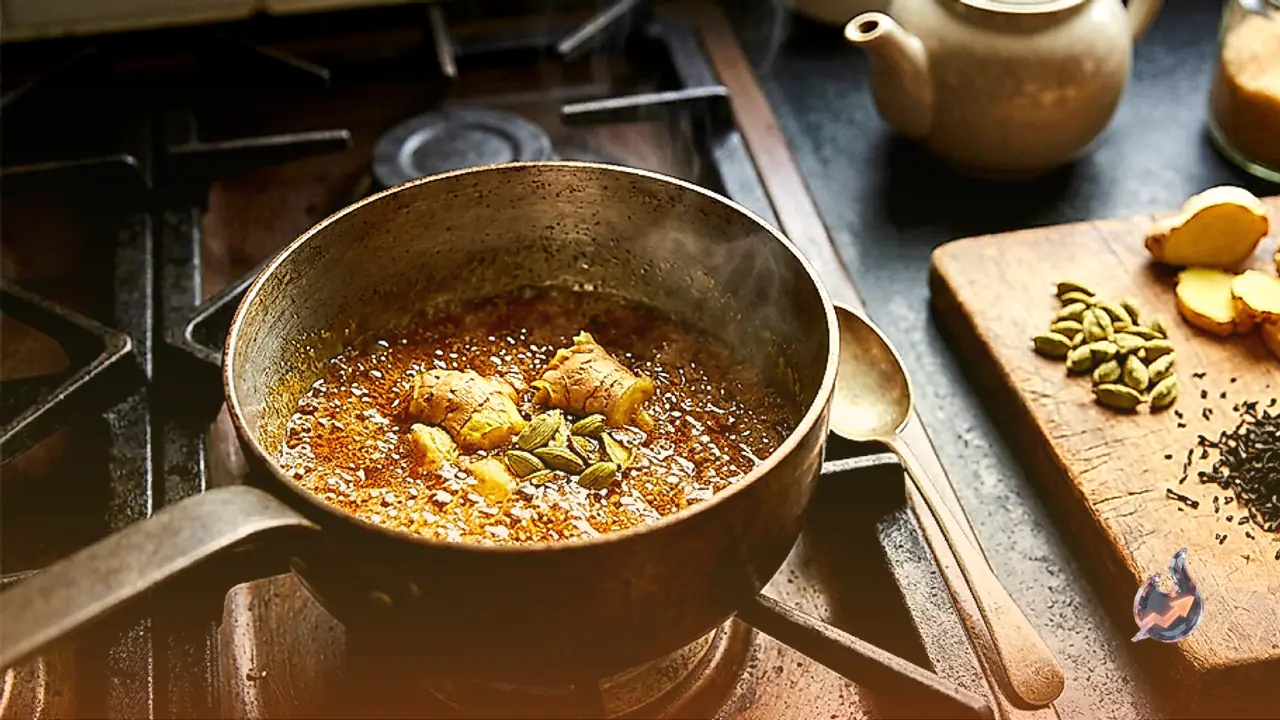
To formulate the incense blend, the dried flower powder is mixed with traditional holy offering herbs known as havan samagri, powdered cinnamon, ground cloves, and a few drops of honey. Optional additions like camphor can also be integrated to enhance aroma. Cinnamon and cloves impart a pleasant natural fragrance when ignited, while honey serves as a natural binding agent to hold the damp mixture together. The unified dough is then hand-molded into individual incense cones or sticks.
Time Investment and Broader Environmental Impact
According to the student team, preparing the raw ingredients and blending the compound takes about one hour in total. Once the incense batch is mixed, shaping an individual incense piece requires approximately one minute. Beyond reducing temple floral waste in Ghazipur, this low-cost technique highlights potential avenues for micro-entrepreneurship and cottage industry adoption across urban and rural communities.