





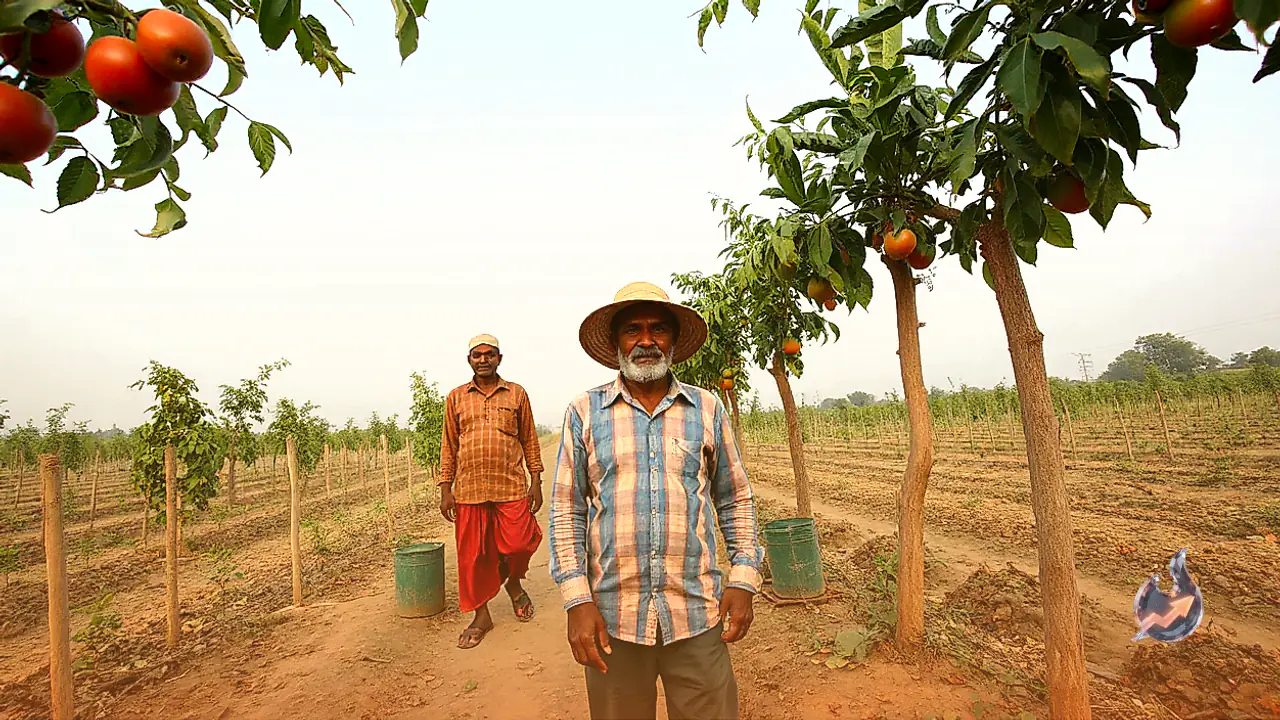
















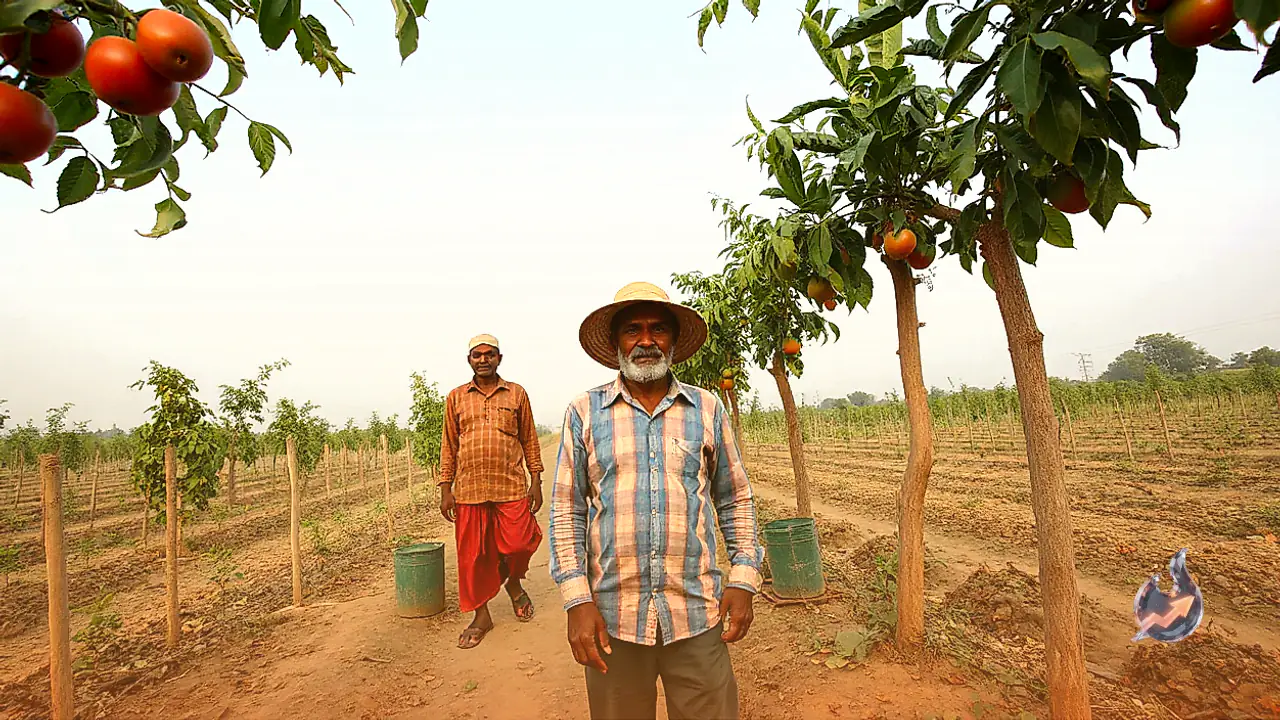

When farmers apply a little common sense and smart agricultural techniques to their farming practices, they can easily secure double profits from the exact same plot of land. It is a common sight to see farmers establish extensive mango orchards, but they often leave the vacant spaces between the saplings unutilized until the main fruit trees fully mature. However, a dedicated farmer from Deoghar has transformed this idle land into a consistent source of income. By initiating tomato cultivation right inside his mango orchard, he has unlocked a brilliant dual-farming model. This clever arrangement ensures that while the mango saplings continue to grow and prepare to bear fruit in the future, a healthy crop of tomatoes thrives simultaneously in the empty corridors between them. This approach allows the farmer to anticipate two distinct streams of revenue from a single agricultural field, significantly boosting his overall earnings.
Cultivating tomatoes across two acres of land
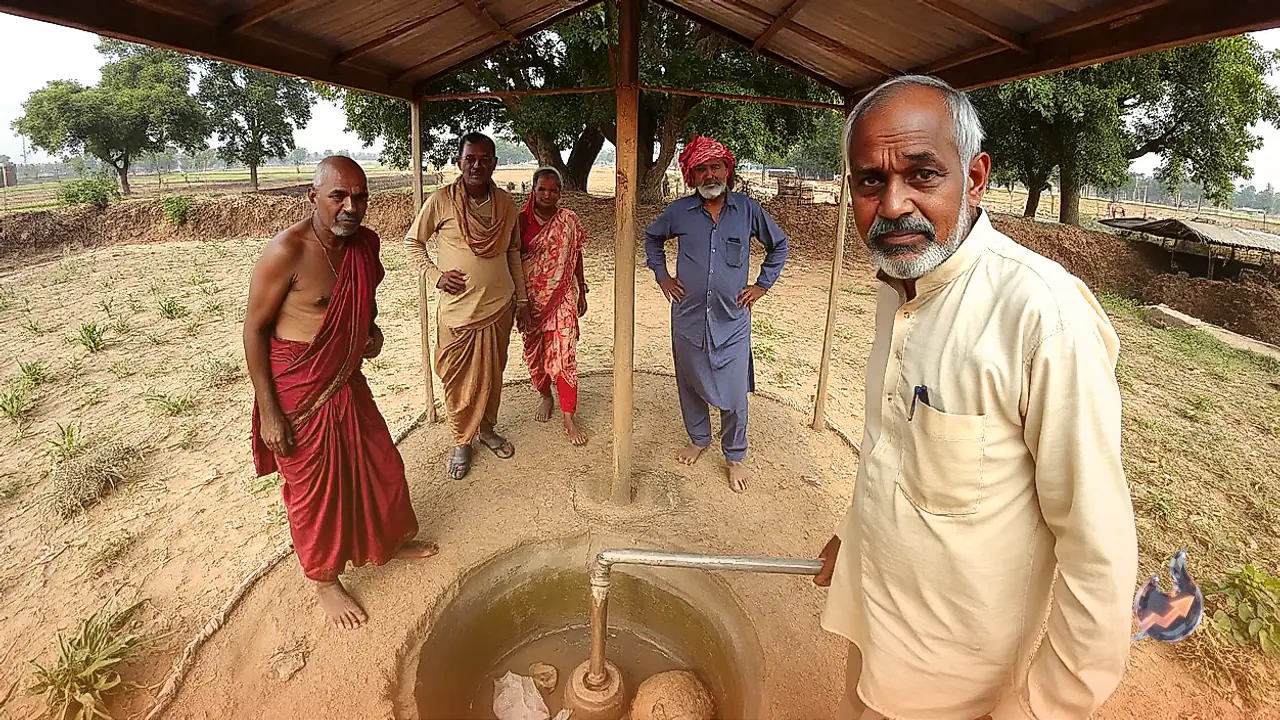
Vakil Yadav, a farmer based in Deoghar, has successfully implemented this innovative farming technique on his property. During a media interaction, he explained that mango saplings are typically planted with a generous spacing of 30 to 60 feet between them. Consequently, a vast amount of land remains completely vacant in the intervening areas. Most farmers ignore this space, leaving it idle for years without any productive output. Realizing that the mango plants are still young and surrounded by adequate open space and sunlight, he decided to utilize this unused earth for vegetable farming. This dual strategy allows him to manage his mango orchard while simultaneously generating revenue from a vegetable crop. Out of his total five-acre mango orchard, he has dedicated nearly two acres exclusively to tomato cultivation. According to the farmer, the mango trees have not yet grown tall enough to cast heavy shadows that could harm the tomato plants, making the most of the available gaps. This method prevents the soil from sitting idle and provides the dual benefits of two distinct harvests from one plot. He firmly believes that with proper planning, orchard owners can easily create profitable pathways for supplementary income.
Strategic planning for future orchard growth
Looking ahead, Vakil Yadav has already mapped out a comprehensive strategy for the future stages of his orchard. He noted that as the mango saplings eventually mature into large, leafy trees, the amount of shade within the orchard will naturally increase. Under those shaded conditions, continuing to grow sun-loving crops like tomatoes might become challenging. However, he emphasizes that this transition will not render the land useless or unproductive. During that advanced stage, farmers can easily switch to cultivating shade-tolerant crops that thrive under a canopy. Suitable crops such as turmeric, yam, and other compatible varieties can be planted instead. This ensures that even after the mango trees reach their full size, the vacant land beneath them can continuously be utilized for agricultural production, maintaining a steady cycle of farm productivity.
Anticipating substantial returns on investment
Examining the financial aspect of this agricultural venture, Vakil Yadav invested roughly 30,000 to 40,000 rupees to cultivate tomatoes across two acres of land. He is optimistic that if the weather remains favorable and the crop stays healthy, he could yield a net profit ranging between 100,000 and 150,000 rupees. At the same time, he remains realistic about the inherent risks in farming, such as natural calamities, erratic weather patterns, and potential crop diseases that can cause financial setbacks. Despite these uncertainties, the farmer strongly advocates that rather than depending entirely on a single crop, utilizing the same land for diverse intercropping is a far wiser and more resilient approach to modern agriculture.