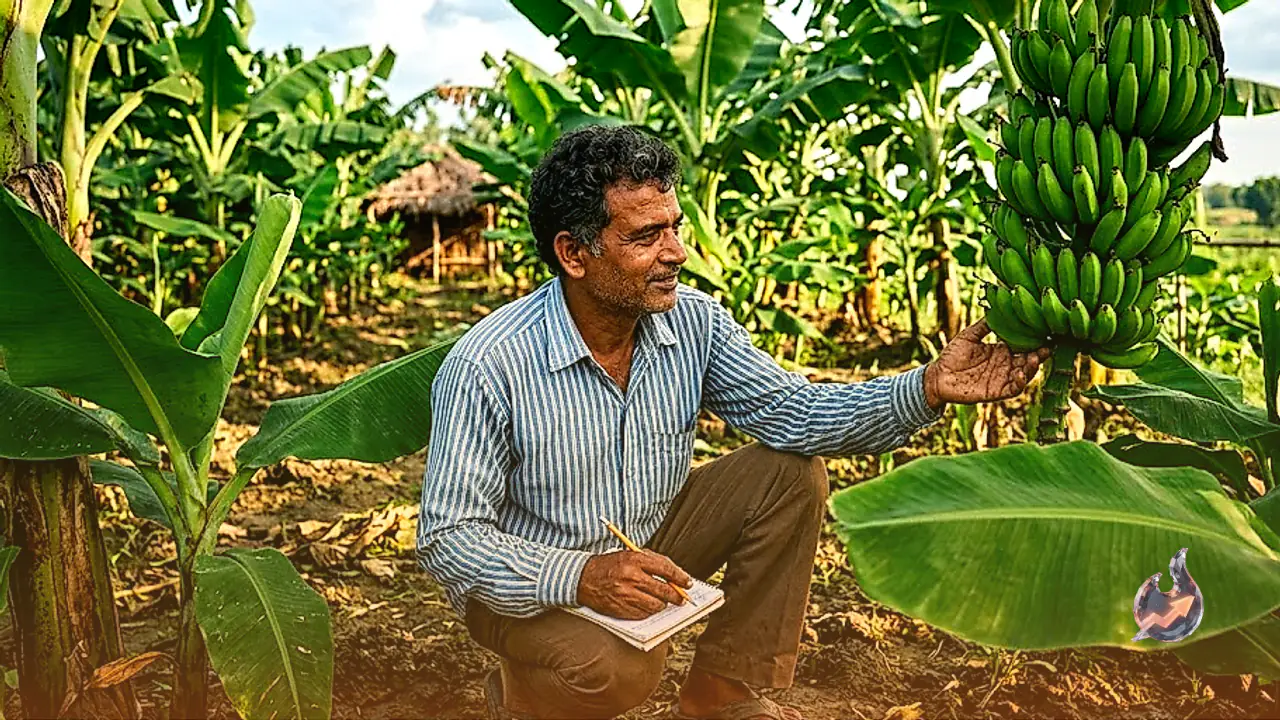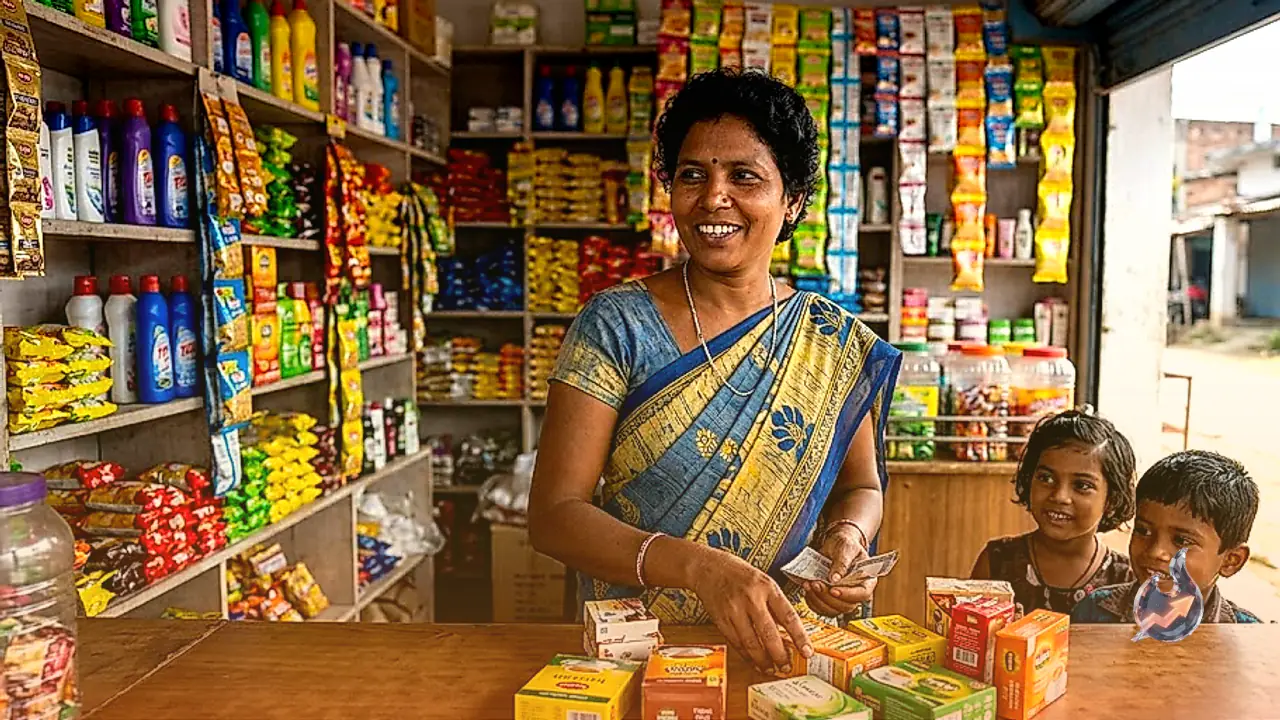




















Choosing entrepreneurship over the perceived security of government employment requires grit and conviction. In Lavkush Nagar of Chhatarpur district, Madhya Pradesh, Faheem Khan took precisely that bold leap by walking away from a government teaching position to establish his own commercial enterprise. Although his initial choice was met with public doubt and criticism, he remained focused on expanding his enterprise. Today, he operates a thriving retail venture and comfortably generates a steady income of Rs 40,000 to Rs 50,000 every month.
Academic Credentials And How Business Became The Third Choice
Faheem Khan holds solid academic credentials. He completed his graduation from Maharaja Chhatrasal College in Chhatarpur, earned a diploma in the Arabic language, and also acquired proficiency in the English language. Despite his formal qualifications, running a business was not his original career plan; it materialized only as his third practical option after two earlier pathways fell away.
In 2011, he qualified for the grade 3 government school teacher cadre. However, the fixed salary attached to the position was just Rs 2500 per month, an amount he found financially unviable. Concluding that the stipend offered little room for economic progress, he decided against joining the post.
Engineering Seat Foregone Due To Family Constraints
After giving up the teaching role, Faheem Khan appeared for the Pre Engineering Test and cleared the examination successfully. His performance earned him an admission seat at a government engineering college in Gwalior. Yet domestic realities forced another change in plans.
His father was the sole breadwinner for the entire household, while his elder brother was already pursuing an engineering degree while living in Jabalpur. Having never lived away from his hometown, he was unaccustomed to staying outside. Rather than burdening the family finances further, he decided to stay back in Chhatarpur to support his father, effectively closing his second career pathway.
Journey From Home-Based Wholesaling To King Ply Foam
With both conventional avenues behind him, Faheem Khan committed fully to commercial trading, formally launching into business operations around 2013. His initial operational journey dates back nearly 20 years, beginning with a modest setup where he wholesaled foam directly from his residence. By 2012, he transitioned to operating from an independent commercial shop, selling foam in retail and gradually integrating plywood and hardware goods.
Emphasizing the need to remain commercially agile, he expanded into local real estate through plotting work alongside running multiple side businesses. Recently, he invested Rs 30 lakh to purchase 2 commercial shops, unifying and expanding his retail operations under the commercial brand King Ply Foam.
Customer Trust, GST Impact And Earnings Perspective
Sustained retail expansion relies on securing customer goodwill and offering honest market pricing. Faheem Khan notes that his ply foam business operates on an approximate 10 percent profit margin. While profit margins stood at 15 percent in earlier years, the implementation of the Goods and Services Tax brought the operational margin down to 10 percent.
He observes that while government or private jobs offer predictability and a predetermined income ceiling, business rewards hard work with limitless growth potential. Through sustained customer relationships and retail trade, his enterprise now generates a steady monthly earning ranging between Rs 40,000 and Rs 50,000.