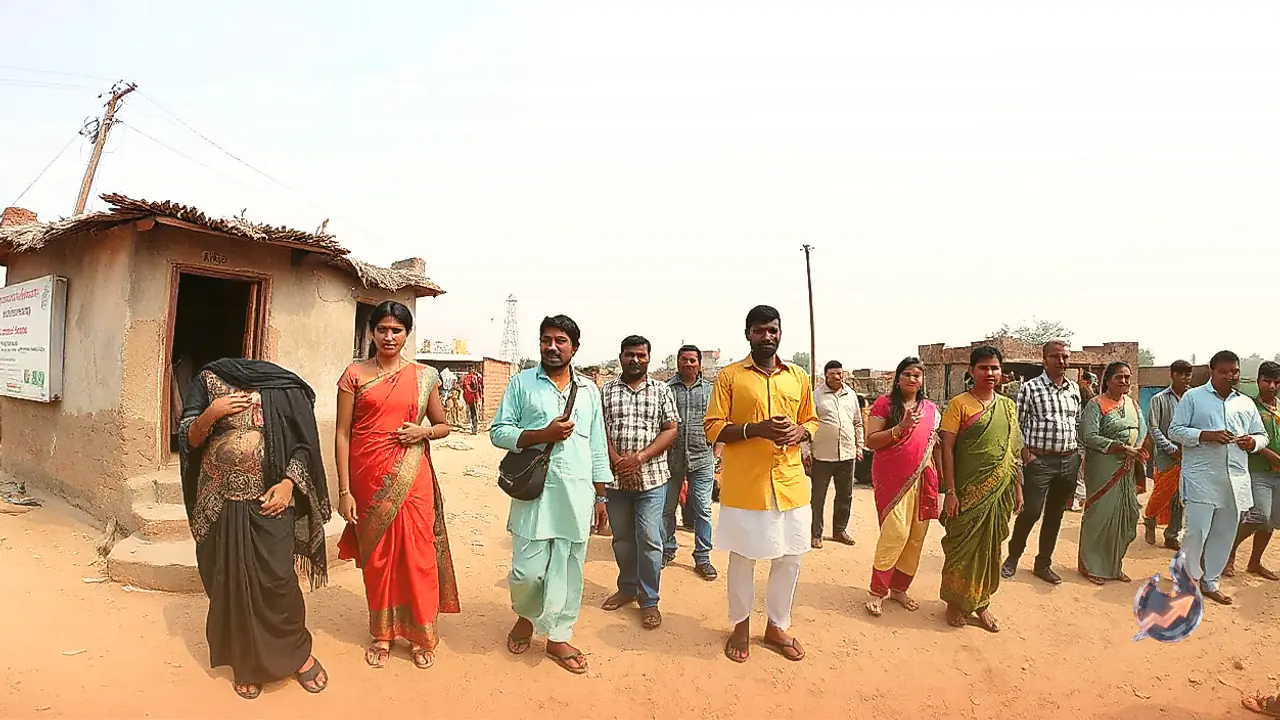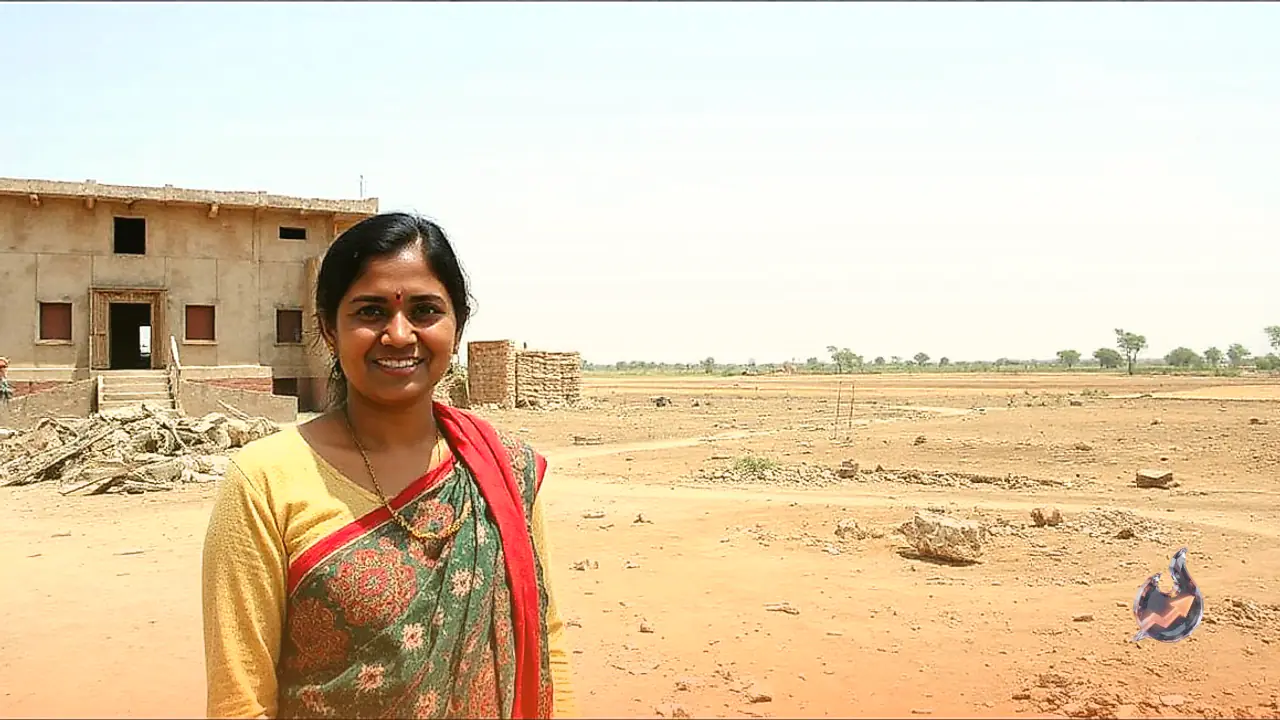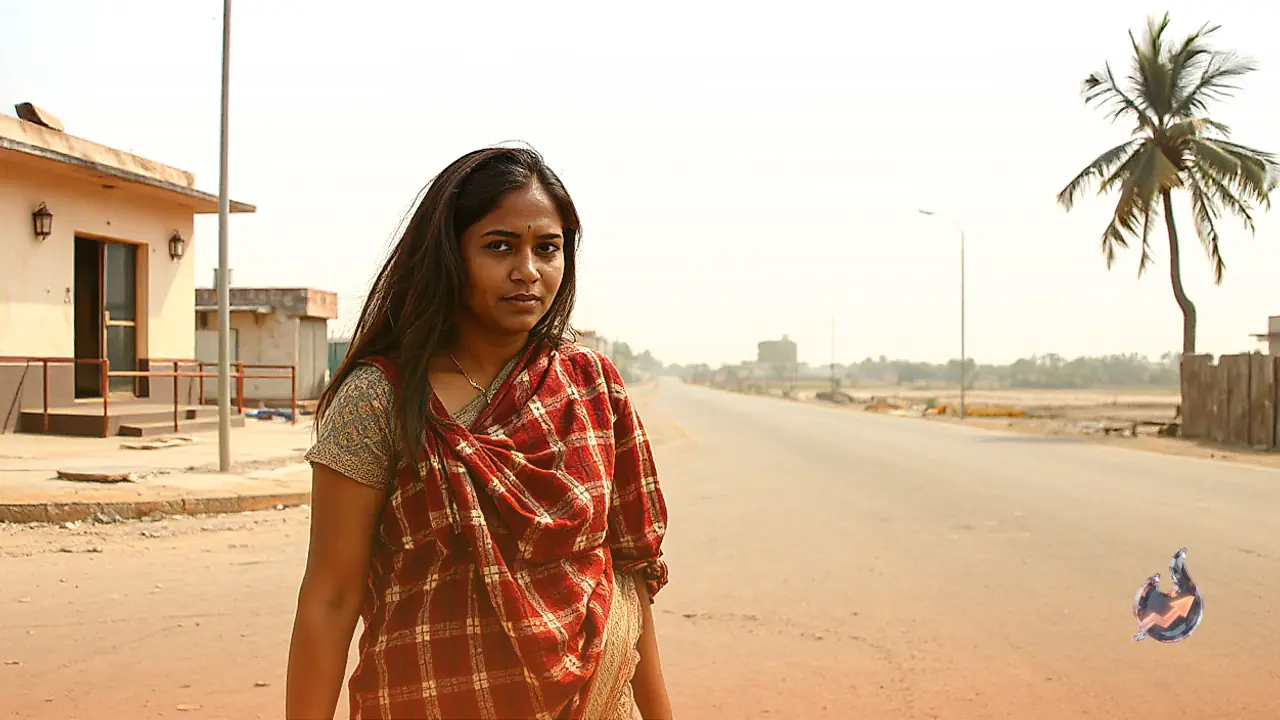


















In Amethi, Uttar Pradesh, women are taking giant strides toward financial independence by breaking free from traditional domestic boundaries through self-help groups (SHGs). Once confined to their homes, these women are now running thriving micro-enterprises that manufacture everything from traditional handicrafts to essential household items and readymade garments. Beyond supplying local markets, their products are garnering significant traction on digital e-commerce platforms, showcasing a successful blend of rural craft and modern trade.
Expanding Product Portfolios and E-Commerce Reach
While Amethi is renowned for its Munj craft under the One District One Product (ODOP) initiative, the local women have expanded their product line far beyond traditional weaving. Today, they produce coarse-grain biscuits, savory namkeen snacks, cleaning agents such as phenyl, and household brooms. A major highlight of their work is the textile venture, where garments produced by these self-help groups are seeing heavy demand online. Selling their clothing products on web marketplaces brings in a steady monthly profit ranging between ₹20,000 and ₹25,000 for the artisans involved. Additionally, several women earn handsome returns by making and selling traditional pickles, murabba, chips, and papads.
Transforming Household Finances and Social Perceptions
Sharing her experience, group member Ruby Chaurasia highlighted that her team primarily focuses on manufacturing nutritional food products. She noted that while women previously had to search outside for daily employment, the self-help groups have provided steady work right at home. Although family members initially resisted her decision to step out and work, the visible improvement in their household finances gradually brought full family support and better living conditions.
Creating Local Job Opportunities for Rural Women
The self-help framework has created a domino effect of economic stability across rural hamlets. Group member Santoshi emphasized that joining the initiative has yielded substantial financial advantages. Similarly, Phoolmati Devi reflected on her journey, explaining that while life was filled with hardships earlier, the group provided regular work opportunities. Her specific unit employs between 10 and 20 women who work collaboratively, earning enough to comfortably support their families and cover daily household expenditures.