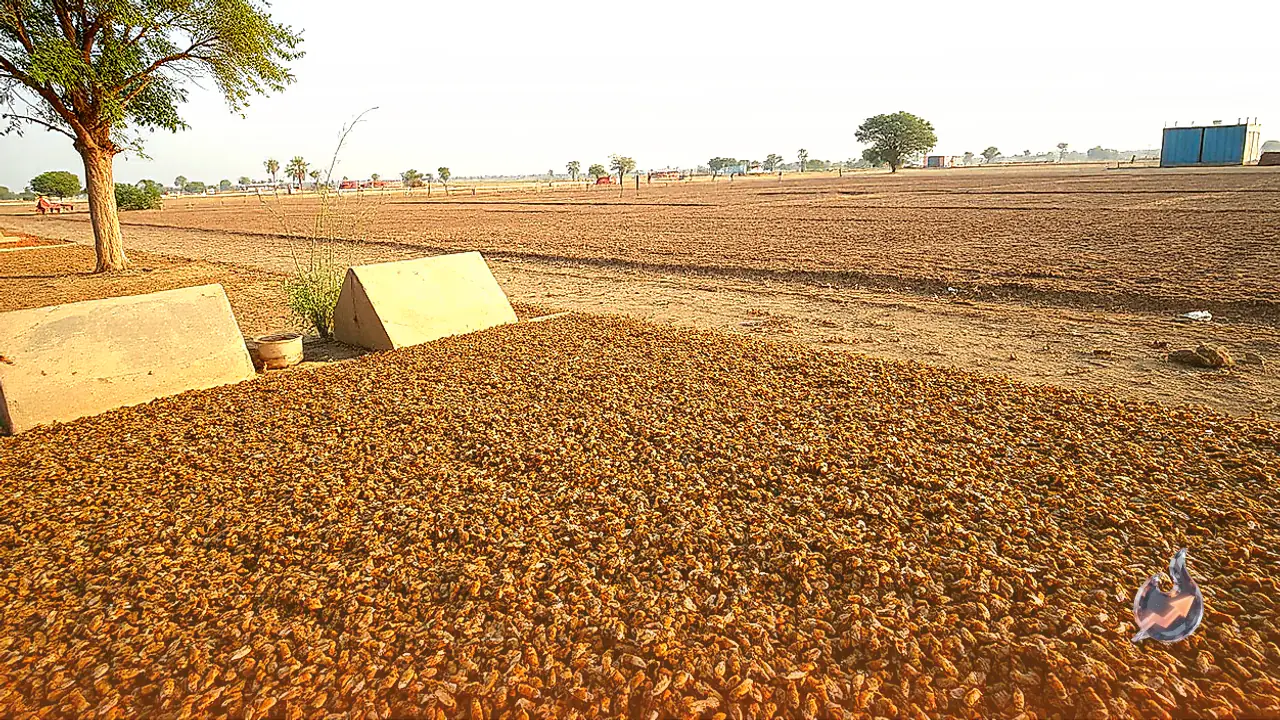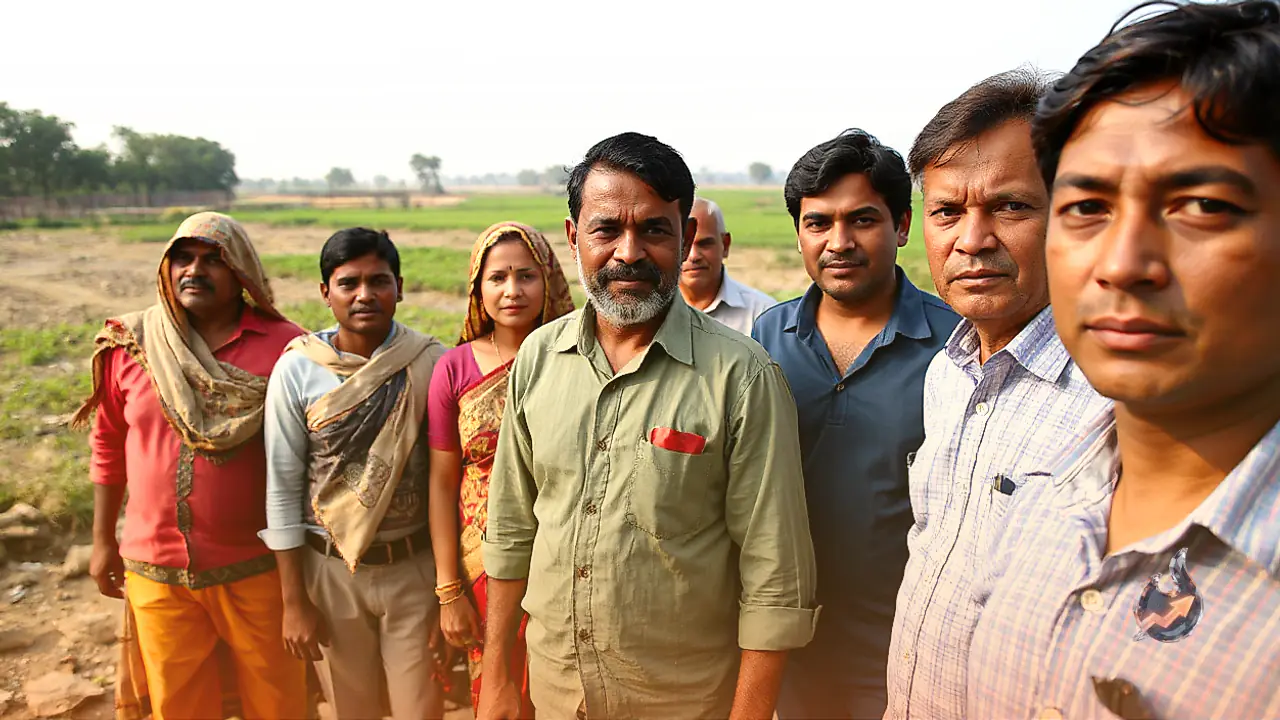

























A quiet agricultural transformation is under way in Gonda district, Uttar Pradesh, where progressive farmer Sunil Maurya has walked away from traditional wheat and paddy cultivation in favour of marigold flower farming, and the results have been extraordinary. He now grows marigolds across 25 bigha of land throughout the year, pulling in lakhs of rupees in annual profit and motivating farmers from surrounding villages to seriously reconsider what they plant in their own fields.
Why Traditional Crops Were No Longer Working
Sunil Maurya spent years growing wheat, paddy and other conventional crops, much like the majority of farmers in his area. The work was demanding, the input costs were significant, and the margins were thin regardless of how much effort he put in. Determined to find something more rewarding, he explored his options carefully and eventually settled on marigold flower cultivation, a decision that turned out to be completely transformative for his livelihood.
A Crop With Demand That Never Drops
What drew Sunil Maurya to marigolds, he explains, is that the market for them never really goes quiet at any time of the year. Weddings, religious events, major festivals and decorative functions all rely heavily on marigold flowers, sustaining demand consistently across every season. That steady appetite means the flowers sell quickly at good prices in local mandis. Once a crop matures, the plants continue flowering for several months without stopping, delivering regular income to the grower week after week.
The Economics: Rs 5,000 Invested, Up to Rs 50,000 Back Per Bigha
Sunil Maurya currently farms marigolds on approximately 25 bigha of land year-round. He breaks down the numbers clearly: cultivation costs work out to around Rs 5,000 per bigha, which puts his total input expenditure for the full 25 bigha at somewhere between Rs 1 lakh 20 thousand and Rs 1 lakh 25 thousand. On the returns side, a single bigha generates a net income of Rs 30,000 to Rs 50,000. Scaled across his entire holding, that adds up to several lakhs of rupees in profit every year.
Consistent Care Is Non-Negotiable, and Experts Agree
Sunil is emphatic that a strong marigold yield does not happen by itself: timely irrigation, the right fertilisers and regular attention to the plants are all essential for keeping productivity high. His success has already begun reshaping thinking among farmers in nearby villages, many of whom are now actively exploring a move away from staple crops and into flower farming. Agricultural experts back this shift as well, noting that farmers who develop a clear understanding of market demand and adopt modern cultivation practices can realistically multiply their earnings many times over through floriculture.