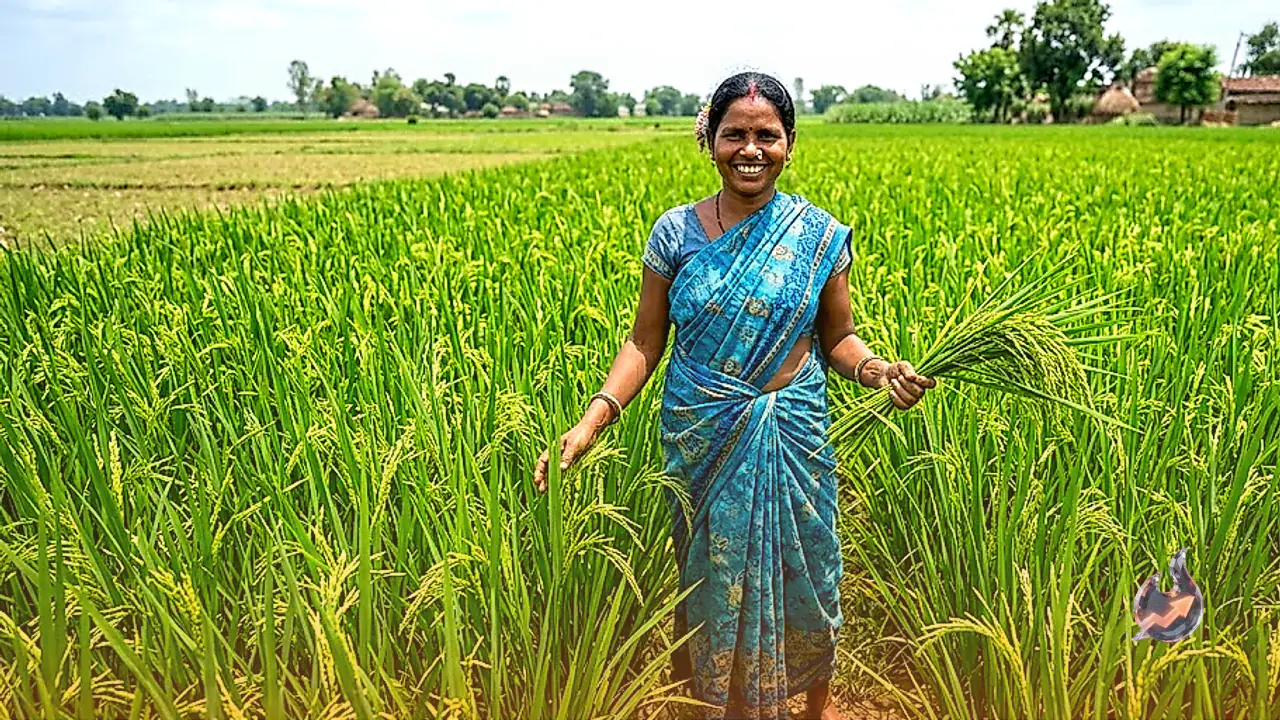

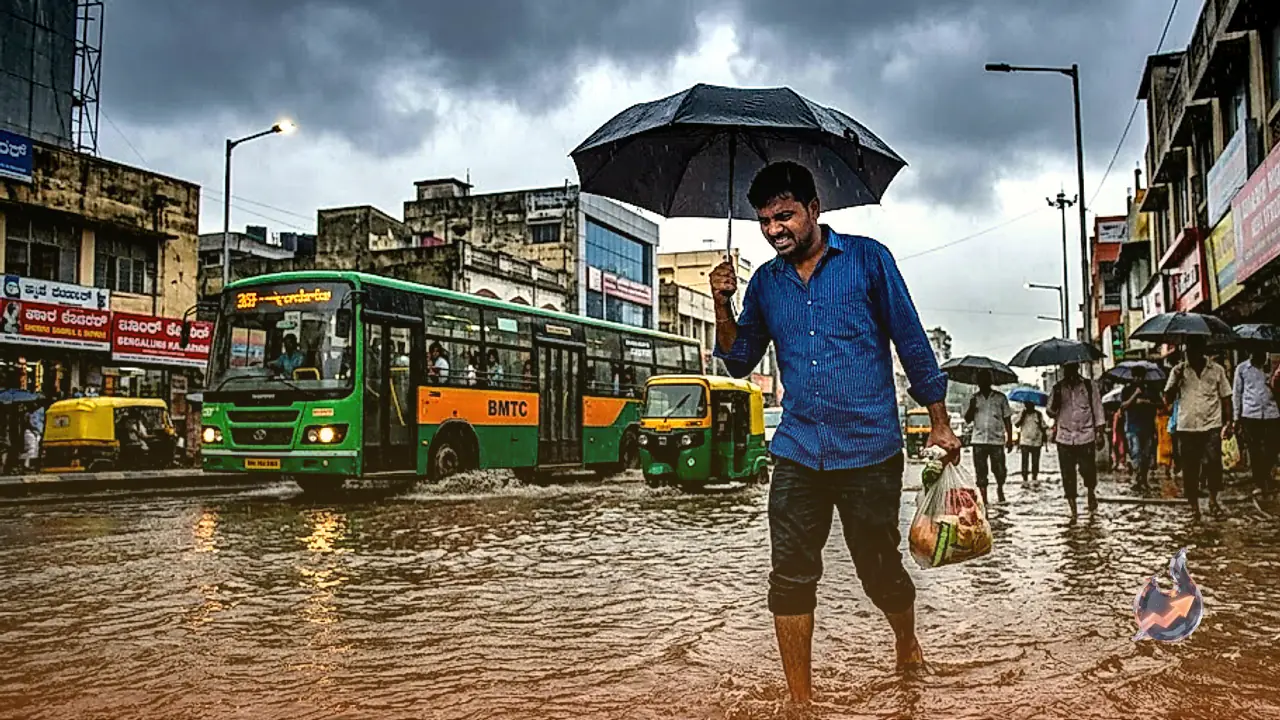



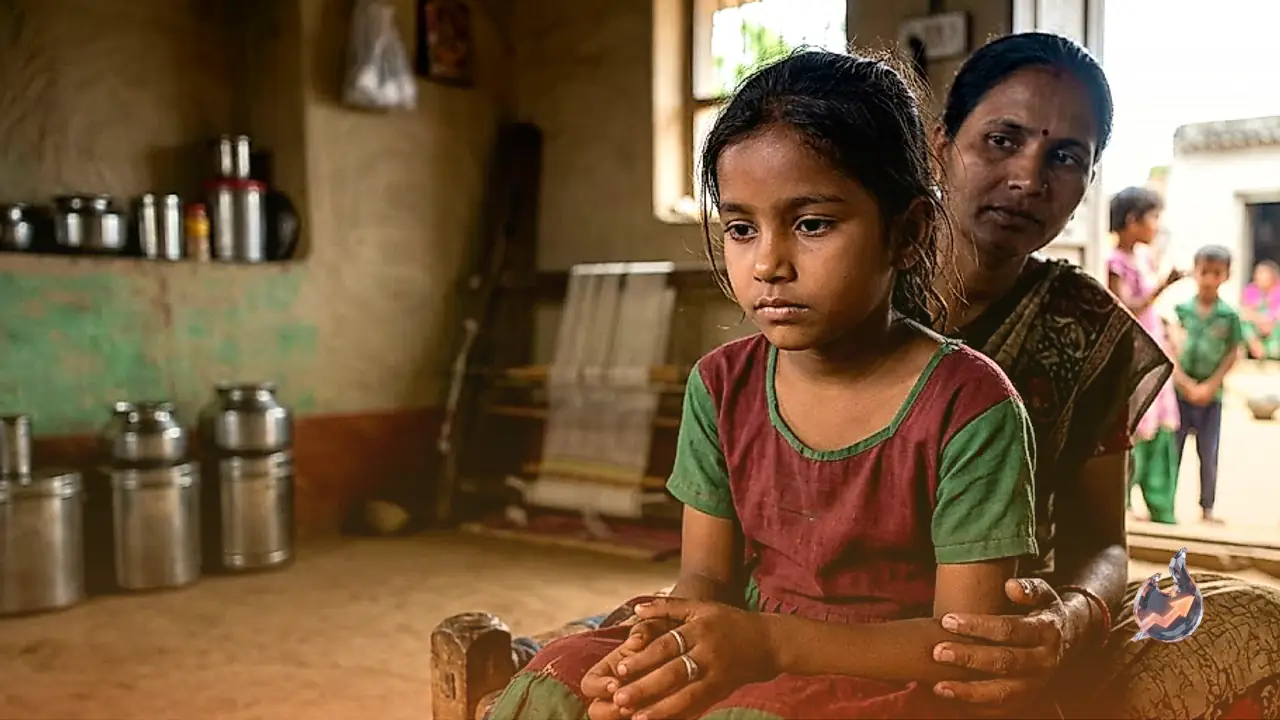















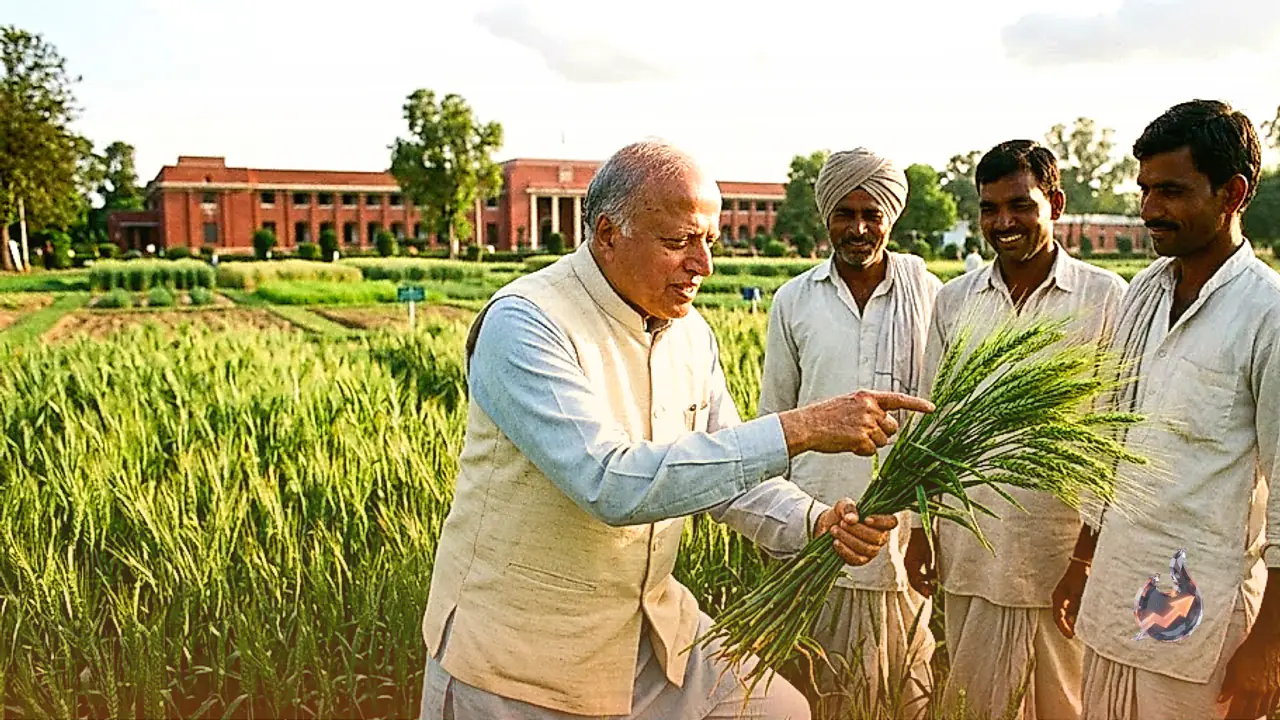

During the 1960s, India faced a severe agricultural crisis marked by widespread drought and the threat of starvation. The nation relied heavily on foreign food aid from Western countries as a critical lifeline. Amid this challenging period, scientist Dr. MS Swaminathan introduced visionary agricultural reforms that completely altered the country's destiny. His pioneering research and dedication launched the Green Revolution, transforming India from a food-deficient nation reliant on imports into a self-sufficient country with robust grain reserves.
Early Life and the Choice to Forego a Police Career
Born on 7 August 1925 in the small town of Kumbakonam, Tamil Nadu, his full name was Mankombu Sambasivan Swaminathan, affectionately known as MSS. During his adolescence, he witnessed the devastating famine that struck India during World War II. The distressing sight of long queues of starving citizens and empty plates left an indelible mark on his young mind, inspiring him to dedicate his career to food security.
After completing his degree in agriculture, Swaminathan successfully cleared the Indian Police Service (IPS) examination. Despite having a secured position, a uniform, and high social status awaiting him, he opted to leave the police service behind in favour of agricultural science. He moved to Cambridge to pursue advanced research in genetics, working alongside the renowned scientist Sir Frederick Gowland Hopkins.
Partnership with Dr. Norman Borlaug and Fieldwork
During his research career, Swaminathan collaborated closely with Nobel laureate Dr. Norman Borlaug. Together, they adapted and introduced high-yielding semi-dwarf varieties of wheat and rice tailored for Indian soil. Rather than restricting his work to laboratories, Swaminathan engaged directly with small farmers and coastal fishing communities. He listened to their challenges, learned from their traditional wisdom, and earned their trust to implement scientific methods on the ground.
The 1960s Famine and the Green Revolution
When severe famine hit India in the 1960s, imported Western grain kept millions alive. Swaminathan's scientific innovations provided a permanent solution to this vulnerability. The Green Revolution established a modern, science-based framework that rapidly boosted crop production, safeguarding the country's food independence for decades to come.
Global Acclaim, Honours, and the Evergreen Revolution
By 1980, Professor Swaminathan had become an internationally respected figure in agricultural science. He chaired global commissions, shaped biodiversity policy frameworks, and received more than 80 honorary doctorate degrees worldwide. He was honoured with major awards, including the World Food Prize, the Ramon Magsaysay Award, and the Padma Vibhushan. Throughout his career, he advocated for sustainable farming practices, gender equality, and natural resource conservation, formulating the concept of the 'Evergreen Revolution'.
The Legacy of Bio-happiness and Bharat Ratna
In his later years, Swaminathan coined the term 'Bio-happiness' to address contemporary challenges such as climate change, biodiversity loss, and resource inequality. He defined Bio-happiness as living in harmony with nature while ensuring the equitable distribution of biological resources. Dr. MS Swaminathan passed away on 28 September 2023. In 2024, he was posthumously conferred India's highest civilian honour, the Bharat Ratna, in recognition of his monumental contributions to agriculture and farmers' welfare.