


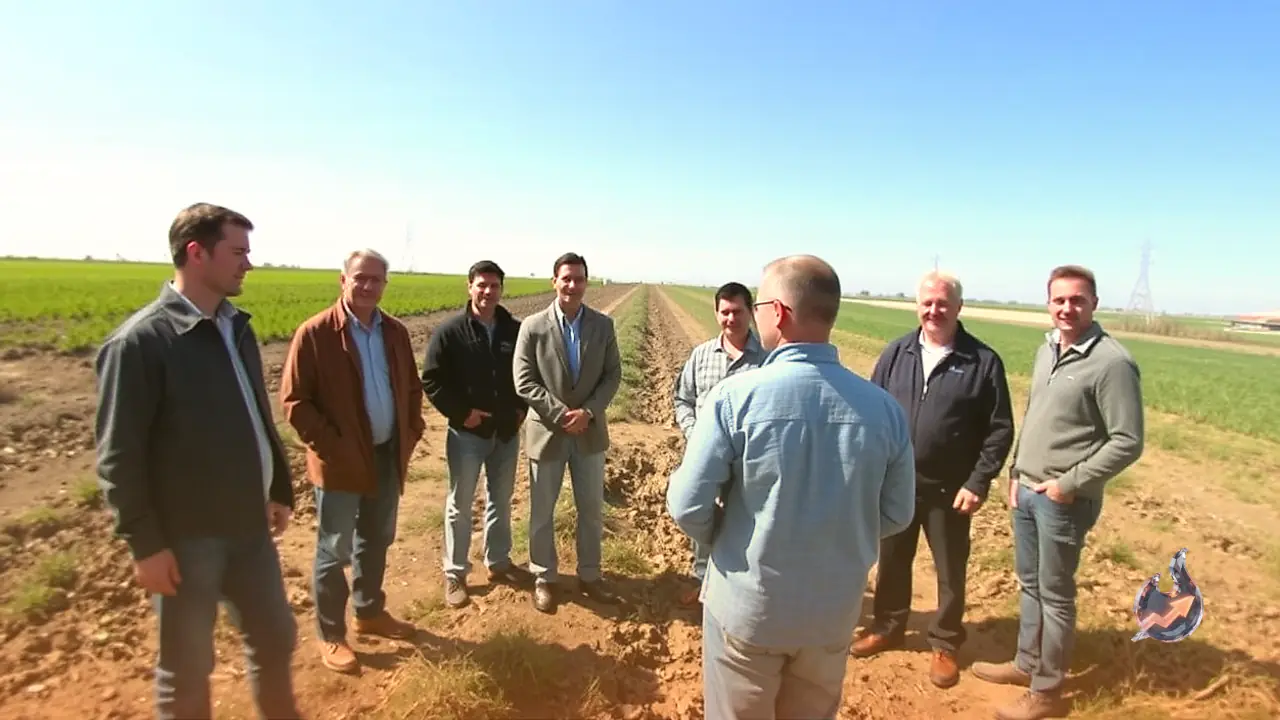















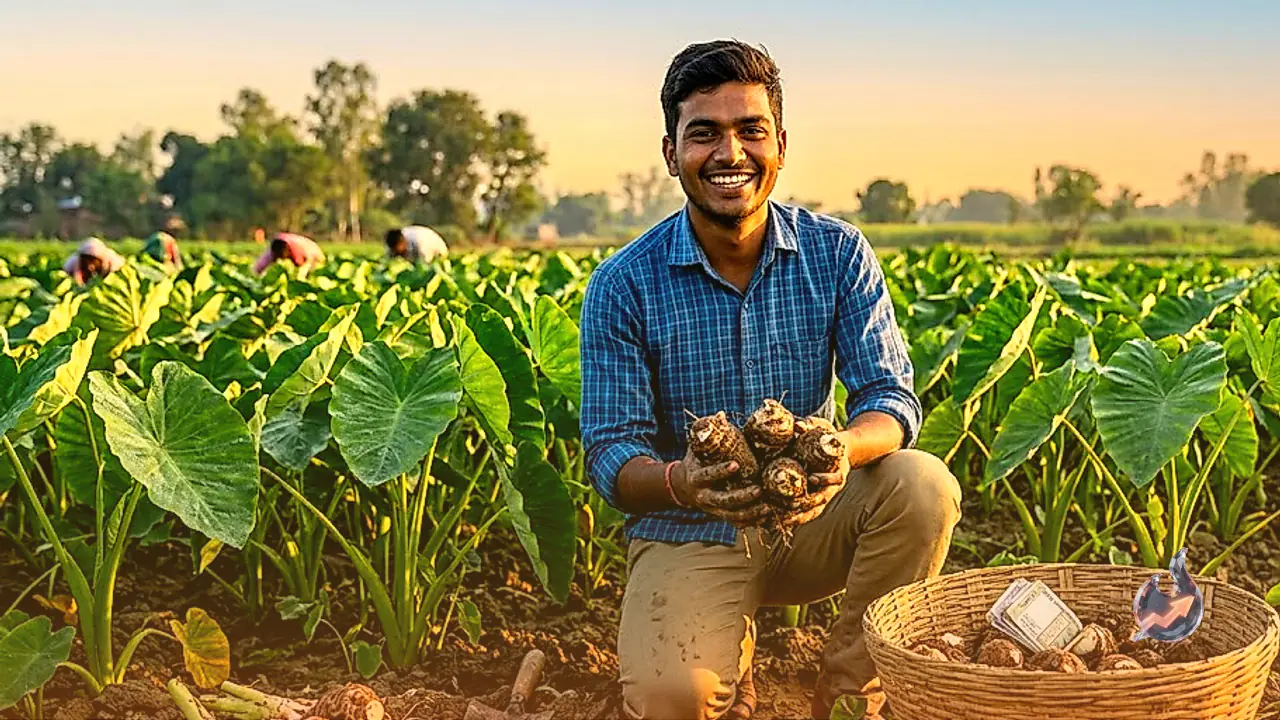

In an era where most fresh college graduates relentlessly pursue corporate employment or government jobs, a young man from the Gonda district of Uttar Pradesh has chosen a remarkably different path. Raghavendra Mishra decided to step away from the conventional job hunt and instead channel his education and energy into agriculture. By adopting modern and purely organic farming techniques, he has successfully cultivated Arbi, also known as taro root or colocasia, turning a modest piece of land into a highly profitable enterprise.
Shifting Away From Chemical Agriculture
Mishra comes from a family with a background in traditional farming. However, he recognised early on that conventional methods, which heavily rely on chemical fertilizers and toxic pesticides, were degrading soil health and reducing crop quality. Determined to innovate, he transitioned the family's agricultural practices towards a completely organic approach. Instead of buying expensive synthetic chemicals, he enriches his soil using natural alternatives like well rotted cow dung manure, nutrient rich vermicompost, and Jivamrit, a traditional organic fertilizer mixture. This conscious shift not only guarantees a safer, chemical free harvest but also naturally restores and maintains the long term fertility of the earth.
The Cultivation Cycle And Organic Benefits
Growing taro root organically requires patience and precise care. According to Mishra, the crop generally takes about six to seven months to reach full maturity and be ready for harvest. During this growing period, the fields require consistent maintenance. Mishra ensures timely irrigation and regularly carries out weeding to keep unwanted plants from competing with the crop. Furthermore, he periodically sprays natural, organic solutions over the plants to protect them from pests and diseases. "These natural methods ensure excellent plant growth while significantly reducing the risk of crop diseases," Mishra explains. He notes that bypassing chemical inputs drastically lowers the overall cost of cultivation while keeping the soil highly productive for future planting seasons.
Investment, Yield, And Market Success
The financial mechanics of this organic farming venture are particularly striking. Mishra has been cultivating Arbi for the past 4 years, currently dedicating about half a bigha of land to this specific crop. When he first started out, his initial capital investment was surprisingly low, amounting to just 300 to 400 rupees. Today, his recurring costs are practically negligible because he prepares and treats his own seeds at home for each new sowing season. His only real ongoing expenses are the minor labor costs associated with routine weeding and field maintenance.
A Profitable Future Ahead
The returns on this minimal investment have been highly encouraging. From just his half bigha plot, Mishra consistently harvests an impressive yield ranging from 8 to 9 quintals of taro root. Because organically grown produce commands a premium in the market due to high consumer demand, he easily sells his harvest at a robust price of 40 to 50 rupees per kilogram. This lucrative pricing model generates a substantial and steady income stream, far exceeding what traditional farming methods might yield on a similarly sized plot. Encouraged by this ongoing financial success and the positive environmental impact of his methods, Mishra is already formulating plans to expand his organic cultivation operations on a much larger scale in the coming years.