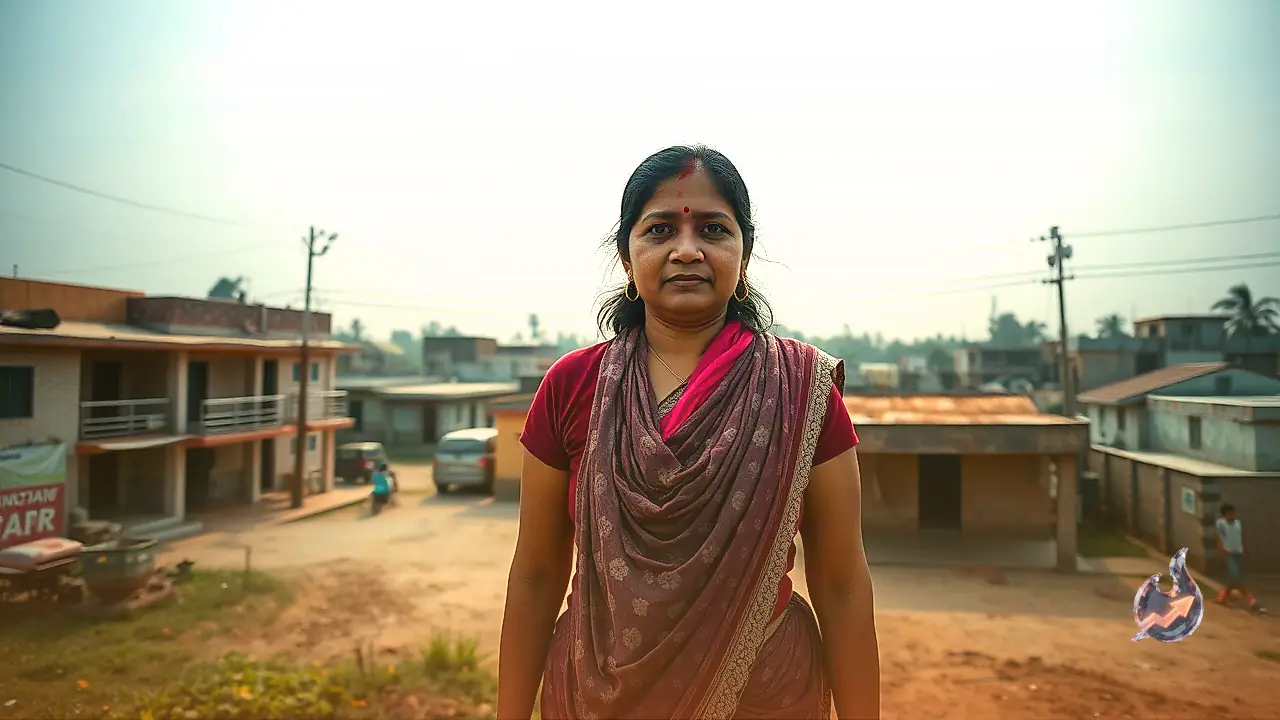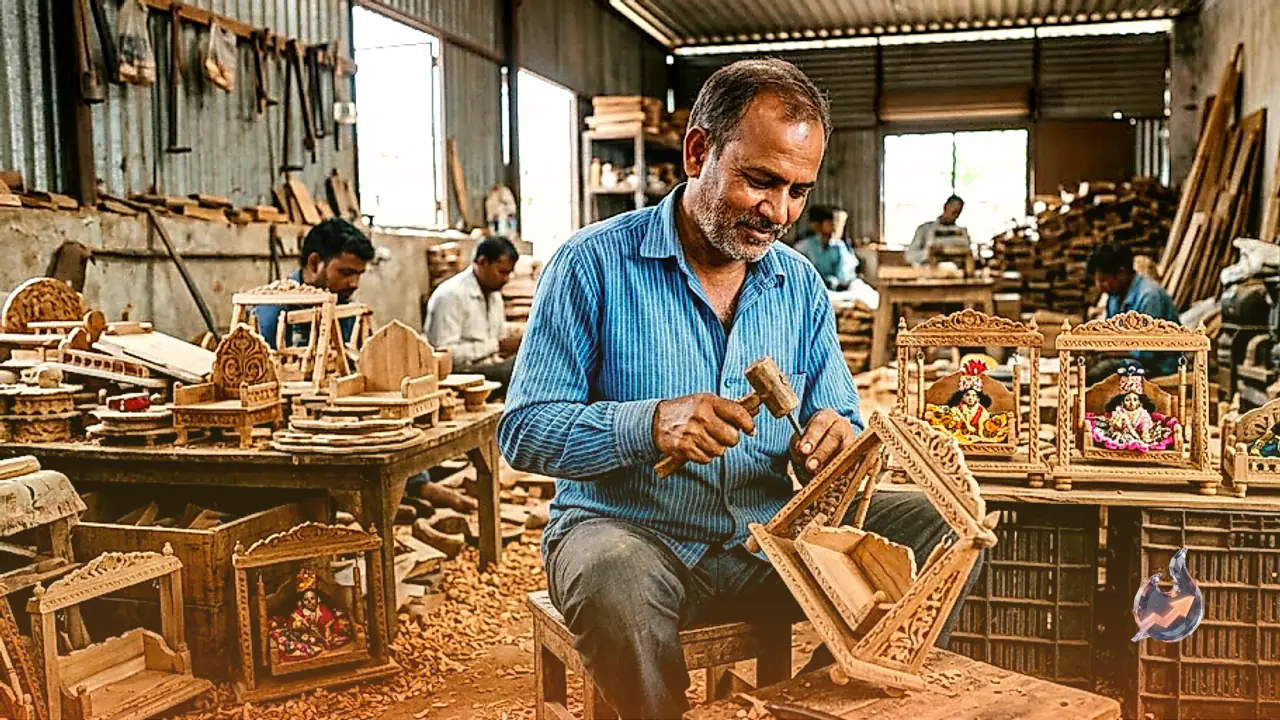























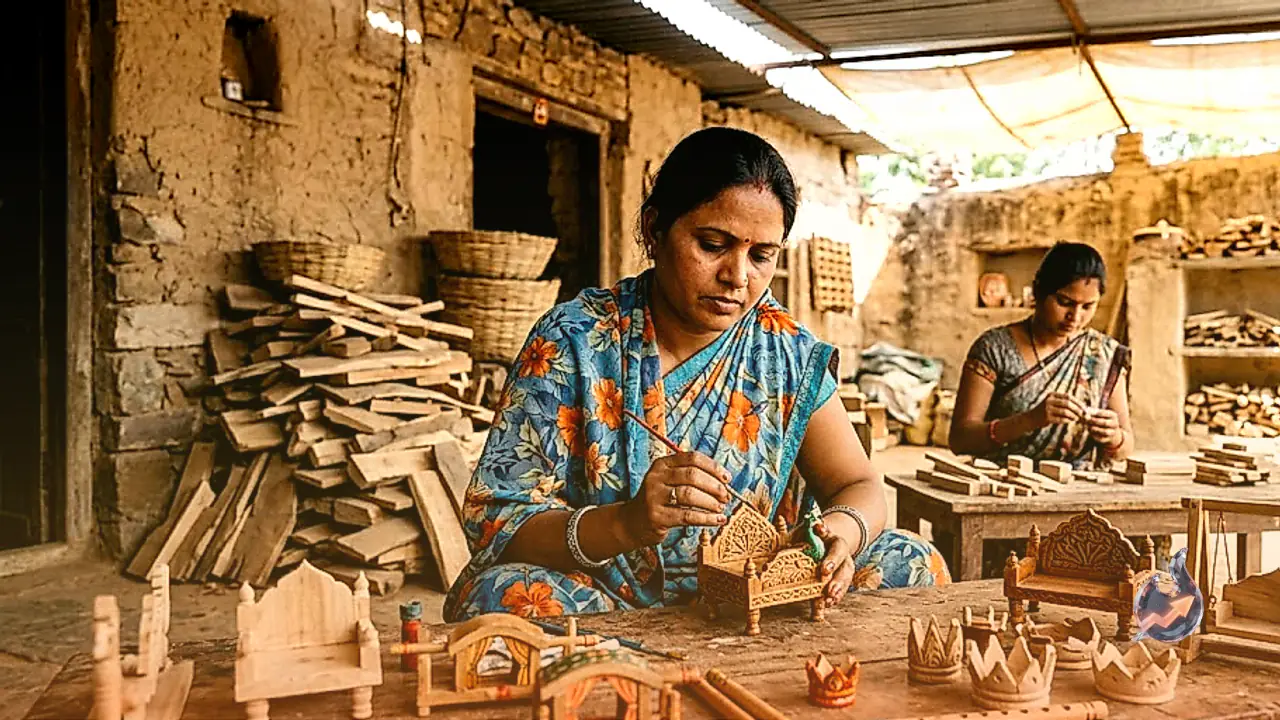

Apoorva, a resident of Alwar in Rajasthan, has successfully carved out her identity as a self-reliant entrepreneur by combining creative ingenuity with dedicated craftsmanship. While managing her household responsibilities, she operates a flourishing home craft business manufacturing decorative accessories for Laddu Gopal. By upcycling leftover wooden scraps from furniture workshops, she designs artistic thrones, beds, and ornate displays. Her handcrafted products are no longer limited to Alwar; they are now supplied to major urban centers including Delhi, Jaipur, Bengaluru, Ahmedabad, Gujarat, and Moradabad. With the approaching Janmashtami festival, demand for her artisan items has witnessed a significant nationwide surge.
Devotional Traditions Shaping an Entrepreneurial Vision
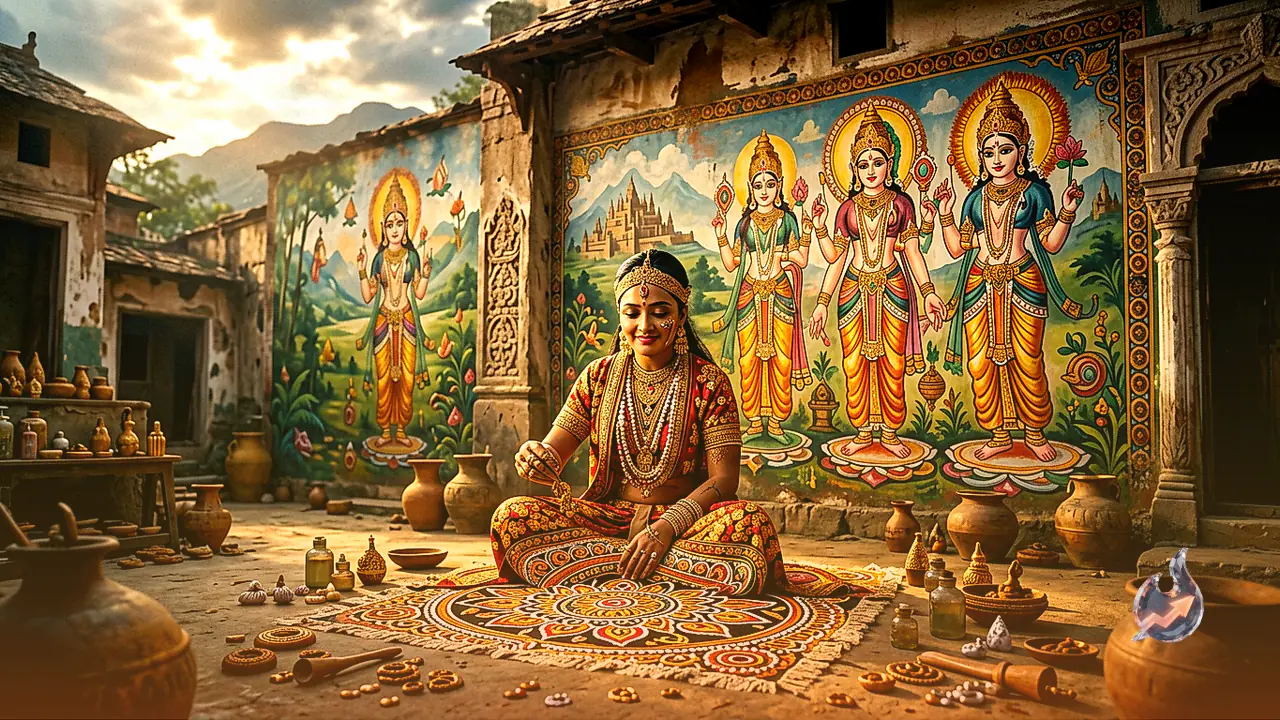
The inspiration behind her venture stems from a deep-seated spiritual environment. Apoorva shared that worshipping Laddu Gopal had been an integral family tradition at her maternal home since her childhood, where festivals were marked by crafting custom thrones and altar setups. Following her marriage, she observed the same traditions of worship and decorative presentation at her in-laws' residence. This continuous exposure to festive craftsmanship motivated her to turn her artistic skill into a structured home enterprise, aimed at making beautiful and durable devotional items accessible to devotees.
The Upcycling Process: From Wood Waste to Finished Art
Starting on a small scale, Apoorva focused on resourcefulness by utilizing discarded wood offcuts and scrap materials from furniture production. The manufacturing process begins by transforming these small wooden pieces into sturdy structural frames of varying shapes and dimensions. A layer of cushioning foam is then applied over the wooden base, followed by meticulous fabric wrapping, embroidery work, and decorative trims. Initially, she showcased her prototype designs in local market spaces and on social media platforms. Encouraged by enthusiastic customer responses and design suggestions, she expanded her catalog to offer customized accessories tailored to client preferences.
Family Collaboration and Disciplined Daily Routine
Family encouragement has played a pivotal role in scaling her initiative. Her father-in-law actively assists in the production cycle by crafting the preliminary wooden bases for the items. As a dedicated homemaker, Apoorva maintains a strict work-life schedule to manage both domestic duties and her business operations. After completing all morning household chores, she devotes the hours between 11:00 AM and 5:00 PM exclusively to crafting accessories, before returning to domestic responsibilities in the evening. This structured routine allows her to balance business growth with domestic commitments.
Expanding From Local Exhibitions to a Nationwide Reach
According to her sister-in-law, specialized accessories for Laddu Gopal were previously hard to find in Alwar, forcing residents to depend on outside purchases during festival seasons. Apoorva changed this dynamic by offering high-quality, locally made decorative items. She hosted her inaugural exhibition in Alwar, which served as a launching pad. Subsequent word-of-mouth recommendations and social media visibility led to regular bulk orders from metropolitan markets like Jaipur, Bengaluru, Ahmedabad, Moradabad, and Delhi. Today, she not only maintains financial independence but also provides employment to three other individuals, demonstrating how household initiative combined with family support can build a meaningful enterprise.