























Researchers at the Indian Institute of Technology Delhi have introduced an innovative rapid testing kit designed to detect a dangerous cancer-causing toxin frequently lurking in daily food supplies. Staple items like wheat, rice, maize, and groundnuts often fall victim to a fungus known as Aspergillus, which thrives in humid and damp conditions. This fungus produces a potent toxin called aflatoxin, contaminating crops long before they reach consumer kitchens. Because this dangerous compound remains largely undetectable by sight or smell, consumers regularly ingest it without realizing the severe health risks involved.
Severe Health Risks and World Health Organization Classifications
The International Agency for Research on Cancer, operating under the World Health Organization, has classified aflatoxin as a Group-1 carcinogen, confirming its ability to cause cancer in humans. Prolonged exposure or continuous consumption of food items tainted with this substance significantly elevates the risk of developing liver cancer. Because these molds propagate easily in poorly stored agricultural yields, the resulting contamination poses a silent yet profound public health challenge across the nation, making early detection an absolute necessity for consumer protection.
Advanced Aptamer Technology for Accurate Results
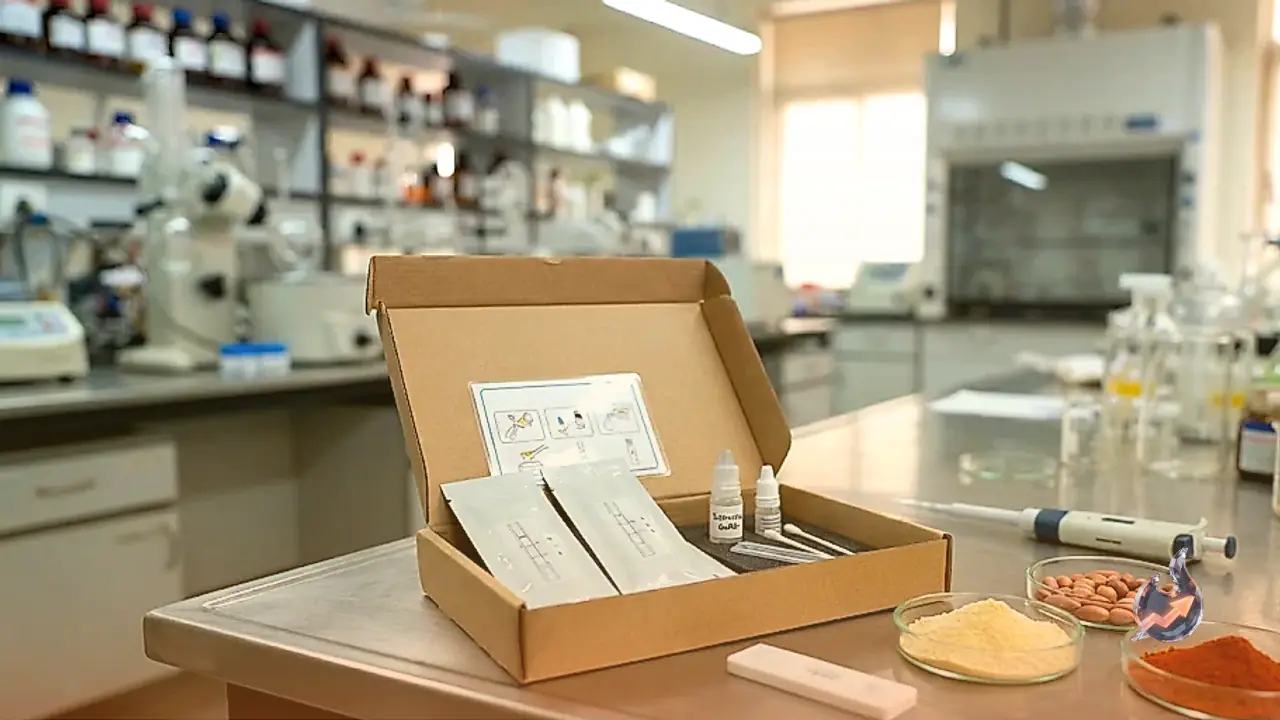
Detailing the mechanics of the screening tool, Dr. Monali Surja explained that the rapid testing kit relies on an aptamer-based technology framework. This system utilizes short DNA sequences engineered to specifically target and bind with aflatoxin molecules present in the sample. The diagnostic readout is straightforward, displaying one or two distinct bands depending on the outcome. The appearance of a single band confirms the presence of the toxin in the food sample, whereas two visible bands indicate that the tested item is clean and safe from contamination.
Cost Advantage Over Existing Market Alternatives
While antibody-based testing kits already exist in the marketplace, their prohibitive pricing limits their widespread adoption among ordinary consumers and small-scale processors. By contrast, the newly developed diagnostic tool achieves a remarkable cost reduction, bringing the price of a single test down to roughly 100 rupees. During routine quality assessments across India, toxic contaminants frequently cause food batches to fail safety evaluations. This economical kit provides a practical solution for preliminary screening, allowing authorities and processors to flag substandard goods quickly.
Expanding Accessibility for Everyday Consumers
Developers are currently working on further optimizing the manufacturing process to lower production expenses even further, ensuring the technology moves beyond specialized laboratories into public hands. The overarching vision involves making the kit user-friendly enough for households, retail shops, and local food safety inspection units to operate independently. Should these efforts succeed in bringing widespread availability to the commercial market, ordinary citizens will gain a powerful tool to screen their provisions and prevent exposure to hidden dietary hazards.