






















In the Lakhimpur Kheri district of Uttar Pradesh, rural farmers are increasingly diversifying away from traditional agriculture and cattle rearing toward sheep farming. Driven by low initial investment, manageable daily maintenance, and strong market demand, sheep husbandry has emerged as a reliable pathway to economic independence for smallholder and marginal agricultural households. Across multiple villages in the region, farmers are generating steady returns by adopting this sustainable livestock model.
Transitioning from Cattle to Sheep Husbandry
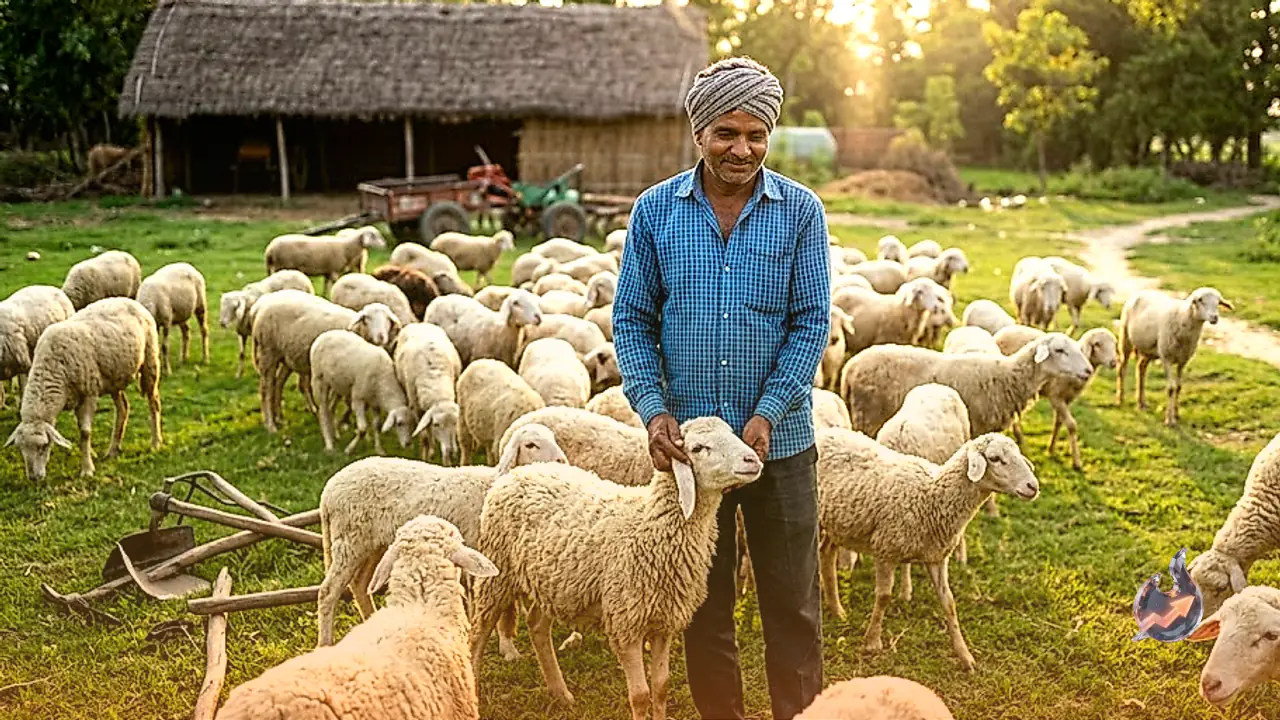
Veerpal, a resident of Padariya Tula village in Lakhimpur Kheri, has been engaged in sheep farming for nearly 10 years. Originally, his family relied primarily on cattle rearing. However, as times changed, maintaining cows became increasingly challenging, particularly due to growing difficulties in selling adult cattle. To adapt to these evolving circumstances, Veerpal gradually phased out cow rearing and turned his full focus to sheep farming. Over the past decade, this strategic shift has transformed sheep husbandry into the primary income source for his household.
Building a 50-Strong Flock from an Initial 10 Sheep
When Veerpal first ventured into the business, he started with a modest flock of just 10 sheep. Through persistent hard work, attentive care, and disciplined herd management, he successfully expanded his livestock over the years. Today, his farm houses approximately 50 sheep. Veerpal emphasizes that maintaining livestock health requires basic yet consistent routines: supplying fresh fodder, providing clean drinking water, and adhering strictly to required vaccination schedules. Following these core practices ensures high survival rates and maximizes overall profitability.
Low Feeding Overhead and Direct Farmgate Sales
One of the main advantages of sheep farming compared to raising larger livestock is the significantly lower operational expenditure. Sheep can easily forage in nearby fields and open pastures, which drastically reduces the need to purchase expensive commercial feed. This makes the venture highly accessible for small-scale farmers with limited financial resources. On the commercial side, a healthy sheep of good breed fetches between Rs 6,000 and Rs 7,000 in the market. Furthermore, farmers do not need to travel long distances to livestock markets, as traders from local areas, neighboring districts, and adjacent states regularly visit the village to purchase livestock directly. In addition to adult sheep, the periodic sale of young lambs provides a steady stream of supplementary income.
Boosting Rural Economy and Livestock Health Practices
For land-constrained farming families, sheep rearing offers an effective vehicle for rural employment and wealth generation. With a structured approach, a farmer can construct a sizeable flock within a few years, securing long-term economic stability. However, maintaining animal health remains critical to sustaining these gains. Preventing disease outbreaks requires timely vaccinations, regular administration of deworming medications, maintaining clean and well-ventilated housing pens, and offering a balanced diet. Proper sanitary and nutritional protocols minimize mortality and foster healthy growth across the herd.