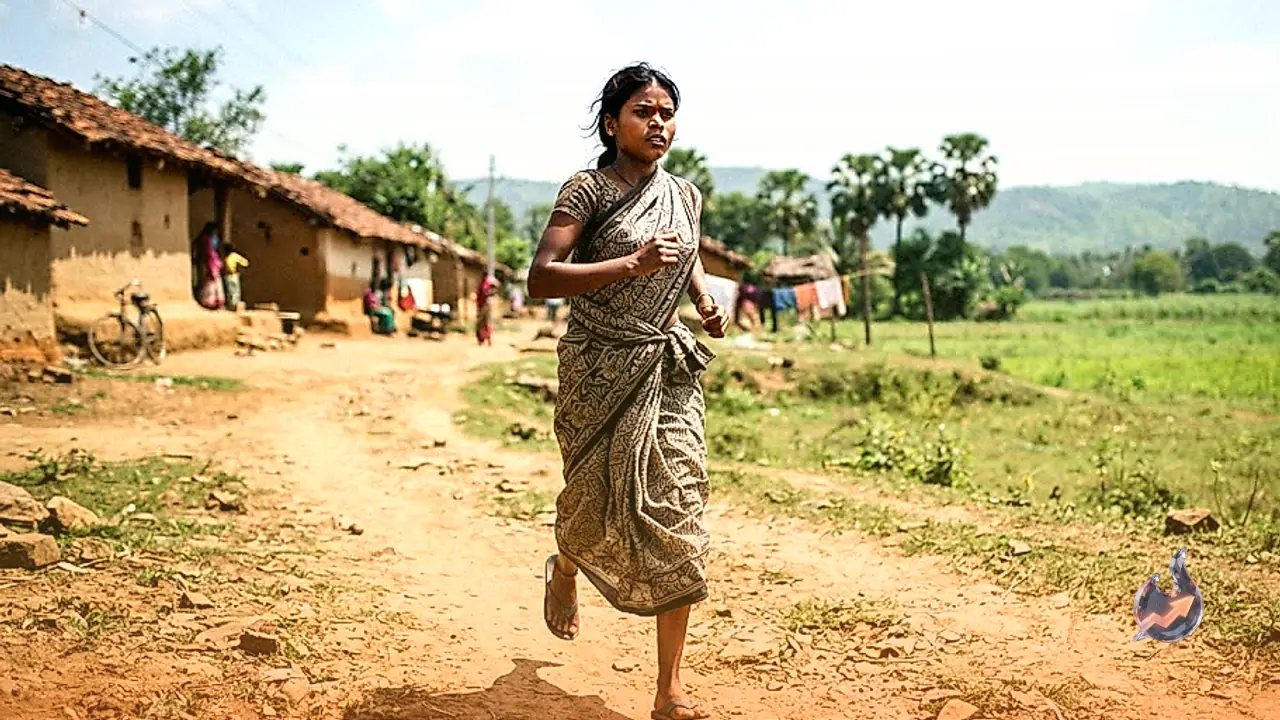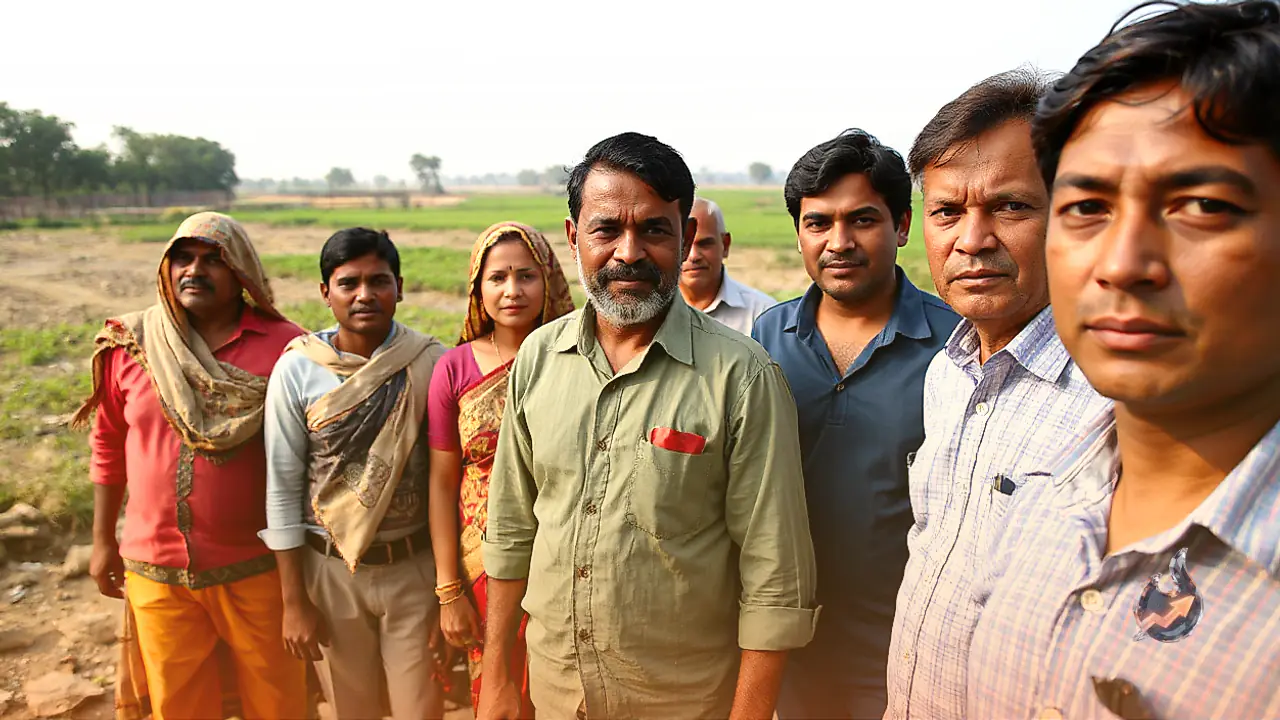






















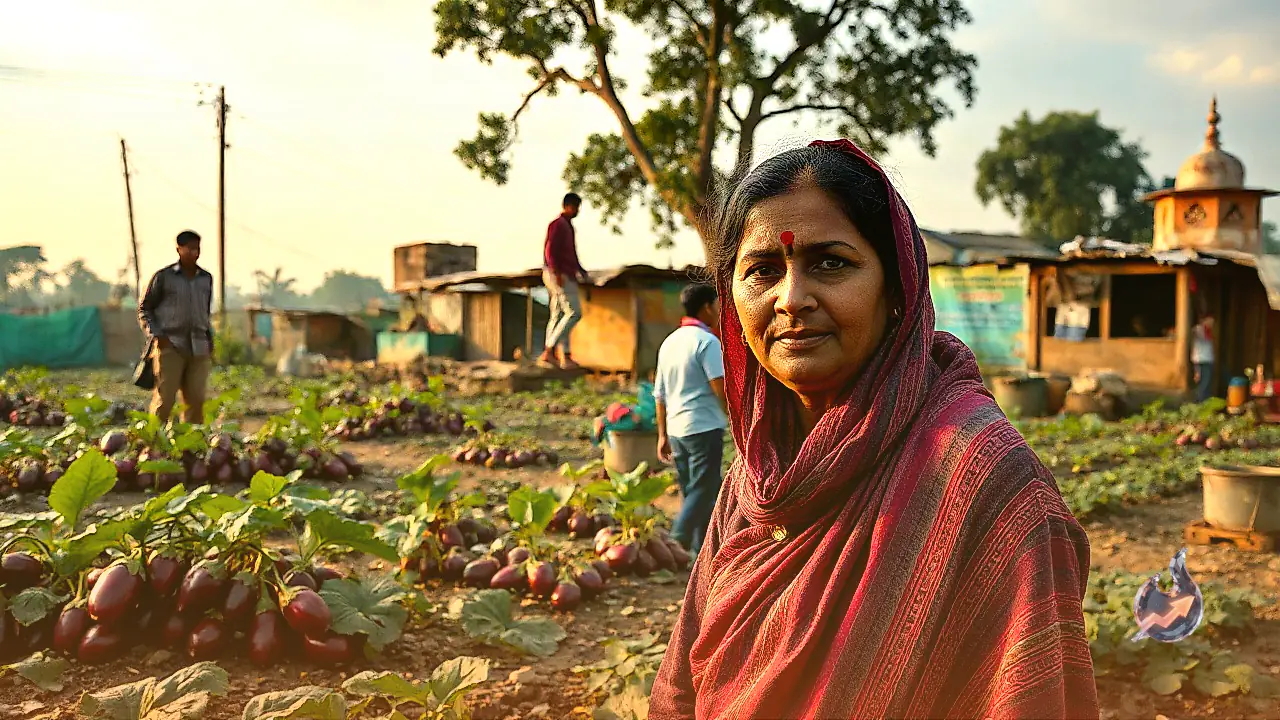

Women farmers in Jharkhand are establishing remarkable milestones through dedication and sustainable agricultural practices. Munni Devi, a resident of Pokhar Toli in the Nagri block of Ranchi district, stands out as a prime example of agricultural success. She carries out large-scale brinjal cultivation across 25 acres of farmland. Supported by a dedicated team of 5 workers, she has transformed traditional farming into a profitable commercial enterprise. The quality of her produce is in high demand, reaching wholesale markets extending from South India all the way to Delhi.
Yield Metrics and Seasonal Earnings of Up to Rs 12 Lakh
According to Munni Devi, each acre of her 25 acre farm yields approximately 30 quintals of brinjal. She sells her harvest directly to traders, ensuring direct market access without intermediate markups. Over the course of a single brinjal season, her operations generate total revenue ranging between Rs 10 lakh and Rs 12 lakh. A portion of these earnings is allocated toward input expenditures, including seeds, land preparation, fertilizers, labor, and crop protection. Reinvesting part of her returns allows her to maintain long term operational efficiency.
Pest Management and Soil Health Techniques
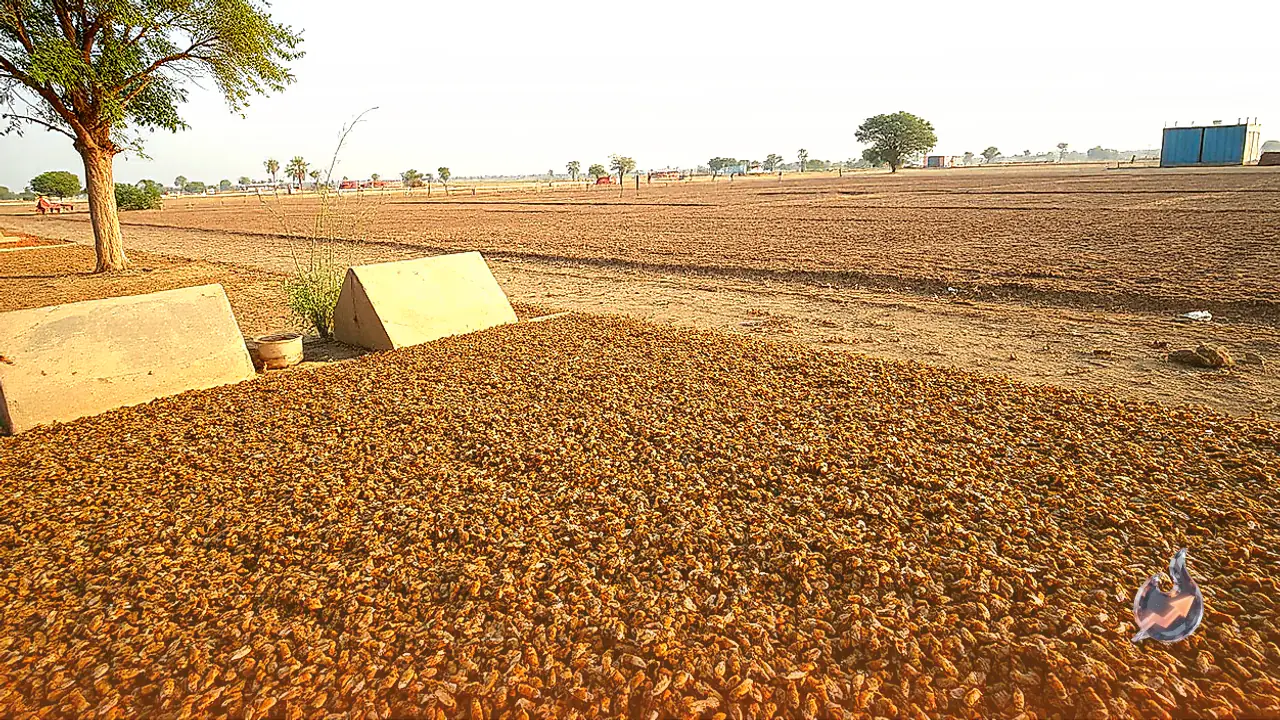
Insect infestation poses the primary challenge in brinjal farming. Munni Devi notes that pests damage nearly 2 to 3 quintals of produce across her 25 acre land holding. To minimize crop loss, she applies targeted pesticides when necessary. Additionally, to enhance natural soil fertility, she burns dried cow dung and spreads the resulting ash across the fields. She emphasizes that cow dung ash provides essential minerals to the soil while acting as a natural deterrent against insects. Her overall cultivation strategy places strong emphasis on organic manure.
Field Preparation and Organic Nutrient Integration
Thorough soil preparation precedes every planting cycle. During the initial plowing phase, Munni Devi incorporates a balanced mixture of cow dung and vermicompost into the soil. The land is then plowed 3 to 4 times and left exposed to direct sunlight for several days. This sun curing process naturally sanitizes the soil, eradicating harmful pathogens while boosting aeration. Consequently, the root systems of young saplings absorb nutrients much more effectively once planted.
Monsoon Water Management and Root Preservation
Excessive rainwater during the monsoon poses a severe threat to brinjal crops, as standing water leads to root rot and fungal infections. To overcome this hurdle, Munni Devi plants her brinjal crops on slightly elevated terrain or raised beds. This layout ensures that surplus rainwater flows downward naturally, preventing waterlogging around the root zones. Through this disciplined water management approach, her crops remain healthy throughout the rainy season without compromising overall yield.