





















In Palamu district of Jharkhand, Sunita Devi has demonstrated how integrating modern techniques with persistent hard work can transform traditional vegetable farming into a highly remunerative enterprise. A resident of Chedawar village under Chainpur block, she has been actively engaged in agriculture for nearly 30 years. Having adopted vegetable cultivation as her primary livelihood right after her marriage, she initially relied heavily on traditional brinjal farming. Over time, however, she strategically diversified her crop portfolio to cultivate a wide range of seasonal vegetables throughout the entire year.
Transition from Traditional Crops to Diversified Vegetable Farming
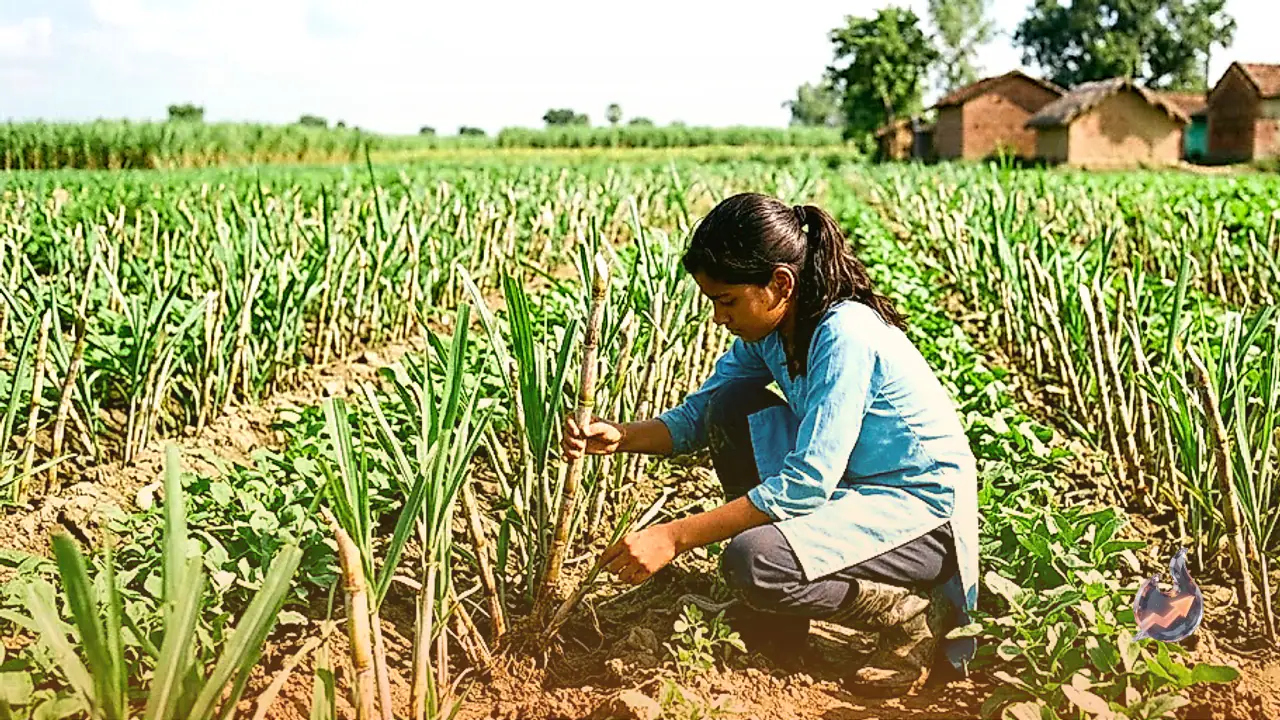
Recognizing changing market demands and weather patterns, Sunita Devi shifted her approach away from monoculture. For approximately the past 3 years, she has placed special emphasis on cultivating multiple vegetable varieties simultaneously. Her farmland now yields rich harvests of sponge gourd (nenua), okra, bitter gourd, pumpkin, and tomatoes in different seasons. She plans her land utilization meticulously, dedicating roughly 5 kattha to sponge gourd, 1 kattha to bitter gourd, and 1 kattha to tomato cultivation alongside other complementary crops.
Implementation of Trellis Systems, Mulching, and Organic Fertilizers
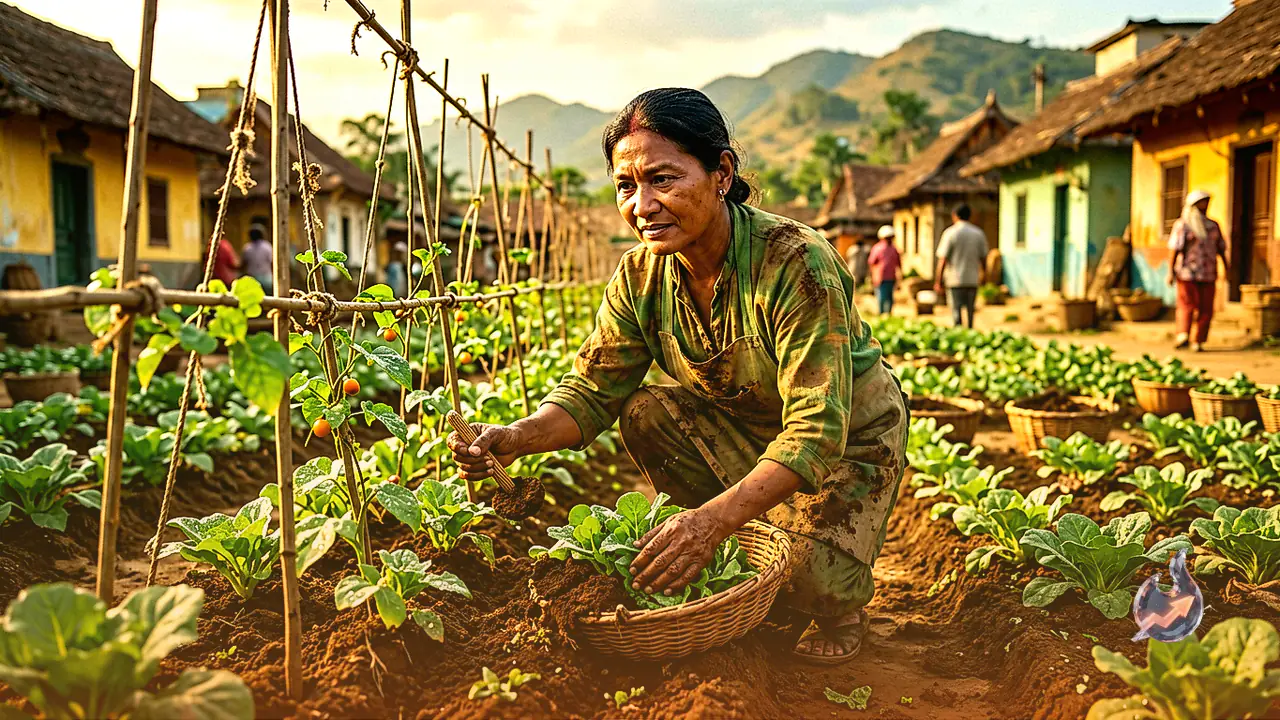
To maximize harvest quality and minimize crop losses, Sunita Devi introduced several advanced agricultural methods. A key innovation in her fields is the machan or trellis technique, constructed using sturdy bamboo poles and durable ropes. By training vine-bearing plants onto these elevated frameworks, the fruits remain suspended well above the soil. This prevents direct ground contact and moisture accumulation, drastically reducing rotting and pest damage while significantly enhancing overall yield and visual appeal. Furthermore, she utilizes mulching techniques in select crops to preserve soil moisture and control weeds, while applying organic manure to maintain long-term soil fertility and health.
Daily Routine and Direct Selling in Medininagar Market
For Sunita Devi, farming is far more than a basic survival task, it represents true personal and financial self-reliance. She dedicates between 2 to 4 hours every day, split between morning and evening sessions, to manage and maintain her plots. Early each morning, she harvests fresh produce directly from her fields and transports it to the urban market in Medininagar city. By eliminating intermediaries and selling directly to end consumers, she captures maximum value from her produce, bringing in daily revenues ranging from ₹2,500 to ₹3,000.
Generating ₹50,000 to ₹60,000 Monthly and Inspiring Rural Women
Through systematic farming, modern practices, and direct market access, Sunita Devi generates a substantial monthly income between ₹50,000 and ₹60,000. This steady stream of earnings enables her to finance her children's education and comfortably manage all essential household expenditures. She attributes her success to dedication, sound agricultural technology, and direct selling strategies. Today, her journey stands as a beacon of empowerment for women across rural Palamu who aspire to achieve financial independence through agriculture.