






















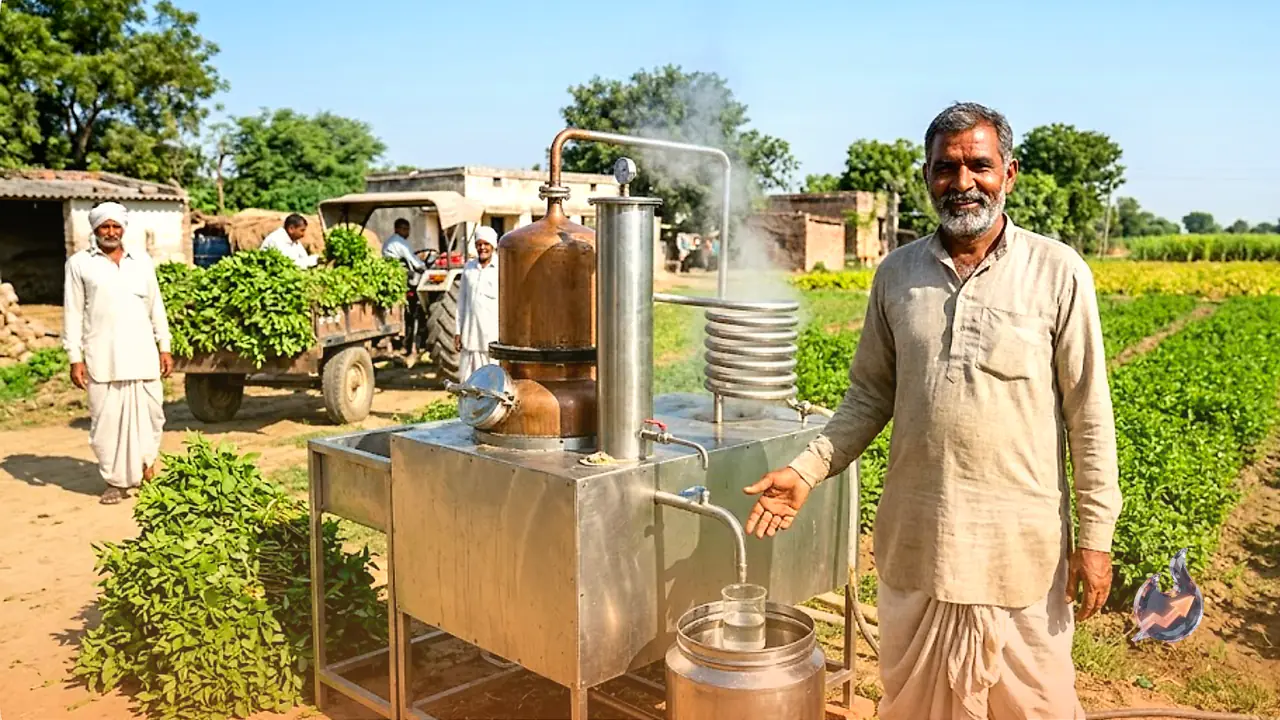

For mentha farmers in Rampur, the real headache has never been growing the crop but getting the oil out of it. For years, that meant loading harvested mint onto vehicles, travelling to a distant processing unit, paying freight charges, waiting in line and watching a good portion of the profit disappear into logistics costs. Raghuveer, a mentha farmer with close to two decades of experience, decided to tackle this problem at its root. About nine years ago, he installed a mentha oil distillation plant right next to his own field, spending roughly one and a half lakh rupees on the machine at the time. Today that investment has grown into both a working asset on his farm and a shared processing facility for the surrounding area.
Two Decades of Mentha Cultivation
Raghuveer has been growing mentha for approximately 20 years. In the early days, every harvest came with the added burden of arranging transport to an external processing centre, waiting for a turn and paying separately for the extraction. The cumulative cost of all this quietly ate away at his margins year after year. That steady drain is what convinced him to invest in an on-site solution rather than keep absorbing the expense indefinitely.
A Shared Hub for Farmers Across Several Villages
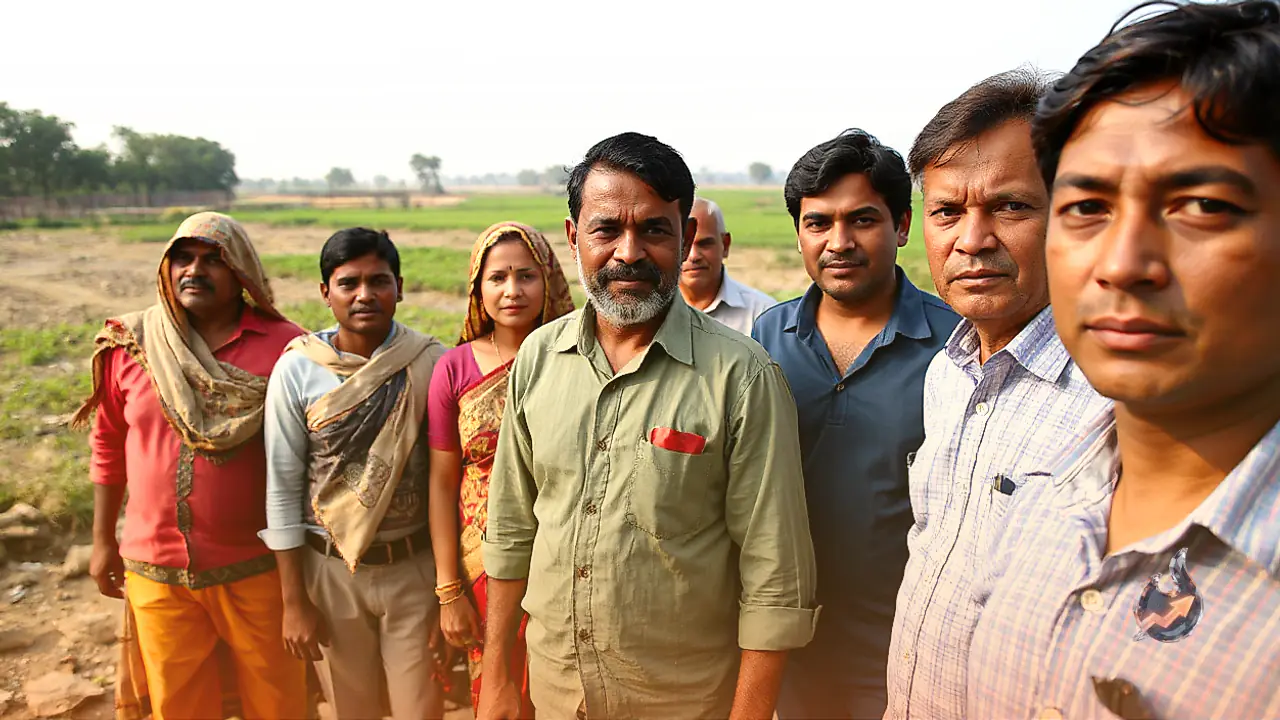
The plant has grown well beyond a personal convenience. Farmers from multiple nearby villages now bring their freshly harvested mentha directly to Raghuveer's facility instead of travelling to a distant unit. This saves them both the transport cost and the time spent waiting elsewhere. Raghuveer charges a processing fee of around 150 rupees per kilogram of oil extracted, giving him a separate income stream on top of what his own fields produce. The machine that once represented a cost he had to bear himself has become a source of earnings in its own right.
Seventeen to Eighteen Quintals of Oil Each Season
The extraction process starts after the harvested mentha is dried lightly for a day or two. The dried crop is then loaded into the distillation tank, where water is heated to generate steam. The steam passes through the layers of mint leaves, carrying the essential oil along with it through a pipe to a condenser, where cooling causes the oil and water to separate, yielding pure mentha oil. Mentha produces two to three harvests a year, and each time a season opens, the plant runs continuously for around a month. Across a full season, Raghuveer's unit extracts roughly 17 to 18 quintals of mentha oil in total.
Even the Post-Distillation Residue Earns Its Keep
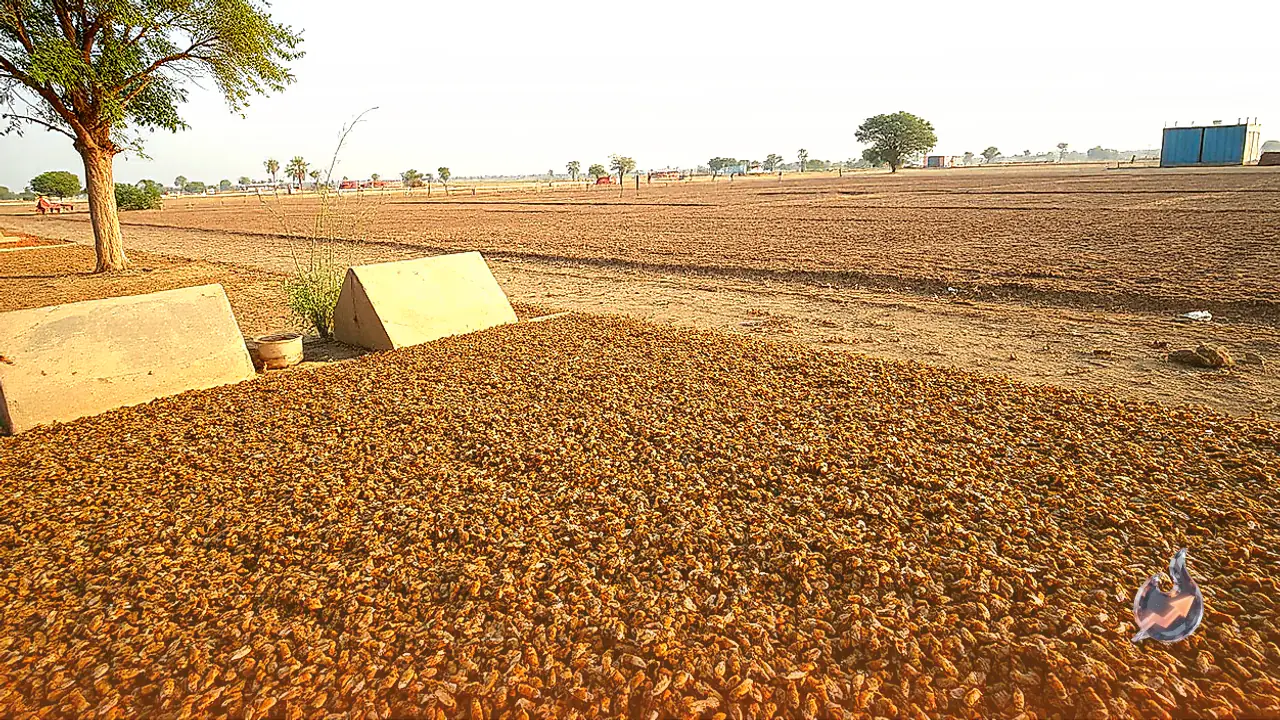
After the oil has been drawn out, the dry leaf residue left behind in the distillation tank does not go to waste. Raghuveer spreads it across his fields as organic compost, reducing what he would otherwise spend on fertilisers. Some farmers in the area use the same residue as fuel. On occasion, the leftover material is sold off for a modest additional income. In practice, almost nothing from the entire process is thrown away.
A Working Model for Mentha-Farming Regions
Raghuveer believes a distillation plant of this kind can be genuinely valuable wherever mentha cultivation is common. Processing the crop on-site removes the need for repeated trips to external facilities and makes the whole operation more efficient for every farmer involved. His setup has already demonstrated the point clearly: most farmers in his village now bring their mentha harvests straight to his machine rather than looking anywhere else.