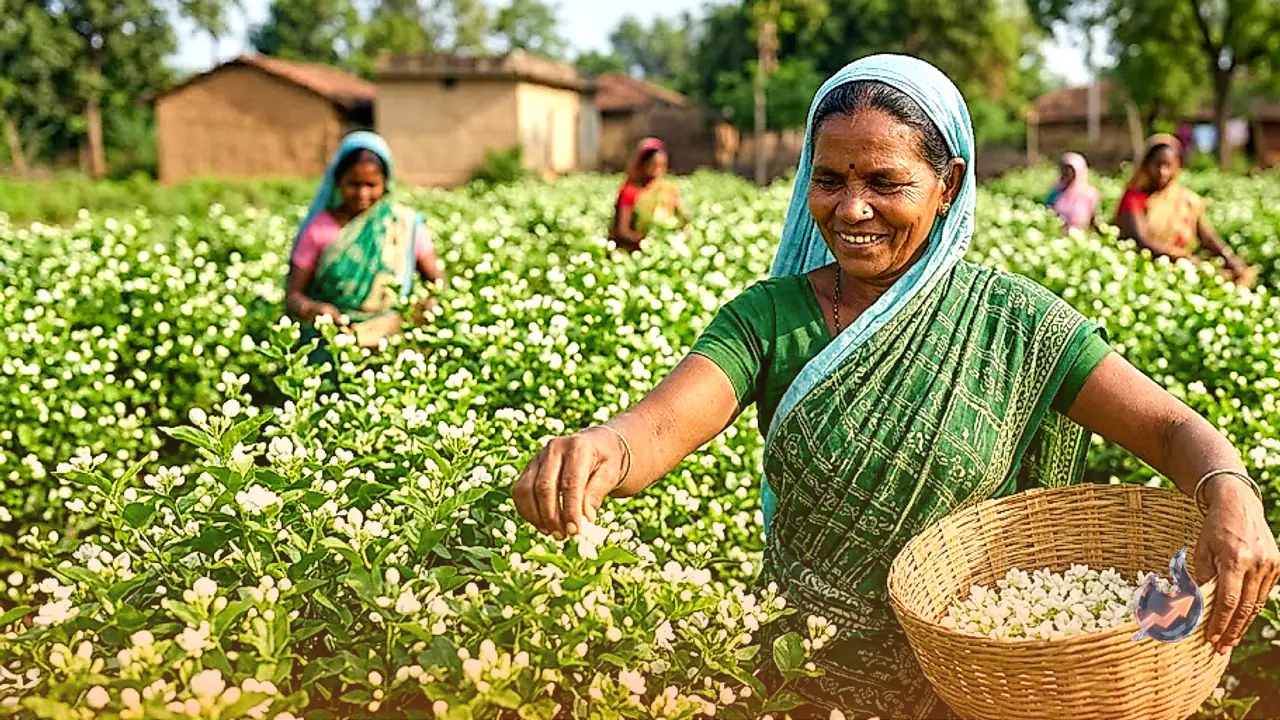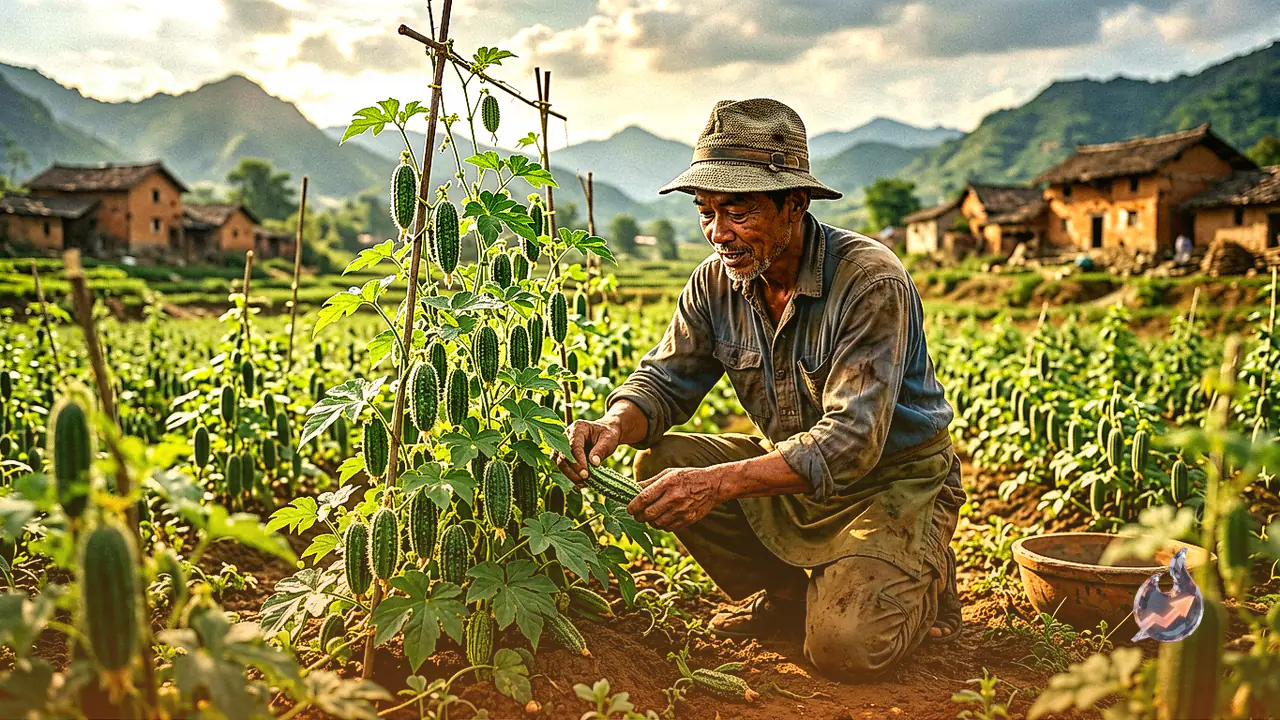























Young farmers in Madhya Pradesh are increasingly moving away from traditional agricultural routines and adopting modern technological solutions to transform farming into a highly lucrative enterprise. By stepping beyond conventional practices passed down over generations, these farmers are drastically reducing physical labor, conserving vital water resources, and multiplying their net revenues. Inspired by these operational achievements, other local agriculturalists are gaining confidence to take calculated risks on their own lands. A prime example of this transition is Abhishek Patel, a young farmer from Khajuria Tola village in Sagar district, who modernized his brinjal cultivation. Over the last three to four years, he has been utilizing drip irrigation alongside mulching techniques, securing net savings between ₹2 lakh and ₹4 lakh per season.
Transitioning Away from Conventional Agricultural Practices
Located roughly 35 kilometers from Sagar, Khajuria Tola is home to Abhishek Patel, whose family had been engaged in traditional farming for decades. Abhishek initially learned agricultural work alongside his father, who had been growing brinjal using conventional surface-irrigation methods for around 20 years. Under those traditional practices, the crop required substantial volumes of water and demanded heavy physical labor throughout the cultivation cycle. Despite hard labor, net profits remained capped in the low thousands, making agricultural expansion difficult.
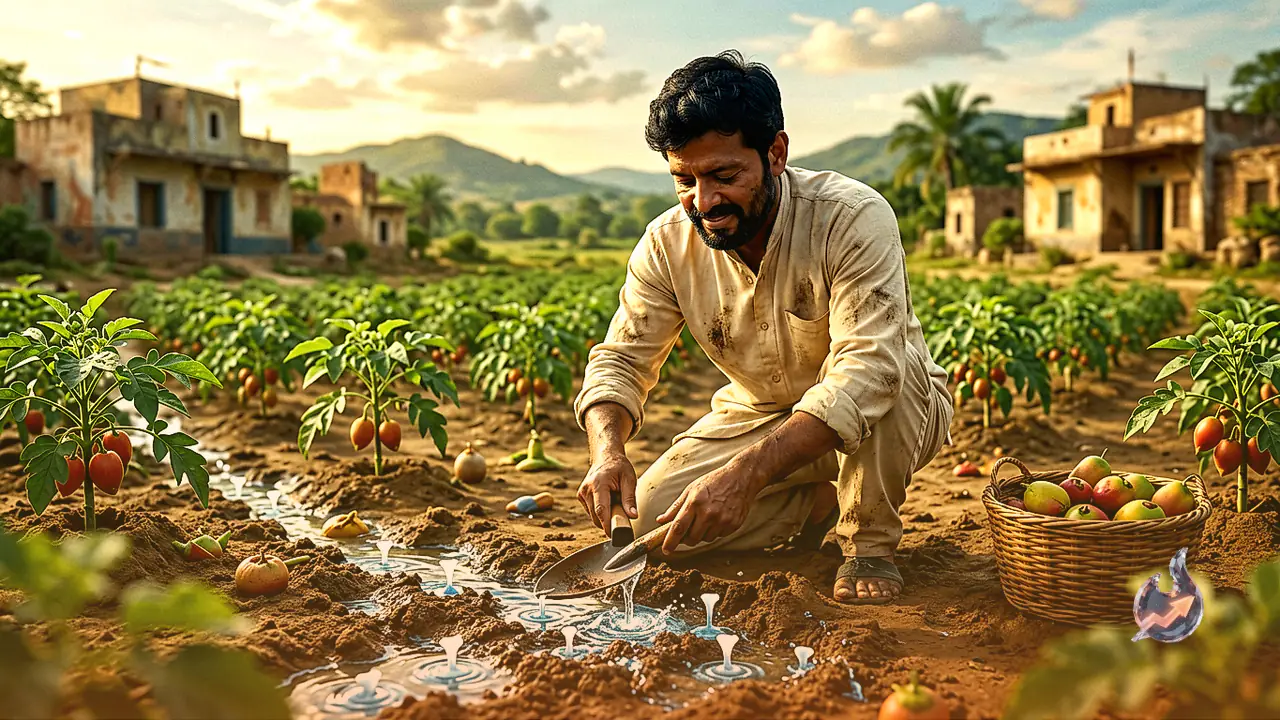
After working alongside his father using traditional methods for two to three years, Abhishek decided to reform their agricultural operations. He transitioned the farm to a drip irrigation system combined with plastic mulching. Although the modern infrastructure raised the initial setup cost per acre, the resulting harvest and economic returns quadrupled. Drip and mulching technologies significantly cut overall water consumption, prevent excessive weed growth to reduce manual field work, and protect the physical quality and nutrient profile of the soil.
Breakdown of Initial Investment and Operational Costs
Outlining the setup expenses required for drip and mulching infrastructure on 1 acre of land, Abhishek notes that purchasing the drip piping network and mulching sheets costs around ₹30,000. In addition, acquiring quality brinjal seeds requires between ₹1,500 and ₹2,000. Over the course of the crop cycle, continuous expenditures on plant protection chemicals, crop nutrients, and harvesting labor constitute the remaining expenses, taking the total operational input cost to approximately ₹1 lakh per acre.
With precise field management and crop care, 1 acre yields a total cumulative production of 300 to 400 quintals of brinjal. When market rates in regional mandis remain favorable, the net profit reaches up to ₹4 lakh after accounting for all input expenses.
Yield Production Cycles and Multi-Mandi Distribution Network
Describing the harvesting timeline, Abhishek explains that he completes 20 to 25 picking cycles per acre during a harvest season, yielding approximately 20 quintals of brinjal in each primary round. Following these major harvests, the plants continue to produce vegetables, though overall yield volume gradually decreases over time.
To secure optimal market pricing, Abhishek distributes his produce across regional trade hubs rather than relying on a single market. He supplies brinjal to major vegetable mandis in Sagar, Damoh, Katni, and Raisen. Diversifying distribution across these four distinct markets ensures competitive prices and provides a steady income stream throughout the harvest cycle.