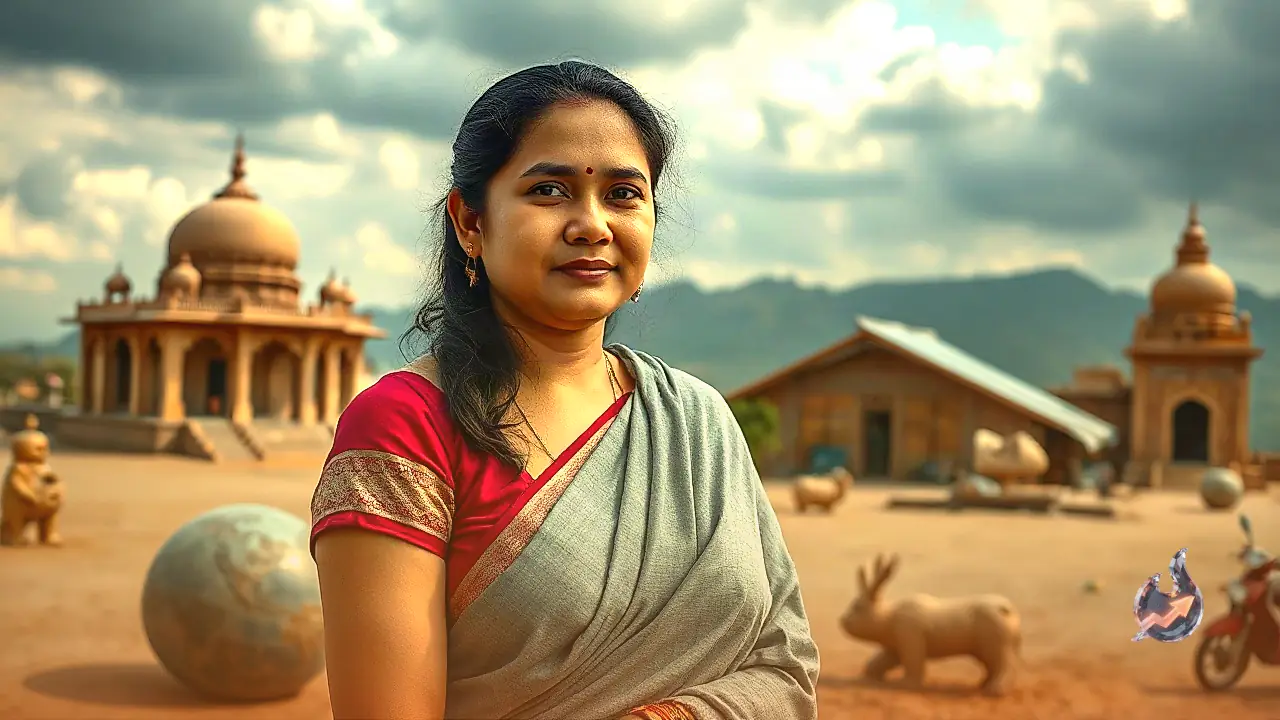




















Sudha Mishra, a Hindi language teacher from Middle School Pipra Dumariya in the Gaya district of Bihar, is setting an inspiring example in the field of reformative education. Currently deputed to the Gaya Observation Home, she has spent the last four years dedicated to bringing light into the lives of children who strayed from the mainstream due to various circumstances. Moving away from conventional teaching practices, she uses songs, music, and poetry as her primary instructional tools. Her creative and empathetic approach has successfully motivated numerous juveniles to abandon negative paths and rebuild their lives. Several of these children are now leading reformed lives, while others are pursuing self-employment opportunities to stand on their own feet.
A Musical Approach to Learning and Behavioral Transformation
Children entering observation homes often come from complex backgrounds and possess distinct psychological needs. Sudha Mishra believes that juveniles who have strayed due to hardship or a lack of proper guidance cannot be reformed through scolding or harsh punishments. Consequently, she begins every class at the observation home by reciting motivational poems and singing uplifting songs. This musical introduction helps focus the children's attention and prepares them mentally for classroom engagement.
This unique pedagogical style has fostered significant behavioral changes. Over the past three to four years, the observation home has witnessed a marked positive transformation among its residents. The children are not only showing an interest in studies but are also adopting disciplined habits. Influenced by her lessons and mentorship, many juveniles take a formal pledge before their release, promising never to commit wrongdoings again and to live as responsible members of society.
Fostering Self-Reliance Through Creative Crafts
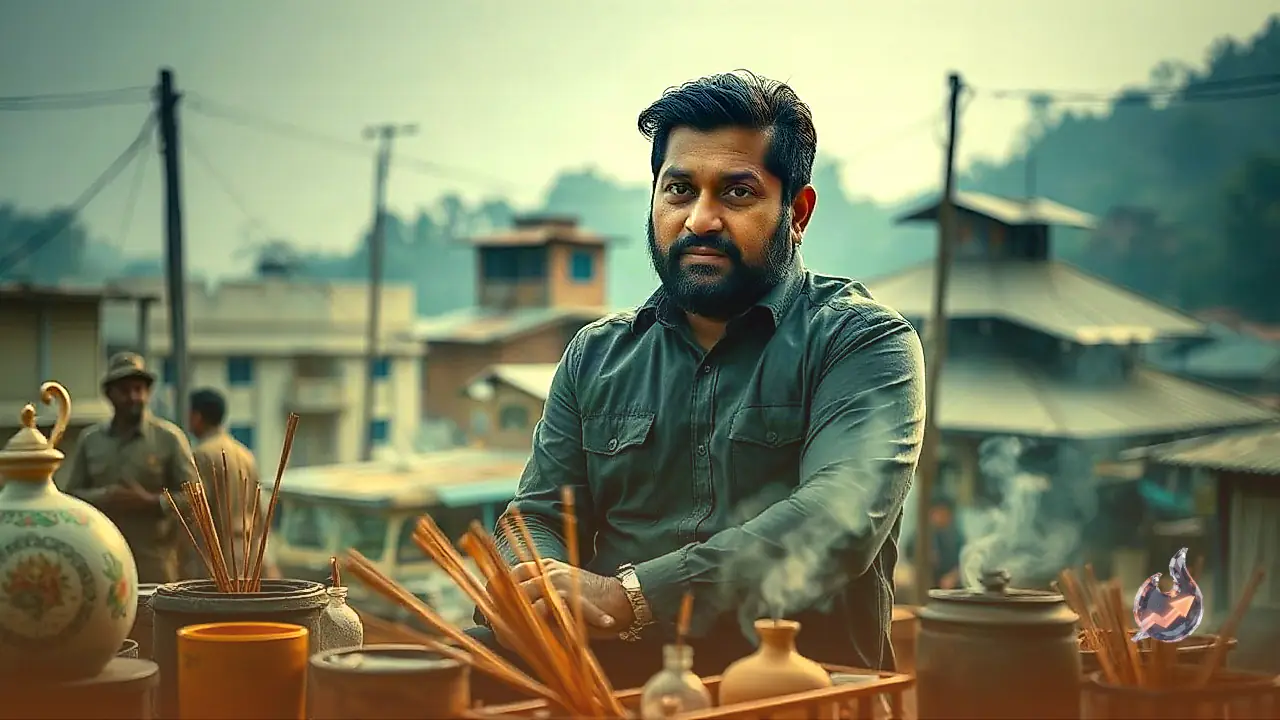
Beyond academic lessons, Sudha Mishra emphasizes practical skills to ensure long-term rehabilitation. Along with classroom education, the children at the observation home engage in diverse creative and craft activities. They are taught the art of making clay sculptures and trained in wood carving to create various artistic items.
The primary goal of integrating vocational and creative activities is to equip these young individuals with marketable skills. By learning a craft, they gain the confidence and capability to pursue self-employment once they leave the facility. Engaging their hands and minds in creative construction keeps them focused on positive growth rather than returning to unlawful activities.
International Recognition and 'Shiksha Ki Mahima'
Sudha Mishra's dedication and innovative teaching methods have gained recognition far beyond Gaya and Bihar. Her contribution to promoting the Hindi language, literature, poetry creation, and juvenile rehabilitation has earned her accolades on both national and international platforms.
Last year, on the occasion of World Hindi Day, she was honored with the International Shikshak Ratna award at a ceremony held in Nepal. She has also been conferred with the Adarsh Shikshak Ratna Samman. During her tenure at the observation home, she authored a poem titled 'Shiksha Ki Mahima' (The Glory of Education). She recited this poem at a poetry competition in Nepal last year, where her work received widespread acclaim and recognition.
The True Purpose of Education and Lasting Impact
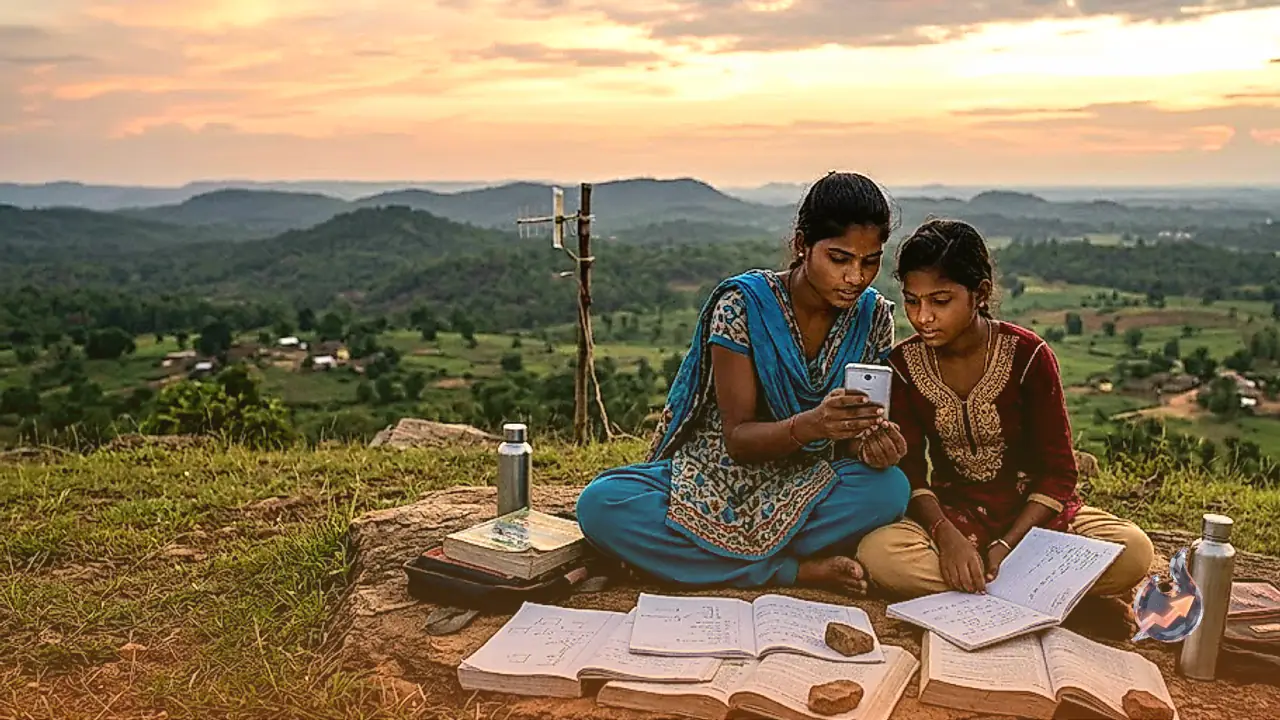
Sudha Mishra strongly advocates that education should not merely be viewed as a tool for securing employment, but as a medium to foster positive thinking and human values within society. Most juveniles at observation homes stray because they were deprived of timely education and a supportive environment. Keeping these children connected to education and the social mainstream can effectively prevent them from falling into criminal habits.
She believes that if her teaching methodology and guidance can restore even a single child to the right path, her journey as an educator is truly fulfilled. Sudha Mishra's story demonstrates that a teacher's role extends beyond imparting textbook knowledge to restoring hope, self-confidence, and clear direction to young lives in need.