



















In rural Bihar, animal husbandry has historically complemented traditional farming practices. For generations, households maintained dairy cattle not only for fresh milk but also for organic manure and farm labour. Over the years, this subsistence activity has transformed into a structured and highly profitable rural enterprise. In Jehanabad district, enterprising individuals are adopting modern dairy practices to generate stable, long-term livelihoods.
Finding Self-Reliance Through Animal Husbandry
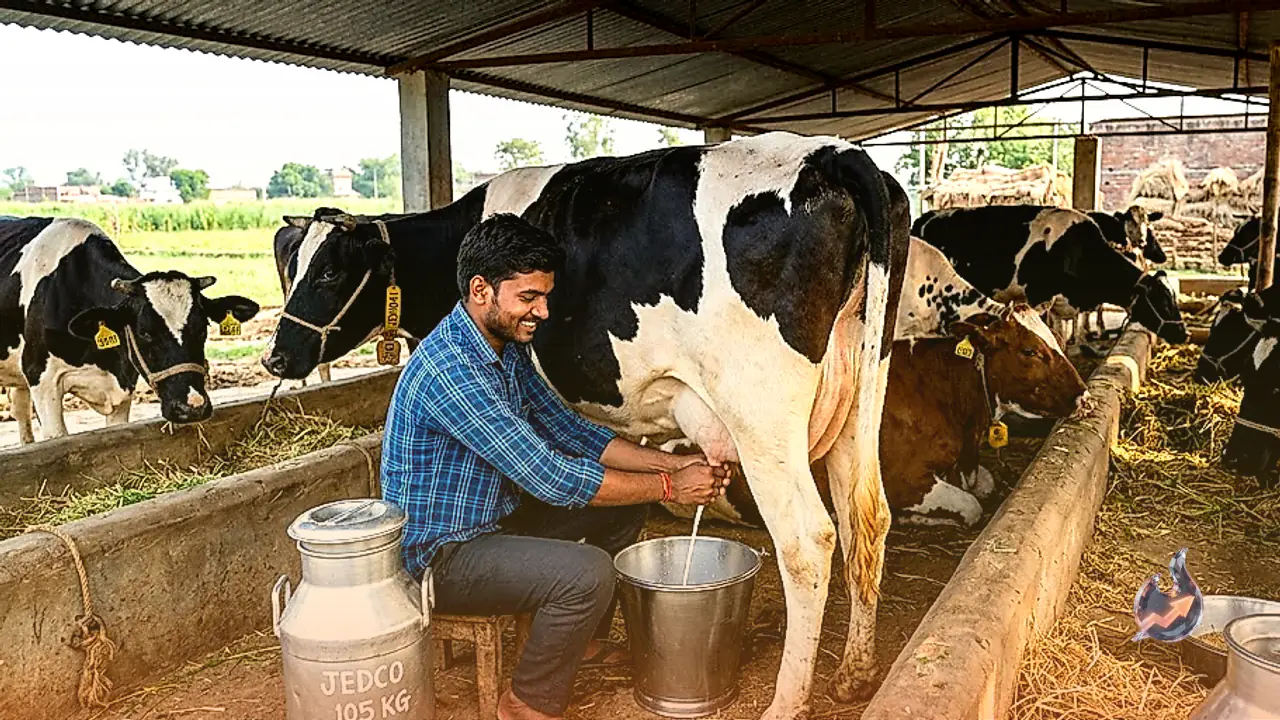
Arvind Kumar, a resident of Sahobigha Gyangarh Math village in the Ghosi block of Jehanabad, exemplifies this emerging entrepreneurial shift. Having studied only up to Class 8, he faced limited conventional employment prospects. Instead of migrating in search of low-paying work, he decided to build an enterprise locally. In 2024, he took his first commercial step by purchasing 2 cows to start a small-scale milk production unit.
Scaling Operations with Government Assistance
For roughly a year, Arvind dedicated himself to managing the livestock, learning daily feed requirements, and understanding milk handling. During this period, he learned about a dairy promotion scheme administered through the Gavy Vikas office at the District Animal Husbandry Department. He visited the office, gathered procedural information, and submitted a formal application. Following official approval, the scheme enabled him to expand his herd to 15 cows.
Supplying Over 100 Kilograms of Milk Every Day
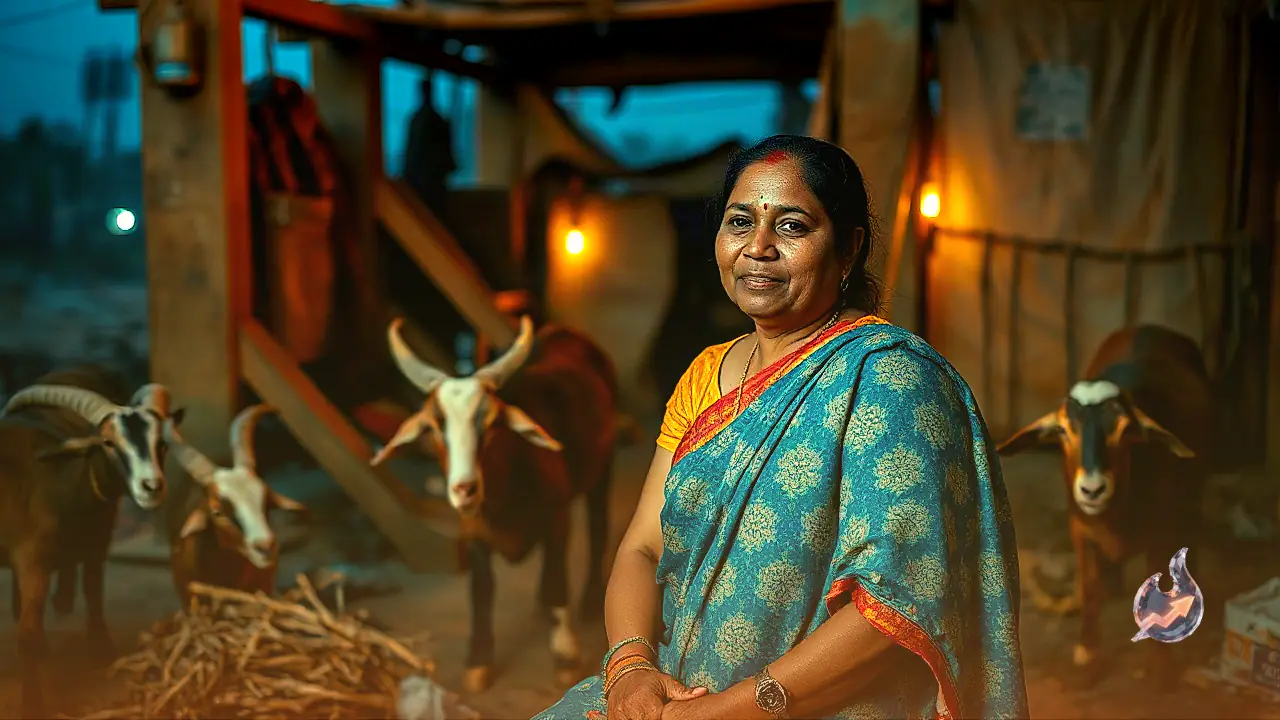
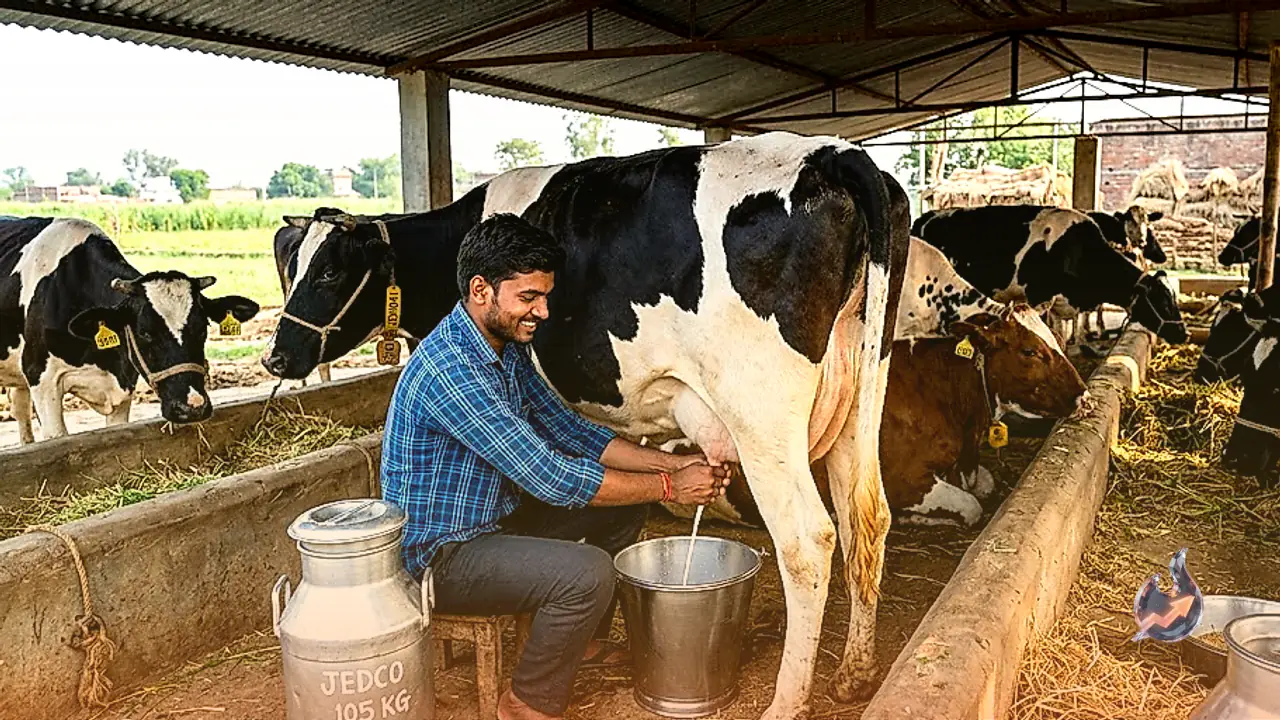
Today, Arvind manages a well-maintained herd of high-yielding cattle breeds. A few premium cows in his sheds carry individual market valuations exceeding 1 lakh rupees. Thanks to proper care and selective breeding, the farm produces over 100 kilograms, or more than one quintal, of fresh milk on a daily basis. This consistent output provides him with a dependable day-to-day revenue stream.
Local Enterprise Over Distress Migration
Reflecting on his trajectory, Arvind noted that while his limited educational background once made him uncertain about his career prospects, consistent effort helped him overcome those barriers. He explained that supplying over 100 kilograms of milk daily from 15 cows has eliminated any need to leave his village for employment, giving him financial security and personal independence right at home. He urges rural youth to pursue self-employment opportunities with patience and determination.