




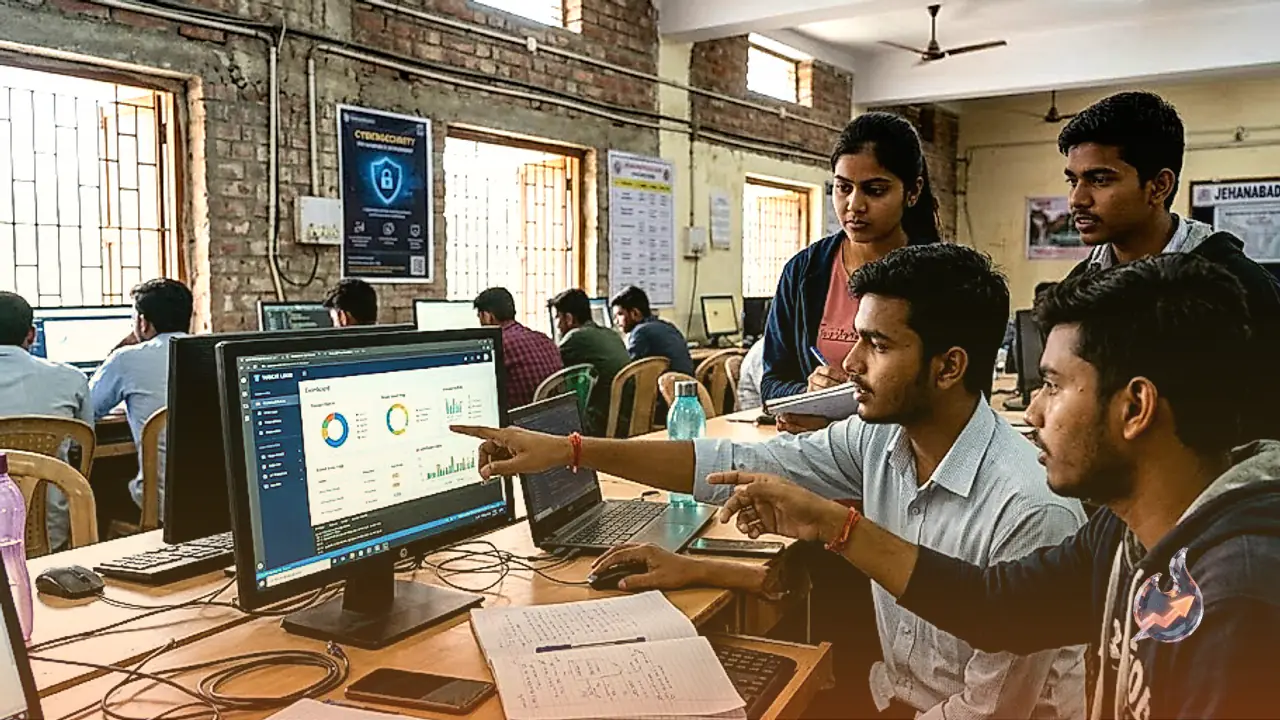

















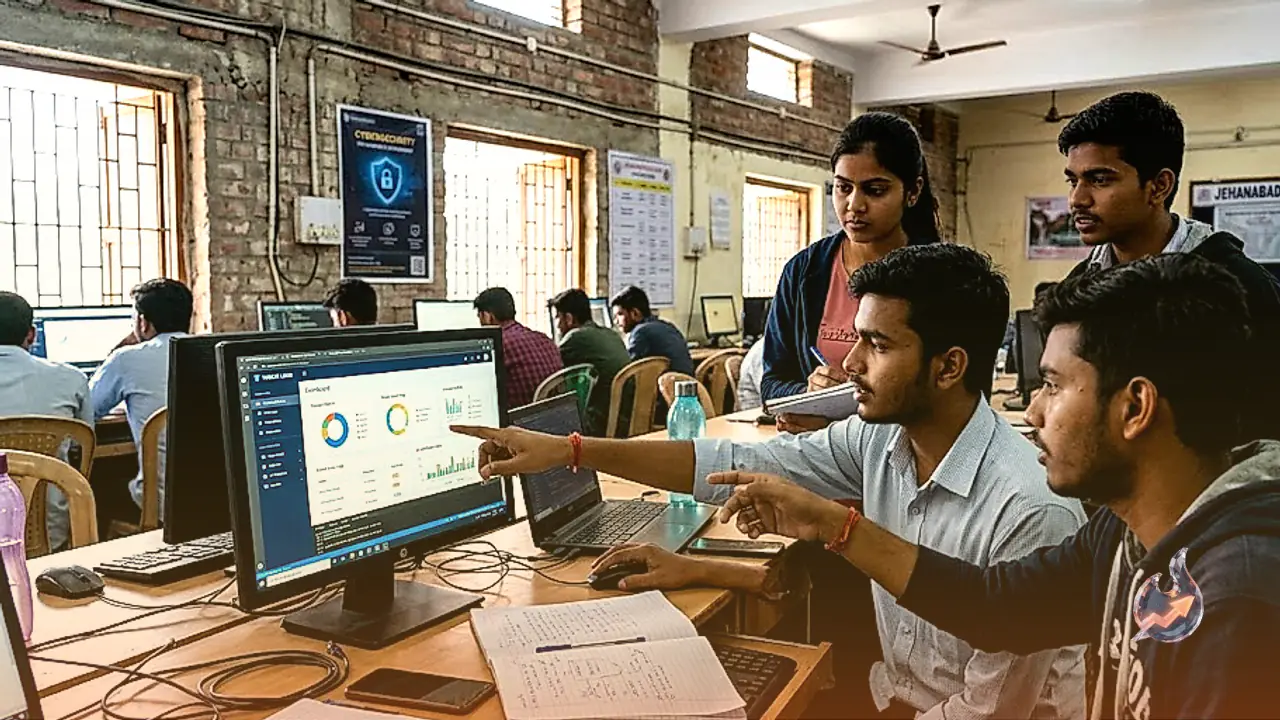

As cybercriminals devise increasingly sophisticated schemes to target everyday internet users, fraudulent messages arriving directly in personal inboxes remain a primary vector for draining hard-earned savings. In response to this rising digital threat, engineering students from Jehanabad Engineering College in Bihar have developed a specialized protective mobile application. Created by engineering student Piyush Kumar and his team, the platform operates on machine learning algorithms under the name Threat Lens. The application evaluates incoming correspondence in real time to determine whether a message poses a security risk or attempts to trap the recipient. The team originally conceived the solution during the Smart India Hackathon, where participants explored practical approaches to resolve widespread email-related vulnerabilities.
Comprehensive Message Categorization and Sender IP Tracking
The core mechanism of the Threat Lens application centers on deep technical evaluation of suspicious data. Once a user uploads or checks an email within the application, the software scans the underlying parameters for active security threats. Rather than merely offering vague warnings, it categorizes whether the content is routine spam or a deliberate cyber offensive. Crucially, the platform investigates the sender's origin by tracing the precise IP address of the transmission. By exposing where the message was physically routed from and who originated it, the application equips ordinary citizens with powerful investigative features previously inaccessible outside advanced enterprise security tools.
Guarding Against 4 Billion Global Email Offences
Highlighting the magnitude of the issue, Piyush Kumar pointed out that approximately 4 billion crimes globally are carried out through email. Fraudulent solicitations for money, extortion schemes, and digital harassment represent a massive proportion of these incidents. Threat Lens is engineered specifically to identify patterns linked with unsolicited fund demands and coercive communications. By catching these red flags before an unsuspecting recipient acts on deceptive instructions, the technology provides a vital defensive barrier against rampant global cybercrime networks.
Step-by-Step Setup and Daily Mailbox Verification
Accessibility remains a core priority of the new software interface on mobile devices. To protect their accounts, users must download the Threat Lens application and connect it directly with their Gmail service. Following this integration, the user's complete mailbox populates within the secure dashboard of the app. Whenever a suspicious email arrives, the individual can select that specific message for verification. The application instantly generates an exhaustive breakdown of the sender's credentials, origins, and risk rating, enabling users to safeguard their financial and personal well-being against cyber attacks.