

















With electricity demand surging across India and power outages remaining a frequent issue in many regions, rooftop solar installations have seen rapid adoption. While government subsidies have made solar setups increasingly accessible, many consumers remain uncertain about how solar power compares to traditional DISCOM grid electricity. Questions frequently arise over whether solar energy offers better power quality and if household appliances like refrigerators, fans, coolers, and televisions last longer when powered by solar panels. According to Bhavna Tyagi, Program Lead at the Council on Energy, Environment and Water, there is no fundamental difference in power quality between solar and grid power when using appropriate conversion equipment.
Technical Comparison Between Solar and Grid Electricity
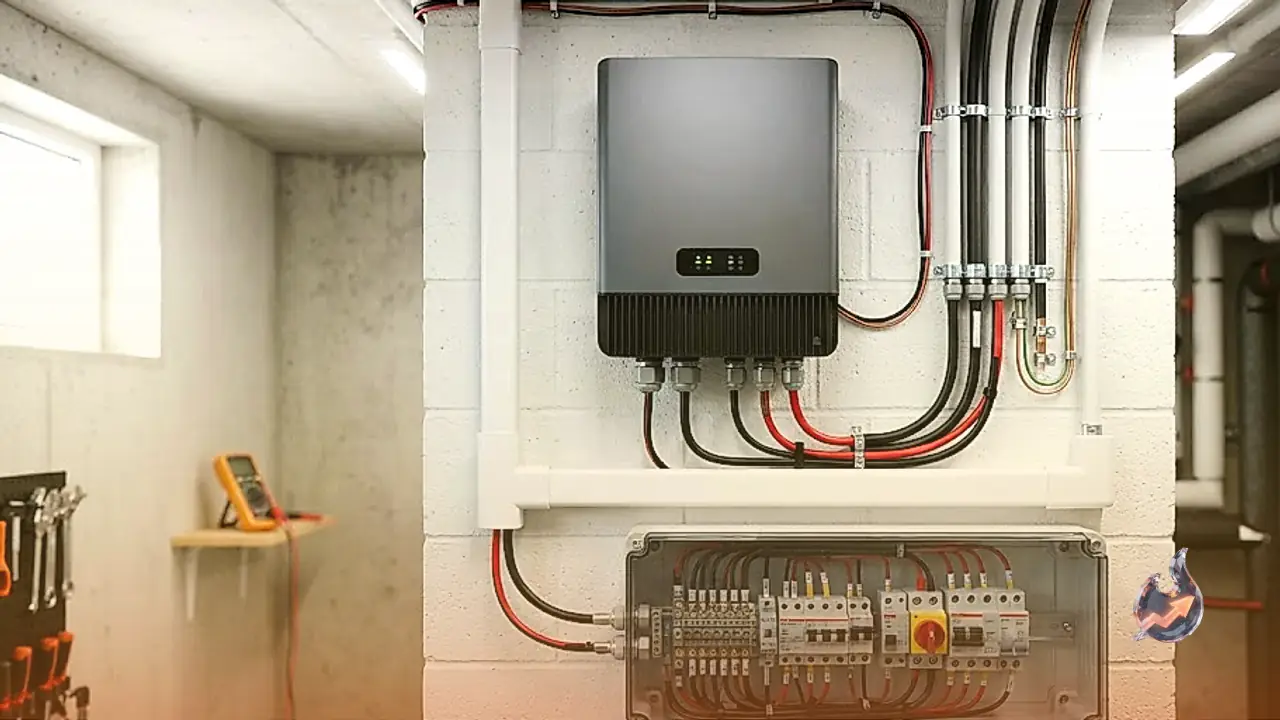
Solar panels generate direct current (DC) electricity, which cannot directly run standard household appliances designed for alternating current (AC). To bridge this gap, an inverter converts the DC power into AC power. Bhavna Tyagi explains that the rooftop solar inverter aligns its output with grid voltage and frequency standards before feeding electricity into the household network. Consequently, AC appliances experience identical operational performance whether drawing power from a well-regulated solar system or the local power grid.
Energy Storage and Battery Management Systems
Excess solar energy generated during peak daytime hours can be stored using battery storage systems. Bhavna Tyagi highlights that this process functions similarly to conventional home inverter-battery setups used for grid power backup. The stored energy supplies power during nighttime hours or cloudy conditions when sunlight is unavailable. This ensures an uninterrupted electricity supply and substantially reduces household reliance on grid electricity.
Voltage Stability, Harmonics, and Appliance Lifespan
Grid electricity provided by distribution companies often suffers from unexpected outages, voltage fluctuations, and billing discrepancies. In contrast, rooftop solar systems equipped with high-grade inverters generally offer superior voltage stability and cleaner power delivery. However, using substandard or outdated inverters can introduce high levels of electrical harmonics into the home network. These harmonics pose a risk of damaging sensitive electronics like computers, air conditioners, and refrigerators. Additionally, installing a solar capacity far exceeding household requirements can trigger reverse power flow and voltage rise issues on the local distribution grid.
Best Practices for Rooftop Solar Installation
To ensure optimal system performance and protect household electronics, consumers should follow key guidelines during installation
- Choose Certified Equipment: Install inverters that carry BIS or IS quality certifications from reputed manufacturers.
- Conduct Power Quality Testing: Verify voltage levels and harmonic distortion using a power quality meter after installation.
- Opt for On-Grid Systems: Net-metered on-grid solar configurations represent the safest and most reliable standard for residential use.