























In many remote regions of Africa, patients often face the daunting task of traveling long distances just to reach a basic hospital. To address this persistent healthcare gap, a group of 23 students from the Netherlands has engineered a groundbreaking vehicle widely regarded as the world's first solar ambulance. Named Stella Juva, this innovative transport functions far beyond a conventional ambulance by acting as a fully self-sufficient mobile hospital. Across various African territories, infrastructural limitations and a lack of reliable electricity mean that many small health posts struggle to keep essential medicines and vital medical equipment operational.
Solar panels that expand to harvest sunlight
The defining feature of Stella Juva lies in its advanced energy system, which harnesses the power of the sun to remain completely operational off the grid. The roof of the vehicle is fitted with solar panels that continuously charge the onboard batteries while the vehicle is in motion. Furthermore, when the ambulance comes to a complete stop, these panels expand outward like wings to capture sunlight more effectively, doubling the energy generation capacity. Because of this sophisticated design, the vehicle operates without needing any reliance on traditional fossil fuels or fixed charging stations.
Equipped with advanced medical devices
Inside the cabin of Stella Juva, medical professionals have access to a robust suite of diagnostic and treatment tools. The mobile clinic houses an X-ray machine, an ultrasound scanner, and a specialized refrigerator designed to keep vaccines safely chilled. In locations where electrical grids have never reached, sunlight serves as the primary power source for all these integrated healthcare devices. Recently, the team of 23 Dutch students traveled to Kenya to test the capabilities of Stella Juva in collaboration with Amref Health Africa.
Rigorous testing across rugged terrain
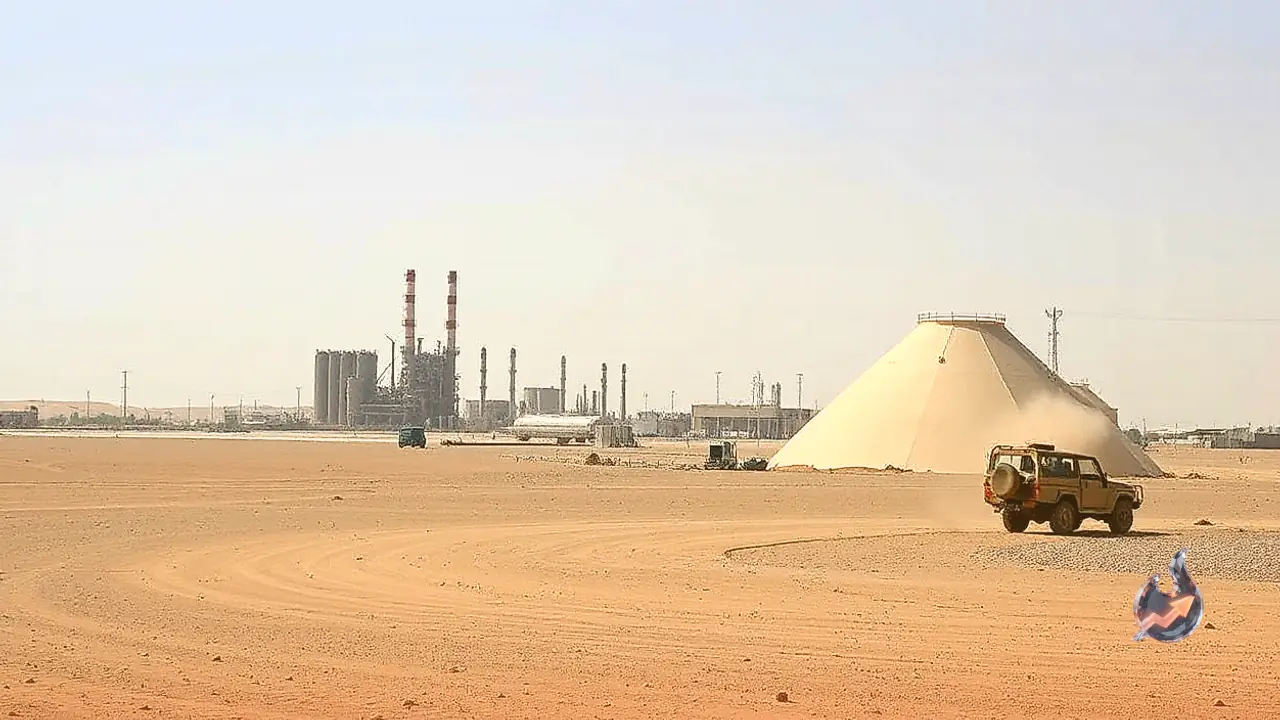
During the deployment in Kenya, the student team drove the solar ambulance for over 800 kilometers across varied and punishing landscapes. The route included navigating through thick dust, heavy mud, and massive potholes on unpaved tracks. The vehicle successfully reached a remote health facility in Mosiro, an area completely devoid of electricity that required hours of driving along rough dirt roads. The performance metrics recorded during this journey yielded surprising and overwhelmingly positive results regarding the vehicle's energy autonomy.
Surplus energy generation during full load
In a stationary test phase, the team activated all onboard medical equipment simultaneously, yet the solar panels still generated more electricity than the entire vehicle consumed. According to the student developers, this successful trial proves that Stella Juva can operate effectively in isolated communities without the need for traditional fuel supplies or charging infrastructure. It should be noted that during this specific testing phase, the medical equipment was not deployed directly on actual patients.
Providing critical help for pregnant women
In communities like Mosiro, the absence of reliable electricity severely impacts daily healthcare, posing extreme challenges for pregnant women who require routine screenings such as ultrasounds. If solar-powered medical units of this caliber can successfully reach isolated populations, they have the potential to deliver life-saving relief to individuals who currently lack access to proper maternal and emergency care.