




















Solar power is turning into one of the most trusted long-term investments for Indian households and businesses, as electricity tariffs keep climbing and government schemes continue to push clean energy adoption. From rooftops of ordinary homes to sprawling industrial units and dedicated solar parks, installations are growing at a fast clip. But anyone weighing a solar system installation usually has the same nagging questions: does a solar panel keep producing the same amount of power for its entire life, how long does it actually last, and why does its output fall as the years go by.
How Long Do Solar Panels Actually Last
Most modern solar panels are built to last somewhere between 25 and 30 years on average. That figure does not mean a panel simply stops working the day it turns 30. In reality, well-made panels keep generating power well past that mark, just at a lower output than when they were new. Panels built with sturdier, higher-grade materials have even been known to stay functional for 35 to 40 years, though their efficiency keeps sliding gradually the longer they are used.
How Much Output Is Lost Every Year
As a panel ages, it goes through a process called degradation, under which its power-generation capacity drops a little with every passing year. In good-quality monocrystalline panels, this yearly drop typically ranges between 0.3 percent and 0.5 percent. Panels of standard quality tend to degrade faster, losing anywhere from 0.5 percent to 0.8 percent of their output every year.
A Simple Example Of The Impact
Consider a home that has installed a 5-kilowatt solar system with an annual degradation rate of 0.5 percent. By the time 25 years have passed, that system's capacity would have fallen to roughly 87 to 88 percent of its original output. In other words, the system will generate noticeably less power than it did on day one, but it will still be far from useless.
Why Panel Capacity Keeps Falling
Mounted on rooftops, solar panels are constantly exposed to harsh sunlight, heat, rain, dust and shifting weather, and this everyday wear steadily chips away at their performance. Several factors combine to cause this decline.
- Prolonged exposure to intense sunlight and ultraviolet rays
- Extreme heat and repeated temperature fluctuations
- Gradual weakening of panel materials due to moisture and rain
- Accumulation of dust, pollution and bird droppings on the surface
- Micro-cracks that develop over time along with general wear and tear
- Use of lower-grade raw materials during manufacturing
It Is Not Just The Panels, Inverters And Batteries Have Their Own Limits
A solar system's overall performance depends not just on the panels but also on the inverter and battery, both of which have a much shorter working life than the panels themselves. A solar inverter typically lasts around 10 to 15 years. Lithium-ion batteries also tend to last about 10 to 15 years, while lead-acid batteries usually hold up for only 5 to 7 years. This means that even though the panels may keep running for 25 to 30 years, the inverter and battery are likely to need replacement at least once, sometimes more, over the system's lifetime.
Simple Ways To Extend A Solar Panel's Life
A few basic precautions can help keep a solar panel's lifespan and output intact for longer.
- Clean the panel surface at regular intervals
- Keep the panels free from shade cast by trees or nearby tall buildings
- Opt for good-quality, certified panels right from the start
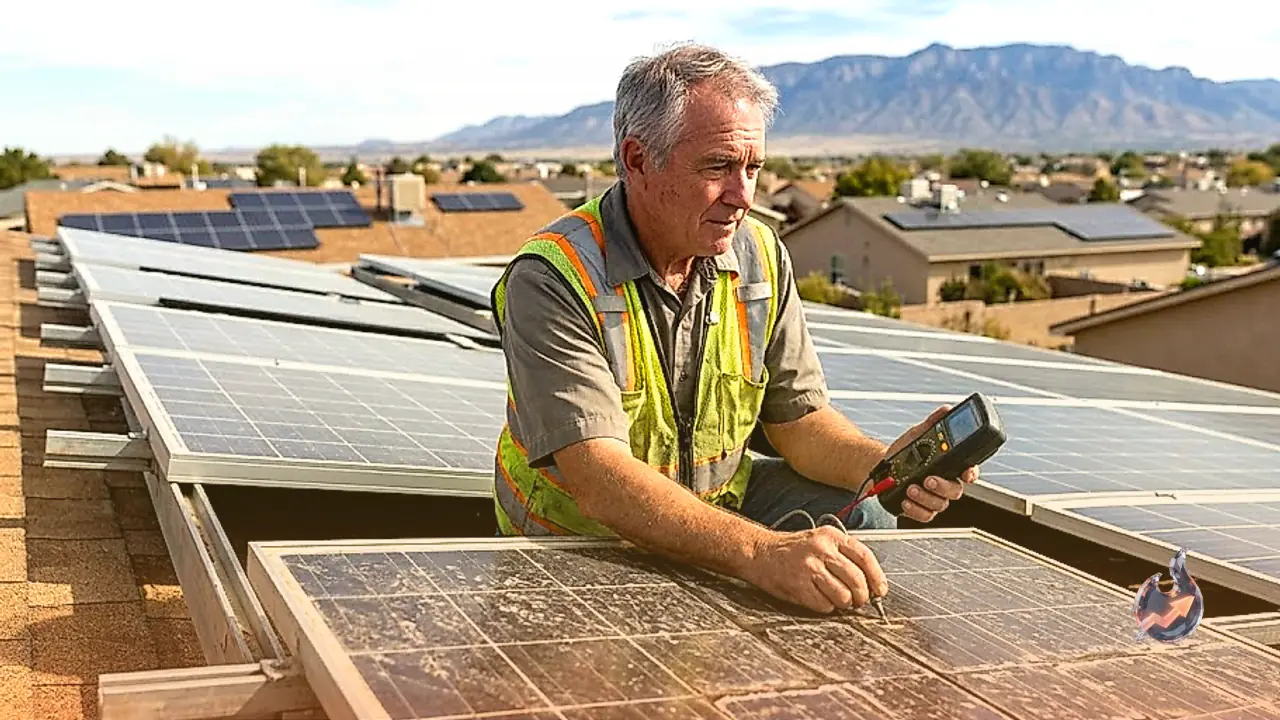
- Get the wiring and inverter inspected periodically
- Clean off accumulated dust and dirt as soon as it builds up
Paying attention to these small details can help a solar system keep delivering better output for longer, making the overall investment more worthwhile.