























Hyderabad Nizam's Historic Donation Laid Foundation For London Central MosqueTelangana
20 Sept 2026, 3:56 pm (37 min ago)· 0

Hyderabad Nizam's Historic Donation Laid Foundation For London Central Mosque

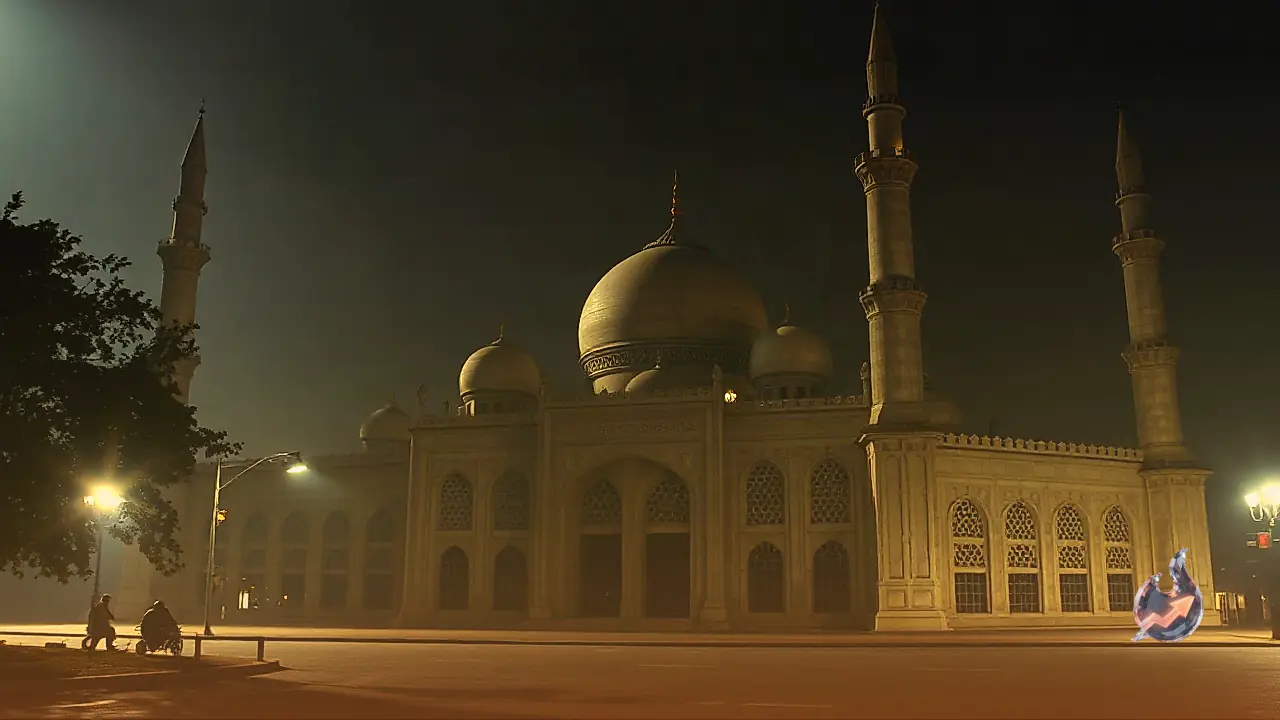
London's Regent's Park Mosque traces its origin to a 60,000-pound donation by the Seventh Nizam of Hyderabad, originally planned in the likeness of the Taj Mahal.

Standing prominently in central London, the iconic London Central Mosque carries a rich legacy that ties British religious history directly to royal patronage from India. Far from being an ordinary civic project, this prominent sanctuary traces its origins to the philanthropic initiative of the royal house of Hyderabad.

Kensington Foundation And Royal Contribution

The earliest chapter of this monument unfolded on 4 June 1937 during the foundation ceremony of the London Nizamiah Mosque at Mornington Avenue in Kensington. Nawab Mir Himayat Ali Khan, also known as Azam Jah Bahadur and the Prince of Berar, attended the formal ceremony in person. His father, the seventh Nizam of Hyderabad, Mir Osman Ali Khan, had generously provided an immense contribution of 60,000 pounds toward the sanctuary. At that period, the aggregate budget projected to erect the place of worship stood at roughly 1,00,000 pounds.

Also read

Taj Mahal Inspiration Interrupted By World War

The original blueprint envisioned a structure echoing the distinct architecture of Agra's Taj Mahal, striving to exhibit an exceptional masterpiece of Islamic heritage within the Western world. Structural preparations were beginning to take shape when the outbreak of the Second World War in 1939 threw global affairs into chaos, bringing the ambitious architectural venture to a temporary halt.

Relocation To Regent's Park Site

Recognizing the requirements of the growing Muslim population residing across the empire and the British capital, the British government took steps in 1940 to address the issue by allocating a fresh parcel of land near Regent's Park. Over time, the administrative trust governing the original Nizamiah Mosque along with its accumulated financial assets were formally merged into this restructured initiative.

Sir Frederick Gibberd Design And 1978 Completion

Although the initial concept inspired by the Taj Mahal could not be realized, celebrated British architect Sir Frederick Gibberd redesigned the sanctuary into an impressive contemporary architectural landmark. Following decades of continued dedication and development, the building officially reached completion in 1978. Today, recognized widely as both Regent's Park Mosque and London Central Mosque, it stands as the premier hub for the Muslim community in Britain, sustained by the enduring legacy of Hyderabad's historical support.


Questions & Answers

When was the original foundation of the mosque laid in London?
The foundation ceremony for the initial mosque project took place on 4 June 1937 at Mornington Avenue in Kensington.
Which ruler of Hyderabad funded the mosque?
The seventh Nizam of Hyderabad, Mir Osman Ali Khan, donated 60,000 pounds toward the construction project.
Who represented Hyderabad at the foundation ceremony?
Nawab Mir Himayat Ali Khan, known as Azam Jah Bahadur and the Prince of Berar, attended the event in person.
What was the total estimated budget for the project at the time?
The overall cost estimated for building the mosque was roughly 1,00,000 pounds.
What architectural design was initially planned for the structure?
The original plan envisioned designing the mosque in the architectural style of Agra's Taj Mahal.
Why was the original construction work halted?
The outbreak of the Second World War in 1939 and subsequent international turmoil stalled the initial project.
Who designed the modern Regent's Park Mosque and when did it open?
British architect Sir Frederick Gibberd created the modern design, and the mosque was completed in 1978.

Comments 2

Karan Malhotra@karan-malhotra·8m ago

From an institutional governance and legal perspective, this historical record provides a fascinating case study in cross-border fiduciary integrity and trust administration during wartime disruption. The formal consolidation of the 1937 Nizamiah Mosque trust and its assets into the Regent’s Park initiative demonstrates how rigorous legal frameworks protect public endowments. Despite four decades of geopolitical shifts and delays, preserving the original donor intent through structured legal oversight prevented asset dispute or liquidation, setting a notable precedent for public trust governance.

Arjun Mehta@arjun-mehta·7m ago

Building upon Karan's institutional analysis, this development represents a remarkable case study of wartime soft power diplomacy and colonial statecraft. The British government’s 1940 decision to allocate land at Regent's Park was not merely an administrative transfer, but a calculated geopolitical move to secure the allegiance of millions of Muslim subjects across the empire during World War II. The Seventh Nizam’s substantial funding underlines how major Indian princely states exercised transcontinental soft power. Today, this monument stands as enduring evidence of historical diplomatic statecraft shaping modern Britain's multicultural civic policy.

Citizen journalism

Become a TrendKia journalist

Voice of the people

Share news, photos and videos from your area with TrendKia and let your voice reach the nation. Every citizen a journalist.

Join now
CH 01 LIVE
TrendKia TV ON AIR
Chamar no WhatsApp