






















In Hyderabad, a city renowned globally for its grand historical monuments like the Charminar and the Golconda Fort, several 16th and 17th-century architectural treasures are slowly losing their identity due to official apathy and neglect. Located near the older parts of the city in the Roshan-ud-Daula area of Balapur, these vulnerable structures are the tombs of two famous Qutb Shahi-era Sufi saints, Bhale Shah and Bhola Shah.
Historical Significance of the Sufi Saints
According to historian Shahid Umer, both saints lived in Hyderabad during the Qutb Shahi ruling period. Following the royal customs of that era, sultans and members of the royal family were traditionally buried within the royal graveyards of Golconda. However, these two Sufi saints chose to be laid to rest away from the main royal mausoleums in the quiet surroundings of Balapur.
Masterpieces of Qutb Shahi and Deccan Architecture
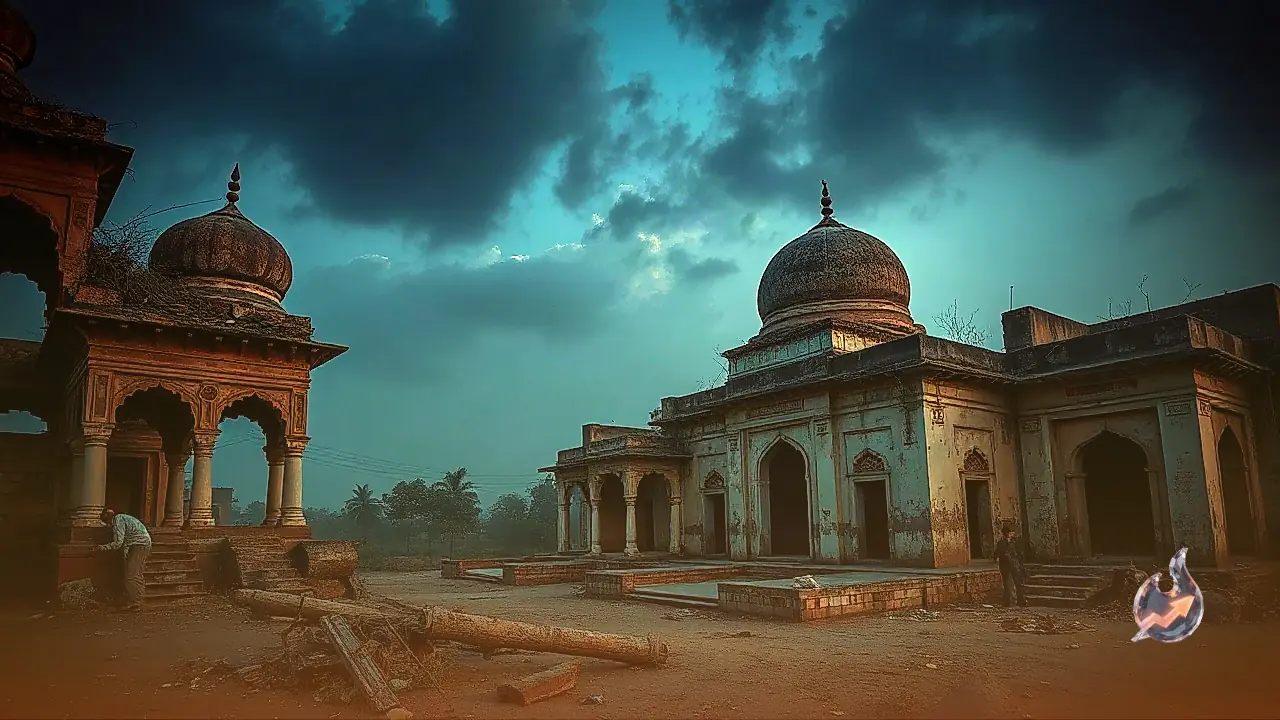
From an architectural standpoint, both tombs represent magnificent examples of Qutb Shahi and Deccan styles. One of the tombs features a two-story structure whose dome and arches bear a striking resemblance to the architecture of Sultan Jamshed Quli Qutb Shah's tomb in Golconda. The intricate plaster carvings, arch designs, and sturdy domes on these structures highlight the exceptional skill of the Deccan artisans of that period.
Alarming State of Decay
The current condition of this centuries-old heritage is extremely concerning. Lacking any form of conservation or maintenance for a long time, the tombs have reached a dilapidated state. Due to vandalism by antisocial elements, the original graves and headstones inside the tombs have been damaged. Plaster on the walls is peeling off, and wild weeds have sprouted over the domes.
Urgent Call for Action by Authorities
Local residents and heritage enthusiasts believe that if the archaeology department and the waqf board fail to focus on restoring these tombs in time, this vital historical chapter of the Qutb Shahi era will be completely destroyed. Preserving these historic mausoleums is essential to maintaining the city's rich composite culture and architectural heritage.