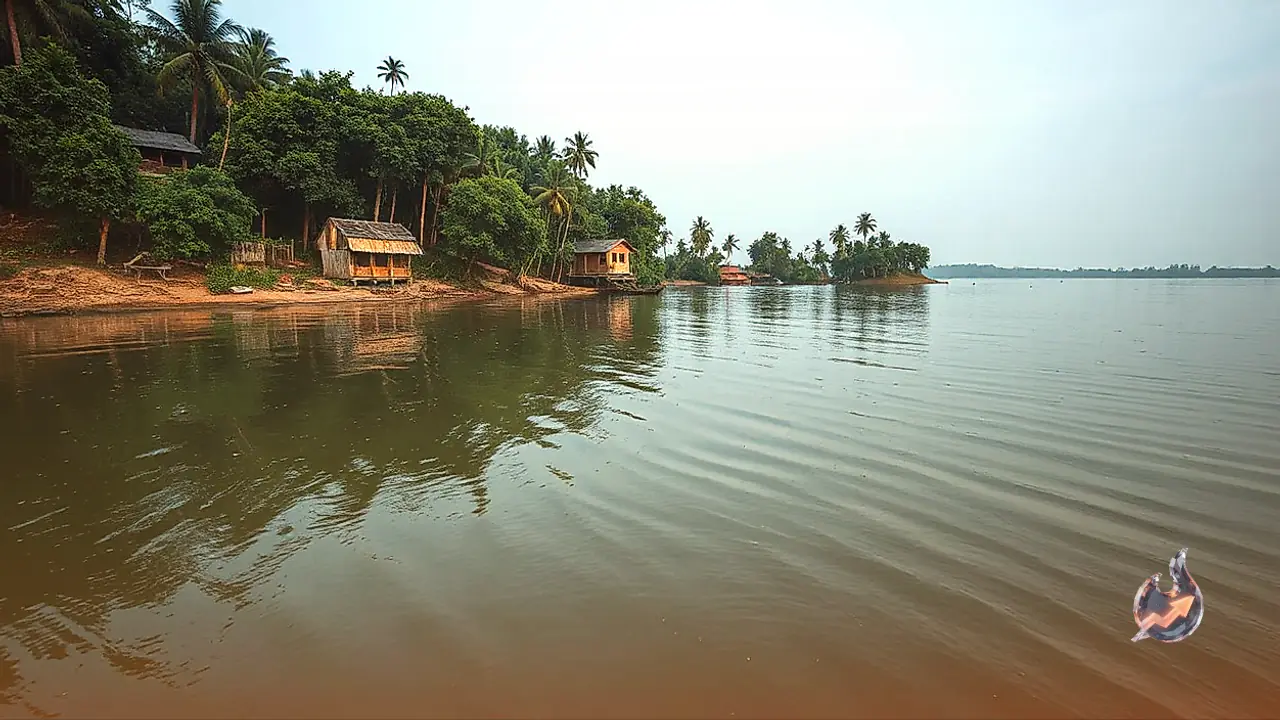
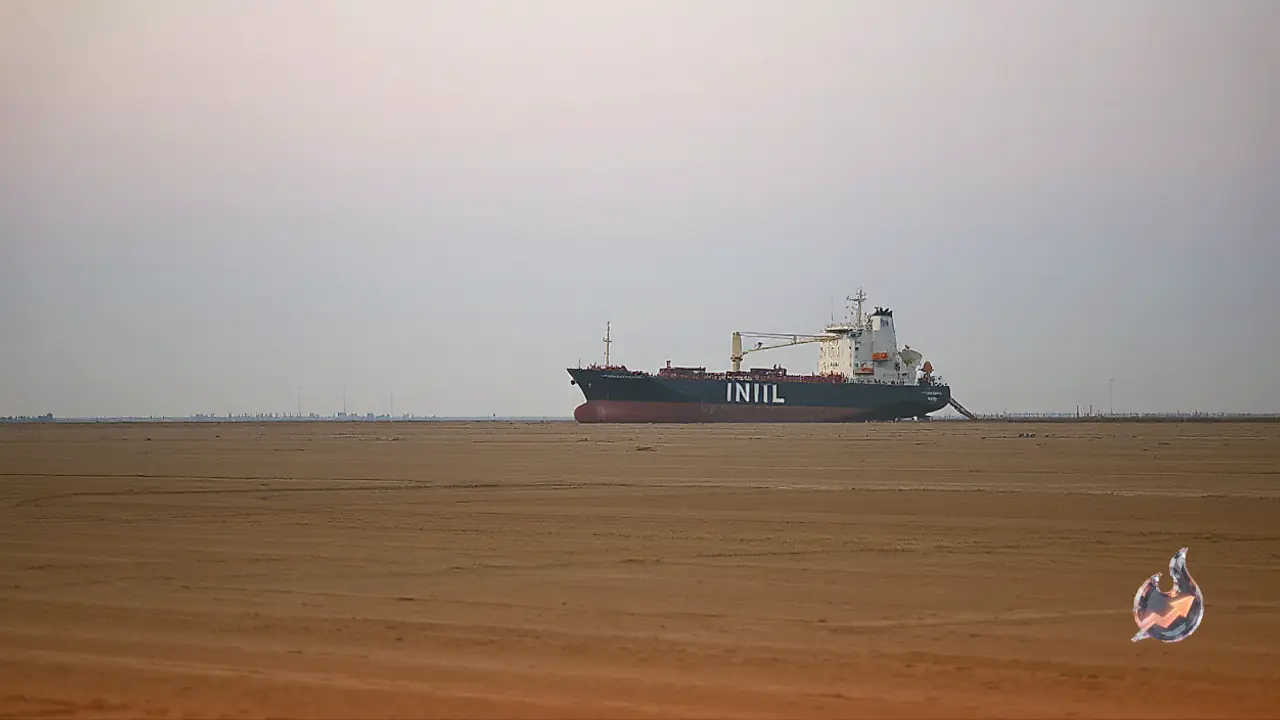
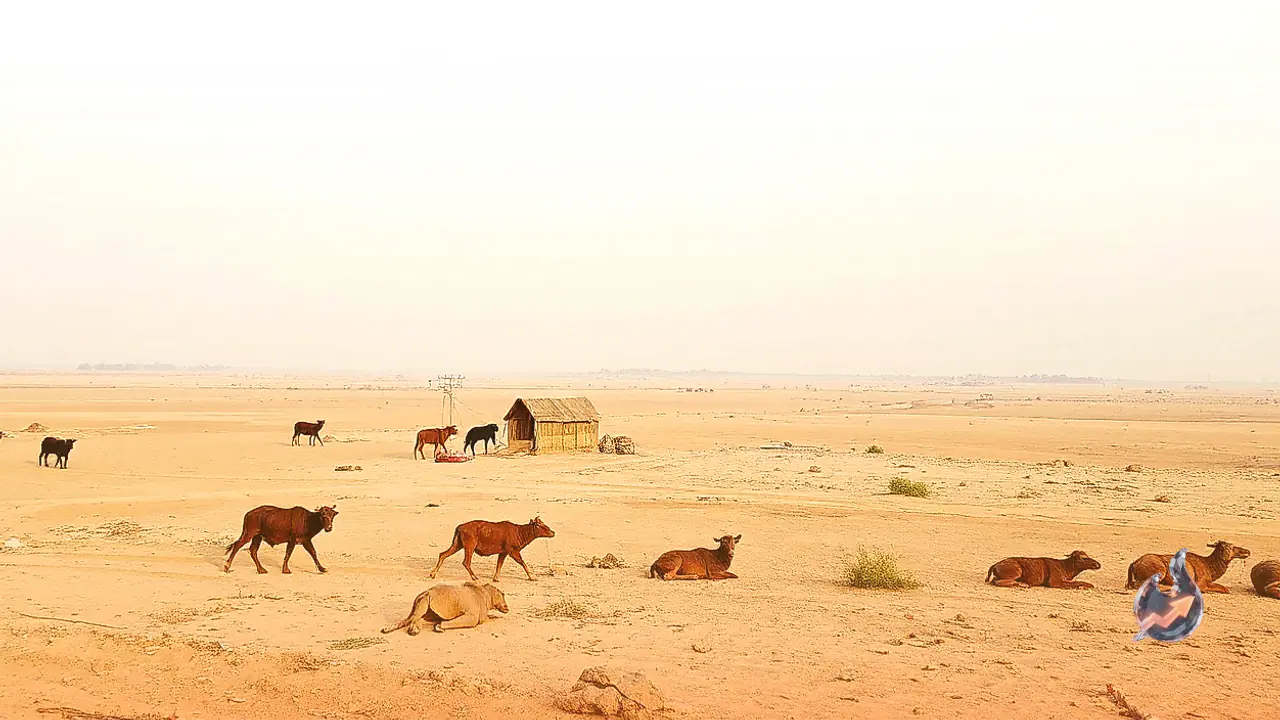

















A journey to Rameshwaram and Dhanushkodi in the southern Indian state of Tamil Nadu transports visitors into a completely different world. Here, amidst the crashing ocean waves, deep religious faith and the forgotten stories of the past merge seamlessly. The trip from the mainland to this island is striking in its own right, as travelers are surrounded by vast blue waters on both sides of the road.
The Kothandaramaswamy Temple and Its Significance
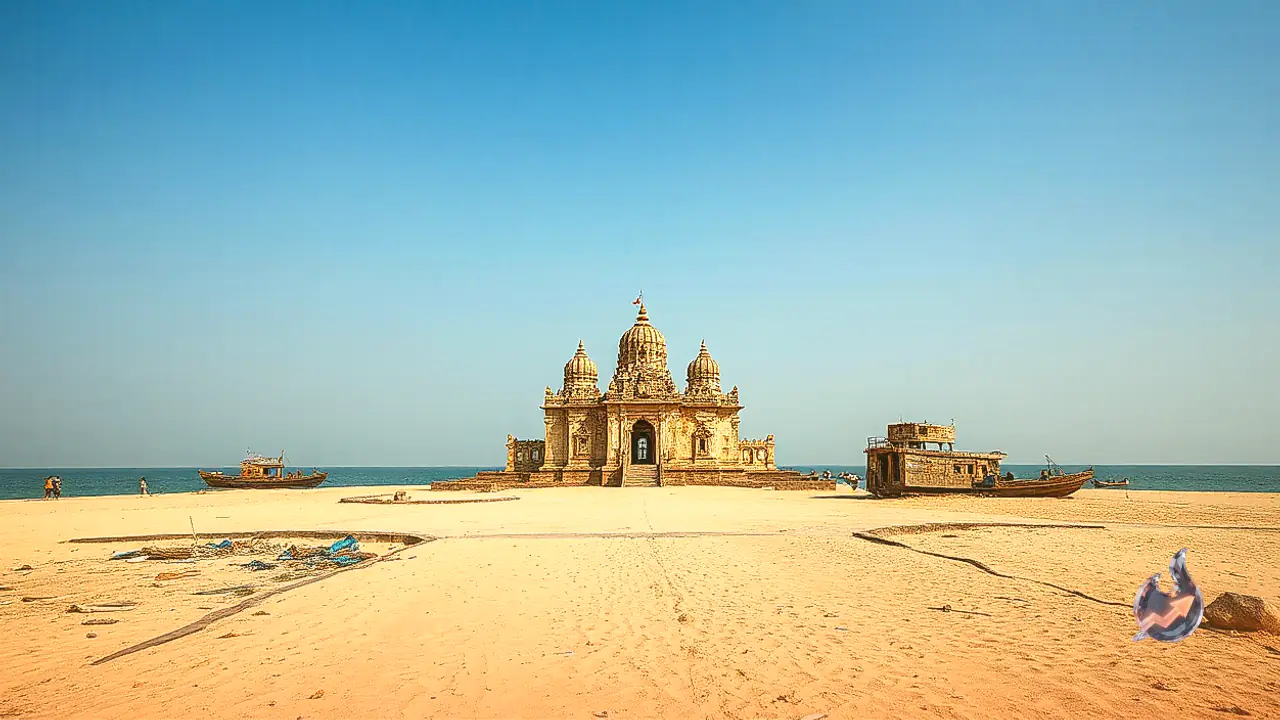
Dhanushkodi sits quietly at the southern tip of the Rameshwaram island. The primary highlight here is the Kothandaramaswamy Temple, which is dedicated to Lord Rama. The route leading to this sacred site, entirely surrounded by water, offers breathtaking views of the surrounding sea and sandy shores. According to religious traditions and ancient lore, this is the very location where Ravana's brother Vibhishana sought refuge from Lord Rama.
The Confluence of the Bay of Bengal and Indian Ocean
Near this area, visitors can witness the natural meeting point of the Bay of Bengal and the Indian Ocean. The unique color of the water, the powerful flow of the waves, and the serene environment make this destination exceptionally unique. However, tourists are strongly advised to avoid entering or swimming in the open sea and to strictly follow all safety instructions issued by local authorities.
The 1964 Cyclone That Wiped Out a Town
Dhanushkodi is known not just for its scenic vistas, but also for a tragic chapter in its history. In the year 1964, a devastating cyclone completely destroyed the entire settlement. Before that fateful disaster, the town was vibrant with a railway station, a church, a school, and residential homes. Following the cyclone, the entire region was left largely abandoned. The crumbling ruins of the old railway station and church still stand today, bearing silent witness to the catastrophe. Because of these haunting remnants, Dhanushkodi is frequently referred to as a ghost town.
Ramanathaswamy Temple and the Historic Pamban Bridge
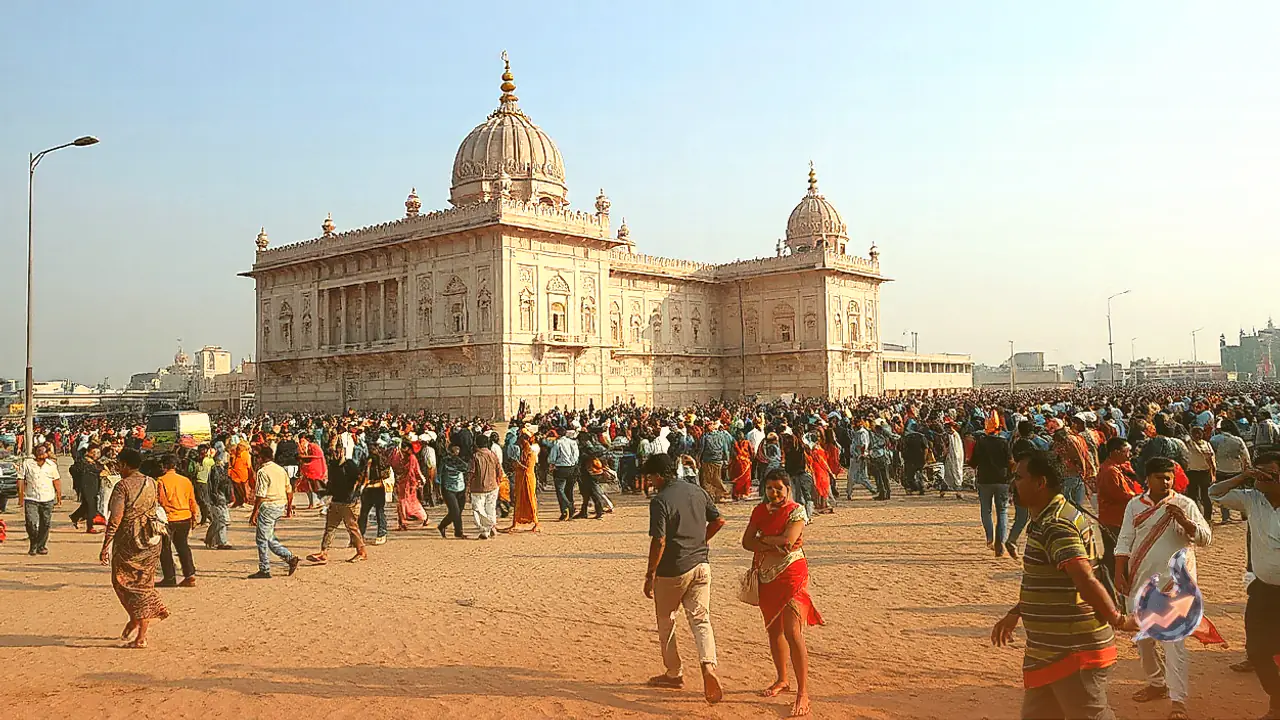
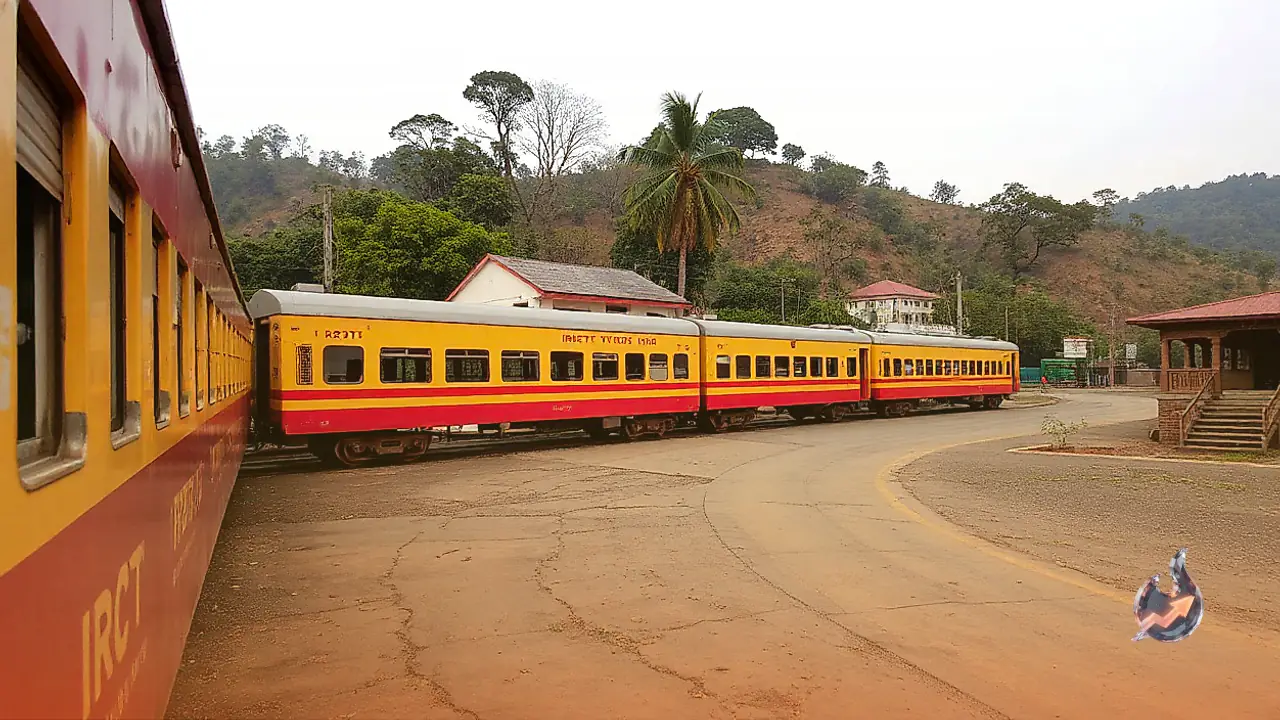
Visiting Rameshwaram alongside Dhanushkodi rounds out a truly complete experience. The Ramanathaswamy Temple located here houses one of the 12 sacred Jyotirlingas dedicated to Lord Shiva. The temple is widely celebrated for its massive corridors, intricate stone carvings, and immense religious importance. On the way to Rameshwaram, the iconic Pamban Bridge immediately catches the eye. This bridge connects the mainland to the Rameshwaram island. The expansive blue ocean surrounding it and the sight of a train crossing the bridge create a mesmerizing visual. Photography enthusiasts find this location particularly appealing.
The Road to Arichal Munai
The road extends past Dhanushkodi all the way to Arichal Munai, which is counted among the southernmost motorable tips of the country. From this vantage point, the vast, unending expanse of the ocean is clearly visible. The peaceful atmosphere and the long stretches of sand invite visitors to pause and take in the view for a while.
For those planning a trip, traveling by train is one of the most convenient options as Rameshwaram has its own railway station with connections to various major cities across the country. Travelers preferring air travel can fly into Madurai Airport and complete the remainder of the journey by road.
The distance from Rameshwaram to Dhanushkodi is roughly 20 kilometers, and local transport options like taxis and shared vehicles are readily available to bridge the gap. The ideal time to explore this region is between the months of October and March, as the weather during this period remains pleasant and favorable. For anyone seeking a destination where raw natural beauty meets profound historical and religious significance, Rameshwaram and Dhanushkodi make for an essential addition to any travel itinerary.