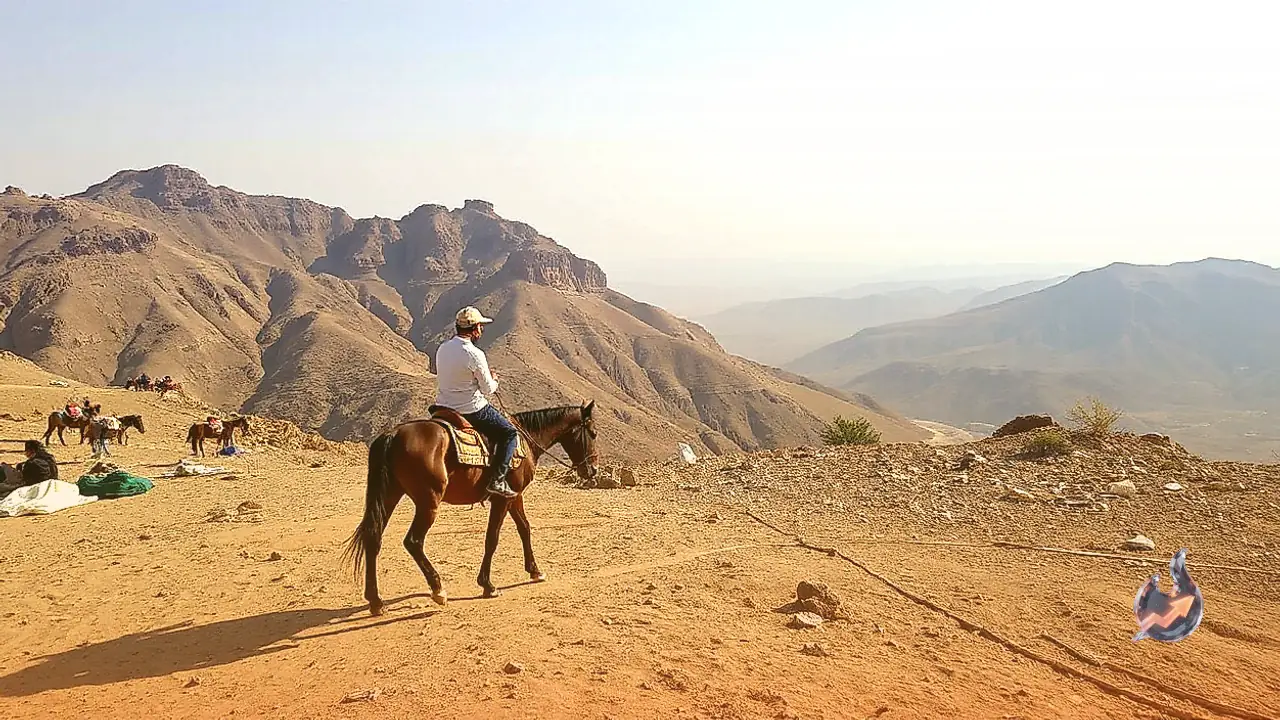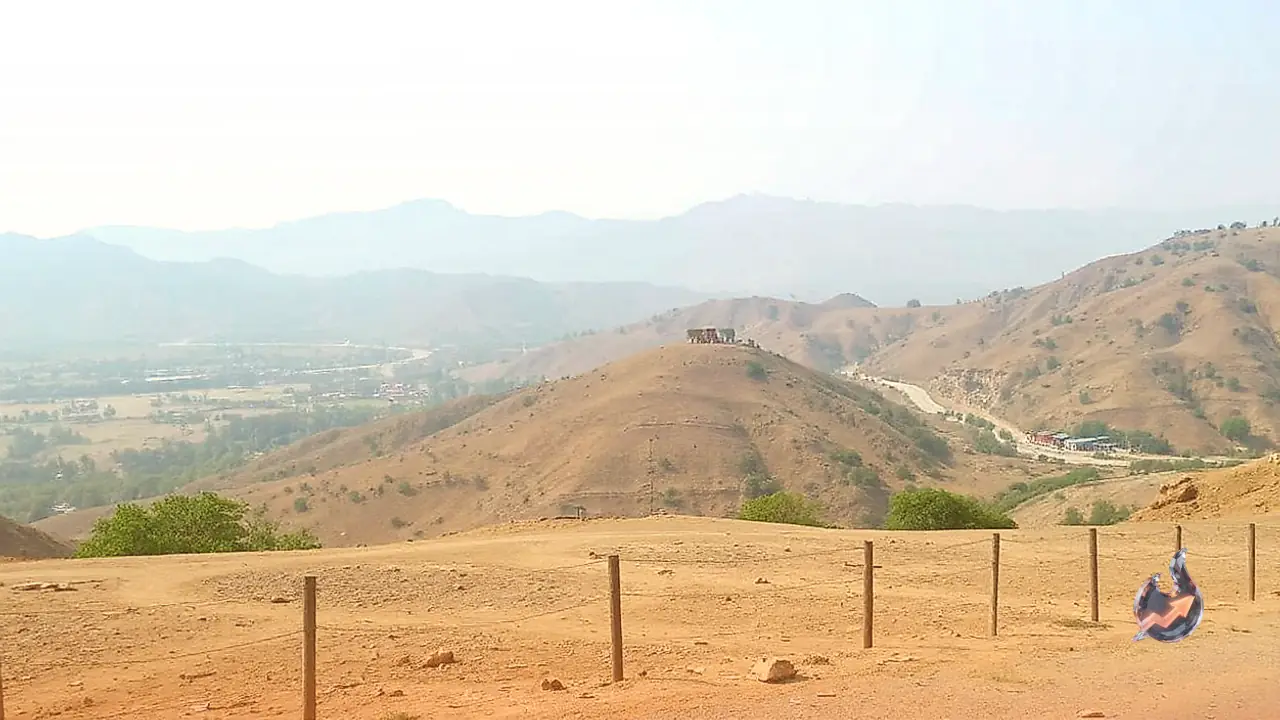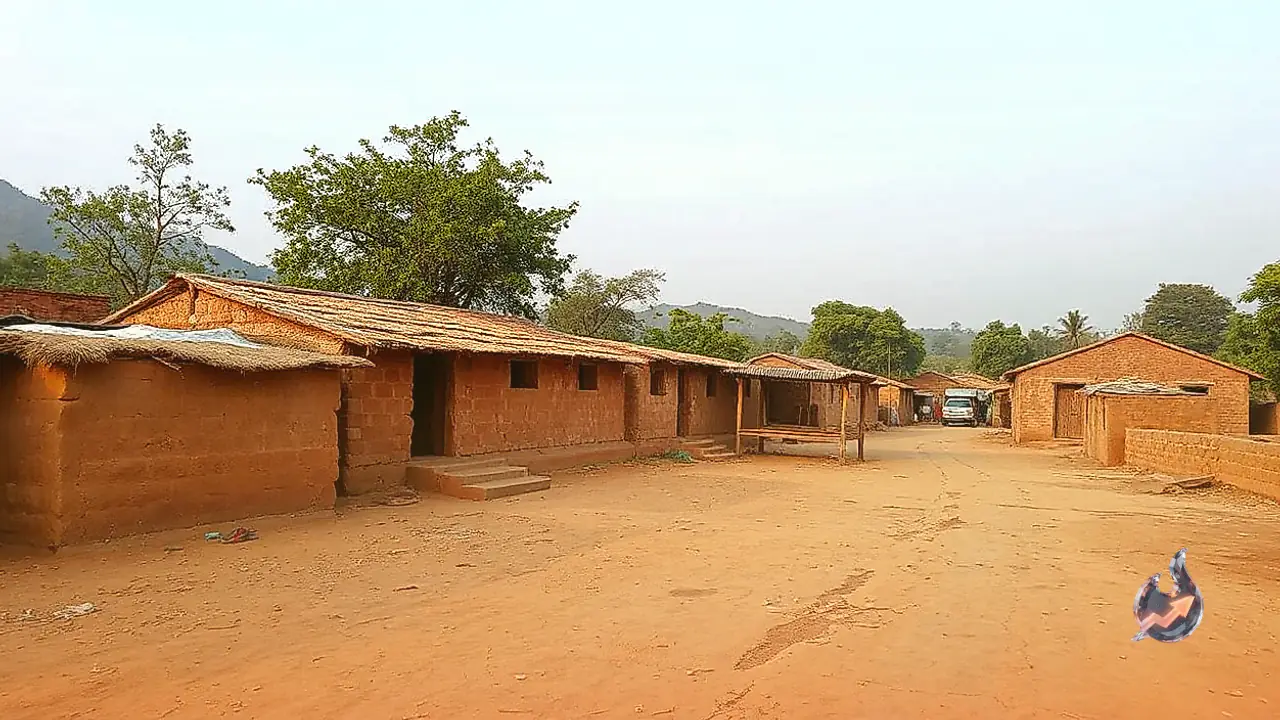




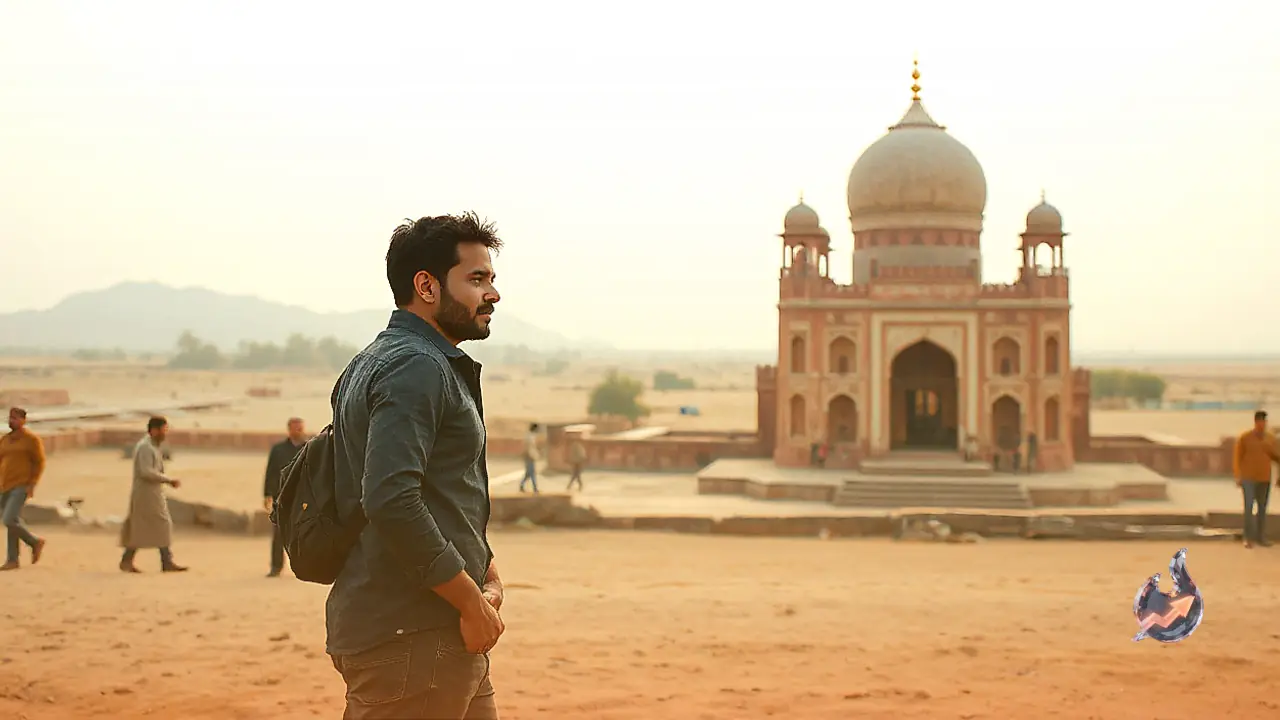
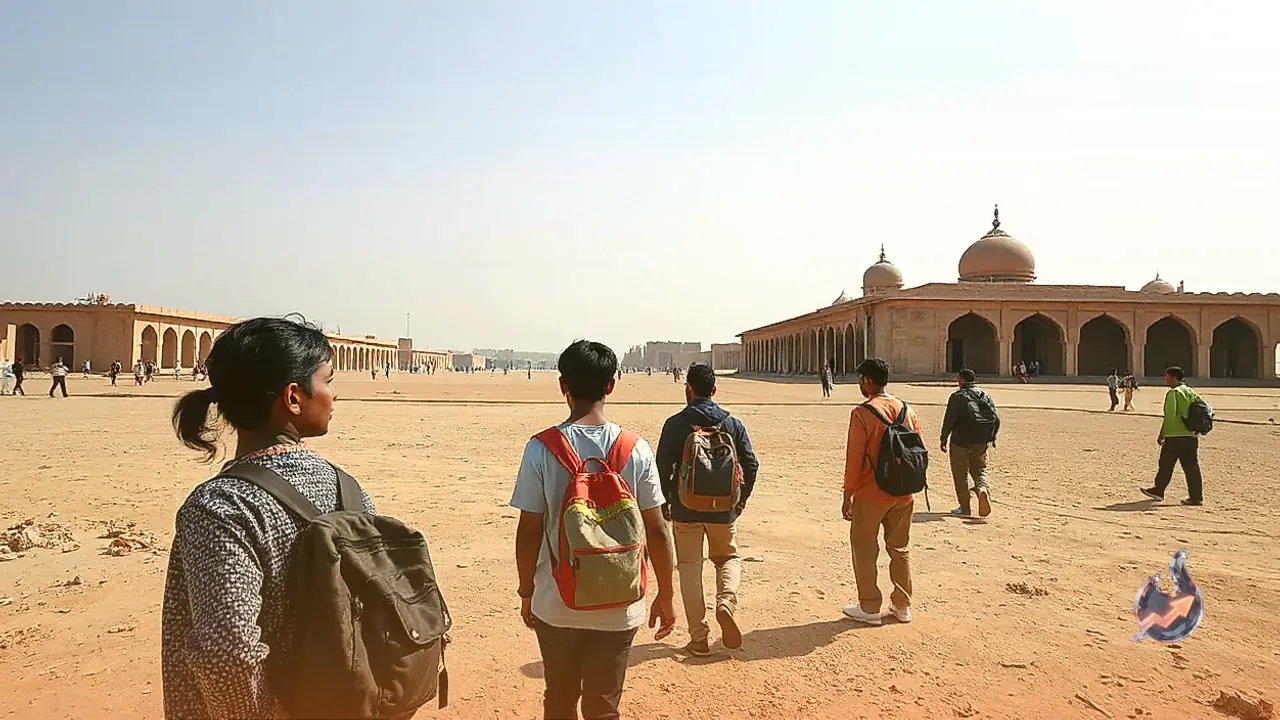














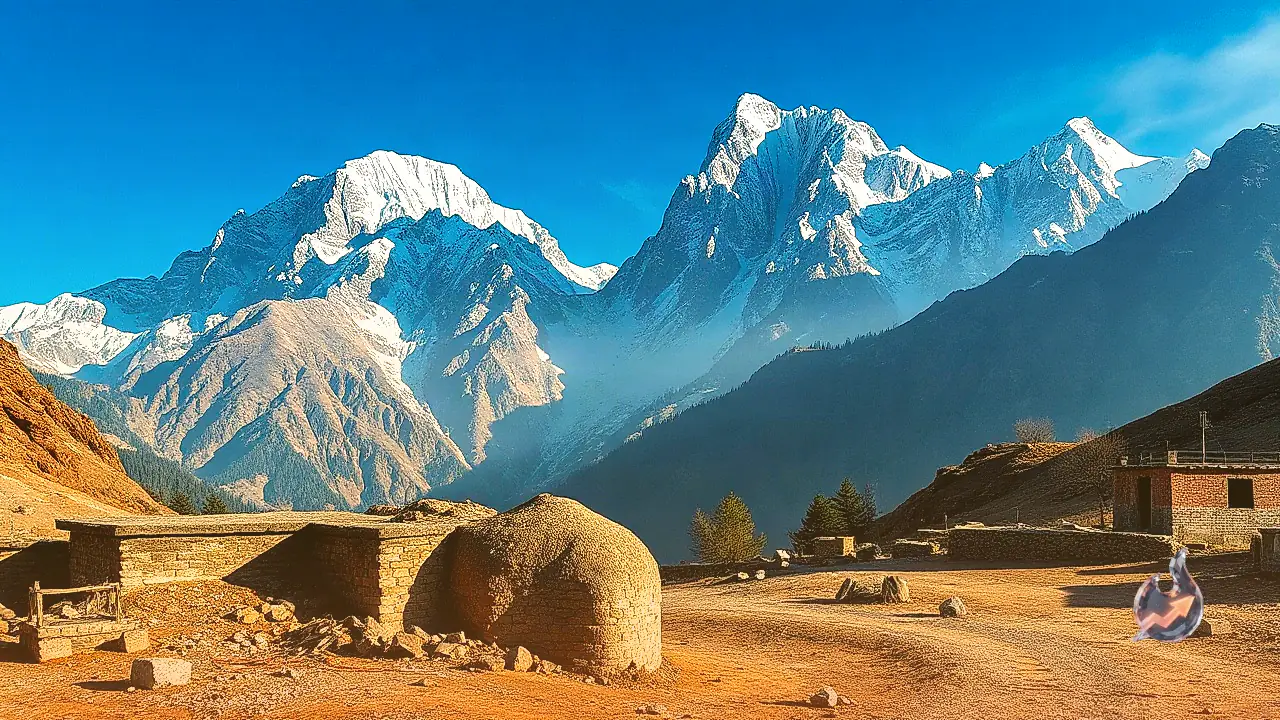

The Kanakata Pass trek located in the scenic Sundardhunga Valley of Bageshwar district in Uttarakhand is gaining prominence among mountain adventure enthusiasts across India. Situated at an imposing altitude ranging between 4,483 meters and 4,600 meters above sea level, this expedition presents a demanding blend of natural splendor and rugged Himalayan terrain. Following the retreat of the seasonal monsoon, the window spanning September and October offers optimal conditions with clear atmospheric clarity. Crisp post-monsoon skies reveal unobstructed panoramas of towering snow-capped peaks. Classified under the moderate to difficult grade, completing this high-altitude trek typically requires eight to ten days of sustained alpine trekking.
Geographical Setting and Challenges of Sundardhunga Valley and Kanakata Pass
Ascending to Kanakata Pass demands rigorous physical preparation and mental resilience compared to standard trekking routes. Pushing past the 4,500-meter elevation mark exposes trekkers to reduced atmospheric pressure and lower ambient oxygen density, placing substantial stress on bodily systems. The baseline duration of eight to ten days varies based on multiple practical dynamics. Weather volatility, real-time trail conditions, group walking speed, and individual stamina levels directly determine the pace of progress. Temperature fluctuations and rapid weather shifts at high altitudes add layers of complexity. Consequently, undertaking targeted cardiovascular conditioning and endurance training well before departure is strongly recommended.
Starting the Journey From Khati and Jatoli Villages Along the Main Route
The foundational journey for Kanakata Pass initiates from the remote mountain hamlets of Khati or Jatoli in Bageshwar. After reaching these traditional settlements, trekkers transition onto rugged footpaths that wind through serene rural countryside, ancient woodland belts, and dense forest tracts. As elevation increases progressively, the landscape transitions from lush green vegetation to stark alpine surroundings. Upon entering Sundardhunga Valley, steep gradient climbs and boulder-strewn trails challenge travelers. Negotiating continuous uphill sections strains muscle groups and lung capacity. Preparing through regular walking, jogging, and incline climbing weeks prior helps build necessary trail fitness.
Panoramic Attractions Including Baluni Top, Sundardhunga Glacier and Sacred Kunds
Along the route to Kanakata Pass, several prominent natural landmarks offer scenic relief and memorable vantage points. Key highlights include the expanse of Sundardhunga Glacier and the elevated viewpoint of Baluni Top. Massive glacial ice formations and giant rock faces showcase the raw geological features of the Greater Himalayas. Further along the trail, natural alpine lakes such as Devi Kund and Nag Kund capture the attention of travelers. Nestled amidst towering mountain barriers, these pristine water bodies enhance the tranquility of the valley. In September and October, post-monsoon vegetation covers the valley floor in rich greenery, providing a pristine natural environment.
Stunning Panoramic Views of Nanda Devi, Maiktoli and Panwali Dwar Peaks
The defining highlight of reaching Kanakata Pass lies in the extraordinary vantage points it provides of premier Himalayan peaks. The clearing of monsoon clouds during September and October provides exceptional line-of-sight visibility across vast distances. Clear weather unveils magnificent views of iconic summits including Nanda Devi, Maiktoli, and Panwali Dwar. Early morning sunlight striking these snow-covered peaks creates a striking visual illumination, making the region a prime destination for landscape photography and nature enthusiasts. However, trekkers must remain prepared for sudden cloud cover or unexpected weather changes common to high-altitude zones.
Mountaineer Jeetu Danu's Essential Safety Advice and Gear Checklist
Emphasizing safety precautions for high-altitude expeditions, mountaineer Jeetu Danu highlights the critical importance of equipping oneself with specialized gear. Selecting robust gear is vital when confronting unstable terrain. Sturdy high-ankle trekking shoes are essential to provide ankle support and traction over rocky, uneven, and slippery paths. Additionally, using trekking poles helps maintain physical balance and reduces impact forces on knees during steep ascents and descents.
To withstand sudden temperature drops and alpine weather shifts, trekkers should pack layerable warm clothing, a dependable rain jacket, a head-warming cap, and insulated gloves. Carrying a high-intensity torch for low-light navigation, along with durable water bottles to maintain constant hydration, is equally crucial. A fully stocked first aid kit alongside personal prescribed medications must be carried by every participant. Staying hydrated, resting at regular intervals, and paying close attention to physiological warning signs are paramount for altitude acclimatization. First-time alpine trekkers are strongly advised to travel with experienced local guides or certified trekking organizations who possess intimate knowledge of weather patterns, route conditions, and safe campsite locations.