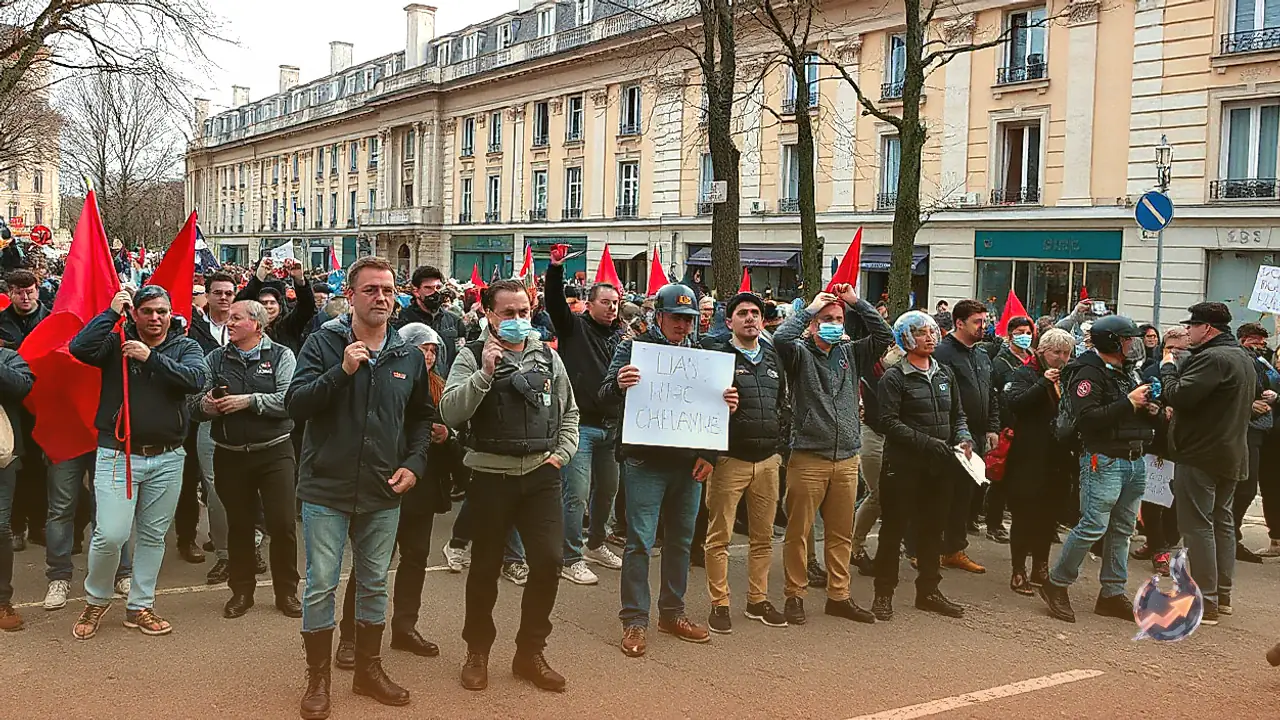
















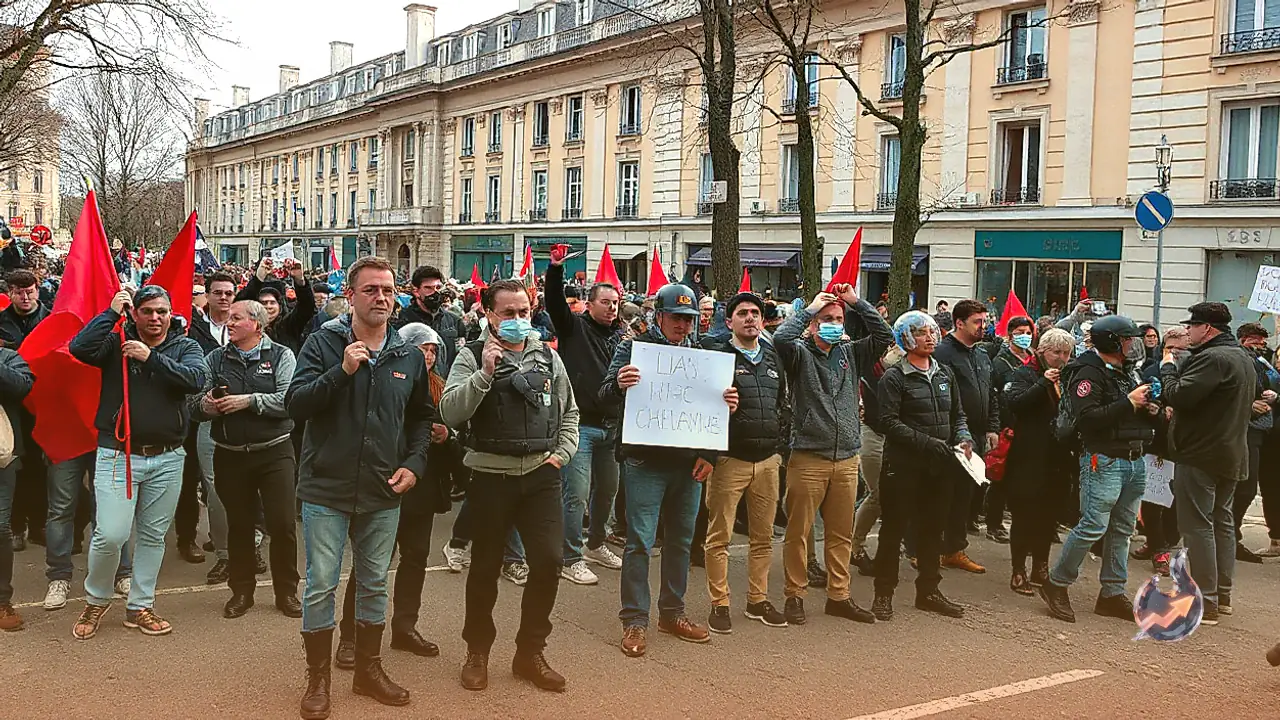

Public anger over soaring living expenses and deteriorating conditions in the education system poured onto the streets across France on Saturday, drawing hundreds of thousands of demonstrators into major city centres. While the daytime marches proceeded in relative calm, the situation deteriorated sharply by late evening, prompting security forces to unleash water cannon and tear gas against crowds in several urban hubs. By the end of the day, authorities had detained nearly 1,000 individuals as part of a nationwide clampdown.
Riot Units Deployed as Clashes Erupt Across Paris
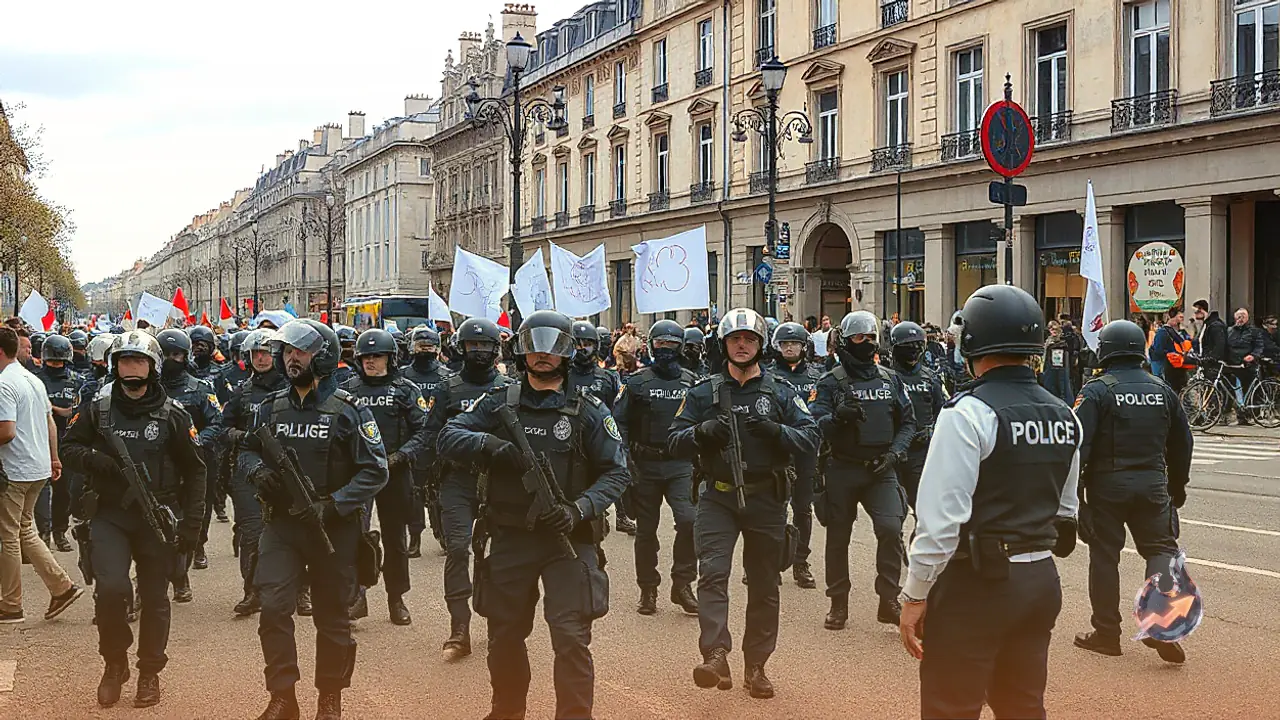
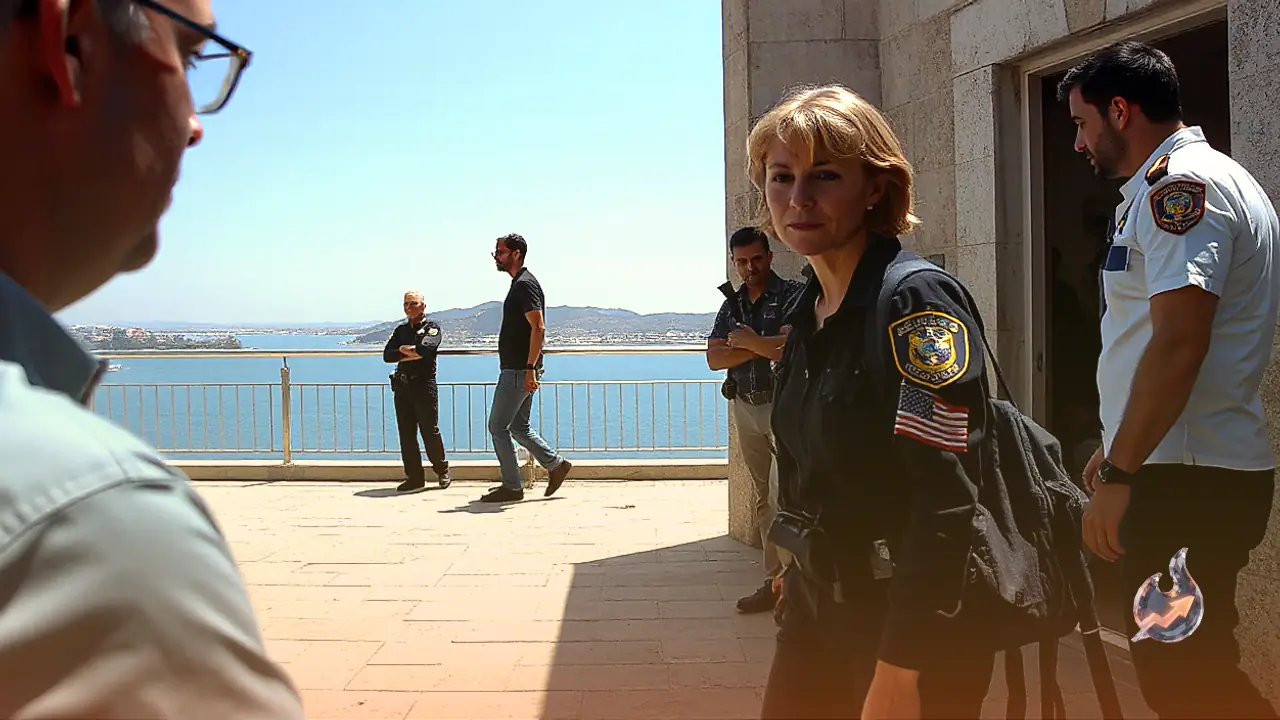
In Paris, a large demonstration made its way peacefully from Porte d'Italie toward Porte de Vincennes before tensions escalated near the finish point. Masked demonstrators erected improvised street barriers and hurled projectiles at security lines. Nearby, groups targeted a car dealership along Cours de Vincennes, smashing storefront windows before police launched baton charges to clear the avenue. The security apparatus deployed to manage the Paris unrest included an elite law enforcement unit typically reserved for counter-terrorism operations and tackling organised crime syndicates.
Interior Minister Laurent Nunez stated that several thousand radical demonstrators had congregated at the rear of the main march, including roughly 500 individuals identified directly as rioters. Nunez noted that total arrests across the country approached 1,000 and warned the figure would rise as processing continued throughout the night. The swift intervention reflected a determined effort by authorities to prevent a rerun of widespread property destruction witnessed seven days earlier.
Flames and Barricades in Marseille, Bordeaux, and Lyon
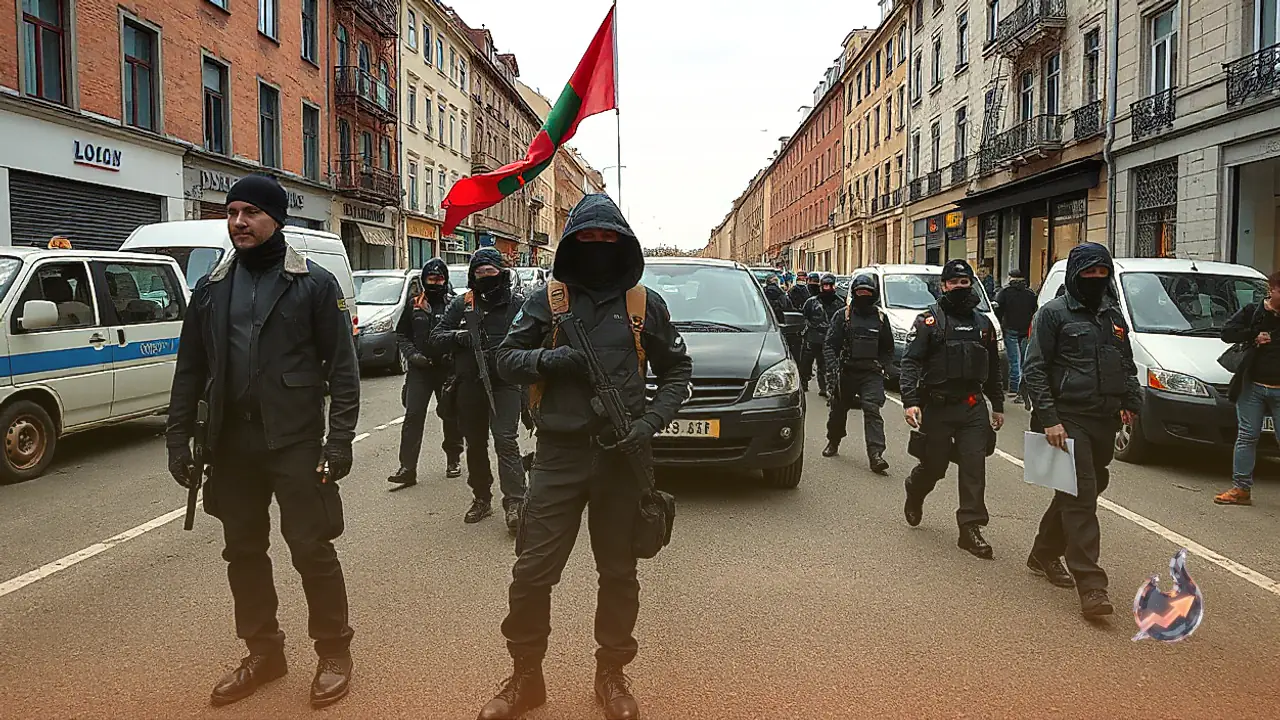
Unrest was far from confined to the French capital. In Marseille, the second-largest city in France, groups of youth set rubbish receptacles ablaze and dragged corrugated metal sheets across thoroughfares to halt traffic. Police vehicles were seen crashing through burning street barricades to disperse the crowds congregating near the historic port district.
Further west in Bordeaux, demonstrators dressed in dark clothing with covered faces stripped protective wooden boards from a building exterior to construct physical obstacles in the street. In Lyon, France's third-largest metropolis, riot units fired tear gas grenades into a gathering assembled inside a zone where the local prefecture had formally prohibited public assembly. One demonstrator recounted that approximately 150 people, mostly university and secondary school students, found themselves suffocated by gas almost immediately, with heavy smoke rendering street-level visibility virtually non-existent.
Economic Strain and Student Grievances Drive Mass Frustration
Participants voiced deep exhaustion over worsening financial strain and an unresponsive administration. In Paris, a 26-year-old peaceful protester named Zelie explained that public patience had run out following years of hardship under President Emmanuel Macron. She accused the state of enforcing silence while imposing heavy taxation that drains household income, stating that the current public backlash stems from grievances left unaddressed for far too long.
Younger demonstrators expressed similar feelings of abandonment. Two masked teenagers who declined to give their identities described widespread despair among the youth. While acknowledging that looting damaged the broader cause, one youth argued that chronic poverty and police brutality provoked the unrest. They maintained that street mobilization would persist until the government delivered meaningful policy concessions, emphasizing a collective desire for profound structural change across the country.
Tougher Decrees and Fallout from Previous Weekend Destruction
The scale of the security operation reflected lessons drawn from the previous weekend, when an estimated 550,000 people took part in protests over rising fuel prices and living costs. That earlier mobilization degenerated into historic disorder, leaving more than 2,000 commercial properties looted or damaged, generating hundreds of millions of euros in commercial destruction according to the Chambers of Commerce and Industry, and resulting in over 2,500 arrests. Roughly 1,000 police officers sustained injuries during those events, one protester suffered a severed hand from a crowd-control grenade, and municipal authorities were forced to decree overnight curfews in Paris and other cities.
Seeking to regain control, President Emmanuel Macron issued a decree earlier in the week restricting demonstration permits exclusively to events organized by recognized trade unions. Courts also expedited legal proceedings, handing immediate prison terms to hundreds of individuals convicted of vandalism, looting, and arson. On Saturday, some 70,000 police officers mobilized across the country. Serious injuries were reported in two locations, with one person severely wounded in Toulouse and another in Clermont-Ferrand in central France.
Conflicting Attendance Estimates and Broader European Spillovers
Official and union tallies differed widely regarding Saturday's national turnout. The French interior ministry estimated that 410,000 people took part in demonstrations across the nation. Trade unions rejected that accounting, asserting that real participation reached approximately 800,000. In a separate political event in Orleans, around 13,000 demonstrators held a peaceful gathering to voice opposition to the right-wing National Rally party.
The underlying pressures of inflation and public service decay are also reverberating beyond French borders. In the Albanian capital of Tirana, riot police deployed tear gas against thousands of anti-government demonstrators on Saturday, while scuffles also broke out in Brussels. In Milan, hundreds of soldiers joined Italian police in a massive operation that sealed off central gathering spots, successfully preventing a recurrence of the window-smashing, fires, and retail looting that hit northern Italy during the preceding week.