





















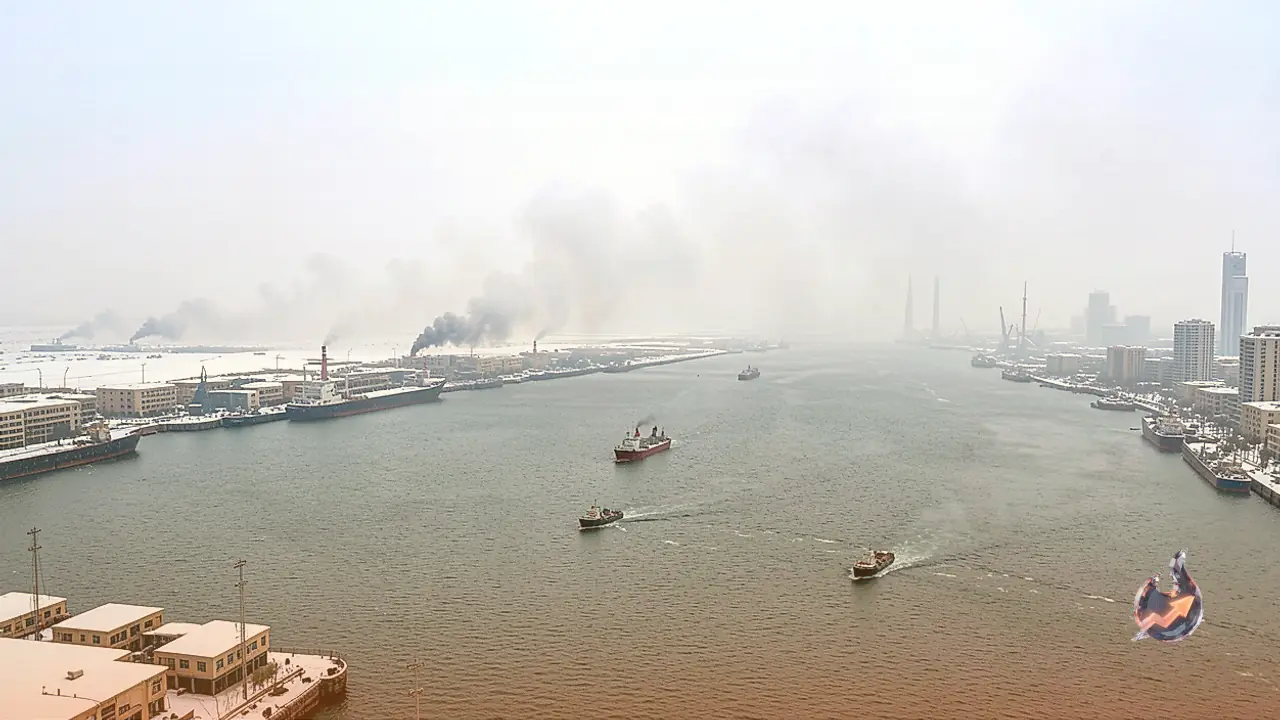

Pakistan is facing the looming specter of a severe energy crisis ahead of the winter season, driven by ongoing geopolitical tensions in the Middle East and disrupted fuel flows through the critical Strait of Hormuz. These maritime bottlenecks have severely constrained the import of liquefied natural gas into the country, forcing authorities to weigh expensive spot market purchases to meet surging domestic demand. Masood Nabi, the head of Pakistan LNG Limited, has explicitly warned that if these supply constraints persist, the upcoming winter months will prove immensely challenging for the nation's economy and infrastructure.
The ramifications of this impending shortage extend far beyond residential gas stoves and basic electrical grids. The scarcity of liquefied natural gas is compelling power producers to pivot toward alternative, dirtier fuels such as coal and fuel oil to keep generators running. This operational shift threatens to exacerbate toxic smog levels across Lahore and other urban centers in Punjab, which already grapple with chronic air quality issues. Consequently, the country is bracing for a punishing convergence of energy deficits, soaring fiscal costs, and environmental hazards.
Why Hormuz Disruption Amplifies Pakistan's Woes
A substantial portion of Pakistan's energy security relies on imported liquefied natural gas originating from the Gulf region, with Qatari supplies playing an indispensable role in meeting domestic requirements. However, regional conflicts in the Middle East have disrupted maritime shipping lanes, with the Strait of Hormuz acting as the primary chokepoint for energy commodities exiting the Persian Gulf. Any obstruction in this vital marine corridor directly compromises the steady arrival of fuel tankers destined for South Asian ports.
Speaking at the 25th World Petroleum Congress held in Riyadh on October 15, Masood Nabi emphasized that the core dilemma is not a global absence of gas, but rather the compromised security of its transport and delivery routes. He noted that unless maritime traffic through the Hormuz corridor normalizes, fulfilling domestic gas consumption targets during the peak winter demand cycle will remain an uphill battle. This means that even when fuel is physically available on international exchanges, ensuring its secure transit to Pakistani terminals remains fraught with uncertainty, higher freight insurance rates, and logistical bottlenecks.
Soaring Import Costs and the Burden of Spot Market Purchases
The financial pressure on Islamabad is immense as it confronts the necessity of acquiring high-priced spot cargo to cover winter deficits. According to media reports citing market data, Pakistan may need to procure up to 10 additional liquefied natural gas cargoes from the international spot market between November 2026 and February 2027 to bridge the supply gap. The aggregate cost of these shipments is projected to exceed USD 1 billion, placing a severe strain on the national exchequer.
Spot markets rely entirely on prevailing real-time prices, which frequently skyrocket during peak winter months when European and Asian economies compete aggressively for limited global supplies. Historically, Pakistan has relied heavily on long-term supply agreements with Qatar, which offer significantly more favorable and predictable pricing structures compared to volatile spot exchanges. With Qatari shipments disrupted, the country is forced into spot purchasing, where prevailing rates can run roughly double the cost of long-term contract gas. Funding these expensive imports requires substantial foreign exchange reserves, driving up domestic electricity generation costs and adding inflationary pressures.
Implications for Power Generation and Industrial Output
Natural gas plays a pivotal role in powering Pakistan's electrical grid, and any shortfall in imported volumes forces a cascading reliance on expensive alternative power generation fuels. This substitution not only elevates the cost of electricity production but also places immense stress on transmission networks. Compounding this challenge is the long-term decline in domestic gas field production, as legacy wells suffer from depleted reserves and lower pressure. Consequently, ramping up domestic extraction cannot fully offset imported shortfalls, leaving officials scrambling for viable alternatives.
The energy deficit also threatens industrial productivity across multiple sectors. If state authorities face severe supply deficits, they are often forced to ration energy by curtailing deliveries to domestic consumers, power plants, and industrial units. Industrial throttling can severely disrupt manufacturing schedules, stall commercial output, and threaten jobs in sectors heavily dependent on continuous gas supply for thermal processes or electricity generation. Balancing residential heating needs against commercial survival presents a difficult governance challenge.
The Direct Link Between LNG Shortages and Toxic Smog
An equally alarming dimension of the unfolding crisis is its environmental fallout, specifically concerning urban air pollution. Industry reports indicate that constrained natural gas availability will compel power plants and industrial boilers to burn larger quantities of coal and fuel oil. Because liquefied natural gas burns far cleaner than traditional hydrocarbons, substituting it with coal and heavy oil significantly increases the emission of particulate matter, sulfur oxides, and other harmful pollutants into the atmosphere.
As urban centers like Lahore, Rawalpindi, Islamabad, and Murree prepare for winter, the inversion layers combined with increased pollutant emissions from alternative fuel combustion create a recipe for severe environmental distress. The compounding effect of energy rationing and heightened pollution threatens public health on a mass scale, compounding the economic burdens already weighing heavily on the population.