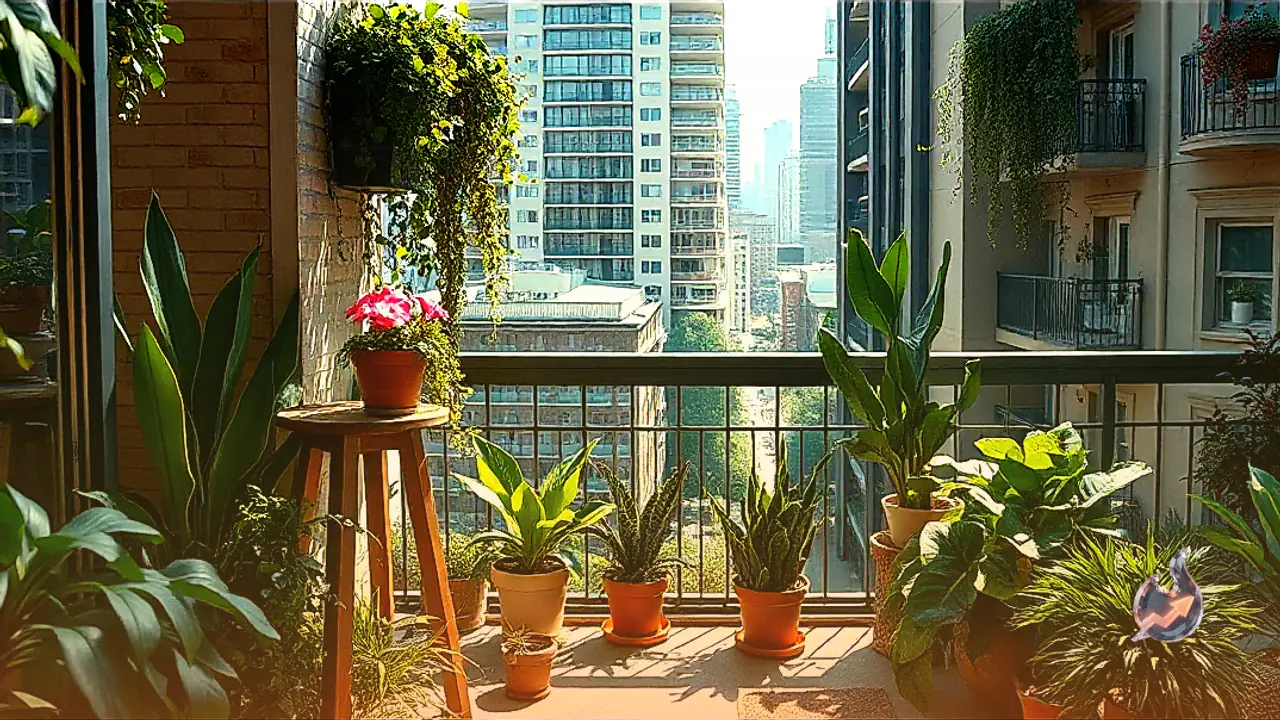






















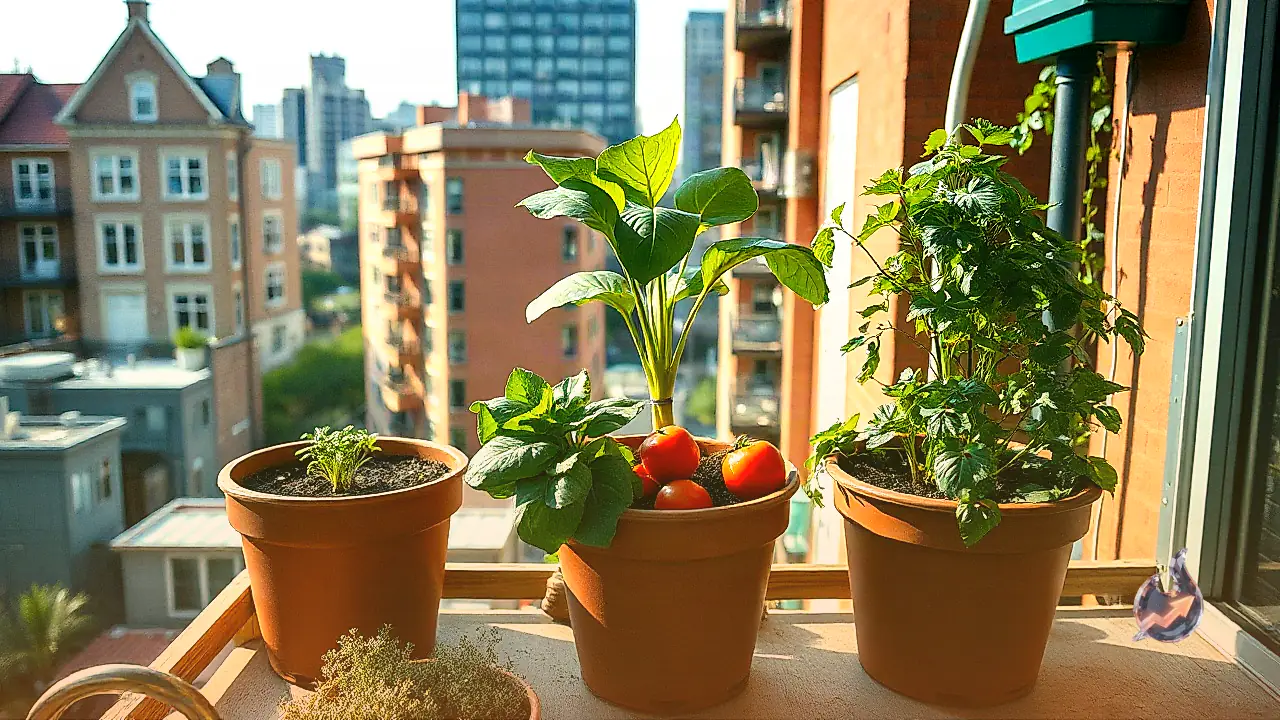

A lack of outdoor space frequently discourages urban gardening enthusiasts from growing their own produce. In compact apartment balconies, floor room disappears after arranging just one or two regular planters. However, producing a meaningful harvest does not necessarily require an expansive terrace or dozens of separate containers. By selecting compatible crops and assigning specific zones within a single large pot, multiple vegetables can flourish together simultaneously.
The fundamental rule of this method is avoiding the temptation to crowd plants together haphazardly. Every vegetable variety features unique root systems, vertical development patterns, and sun requirements. Designing a planter layout based on these growth characteristics ensures that plants share moisture and soil nutrition harmoniously rather than strangling one another.
Choosing the Right Container and Preparing Drainage-Friendly Soil
Accommodating three crops in a single vessel requires prioritizing container depth and width. Cramming multiple seedlings into a small pot forces root networks into severe competition over moisture and essential minerals, which quickly stunts overall development. A wide, deep planter provides the root volume necessary to sustain several plants over their full lifecycle.
Proper container preparation also demands reliable drainage. The bottom of the pot must feature functioning drainage holes so that irrigation water flows freely instead of pooling around sensitive roots. For the potting medium, blend standard garden soil with well-rotted organic compost and light conditioning elements. A loose, well-draining soil texture encourages root respiration, retains necessary moisture, and prevents waterlogging.
Balancing Vertical Growth, Root Crops, and Shallow Foliage
Successful multi-cropping in a single pot relies on pairing plants with completely different growth profiles. Place a tall, upward-climbing vegetable at the center or rear of the container. A tomato plant serves as an ideal vertical crop because gardeners can train its central stem onto a vertical stake or trellis, sending foliage upward rather than spreading sideways.
Utilize the remaining floor perimeter around the central stalk for low-profile, fast-maturing crops. Combining tomatoes with radishes and coriander demonstrates this zoning technique effectively. Radish roots develop downward beneath the soil line, maximizing vertical soil depth, while coriander develops shallow root networks and takes up very little ground space. Because each crop draws from a different physical layer, they share room without crowding each other out. Keep in mind that specific plant cultivars, container dimensions, prevailing weather, and daylight levels can influence overall yields.
Planting Placement, Seed Spacing, and Physical Support
Multi-planting requires disciplined spacing rather than scattering seeds densely across the soil. Sowing seeds too close together remains one of the most common gardening mistakes, preventing seedlings from reaching full maturity. When introducing a vertical plant such as a tomato, install a support stake immediately during planting. Securing the main stem early prevents it from drooping or smothering surrounding lower crops.
Sow radish seeds with adequate spacing and soil depth to allow root swellings to expand without obstruction. Scatter coriander seeds neatly along the outer margins of the pot where light remains accessible. This multi-tiered configuration takes advantage of all available space: the vertical plant climbs above, the root vegetable expands downward below, and the herb utilizes the surface borders.
Managing Balcony Sunlight and Watering Carefully
Containers hosting multiple plants demand attentive watering practices. Add moisture only when the top layer of potting soil feels dry to the touch, and never allow standing water to accumulate at the base. Overwatering saturates root systems and invites decay, rapidly damaging all three crops.
Position the container where the plants receive adequate daily sunshine according to their needs. If a taller vertical tomato vine begins casting permanent shade over the emerging radishes or coriander beneath it, rotate the pot periodically or tie the upper foliage securely against the stake. Adjusting the orientation guarantees that low-profile plants continue receiving the natural light necessary to thrive in a small balcony environment.