





















As temperatures begin to drop, transforming a small balcony into a productive home vegetable haven becomes surprisingly straightforward. Many households assume that harvesting crisp, wholesome greens requires vast agricultural plots or sprawling backyard gardens, but the reality is quite different. Container gardening allows urban dwellers to reap high-quality organic produce from minimal square footage by matching the right plants to proper pots. Technical advisories from the Indian Council of Agricultural Research, widely known as ICAR, highlight seasonal favorites like radishes, carrots, spinach, and turnips as ideal candidates for cold weather conditions. Green peas similarly thrive in low temperatures. By preparing soil mixes and planters ahead of the deep winter freeze, families can secure a continuous supply of homegrown, pesticide-free vegetables directly from their railings and patios.
Loose Soil and Sun Foster Crunchy Radishes
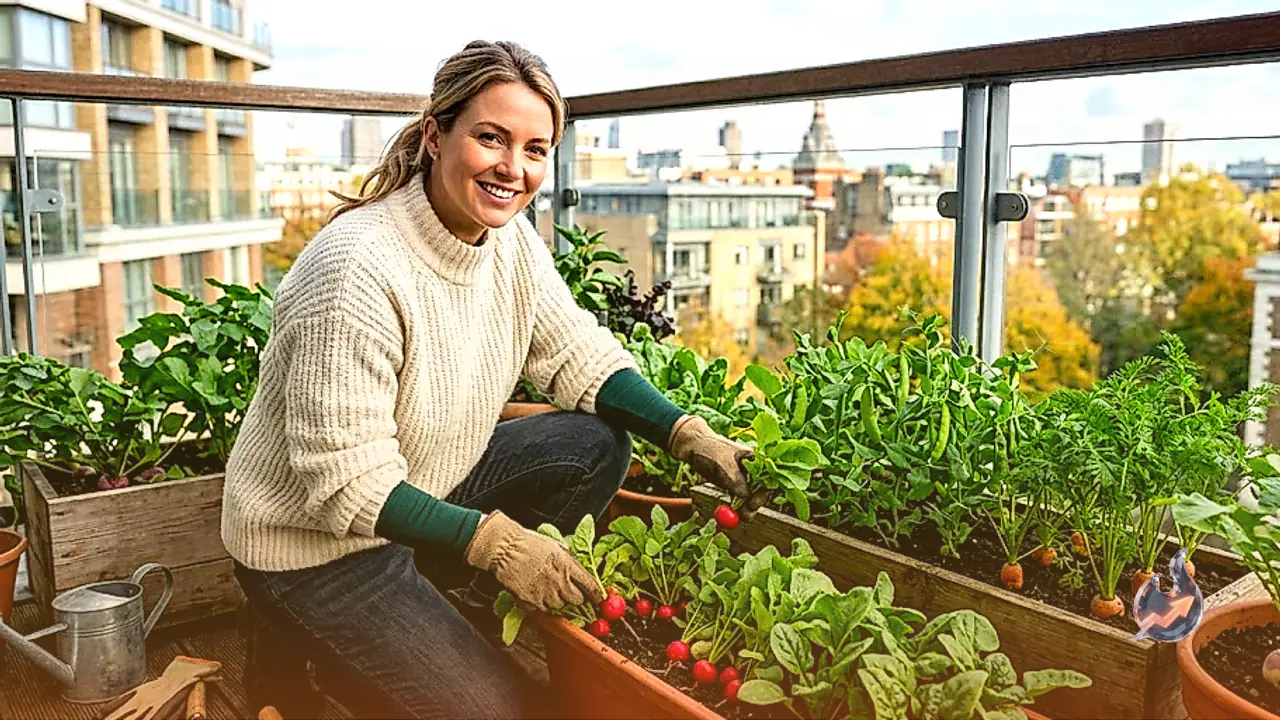
Radishes stand out as one of the fastest and most gratifying crops for balcony planters. They require no delicate seedling transplantation and can be seeded directly into pots or durable fabric grow bags. One of the greatest delights of cultivating radishes is their visible progress; within weeks, the emerging crown of the root pushes slightly through the topsoil, offering gardeners a clear preview of their underground harvest. Because cool weather accelerates their growth, they establish quickly and reliably.
The secret to perfect, unblemished radishes lies beneath the surface. Compacted, rocky, or overly dense potting soil obstructs root penetration, leading to stunted or deformed crops. Light, aerated, well-draining soil gives the root ample freedom to expand downward evenly. Gardeners should select planters that provide sufficient vertical depth to accommodate full root expansion. Position the containers in an open corner where they receive direct sunlight for several hours daily. Consistent moisture is essential, though standing water must be strictly prevented to protect the roots against rot.
Spinach Offers the Easiest Path for Beginners
For newcomers taking their very first steps into home gardening, spinach is unquestionably the most forgiving and rewarding starter crop. Unlike underground root vegetables, leafy greens do not demand deep soil profiles. A shallow yet wide planter box or rectangular tray provides ample space for a generous spread of seeds. This makes spinach exceptionally efficient in terms of potting mix volume and balcony floor space.
Spinach thrives vigorously in brisk autumn and winter air, provided the soil remains consistently moist and the container receives gentle natural daylight. Rather than uprooting the whole plant once leaves reach mature size, practice sequential harvesting by clipping only the outer, larger leaves with clean scissors. Leaving the central crown intact encourages rapid regeneration, enabling a single pot to yield fresh, iron-rich leaves for domestic salads and cooking across several consecutive weeks.
Deep Fabric Bags Ensure Well-Formed Carrots
Nurturing carrots in a balcony setup offers a uniquely fascinating gardening experience. Above the soil, the plant displays delicate, feathery green foliage that brings fine textural beauty to any container arrangement. Deep within the medium, however, sweet roots develop at their own steady pace. Success with container-grown carrots hinges fundamentally on planter depth; choosing a pot or fabric grow bag measuring at least 12 to 15 inches deep ensures the taproots have unhindered downward clearance.
Soil texture is equally critical when growing carrots. Any hard clods, heavy clay, or pebbles will force the delicate descending root to split, fork, or curl. A loose, sandy loam medium ensures uniform tapering and smooth skin. Urban growers should specifically look for short-rooted or container-optimized varieties that do not demand excessive agricultural soil depths. Given full sun exposure and balanced, moderate watering, these home pots will produce remarkably crisp and flavorful carrots.
Climbing Green Peas Save Valuable Floor Space
Green peas not only deliver sweet, crunchy pods but also introduce wonderful vertical greenery to an apartment balcony. Once the seeds germinate, the slender vines shoot upward rapidly, eventually developing charming white blossoms followed by crisp pea pods. Because pea stems are naturally slender and flexible, they require dependable external support to stay upright and productive.
Gardeners can easily install vertical bamboo canes, wire mesh, light netting, or miniature wall trellises directly inside the pea pot. Training the tendrils upward keeps the floor clear while creating an attractive living wall against patio railings. The cool season provides the ideal climate for pea flowering and pod formation. With regular sun exposure, adequate irrigation, and sturdy scaffolding to climb, pea vines will yield abundant harvests without crowding balcony walking areas.
Turnips Deliver a Double Harvest of Greens and Roots
Turnips represent an exceptionally versatile cool-season crop, especially for gardeners who appreciate multi-purpose plants. Both the swollen subterranean bulbs and the tender, nutrient-dense green tops are entirely edible. Turnips perform remarkably well in chilly conditions and yield substantial food within relatively compact root boundaries.
Select a moderately deep planter or grow bag that gives the swelling root enough space to broaden without hitting the container walls. When seeds sprout closely together, thinning becomes a mandatory step; gently remove weaker seedlings so that the remaining plants maintain comfortable spacing between one another. Overcrowding results in miniature, stringy roots. Keeping the soil evenly damp without waterlogging guarantees crisp, succulent turnip globes with mild flavor.
Strategic Planning Unlocks Big Balcony Yields
Cultivating a flourishing food garden does not depend on owning vast countryside acreage. By matching container dimensions to each crop's botanical nature, even a modest balcony measuring only a few feet can yield continuous kitchen harvests. The primary principle is simple: leafy crops like spinach thrive in broad, shallow planters, whereas root crops like radishes, carrots, and turnips demand vertical container depth. Meanwhile, vining plants like peas utilize vertical height rather than broad floor surfaces.
Rather than overcrowding a small space with dozens of mismatched pots, start deliberately with a focused assortment. Dedicate a couple of wide containers to cut-and-come-again spinach, two deep grow bags to radishes and carrots, a single pot to turnips, and a trellised container to peas. This manageable configuration transforms an underutilized outdoor ledge into a vibrant, pesticide-free kitchen garden that enriches winter meals and brings daily outdoor satisfaction.